CO₂ Laser Before and After: What to Expect, Recovery Timeline, Benefits, and Real Results
Introduction
Healthy, smooth, and youthful skin is a common goal for many people, but aging, sun exposure, acne scars, and uneven skin texture can make achieving it more challenging. While skincare products can improve the skin’s appearance to some extent, they often cannot correct deeper wrinkles, significant sun damage, or longstanding acne scars. This is where CO₂ laser resurfacing has become one of the most effective treatments in modern dermatology.
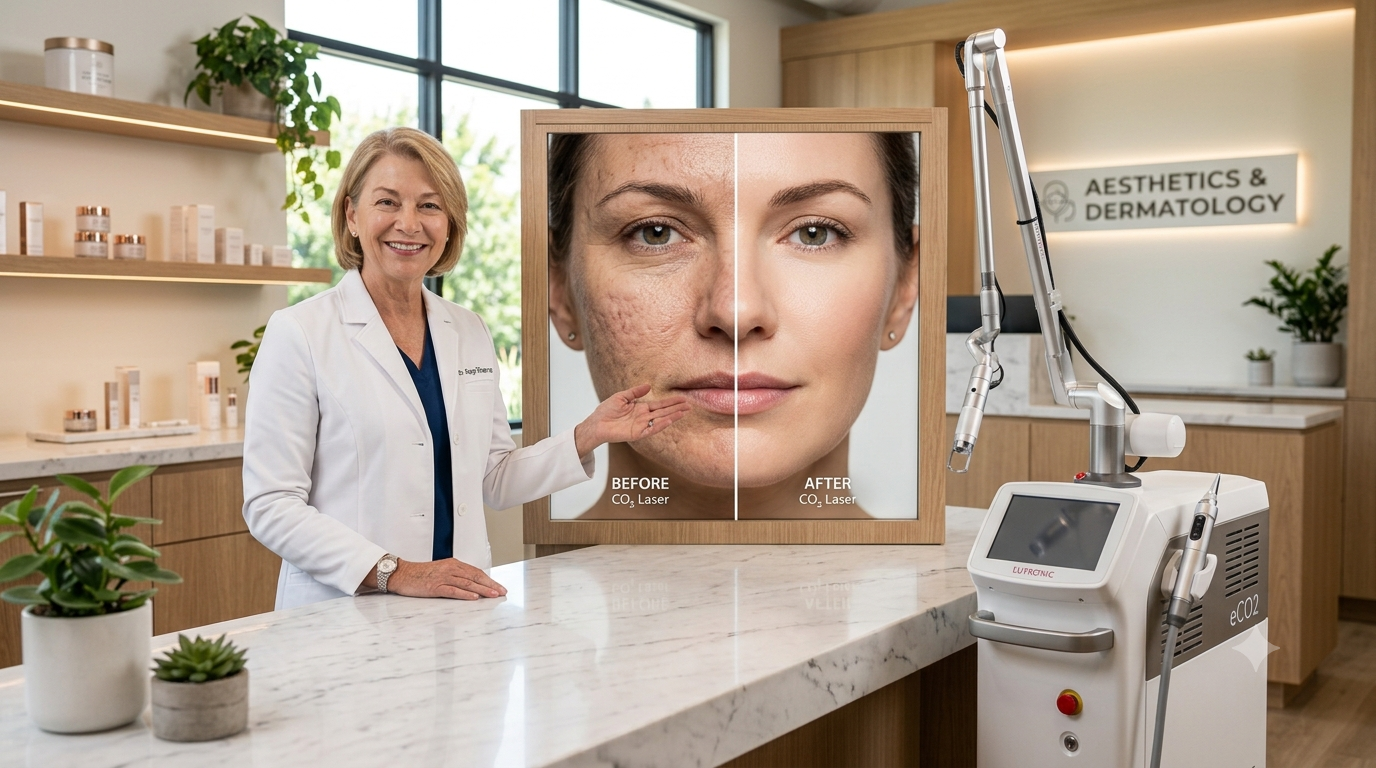
If you’ve searched for “CO₂ laser before and after”, you’ve likely seen dramatic transformation photos showing smoother skin, reduced wrinkles, and improved texture. While these images can be impressive, understanding what happens before treatment, during recovery, and after healing is equally important. Results depend on factors such as skin type, treatment intensity, age, lifestyle, and adherence to aftercare instructions.
This guide explains what CO₂ laser resurfacing is, how it works, what you can realistically expect before and after treatment, who makes an ideal candidate, and how to maximize your results safely.
What Is CO₂ Laser Resurfacing?
CO₂ laser resurfacing is an advanced dermatologic procedure that uses a carbon dioxide laser to remove damaged outer layers of skin while stimulating the production of new collagen in the deeper layers. By combining controlled skin resurfacing with collagen remodeling, the treatment addresses both surface imperfections and structural changes associated with aging.
Modern fractional CO₂ lasers create thousands of microscopic treatment zones instead of removing the entire skin surface. Healthy tissue remains between these zones, allowing the skin to heal more quickly while still achieving significant improvement.
Because collagen continues to remodel for several months after treatment, many patients notice progressive improvement long after the initial healing phase.
How Does a CO₂ Laser Work?
The CO₂ laser emits a highly focused beam of light that is absorbed by water within the skin cells. This controlled energy vaporizes damaged tissue while creating tiny thermal columns beneath the surface.
The healing process stimulates:
- New collagen production
- Elastin remodeling
- Skin renewal
- Improved blood circulation
- Better skin texture
- Reduction in fine lines and scars
As fresh skin replaces older damaged tissue, the complexion becomes smoother, firmer, and more even.
Skin Concerns Treated with CO₂ Laser
CO₂ laser resurfacing is a versatile treatment used to improve a variety of cosmetic skin concerns.
Fine Lines and Wrinkles
Repeated facial expressions, collagen loss, and aging contribute to wrinkles around the eyes, mouth, forehead, and cheeks. CO₂ laser treatment helps soften these lines by stimulating collagen production.
Acne Scars
One of the most common reasons patients seek CO₂ laser treatment is acne scarring. The laser remodels scar tissue and encourages new collagen formation, making depressed scars appear shallower over time.
Sun Damage
Years of ultraviolet exposure can cause uneven pigmentation, rough texture, enlarged pores, and precancerous skin changes. CO₂ laser resurfacing removes damaged skin cells and promotes healthier skin growth.
Uneven Skin Texture
Patients with rough or irregular skin texture often notice smoother, softer skin after healing.
Age Spots and Pigmentation
Although pigmentation disorders require individualized treatment, fractional CO₂ laser therapy may improve certain forms of discoloration when appropriately selected.
Surgical and Traumatic Scars
Some surgical scars and injury-related scars may become less noticeable after carefully planned laser treatments.
Benefits of CO₂ Laser Resurfacing
CO₂ laser treatment offers multiple cosmetic and structural benefits beyond surface exfoliation.
Stimulates Natural Collagen
Rather than simply removing damaged skin, the laser encourages the body to produce new collagen, which helps improve firmness and elasticity.
Long-Lasting Results
Unlike many superficial cosmetic procedures, the collagen remodeling process can continue for several months, providing gradual and lasting improvement.
Comprehensive Skin Rejuvenation
A single treatment can address multiple concerns simultaneously, including wrinkles, acne scars, uneven texture, enlarged pores, and sun damage.
Improved Skin Tone
Many patients notice a brighter and more uniform complexion after healing.
Better Skin Texture
The treatment smooths rough skin and refines enlarged pores, resulting in a healthier appearance.
Who Is an Ideal Candidate?
CO₂ laser resurfacing is most suitable for individuals seeking meaningful skin rejuvenation who understand the recovery process involved.
You may be a good candidate if you have:
- Fine lines and wrinkles
- Acne scars
- Sun-damaged skin
- Rough skin texture
- Enlarged pores
- Mild to moderate skin laxity
- Certain surgical scars
- Realistic expectations
The procedure is generally most appropriate for lighter skin types, although advances in laser technology have expanded treatment options for a wider range of patients. A personalized consultation with a qualified dermatologist is essential to determine whether CO₂ laser resurfacing is appropriate for your skin type and concerns.
Before CO₂ Laser Treatment: Consultation
Every successful treatment begins with a thorough medical assessment.
During your consultation, your dermatologist will evaluate:
- Your skin type
- Medical history
- Current medications
- Previous cosmetic treatments
- History of cold sores
- Smoking status
- Healing tendencies
- Sun exposure habits
- Treatment goals
Clinical photographs are often taken to document your skin before treatment and to compare your results over time.
How to Prepare Before CO₂ Laser Resurfacing
Proper preparation can reduce the risk of complications and support optimal healing.
Your dermatologist may recommend the following steps:
Avoid Excessive Sun Exposure
Sunburned or recently tanned skin is more prone to complications. Protect your skin with sunscreen and avoid prolonged sun exposure before your appointment.
Stop Certain Skincare Products
Depending on your skin condition, you may be advised to temporarily stop using products that can increase irritation, such as retinoids, exfoliating acids, or other potentially sensitizing ingredients.
Inform Your Doctor About Medications
Some medications and supplements may affect healing or increase the risk of bruising. Always provide a complete list of prescription medications, over-the-counter drugs, and supplements.
Stay Hydrated
Well-hydrated skin generally heals more efficiently.
Quit Smoking
Smoking reduces blood flow and can slow wound healing. If possible, stopping smoking before and after treatment may improve recovery.
What Happens During the Procedure?
The treatment is usually performed in a dermatology or cosmetic surgery clinic.
Depending on the treatment area and laser settings, the procedure may involve:
- Cleansing the skin
- Applying topical anesthetic or local anesthesia
- Protective eye shields
- Fractional CO₂ laser application
- Cooling and soothing the treated skin
- Application of a protective healing ointment
Treatment times vary but often range from 30 minutes to two hours, depending on the size of the area being treated.
What Does CO₂ Laser Feel Like?
Most patients describe the sensation as a combination of warmth, heat, and tiny pinpricks. Topical anesthetics, cooling devices, or local anesthesia are commonly used to improve comfort during the procedure.
After treatment, the skin often feels similar to a moderate sunburn for the first few days.