
Swedish Massage: Guide to Benefits and What to Expect
Introduction
Swedish massage is one of the most widely recognized forms of therapeutic massage. It uses flowing hand movements, gentle kneading, controlled pressure, and rhythmic techniques to relax muscles and promote an overall sense of well-being. Unlike very deep massage styles that focus heavily on intense pressure, Swedish massage is generally designed to feel soothing while still working on areas of muscle tension.
People choose Swedish massage for many different reasons. Some want a relaxing experience after a stressful week, while others are looking for a way to ease everyday muscle tightness, improve body awareness, or simply spend time caring for themselves. The treatment can also be adapted to different comfort levels, making it suitable for many beginners.
Understanding what Swedish massage involves, what benefits it may offer, and what to expect during an appointment can help you decide whether it fits your needs.
What Is Swedish Massage?
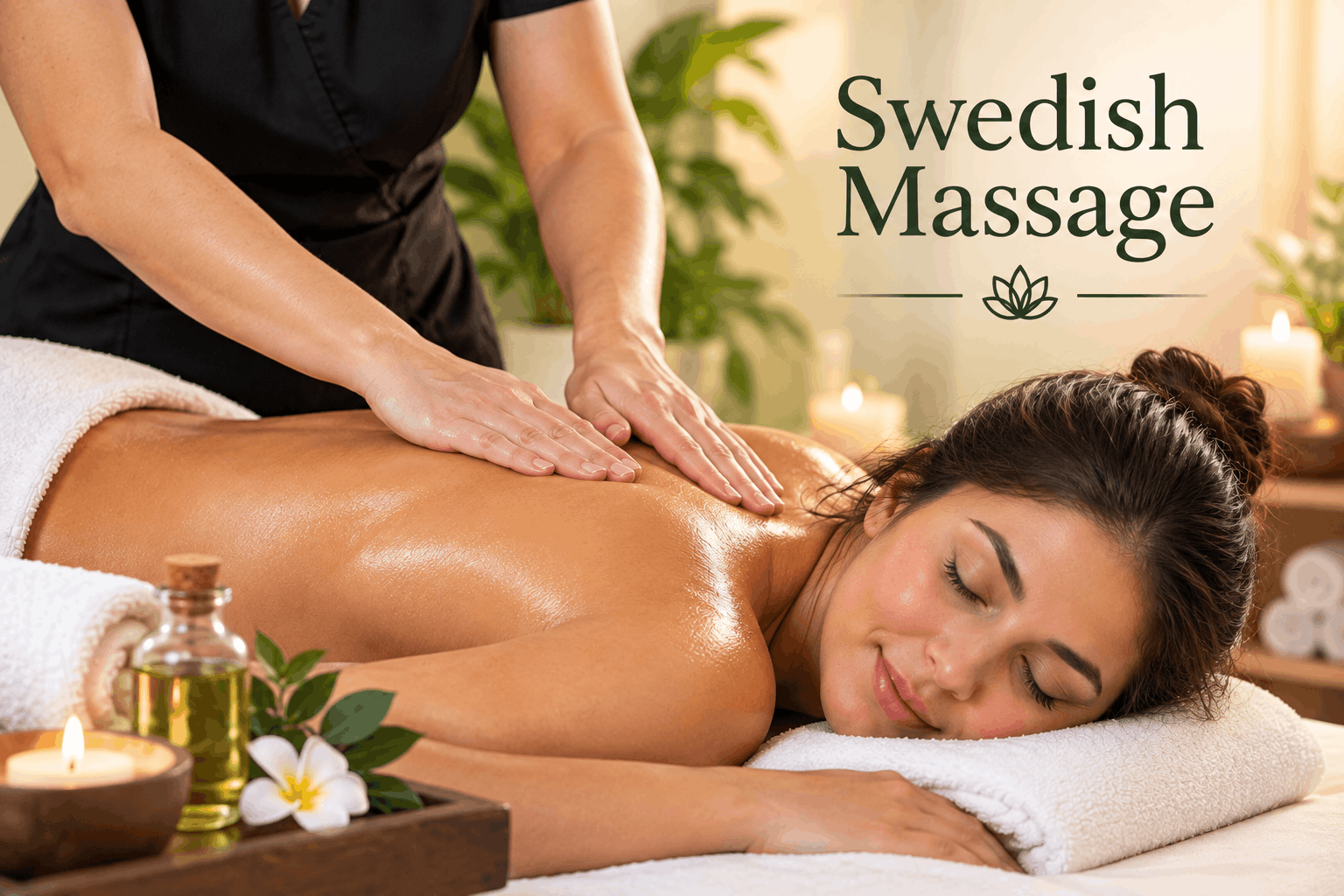
Swedish massage is a full-body massage technique that combines several types of hand movements. The therapist typically works with oil or lotion to allow the hands to move smoothly across the skin.
The pressure can range from light to moderate and may be adjusted according to the person’s preferences and the therapist’s assessment of muscle tension.
A typical session may involve the back, shoulders, arms, legs, neck, hands, and feet. The exact areas treated depend on the client’s goals, comfort level, and the length of the appointment.
How Does Swedish Massage Work?
Swedish massage focuses on controlled movements applied to the body’s soft tissues. Rather than using one technique throughout the session, therapists usually combine several movements to create a balanced treatment.
Common techniques include:
Effleurage
Effleurage consists of long, smooth, gliding strokes. Therapists often use this technique at the beginning and end of different sections of a massage.
These movements can help warm the tissues and create a calming rhythm.
Petrissage
Petrissage involves kneading, squeezing, or gently lifting soft tissue. It is commonly used around larger muscle groups such as the shoulders, thighs, and back.
Friction
Friction uses smaller, more focused movements. The therapist may use the fingers or thumbs to work around areas that feel particularly tight.
Tapotement
Tapotement involves rhythmic tapping or percussion movements. Depending on the therapist and treatment style, this technique may be used briefly rather than throughout the session.
Vibration
Vibration consists of gentle shaking or vibrating movements applied to specific areas. It can provide a different sensory experience and may be incorporated into the final portion of treatment.
Potential Benefits of Swedish Massage
Swedish massage is primarily associated with relaxation, but people may experience several other benefits from a well-performed session.
1. Encourages Relaxation
One of the main reasons people book Swedish massage is to relax. Slow, repetitive movements and a comfortable environment can make it easier to unwind physically and mentally.
2. May Reduce Everyday Muscle Tension
Sitting at a desk, exercising, traveling, or maintaining the same posture for long periods can leave muscles feeling tight. Swedish massage may help loosen areas of ordinary muscular tension.
3. May Support Stress Management
Massage can provide dedicated time away from daily responsibilities. For some people, this combination of physical relaxation and quiet time can be useful as part of a broader stress-management routine.
4. May Improve Short-Term Flexibility
When muscles feel tight, movement can sometimes feel restricted. Gentle massage may temporarily make certain areas feel more comfortable and mobile.
5. Promotes Body Awareness
A massage session can help people notice areas where they routinely hold tension, such as the neck, shoulders, lower back, or jaw.
6. Can Complement Recovery After Everyday Activity
People who participate in recreational exercise may use Swedish massage as part of their general recovery routine. It should not replace appropriate treatment for an actual injury.
Swedish Massage vs. Deep Tissue Massage
Swedish massage and deep tissue massage are sometimes confused because both involve working with muscles and soft tissues.
It generally emphasizes flowing movements, relaxation, and adjustable pressure. Deep tissue massage typically uses slower, more focused pressure to target deeper layers of muscle and connective tissue.
The two approaches are not simply a matter of choosing “light” versus “strong.” The best option depends on the person’s goals, comfort, physical condition, and the therapist’s training.
If your main goal is relaxation and a gentle introduction to massage, Swedish massage may be a more comfortable starting point.
What Happens During a Swedish Massage?
A typical appointment begins with a brief conversation. The therapist may ask about areas of tension, pressure preferences, previous injuries, and any relevant health concerns.
You will normally be given privacy to prepare for the treatment. During the massage, only the area being worked on should be uncovered, with appropriate draping used to maintain comfort and privacy.
The therapist may begin with broad strokes before gradually working on specific areas.
You should feel comfortable communicating throughout the appointment. If the pressure is too strong, too light, or uncomfortable, tell the therapist so the treatment can be adjusted.
How Long Does a Swedish Massage Take?
Session length varies by provider. Common appointments may last around 30, 60, or 90 minutes.
A shorter session may concentrate on a particular region, while a longer appointment allows more time for a comprehensive full-body experience.
The ideal duration depends on your goals, schedule, and comfort rather than simply choosing the longest available session.
What Should You Wear?
Massage is generally performed with the client undressed to their comfort level while appropriately draped. However, you should never feel pressured to remove more clothing than you are comfortable removing.
If you prefer to remain more covered, discuss this with the therapist before the treatment begins.
Professional massage practices should prioritize privacy, consent, hygiene, and respectful communication.
How to Prepare for Swedish Massage
A few simple steps can make the appointment more comfortable.
- Drink water normally throughout the day.
- Avoid arriving extremely hungry or immediately after a heavy meal.
- Wear comfortable clothing for before and after the appointment.
- Tell the therapist about areas that feel uncomfortable.
- Mention any recent injuries or medical concerns.
- Explain your preferred pressure level.
- Avoid massage if you are feeling acutely unwell unless a healthcare professional has advised otherwise.
What to Do After a Massage
After a Swedish massage, many people prefer to take some quiet time rather than immediately return to a stressful routine.
You can:
- Drink fluids according to your normal needs.
- Perform gentle everyday movement.
- Avoid unusually strenuous activity if your body feels tender.
- Pay attention to how your muscles feel.
- Give yourself time to relax.
Mild temporary tenderness can occur, particularly when areas of muscle tension have received more pressure than usual.
Is Swedish Massage Painful?
Swedish massage should generally be comfortable rather than painful. Some pressure may feel intense when working over tense muscles, but sharp, burning, or severe pain is not something you should simply tolerate.
Always communicate with your therapist. Pressure can usually be reduced or the technique can be changed.
A massage does not need to hurt to be effective.
Who May Consider Swedish Massage?
Swedish massage may appeal to adults who want:
- A relaxing massage experience
- Gentle to moderate pressure
- General muscle relaxation
- A break from daily stress
- A beginner-friendly massage style
- A full-body treatment
However, massage is not appropriate for every situation. Certain health conditions, recent injuries, infections, skin problems, bleeding disorders, or other circumstances may require medical advice before treatment.
When Should You Avoid or Postpone Massage?
A massage may need to be postponed when someone has an acute illness, fever, contagious skin condition, significant unexplained pain, or a recent injury that has not been assessed.
People taking blood-thinning medication, those with certain medical conditions, pregnant individuals, and people recovering from surgery should discuss massage with an appropriate healthcare professional when necessary.
A qualified therapist should also ask relevant health questions before beginning treatment.
Choosing a Swedish Massage Therapist
The quality of your experience depends heavily on the therapist and the setting.
Look for a professional who:
- Has appropriate massage training or credentials for your area
- Maintains good hygiene
- Explains the treatment clearly
- Respects boundaries and privacy
- Asks about health concerns
- Adjusts pressure according to feedback
- Uses clean linens and suitable equipment
- Communicates professionally
A reputable provider should make you feel comfortable asking questions before and during the session.
How Often Can You Get Swedish Massage?
There is no universal schedule that works for everyone. Some people book massage occasionally when they want relaxation, while others include it in a regular wellness routine.
Frequency should depend on your goals, response to treatment, budget, and overall health. More frequent massage is not automatically better.
If you are using massage because of persistent pain rather than simple relaxation, it is worth discussing the underlying problem with a healthcare professional instead of relying on massage alone.
Swedish Massage for Relaxation and Self-Care
Swedish massage can fit naturally into a broader self-care routine. However, it works best when viewed as one part of overall wellness rather than a solution to every physical or emotional problem.
Regular movement, adequate sleep, balanced nutrition, stress management, and appropriate medical care remain important foundations of health.
Massage can complement these habits by providing a structured opportunity to slow down and pay attention to the body.
Final Thoughts
Swedish massage combines flowing strokes, kneading, rhythmic movements, and adjustable pressure to create a relaxing and versatile massage experience. It can be a practical choice for people interested in general relaxation, everyday muscle tension, and a gentle introduction to therapeutic massage.
The experience can vary considerably depending on the therapist, pressure level, session length, and individual needs. Good communication is therefore essential. A professional massage should always prioritize comfort, consent, privacy, hygiene, and appropriate boundaries.
If you have an injury, ongoing pain, or a medical condition, massage should complement—not replace—proper medical evaluation and treatment.
Frequently Asked Questions
1. What is Swedish massage mainly used for?
Swedish massage is commonly used for relaxation, general muscle tension, stress management, and overall wellness.
2. Is Swedish massage good for beginners?
Yes. Its adjustable pressure and flowing techniques can make it a comfortable introduction to professional massage.
3. Does Swedish massage hurt?
It generally should not be painful. If pressure feels uncomfortable or causes sharp pain, tell the therapist immediately.
4. How long does a Swedish massage usually last?
Sessions commonly range from about 30 to 90 minutes, depending on the provider and treatment plan.
5. What is the difference between Swedish and deep tissue massage?
Swedish massage generally emphasizes relaxation and flowing techniques, while deep tissue massage uses more focused pressure on deeper tissues.
6. Can Swedish massage help with muscle tension?
It may temporarily reduce feelings of ordinary muscle tightness and improve comfort, although persistent or severe pain should be medically evaluated.
7. Can I get a full-body Swedish massage?
Yes. Swedish massage is commonly performed as a full-body treatment, although the exact areas covered depend on the session and your preferences.
8. What should I do after a Swedish massage?
Take it easy if you feel relaxed or mildly tender, maintain your usual hydration, and avoid unusually strenuous activity if it feels uncomfortable.
9. How often should I get a Swedish massage?
There is no fixed schedule. Frequency can vary according to personal preference, wellness goals, response to treatment, and health status.
10. Is Swedish massage suitable for everyone?
Not necessarily. Certain illnesses, injuries, medical conditions, medications, and recent surgeries may require postponing massage or getting medical advice first.