Best Stretch Mark Cream for Smooth, Healthy and Glowing Skin

Introduction
Stretch marks are a common skin concern that can appear during pregnancy, puberty, rapid weight changes, and periods of muscle growth. They often develop on the abdomen, thighs, hips, breasts, buttocks, and upper arms. Although they are harmless, many people look for skincare products that can improve their appearance and help the skin feel smoother.
Choosing the right stretch mark cream can be confusing because many products promise dramatic results. Ingredients such as hyaluronic acid, centella asiatica, and moisturizing oils are popular in these formulations. Some may improve hydration and skin softness, while certain prescription ingredients have shown potential for improving early stretch marks.
However, no cream can guarantee complete removal. Understanding the ingredients, benefits, limitations, and proper application can help you choose a product that suits your skin.
What Are Stretch Marks?
Stretch marks, medically known as striae distensae, are narrow lines or bands that develop when the skin stretches or shrinks rapidly. This sudden change can damage collagen and elastin fibers in the dermis, the middle layer of the skin.
Initially, stretch marks may appear red, pink, purple, or dark brown, depending on the individual’s skin tone. Over time, they often become lighter and develop a pale, silvery, or skin-colored appearance.
Common areas include:
- Abdomen
- Thighs
- Hips
- Breasts
- Buttocks
- Upper arms
- Lower back
Stretch marks are not dangerous and generally do not require medical treatment. However, some people choose cosmetic treatments to make them less noticeable.
What Is Stretch Mark Cream?
Stretch mark cream is a topical skincare product designed to moisturize the skin and improve its overall appearance. These products commonly contain ingredients that support hydration, softness, and skin conditioning.
Some formulations are marketed for preventing stretch marks, while others focus on improving the appearance of existing marks.
Common ingredients include:
- Hyaluronic acid
- Shea butter
- Cocoa butter
- Centella asiatica
- Glycerin
- Vitamin E
- Peptides
- Plant-based oils
It is important to understand that moisturizing the skin does not necessarily repair the structural changes responsible for stretch marks. Most over-the-counter creams have limited evidence for removing or preventing them.
10 Ingredients to Look for in the Best Stretch Mark Cream
Rather than choosing a product based only on its advertising, consider the ingredients and their potential benefits.
1. Hyaluronic Acid
Hyaluronic acid is a moisture-binding ingredient that helps attract and retain water in the skin.
It can improve hydration, making the skin feel softer and appear more supple. Some clinical studies have also explored its use on early stretch marks.
Products containing hyaluronic acid may be worth considering if your skin feels dry or dehydrated.
2. Centella Asiatica
Centella asiatica is a botanical ingredient commonly used in skincare formulations.
It contains compounds such as asiaticoside and madecassoside, which have been investigated for their effects on skin repair and collagen-related processes.
Some research suggests that centella-containing formulations may help with stretch mark prevention, although the evidence is not strong enough to guarantee results.
3. Shea Butter
Shea butter is a rich moisturizing ingredient obtained from shea tree nuts.
It helps soften dry skin and supports the skin’s moisture barrier. Its creamy texture makes it suitable for body creams designed for areas that experience stretching.
However, there is insufficient evidence that shea butter can remove established stretch marks.
4. Cocoa Butter
Cocoa butter is widely used in body lotions and pregnancy skincare products.
It helps reduce moisture loss and leaves the skin feeling smooth and conditioned. Many people enjoy its rich texture and moisturizing properties.
Despite its popularity, research has not established that cocoa butter prevents or removes stretch marks.
5. Glycerin
Glycerin is a humectant that attracts water and helps maintain skin hydration.
It is frequently included in moisturizing creams because it improves softness and reduces dryness.
A well-hydrated skin surface may look healthier, although glycerin does not directly eliminate stretch marks.
6. Vitamin E
Vitamin E is an antioxidant commonly included in cosmetic skincare products.
It helps condition the skin and protect product formulations from oxidation. Some creams use it alongside moisturizing ingredients.
However, there is no convincing evidence that topical vitamin E alone removes stretch marks. It can also cause contact dermatitis in some individuals.
7. Peptides
Peptides are short chains of amino acids used in skincare formulations.
Certain peptides are marketed for supporting the appearance of firmer and smoother skin. They may be included in body creams designed for mature or dry skin.
More research is needed to establish their effectiveness specifically for stretch marks.
8. Ceramides
Ceramides are naturally occurring lipids that help maintain the skin barrier.
Skincare products containing ceramides can support moisture retention and reduce dryness. They may be especially helpful for people whose skin feels rough or uncomfortable.
Their primary benefit is barrier support rather than direct stretch mark removal.
9. Aloe Vera
Aloe vera is commonly used in moisturizing and soothing skincare products.
It may help provide a cooling sensation and improve skin comfort. Some formulations combine aloe with other hydrating ingredients.
However, reliable evidence supporting aloe vera as a treatment for established stretch marks remains limited.
10. Retinoids
Retinoids are vitamin A derivatives that influence skin cell activity and collagen-related processes.
Prescription tretinoin has shown potential for improving some early stretch marks, particularly newer red or pink marks. Results are less predictable for older, mature marks.
Retinoids can cause irritation, redness, peeling, and dryness. They should not be used during pregnancy because of potential risks to the developing baby. Anyone who is pregnant, planning pregnancy, or breastfeeding should discuss treatment choices with a healthcare professional.
How to Choose the Best Stretch Mark Cream
Selecting a suitable product depends on your skin condition, preferences, and expectations.
Consider Your Skin Type
Dry skin may benefit from rich creams containing shea butter, glycerin, and ceramides. People who prefer lightweight products may find lotions or gel-based formulations more comfortable.
If you have sensitive skin, consider fragrance-free products and review the ingredient list carefully.
Check the Ingredient List
Look for ingredients that provide hydration and skin conditioning. Hyaluronic acid, glycerin, and ceramides are useful options for improving moisture levels.
Do not assume that a product is effective simply because it contains many active ingredients.
Avoid Unrealistic Claims
Be cautious of products promising to erase stretch marks completely within a few days.
Stretch marks are a form of dermal scarring, and cosmetic creams cannot reliably remove them.
Choose a Comfortable Texture
A cream that spreads easily and absorbs comfortably may be easier to use consistently.
You can choose between:
- Rich body creams
- Lightweight lotions
- Body butters
- Hydrating gels
- Massage oils
The best texture is the one that suits your skin and daily routine.
Check Product Quality
Choose products with clear ingredient lists, manufacturer information, expiry dates, and appropriate packaging.
Avoid products with unclear labeling or exaggerated medical claims.
How to Apply Stretch Mark Cream Correctly
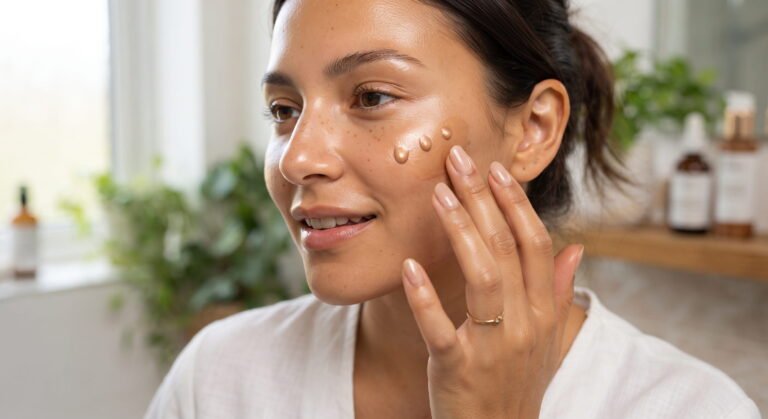
Proper application helps keep the skin moisturized and can make your skincare routine more comfortable.
Step 1: Clean the Skin
Wash the area gently with water and a mild cleanser if needed. Pat dry with a clean towel rather than rubbing aggressively.
Step 2: Apply a Suitable Amount
Take a small amount of cream and spread it over the affected area.
Follow the manufacturer’s recommended quantity and application instructions.
Step 3: Massage Gently
Use gentle circular movements to distribute the cream evenly.
Avoid vigorous massage, particularly if the skin is irritated, sensitive, or recently treated.
Step 4: Allow the Product to Absorb
Give the cream time to settle before putting on clothing.
Step 5: Maintain a Consistent Routine
Use the product according to its directions. Regular moisturizing can improve skin comfort, although it does not guarantee visible reduction in stretch marks.
Can Stretch Mark Cream Prevent Stretch Marks?
Many people begin using body creams during pregnancy, puberty, or periods of weight changes in the hope of preventing stretch marks.
Moisturizers can help reduce dryness and improve skin softness. However, there is no strong evidence that commonly marketed ingredients such as cocoa butter, vitamin E, or olive oil reliably prevent stretch marks.
Some research has explored centella asiatica and hyaluronic acid, but findings remain limited.
Stretch mark development is influenced by several factors, including genetics, hormones, and the degree of skin stretching. Therefore, prevention is not always possible.
Best Stretch Mark Cream for Different Skin Concerns
Different formulations may suit different skincare needs.
For Dry Skin
Choose a rich moisturizer containing shea butter, glycerin, or ceramides. These ingredients help reduce dryness and maintain softness.
For Sensitive Skin
Consider fragrance-free products with simple formulations. Avoid ingredients that have previously caused redness, itching, or allergic reactions.
For Pregnancy-Related Stretch Marks
Choose a gentle moisturizing product and discuss active ingredients with your obstetrician or dermatologist.
Avoid retinoid-containing products during pregnancy.
For Older Stretch Marks
Mature stretch marks are often white or silvery and may be more difficult to improve with topical products.
Moisturizers can improve the appearance of dry skin, but professional procedures may offer more noticeable cosmetic improvement.
For New Stretch Marks
Newer marks may respond better to certain treatments than older ones. A dermatologist can assess whether prescription tretinoin or another treatment is appropriate.
Stretch Mark Cream vs. Stretch Mark Oil
Both creams and oils are popular for body skincare, but they have different textures and formulations.
| Feature | Stretch Mark Cream | Stretch Mark Oil |
|---|---|---|
| Texture | Creamy or lotion-like | Usually lightweight or oily |
| Main purpose | Moisturizing and conditioning | Softening and reducing moisture loss |
| Absorption | Depends on formulation | Depends on the oil |
| Best suited for | People who prefer cream-based products | People who enjoy oil-based skincare |
| Stretch mark removal | Not guaranteed | Not scientifically established |
Neither option has been proven to completely remove stretch marks. Choose according to your skin’s comfort and moisturizing needs.
Professional Treatments for Stretch Marks
When creams do not provide the desired cosmetic improvement, a dermatologist may discuss professional options.
1. Tretinoin Treatment
Tretinoin is a prescription retinoid that may improve the appearance of some early stretch marks by influencing collagen production.
It can cause irritation and is not suitable during pregnancy.
2. Laser Therapy
Different laser technologies can target pigmentation, redness, or aspects of skin texture.
The appropriate type depends on the age and color of the marks and the patient’s skin tone.
Multiple sessions may be required, and results vary.
3. Microneedling
Microneedling uses fine needles to create controlled micro-injuries in the skin.
This process stimulates a wound-healing response and may improve the appearance of some stretch marks through collagen remodeling.
It should be performed by a qualified professional using appropriate equipment and infection-control practices.
4. Radiofrequency Microneedling
This treatment combines microneedling with radiofrequency energy delivered into the skin.
It may help improve the appearance and texture of selected stretch marks. Suitability depends on skin type, treatment settings, and medical assessment.
5. Chemical Peels
Certain chemical peeling treatments may help improve superficial skin texture and pigmentation.
Their effectiveness depends on the type and depth of the stretch marks. They should only be performed by appropriately trained professionals.
No procedure guarantees complete removal, and side effects such as pigmentation changes, redness, and scarring are possible.
How Long Does Stretch Mark Cream Take to Work?
There is no fixed timeline for visible improvement because results depend on the product, skin condition, and age of the marks.
Moisturizing ingredients may improve skin softness within days. However, changes in the appearance of stretch marks are less predictable and may take considerably longer.
Some prescription treatments for early marks have been studied over several months.
It is important to maintain realistic expectations. Most cosmetic creams cannot eliminate stretch marks, and older marks are generally more challenging to improve.
Common Mistakes to Avoid
When using body skincare products, avoid these common mistakes:
- Expecting complete removal of stretch marks
- Applying excessive amounts of cream
- Using multiple strong active ingredients without guidance
- Ignoring redness, itching, or irritation
- Using retinoids during pregnancy
- Trusting products that promise instant results
- Applying harsh scrubs to sensitive areas
- Purchasing products without checking their ingredients
A gentle, consistent routine is generally preferable to aggressive skincare methods.
When Should You Consult a Dermatologist?
Stretch marks are usually harmless and do not require medical treatment. However, professional assessment may be useful if:
- Stretch marks appear suddenly without an obvious reason.
- They are unusually wide, extensive, or rapidly increasing.
- You have been using corticosteroid creams for a prolonged period.
- You develop other unusual symptoms, such as easy bruising or muscle weakness.
- You want professional treatment for their appearance.
- A skincare product causes persistent irritation or an allergic reaction.
Large, unexplained stretch marks accompanied by other symptoms may occasionally indicate an underlying hormonal condition, such as Cushing’s syndrome.
Conclusion
The best stretch mark cream is one that suits your skin, provides comfortable hydration, and contains ingredients appropriate for your skincare needs. Hyaluronic acid, glycerin, shea butter, ceramides, and centella asiatica are popular ingredients worth understanding when choosing a body moisturizer.
However, it is important to remember that most over-the-counter creams cannot completely remove stretch marks or reliably prevent them. Newer marks may respond better to selected treatments, while mature marks can be more difficult to improve.
For more noticeable cosmetic results, professional options such as microneedling, laser therapy, and prescription treatments may be considered after a dermatologist’s assessment. A realistic approach and consistent skincare can help you maintain smoother, healthier-looking skin.
Frequently Asked Questions (FAQs)
1. What is the best cream for stretch marks?
A suitable cream may contain hyaluronic acid, glycerin, ceramides, or centella asiatica. These ingredients can support hydration and skin conditioning, although no over-the-counter cream is guaranteed to remove stretch marks.
2. Can stretch mark cream completely remove stretch marks?
No. Most creams cannot completely remove stretch marks because they involve changes in the deeper layer of the skin. Some treatments may make them less noticeable.
3. Does cocoa butter help with stretch marks?
Cocoa butter helps moisturize and soften the skin. However, research has not demonstrated that it reliably prevents or removes stretch marks.
4. Is stretch mark cream safe during pregnancy?
Many simple moisturizers are suitable for pregnancy, but ingredients should always be checked. Avoid retinoid-containing products during pregnancy and consult a healthcare professional before using active treatments.
5. How often should I apply stretch mark cream?
Follow the manufacturer’s instructions. Many moisturizing products can be applied once or twice daily, depending on their formulation and your skin’s needs.
6. Can stretch marks disappear naturally?
Stretch marks often become lighter and less noticeable over time. However, they usually do not disappear completely.
7. Does vitamin E remove stretch marks?
Vitamin E is commonly included in moisturizing products, but there is insufficient evidence that it removes stretch marks. It may also cause skin irritation or contact dermatitis in some people.
8. Are new stretch marks easier to treat?
Newer red, pink, or purple marks may respond better to certain treatments than older white or silvery marks. A dermatologist can recommend an appropriate option.
9. Which professional treatment works best for stretch marks?
Options include laser therapy, microneedling, radiofrequency treatments, and selected prescription creams. No single procedure works best for everyone, and results depend on the individual’s skin and stretch marks.
10. Can stretch marks be prevented with daily moisturizing?
Daily moisturizing can help keep the skin soft and comfortable, but it has not been proven to reliably prevent stretch marks. Genetics, hormones, and rapid changes in body size also influence their development.