8 Things To Know Before You Get Nail Tips
Introduction
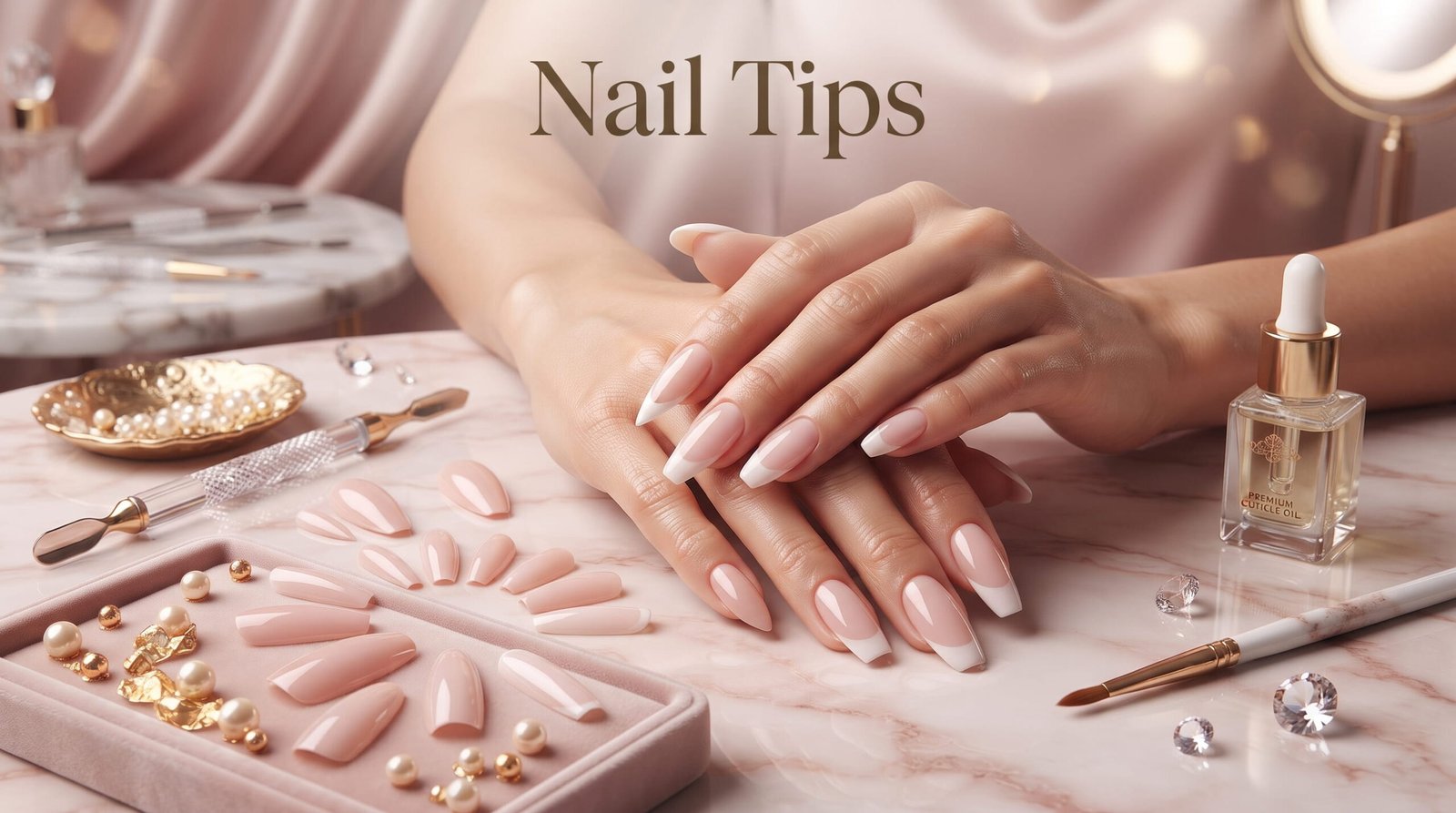
Long, beautifully shaped nails can make a manicure look more polished and stylish. However, not everyone has naturally long or strong nails. Nail tips offer a convenient way to add length, create different shapes, and experiment with attractive nail designs without waiting for natural nails to grow.
From classic French tips to colorful extensions and modern nail art, there are many ways to customize this manicure. Before booking an appointment or applying nail tips at home, it is important to understand the available options, application process, maintenance requirements, and possible effects on natural nails.
Whether you are trying nail extensions for the first time or looking for a fresh manicure idea, these eight important things can help you make a more informed choice.
What Are Nail Tips?
Nail tips are artificial extensions attached to the free edge of natural nails to create additional length. They are commonly made from plastic or similar lightweight materials and can be shaped, decorated, and covered with products such as acrylic or gel.
Unlike sculpted extensions, which are built using enhancement products, traditional nail tips are pre-shaped pieces attached to the natural nail. They can be used to create different lengths and styles, including square, almond, coffin, and stiletto nails.
Nail tips are available in professional salon systems as well as ready-to-wear press-on styles for home use.
8 Things To Know Before You Get Nail Tips
1. There Are Different Types of Nail Tips
Not all nail tips are the same. Understanding the main options can help you choose a style that suits your preferences and routine.
- Full-cover tips: Cover most or all of the natural nail surface and are commonly used for press-on manicures and soft gel extensions.
- Half-cover tips: Attach to the free edge of the natural nail and are often used with additional enhancement products.
- Press-on tips: Usually come ready-made in different lengths, shapes, and designs. They can be attached using adhesive tabs or nail glue.
- Acrylic-compatible tips: Designed to work with acrylic enhancement systems.
- Gel-compatible tips: Used with compatible gel products to create extensions.
- Natural-look tips: Have a clear or nude appearance, making them suitable for customized manicures.
- French-style tips: Feature a decorative white or colored edge for a classic manicure appearance.
- Decorative tips: Include ready-made patterns, glitter, colors, or nail art.
The correct choice depends on the application method, desired appearance, and condition of your natural nails.
2. Nail Shape Makes a Big Difference
The shape of your nail tips can completely change the appearance of your hands. Before choosing an extension, consider your preferred length, lifestyle, and personal style.
Popular nail shapes include:
- Square: Features straight edges and a flat tip for a clean, structured appearance.
- Round: Has softly curved edges and a rounded end, making it a practical everyday option.
- Oval: Creates an elongated appearance with gently curved sides.
- Almond: Narrows toward a soft point and gives nails an elegant look.
- Coffin: Has tapered sides and a flat end, making it popular for longer manicures.
- Stiletto: Features a dramatic pointed end for bold nail designs.
- Squoval: Combines the softness of a rounded shape with the straight edge of a square nail.
Shorter shapes are generally easier to manage during everyday activities, while longer extensions may require more care.
3. Your Natural Nail Condition Matters
Before applying nail tips, examine the condition of your natural nails. Healthy nails provide a better starting point for cosmetic enhancements.
If your nails are already weak, peeling, cracked, or unusually thin, extensions may increase the risk of further damage. Covering an existing nail problem with artificial products can also make it harder to notice changes.
Avoid applying nail tips over nails with suspected fungal infections, unexplained discoloration, pain, or inflammation. Consider consulting a dermatologist before getting extensions if you have an existing nail concern.
A good nail technician should assess your natural nails before beginning the service.
4. Application Requires Proper Preparation
Correct preparation is essential for a neat manicure and comfortable wear.
A typical nail-tip application may involve the following steps:
- Remove existing nail polish or artificial products.
- Clean the hands and natural nails.
- Gently shape the natural nail edge.
- Select tips that fit each nail without excessive pressure.
- Prepare the nail surface according to the product instructions.
- Apply a suitable adhesive or compatible enhancement product.
- Position the tip carefully and allow it to set.
- Trim and shape the extension.
- Apply the chosen finish or nail art.
Professional application is particularly useful for enhancement systems that require specialized products or curing equipment.
Avoid aggressive filing of the natural nail plate. Excessive preparation can make nails thinner and more vulnerable to breakage.
5. Nail Tips Need Regular Maintenance
Although nail tips can create an attractive manicure, they require care to maintain their appearance.
As natural nails grow, a visible gap develops near the cuticle area. Depending on the type of extension, you may need a replacement, refill, or removal.
Helpful maintenance habits include:
- Keep extensions at a manageable length.
- Avoid using your nails as tools.
- Wear gloves when washing dishes or handling cleaning products.
- Apply hand cream and cuticle moisturizer regularly.
- Avoid pulling or lifting loose extensions.
- Follow the recommended maintenance schedule.
- Have damaged extensions removed or repaired safely.
Never ignore a tip that has become loose or painful. Moisture trapped beneath a lifted artificial nail may contribute to nail problems.
6. Nail Tips Can Affect Natural Nail Health
Artificial nail products can sometimes cause problems, particularly when they are applied, maintained, or removed incorrectly.
Possible concerns include:
- Nail thinning from excessive filing.
- Peeling and brittleness.
- Nail separation from the nail bed.
- Skin irritation around the fingers.
- Allergic contact dermatitis from adhesive or enhancement ingredients.
- Infection when moisture or contamination becomes trapped beneath an extension.
Some nail adhesives contain cyanoacrylates, which can cause allergic reactions in susceptible individuals.
To reduce potential problems, choose a clean salon, avoid cutting the cuticles, and never forcefully remove artificial extensions. Give your natural nails time without enhancements if they become damaged.
7. Removal Is Just as Important as Application
Incorrect removal can damage the natural nail plate. Pulling, biting, or forcibly peeling nail tips away may remove layers of the natural nail.
The appropriate removal method depends on the type of tip and adhesive used.
For removable press-on nails, follow the manufacturer’s instructions. Some systems use adhesive tabs that can be removed more easily, while others require a specific removal process.
Professional nail enhancements may require soaking, filing, or other techniques depending on their material. Do not attempt to dissolve products with chemicals that are not intended for nail use.
After removal:
- Wash and dry your hands.
- Apply a moisturizing nail cream.
- Avoid aggressive buffing.
- Keep damaged nails short.
- Allow natural nails to recover before applying another enhancement.
If removal causes pain, bleeding, or significant nail separation, seek professional medical advice.
8. Choosing the Right Nail Salon Is Essential
A beautiful manicure should not come at the expense of nail health. Before booking an appointment, check that the salon follows appropriate hygiene practices.
Look for these signs:
- Workstations are clean and organized.
- Tools are properly cleaned and disinfected or sterilized as appropriate.
- Nail technicians wash their hands between clients.
- Single-use items are discarded after use.
- Products are clearly labeled.
- The salon has adequate ventilation.
- The technician explains the application and removal process.
You can also ask whether the technician has experience with the particular extension system you want.
A professional should never pressure you into a procedure that causes discomfort or requires excessive filing of your natural nails.
Popular Nail Tip Designs to Try
Once you understand the basics, you can explore different styles to create a manicure that matches your personality.
Classic French Tips
French tips feature a natural-looking base with a contrasting edge, traditionally white. They offer a timeless appearance suitable for everyday wear and special occasions.
Nude Nail Tips
Nude shades create a subtle, elegant manicure. They are available in beige, pink, caramel, and other tones that can complement different skin tones.
Glitter Nail Tips
Glitter extensions add sparkle and can be used for celebrations, parties, and festive occasions. You can choose a full glitter finish or use glitter only at the edges.
Ombre Nail Tips
Ombre designs blend two or more shades into a gradual color transition. Soft pink and white combinations are particularly popular for a delicate manicure.
Chrome Nail Tips
Chrome finishes create a reflective metallic appearance. Silver, rose gold, and pearl effects can make a simple manicure look more distinctive.
Floral Nail Tips
Floral patterns add a decorative touch and work well for spring-inspired or romantic manicures. Small flowers can be placed on one or several nails.
Nail Tips vs. Press-On Nails: What Is the Difference?
The terms nail tips and press-on nails are sometimes used interchangeably, but they can describe different products.
| Feature | Traditional nail tips | Press-on nails |
|---|---|---|
| Application | Usually attached as part of an enhancement service | Applied with nail glue or adhesive tabs |
| Customization | Often shaped and finished by a technician | Available in ready-made designs |
| Additional products | May require gel or acrylic products | Usually do not require additional enhancement layers |
| Removal | Depends on the enhancement system | Depends on the adhesive and product instructions |
| Appearance | Can be customized extensively | Available in many pre-designed styles |
The best option depends on how much customization you want and how comfortable you are with application and removal.
How Long Do Nail Tips Last?
The lifespan of nail tips varies according to the product, adhesive, application technique, and daily activities.
Some press-on styles are intended for short-term wear, while professionally applied extensions may remain in place for several weeks with appropriate maintenance.
There is no single wear time that applies to every nail system. Follow the product instructions and have extensions checked if they become loose, uncomfortable, or damaged.
Can You Apply Nail Tips at Home?
Yes. Many press-on nail systems are designed for home application. They are available in different sizes, shapes, lengths, and designs.
For better results, choose tips that fit each natural nail properly. Clean and dry your hands, follow the adhesive instructions, and avoid forcing a tip that does not fit.
More complex acrylic and gel extension systems are better handled by trained nail technicians because incorrect application can cause damage or skin reactions.
Conclusion
Nail tips are a versatile way to add length, experiment with different shapes, and create attractive manicures. From classic French designs to modern chrome and glitter styles, there are options for almost every preference.
Before getting extensions, consider your natural nail condition, the type of tips you want, application quality, maintenance, and removal method. Choosing a hygienic salon and avoiding aggressive nail preparation can help reduce potential damage.
With suitable products and careful aftercare, you can enjoy a stylish manicure while giving your natural nails the attention they need.
Frequently Asked Questions
1. What are nail tips used for?
Nail tips are artificial extensions attached to natural nails to add length and create different shapes. They can also be decorated with polish, gel, acrylic, and nail art.
2. Are nail tips the same as acrylic nails?
No. Nail tips are pre-shaped extensions, while acrylic is an enhancement material. A technician may attach tips and then apply acrylic over them to create longer nails.
3. How long do nail tips last?
Their lifespan depends on the type of product, adhesive, application, and maintenance. Some press-on tips are intended for short-term use, while professional extensions may last several weeks.
4. Do nail tips damage natural nails?
They can contribute to thinning, peeling, or breakage, particularly when applied or removed incorrectly. Excessive filing and forceful removal increase the risk of damage.
5. Can I apply nail tips at home?
Yes. Press-on nail tips are generally suitable for home use when the manufacturer’s instructions are followed. More complex gel and acrylic systems are better handled by trained professionals.
6. Which nail tip shape is best for everyday use?
Round, oval, square, and squoval shapes are popular practical options. Shorter extensions are often easier to manage during everyday activities.
7. Can I paint nail tips with regular nail polish?
Yes. Many artificial tips can be decorated with regular nail polish, depending on their material and surface. Follow the product instructions for the best results.
8. How should I remove nail tips safely?
Use the removal method recommended for the specific product. Avoid pulling or peeling extensions off because this can remove layers of the natural nail and cause damage.