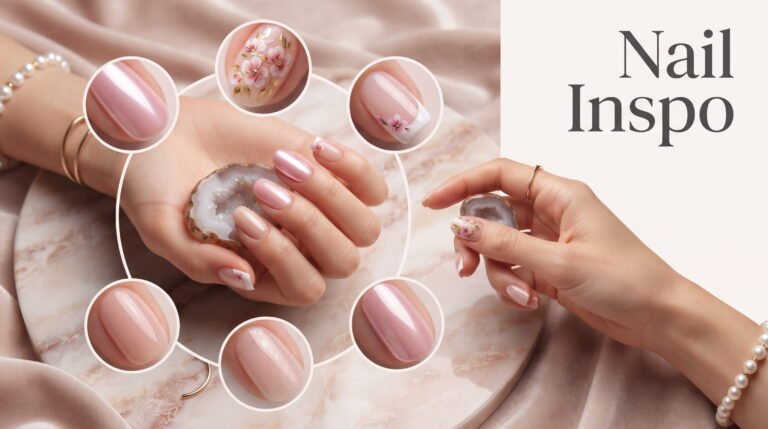
Gel Nails: Complete Guide to Benefits, Removal, and Nail Care
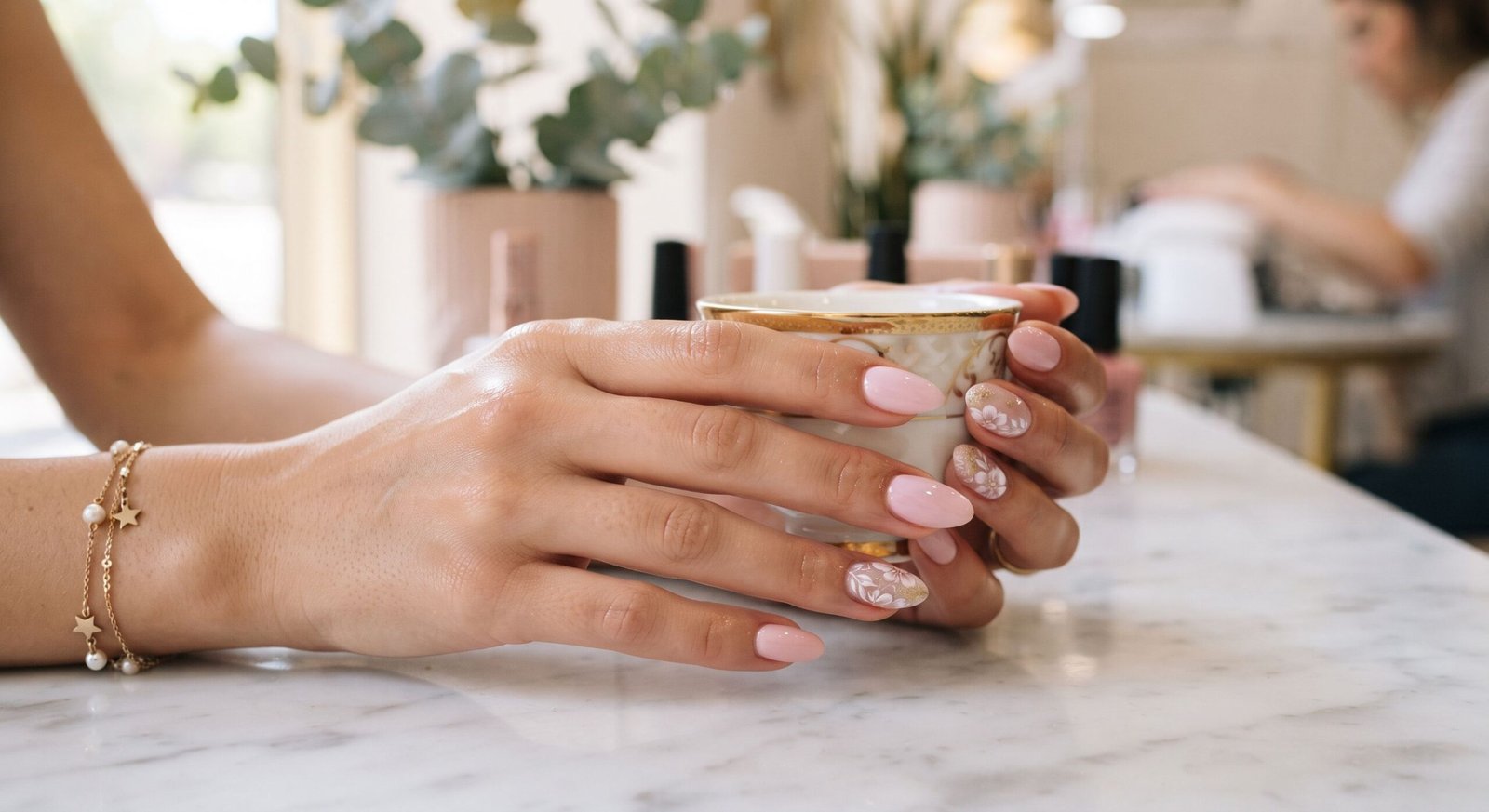
Gel nails have become one of the most popular choices for people who want a polished, glossy, and long-lasting manicure. Unlike traditional nail polish, gel products are cured under a special lamp, creating a durable finish that can stay attractive for considerably longer.
From simple nude colors to detailed nail art, gel nails offer countless styling possibilities. However, getting beautiful nails should not come at the expense of natural nail health. Repeated gel manicures, improper removal, aggressive filing, or excessive exposure to curing lamps can contribute to nail problems.
Understanding how gel nails work, how they differ from other manicure options, and how to care for your natural nails can help you enjoy gel manicures more safely.
What Are Gel Nails?
Gel nails are created using a gel-based nail product that is applied to the natural nail and then hardened, or cured, using a UV or LED lamp.
The curing process turns the liquid gel into a firm coating that adheres to the nail. This gives gel manicures their characteristic glossy finish and durability.
Gel nails may be used for:
- A simple one-color manicure
- French manicures
- Nail extensions
- Nail art
- Short or long nail designs
- Special-event manicures
- Everyday polished looks
Gel products can vary considerably, so the application and removal process depends on the specific type being used.
Why Are Gel Nails So Popular?
One of the biggest reasons people choose gel nails is their combination of appearance and durability.
Long-Lasting Finish
Gel polish generally stays looking fresh longer than conventional nail polish when properly applied and maintained.
Glossy Appearance
Gel products can create a smooth, high-shine finish that makes nails look professionally manicured.
Less Drying Time
Traditional nail polish needs time to air-dry, while gel polish is cured under a lamp, allowing the manicure to harden quickly.
Variety of Designs
Gel nails can be used to create almost any style, from minimal nude nails to elaborate designs featuring glitter, patterns, French tips, and decorative elements.
Gel Nails vs. Traditional Nail Polish
The main difference is how the product dries.
Traditional nail polish dries through evaporation, while gel polish requires curing under a lamp.
| Feature | Gel Nails | Traditional Polish |
| Curing | UV or LED lamp | Air drying |
| Finish | Usually very glossy | Varies |
| Durability | Generally longer-lasting | Usually shorter-lasting |
| Removal | Often requires soaking or specific removal | Usually easier |
| Nail damage risk | Possible with frequent use or improper removal | Generally lower |
| Design options | Extensive | Extensive |
Neither option is automatically perfect for everyone. Your choice can depend on how long you want the manicure to last and how your natural nails respond to the products.
Types of Gel Nails
The term “gel nails” can describe several different services.
Gel Polish
Gel polish is applied over the natural nail in thin layers and cured under a lamp. It provides color and shine without necessarily adding significant length.
Hard Gel
Hard gel is a stronger material that can be used to create structure and length. Unlike many soak-off gel products, hard gel may require filing for removal.
Soft Gel
Soft gel products are generally designed to be more flexible and may be removable by soaking, depending on the formulation.
Gel Extensions
Gel extensions can add length and shape to natural nails. They are popular for people who want longer nails without traditional acrylic systems.
Because products and techniques vary, it is important to ask your nail technician what type of gel system they are using.
How Are Gel Nails Applied?
A typical gel manicure involves several steps.
Step 1: Nail Preparation
The nails are cleaned and shaped. The technician may gently prepare the nail surface so the gel can adhere properly.
Step 2: Base Layer
A thin base product is applied to the nail.
Step 3: Curing
The nail is placed under a UV or LED curing lamp for the recommended amount of time.
Step 4: Gel Color
One or more thin layers of gel color are applied.
Each layer is cured before the next one is added.
Step 5: Top Coat
A gel top coat is applied to protect the color and provide shine.
Step 6: Final Curing
The final layer is cured, completing the manicure.
The exact process can vary depending on the gel system and salon.
Are Gel Nails Safe?
Gel nails can be used safely by many people, but they are not completely risk-free.
Repeated gel manicures may contribute to brittleness, peeling, and cracking of natural nails. The American Academy of Dermatology also notes that repeated exposure to UV light during gel manicures can contribute to premature skin aging and increase skin-cancer risk on the hands.
The risks may be greater when:
- The natural nail is aggressively filed
- Gel is peeled off
- Products are improperly removed
- Cuticles are aggressively cut
- Manicures are performed continuously without breaks
- The skin is repeatedly exposed to curing light
This does not mean everyone needs to avoid gel nails. Instead, proper application, removal, and nail care are important.
How to Protect Your Natural Nails
If you enjoy gel manicures, a few habits can help minimize potential damage.
Avoid Peeling Off Gel Polish
One of the most damaging habits is peeling or picking gel polish from the natural nail.
Doing so can remove layers of the natural nail and leave it weak or rough.
Don’t Over-File the Natural Nail
The natural nail should not be excessively filed simply to make gel products adhere.
Aggressive filing can thin the nail and make it more vulnerable to breakage.
Take Breaks When Needed
If your nails become thin, brittle, peeling, or damaged, consider taking a break from gel manicures.
The AAD recommends reserving artificial nails for special occasions when possible, allowing natural nails time without repeated treatments.
Moisturize Regularly
Apply moisturizer to your hands, nails, and surrounding skin. Cuticle oil can also help keep the surrounding skin comfortable.
Gel Nails and UV Exposure
Gel products need light to cure. Depending on the system, this may involve UV or LED curing technology.
LED lamps can cure gel products quickly and generally expose the hands to less UV radiation than traditional UV curing lamps, although they still emit some UV radiation.
If you receive gel manicures regularly, consider discussing protective measures with your nail technician. The AAD recommends options such as applying a broad-spectrum, water-resistant sunscreen to the hands before a gel manicure or wearing dark, opaque fingerless gloves during curing.
How to Remove Gel Nails Safely
Removal is just as important as application.
Do not peel gel polish away from the nail. Depending on the product, gel polish may be removed by soaking in acetone or by professional filing.
A safer approach is to follow the removal instructions for the specific gel system.
Basic Removal Principles
- Do not forcefully scrape the nail.
- Do not peel the gel away.
- Avoid excessive filing of the natural nail.
- Use the recommended removal method.
- Consider professional removal when unsure.
If your natural nails are already weak or damaged, aggressive removal can make the problem worse.
Gel Nails and Cuticles
Cuticles are not simply unwanted skin. They help protect the area around the nail from infection.
The AAD recommends asking your nail technician to skip cuticle trimming because cutting cuticles can make it easier for bacteria and other germs to enter the surrounding skin.
Instead of cutting them aggressively, keep the area moisturized and gently maintained.
Signs That Your Nails Need a Break
Pay attention to changes in your natural nails.
Consider taking a break from gel manicures if you notice:
- Peeling nails
- Excessive brittleness
- Cracking
- Significant thinning
- Pain
- Nail discoloration
- Nail lifting
- Persistent sensitivity
Covering damaged nails with another artificial coating may sometimes make existing problems worse.
Gel Nails for Short Nails
You do not need extremely long nails to enjoy gel manicures.
Short gel nails can look elegant and practical. Popular styles include:
- Short nude gel nails
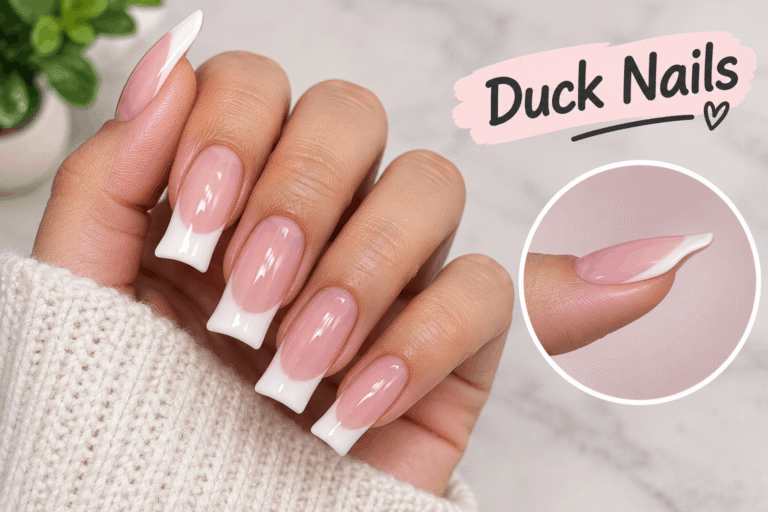
- French tips
- Soft pink gel nails
- Minimal nail art
- Square-shaped gel nails
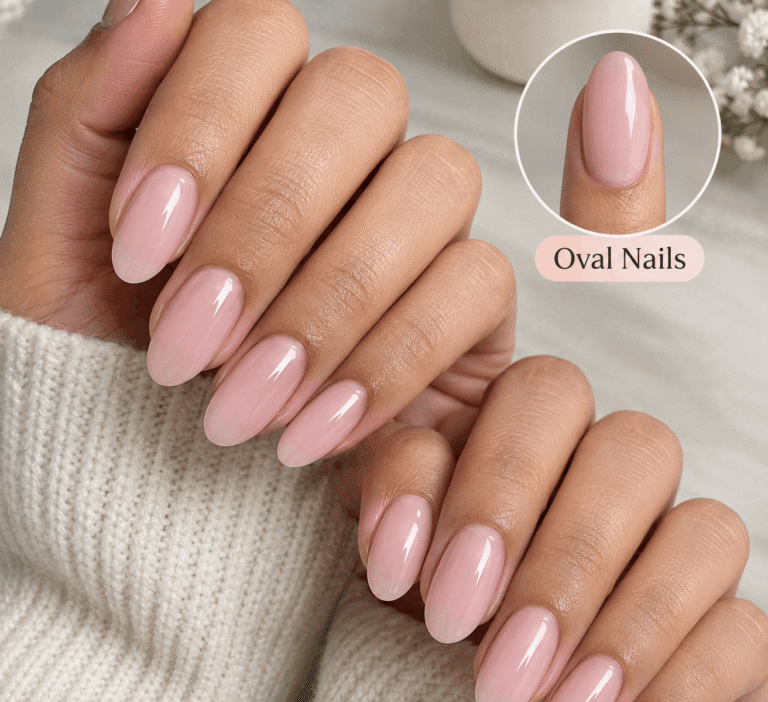
- Short almond shapes
- Glossy neutral colors
Shorter nails may also be easier to maintain for people who work with their hands frequently.
Popular Gel Nail Styles
Gel nails provide plenty of opportunities for creativity.
Nude Gel Nails
Neutral shades offer a clean and understated appearance and can work well for everyday wear.
French Gel Nails
French tips remain a classic choice and can be adapted with different colors and shapes.
Chrome Gel Nails
Chrome finishes create a reflective metallic effect and can provide a more dramatic look.
Glitter Gel Nails
Glitter can be applied to the entire nail or used as an accent.
Minimal Gel Nail Art
Small dots, lines, flowers, stars, and geometric details can create stylish designs without making the manicure look overly busy.
How to Make Gel Nails Last Longer
Proper aftercare can help maintain your manicure.
Avoid using your nails as tools to open packages, scrape surfaces, or pry objects apart.
Wear gloves when doing household cleaning or washing dishes for extended periods. Excessive exposure to water and cleaning chemicals can affect both the nails and surrounding skin.
Also avoid picking at lifted gel. If the manicure begins to lift significantly, professional removal is preferable to pulling it off yourself.
Gel Nails vs. Acrylic Nails
Gel and acrylic nails can both create durable manicures and extensions, but they use different materials and application systems.
According to the AAD, soak-off gel nails can be more flexible than acrylic nails, potentially making them less likely to crack the natural nail. However, gel nails can still cause brittleness, peeling, and cracking.
The best option depends on your nail condition, desired length, lifestyle, and how frequently you plan to maintain the manicure.
When Should You Avoid Gel Nails?
If your natural nails are already damaged, infected, severely brittle, or painful, covering them with gel may not be the best choice.
It is better to determine the cause of the nail problem first.
You should also be cautious if you have previously developed a reaction to nail products. Nail-product allergies can cause redness, swelling, itching, or irritation around the fingers and sometimes other areas that come into contact with the product.
A dermatologist can help evaluate persistent nail or skin reactions.
When to See a Dermatologist
Not every nail change is caused by gel manicures. Persistent or unusual changes may have other causes.
See a dermatologist if you notice:
- Persistent nail discoloration
- Nail separation
- Significant thickening
- Pain or swelling
- Repeated infections
- Severe nail brittleness
- A new dark streak
- Unexplained changes in nail shape or texture
A dermatologist can determine whether the problem is related to nail products, trauma, infection, inflammation, or another condition.
Final Thoughts
Gel nails offer a convenient way to achieve a glossy, durable, and stylish manicure. They are available in countless colors and designs and can be especially appealing for people who want their manicure to remain attractive for longer.
However, beautiful nails should not come at the cost of natural nail health. Repeated gel manicures, aggressive filing, peeling, improper removal, and repeated UV exposure can contribute to nail and skin problems.
If you enjoy gel manicures, focus on gentle application and removal, avoid cutting the cuticles, moisturize regularly, and give your natural nails a break when they show signs of damage. With the right care, you can enjoy gel nail designs while keeping your natural nails in better condition.
FAQs About Gel Nails
1. How long do gel nails last?
Gel manicures can remain attractive for several weeks, although the exact duration depends on nail growth, the product used, and daily activities.
2. Do gel nails damage natural nails?
Gel manicures can contribute to brittleness, peeling, and cracking, particularly with repeated use or improper application and removal.
3. Are gel nails better than acrylic nails?
Neither is universally better. Soak-off gel systems can be more flexible than acrylics, but gel manicures can still cause nail damage.
4. Can I peel off gel nail polish?
No. Peeling can remove layers of the natural nail and increase damage. Use the appropriate removal method instead.
5. Are LED lamps safer than UV lamps for gel nails?
LED curing lamps generally cure gel products faster and emit lower levels of UV radiation than traditional UV curing lamps, but they still expose the hands to UV radiation.
6. How can I protect my hands during gel manicures?
You can consider applying a broad-spectrum, water-resistant sunscreen to your hands before the manicure or using dark, opaque fingerless gloves during curing.
7. Should I cut my cuticles before gel nails?
It is generally better not to have the cuticles aggressively cut. Cuticles help protect the nail area from infection.
8. Can short nails have gel polish?
Yes. Gel polish works well on short natural nails and can make them look neat, glossy, and polished.
9. Why are my nails peeling after gel removal?
Peeling can result from nail trauma, aggressive filing, picking or peeling off the product, or repeated gel treatments. Giving the nails a break and using gentle nail care may help.
10. When should I stop getting gel manicures?
If your nails become painful, severely brittle, thin, peeling, discolored, or otherwise damaged, stop covering them and consider having the problem evaluated by a dermatologist.