How to Get Rid of Blackheads: Effective Tips for Clearer Skin

Blackheads are one of the most common types of acne and can appear even when the rest of your skin looks relatively clear. They are especially common around the nose, forehead, chin, and other areas where oil production is higher. Although blackheads may look like tiny dark spots or dirt trapped inside the pores, they are actually a type of clogged pore called an open comedone.
The good news is that blackheads can usually be managed with a consistent skincare routine and the right acne-fighting ingredients. Understanding what causes them is the first step toward learning how to get rid of blackheads safely and effectively.
What Are Blackheads?
Blackheads develop when oil and dead skin cells accumulate inside a pore. Unlike a whitehead, the opening of a blackhead remains open. When the material inside the pore comes into contact with oxygen, it undergoes a chemical reaction that causes the dark appearance.
The black color is therefore not simply dirt. Scrubbing the skin aggressively to remove it can actually irritate the skin and make breakouts worse.
Blackheads are considered a type of acne, along with whiteheads, pimples, nodules, and cysts.
What Causes Blackheads?
Several factors can contribute to clogged pores and blackheads.
Excess Oil
When the skin produces excess sebum, oil can mix with dead skin cells and accumulate inside pores. This can create the conditions needed for blackheads.
Dead Skin Cells
Your skin naturally sheds dead cells. When these cells combine with excess oil and become trapped inside a pore, a comedone can form.
Pore-Clogging Products
Some skincare, makeup, and hair products can contribute to clogged pores. If you frequently develop small bumps or blackheads around the forehead and hairline, hair products may be contributing to the problem.
Choosing products labeled oil-free, non-comedogenic, or won’t clog pores can help reduce the chance of product-related breakouts.
Hormonal Changes
Hormonal changes can increase oil production and contribute to acne in teenagers and adults. Some people may notice more breakouts during particular stages of their menstrual cycle.
How to Get Rid of Blackheads
Getting rid of blackheads is usually not about finding one magical product. A consistent routine is more effective.
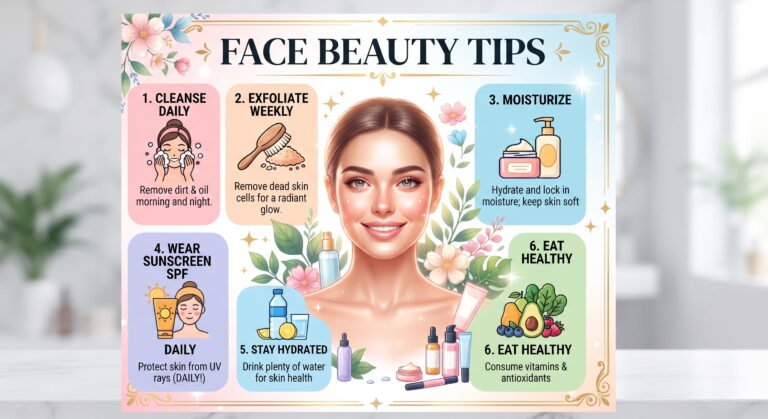
1. Use a Gentle Cleanser
Start with a gentle cleanser that removes excess oil, makeup, sunscreen, and daily buildup without aggressively stripping the skin.
Wash your face gently rather than scrubbing it with rough brushes or exfoliating tools.
Over-cleansing can irritate the skin and potentially make acne management more difficult. Dermatologists generally recommend gentle skincare for acne-prone skin.
2. Try Salicylic Acid
Salicylic acid is one of the most useful ingredients for blackheads.
It helps unclog pores and exfoliate the skin, making it particularly useful for blackheads and whiteheads. It is available in products such as cleansers, lotions, and other topical treatments.
If you are new to salicylic acid, begin gradually and follow the product instructions. Using too much too frequently can cause dryness and irritation.
3. Consider Adapalene
Adapalene is a topical retinoid that can help unclog pores and treat blackheads, whiteheads, and some pimples. It is available without a prescription in some countries and is an established acne treatment.
Retinoids work by helping prevent pores from becoming clogged. They can be particularly useful when blackheads keep returning.
Because retinoids can initially cause dryness or irritation, introduce them gradually and use moisturizer as needed.
Important: If you are pregnant or trying to become pregnant, speak with a healthcare professional before using acne treatments containing retinoids.
4. Moisturize Your Skin
It may seem unnecessary to moisturize oily or blackhead-prone skin, but skipping moisturizer can leave the skin dry and uncomfortable.
Choose a lightweight, non-comedogenic moisturizer that does not feel excessively greasy.
A healthy skin barrier makes it easier to maintain a consistent acne routine without excessive irritation.
5. Use Non-Comedogenic Sunscreen
Daily sun protection is important, including for acne-prone skin.
Look for a broad-spectrum sunscreen labeled non-comedogenic or won’t clog pores. This can help you protect your skin while reducing the chance that your sunscreen contributes to clogged pores.
Should You Squeeze Blackheads?
It can be tempting to squeeze a blackhead when you see it in the mirror, but this is generally not a good idea.
Squeezing or picking can:
- Irritate the skin
- Cause inflammation
- Introduce bacteria
- Damage surrounding tissue
- Increase the risk of scarring
The American Academy of Dermatology specifically recommends treating blackheads rather than squeezing them because picking can lead to infection or permanent scarring.
If you have stubborn blackheads, professional extraction performed by an appropriately trained professional may be a safer option than repeatedly squeezing them yourself.
Can Pore Strips Remove Blackheads?
Pore strips may temporarily remove some material from the surface of clogged pores, but they do not address the underlying tendency of pores to become clogged.
They also do not provide the same long-term approach as ingredients designed to unclog pores.
For recurring blackheads, a consistent skincare routine containing an appropriate acne treatment is generally more useful than relying on occasional pore strips.
Do Blackhead Scrubs Work?
Physical scrubs may make the skin feel temporarily smoother, but aggressive scrubbing is not the best way to treat blackheads.
Scrubbing too hard can cause irritation and inflammation. Dermatologists recommend gentle skincare rather than trying to physically scrub acne away.
If you want exfoliation, a product containing an appropriate chemical exfoliant such as salicylic acid may be more useful for clogged pores.
Can Home Remedies Get Rid of Blackheads?
Many home remedies for blackheads are popular online, including toothpaste, lemon juice, baking soda, and harsh scrubbing techniques.
These approaches are not recommended.
For example, dermatologists specifically advise against using toothpaste as an acne treatment. Proven acne ingredients such as salicylic acid and adapalene are more appropriate choices.
Natural does not automatically mean gentle or safe for facial skin.
How to Prevent Blackheads
Once you have improved existing blackheads, prevention becomes important.
Keep Your Routine Simple
A complicated routine containing numerous exfoliants and active ingredients may irritate the skin.
A basic routine can include:
Morning:
- Gentle cleanser
- Lightweight moisturizer
- Non-comedogenic sunscreen
Evening:
- Gentle cleanser
- Appropriate blackhead treatment
- Moisturizer
Introduce new products gradually rather than starting several acne treatments at the same time.
Choose Non-Comedogenic Products
Check your makeup, moisturizer, sunscreen, and hair products for labels such as:
- Non-comedogenic
- Oil-free
- Won’t clog pores
- Non-acnegenic
This is particularly useful if you notice breakouts after introducing a new cosmetic or hair product.
Keep Hair Products Away From Your Face
Hair oils, pomades, conditioners, styling products, and other oily products can sometimes contribute to clogged pores around the forehead and hairline.
If blackheads or small bumps consistently appear around your hairline, review the products that come into contact with that area.
Avoid Picking
One of the simplest prevention tips is also one of the most important: leave blackheads alone.
Repeated squeezing can cause inflammation and increase the risk of scarring.
How Long Does It Take to Get Rid of Blackheads?
Blackheads rarely disappear permanently overnight.
Acne treatments need time to work. The AAD notes that people often need at least several weeks to see improvement, with clearer skin potentially taking several months depending on the severity and treatment used.
Consistency is therefore more important than constantly switching products.
Using a new treatment every few days can irritate the skin and make it harder to determine what actually works.
Blackheads on the Nose
The nose is one of the most common places to notice blackheads because it contains many oil-producing pores.
However, not every tiny dark or gray dot on the nose is necessarily a blackhead. Some may be sebaceous filaments, which are normal structures that help move oil through the pore.
Sebaceous filaments can look similar to blackheads but are a normal part of skin anatomy and tend to refill after being removed.
If you are unsure whether the spots on your nose are blackheads or sebaceous filaments, a dermatologist can help identify them.
Blackheads and Darker Skin Tones
People with darker skin can develop post-inflammatory hyperpigmentation after acne or skin irritation. This means that aggressive squeezing, picking, or harsh exfoliation can potentially leave dark marks after a breakout heals.
For this reason, gentle treatment is especially important.
Avoid trying to physically force blackheads out of the skin. Instead, use evidence-based acne treatments consistently and avoid unnecessary irritation.
When Should You See a Dermatologist?
Over-the-counter products can work well for many people with mild blackheads. However, professional help may be appropriate if:
- Blackheads are widespread
- They keep returning despite consistent treatment
- You develop painful pimples or cysts
- Acne is leaving scars
- Dark marks are developing after breakouts
- Your skin becomes severely irritated
- You are unsure whether the bumps are actually blackheads
Dermatologists can determine the type of acne you have and develop an appropriate treatment plan.
Final Thoughts
Learning how to get rid of blackheads starts with understanding that they are clogged pores, not simply dirt that needs to be scrubbed away. The most effective approach is usually gentle and consistent.
Salicylic acid can help unclog pores, while topical retinoids such as adapalene can help prevent pores from becoming clogged. Non-comedogenic skincare, regular moisturizing, sun protection, and avoiding picking can also support clearer skin.
Most importantly, give your skincare routine enough time to work. If blackheads persist or become part of more severe acne, a dermatologist can provide stronger and more personalized treatment.
FAQs About How to Get Rid of Blackheads
1. What is the fastest way to get rid of blackheads?
There is no reliable overnight cure. Salicylic acid and topical retinoids can help unclog pores, but consistent use over several weeks is usually necessary to see meaningful improvement.
2. Does salicylic acid remove blackheads?
Yes. Salicylic acid helps unclog pores and exfoliate the skin, making it particularly useful for blackheads and whiteheads.
3. Should I squeeze my blackheads?
No. Squeezing can irritate the skin and increase the risk of infection and scarring.
4. Can toothpaste remove blackheads?
Toothpaste is not recommended for treating blackheads or acne. It can irritate facial skin. Proven acne ingredients such as salicylic acid or adapalene are better choices.
5. How often should I exfoliate blackhead-prone skin?
There is no universal schedule. Avoid aggressive physical exfoliation and follow the directions for your chosen acne product. Excessive exfoliation can cause irritation.
6. Can moisturizer cause blackheads?
Some products may contribute to clogged pores, particularly if they are not suitable for acne-prone skin. Choosing a non-comedogenic moisturizer can help reduce this concern.
7. Why do blackheads keep coming back?
Blackheads can return because pores naturally produce oil and shed skin cells. A consistent maintenance routine can help prevent recurring clogged pores.
8. Are blackheads caused by dirt?
No. The dark appearance develops when the material inside an open pore reacts with oxygen. Blackheads are not simply dirt trapped in the skin.
9. Can blackheads disappear naturally?
Some may improve over time, but treatment can help clear existing blackheads and prevent new ones. Dermatologists recommend evidence-based acne treatments rather than waiting indefinitely.
10. When should I see a dermatologist for blackheads?
See a dermatologist if blackheads are persistent, widespread, associated with painful acne, causing scars or dark marks, or not improving after consistent over-the-counter treatment.