
Laser Hair Removal: Guide to Longer-Lasting Hair Reduction
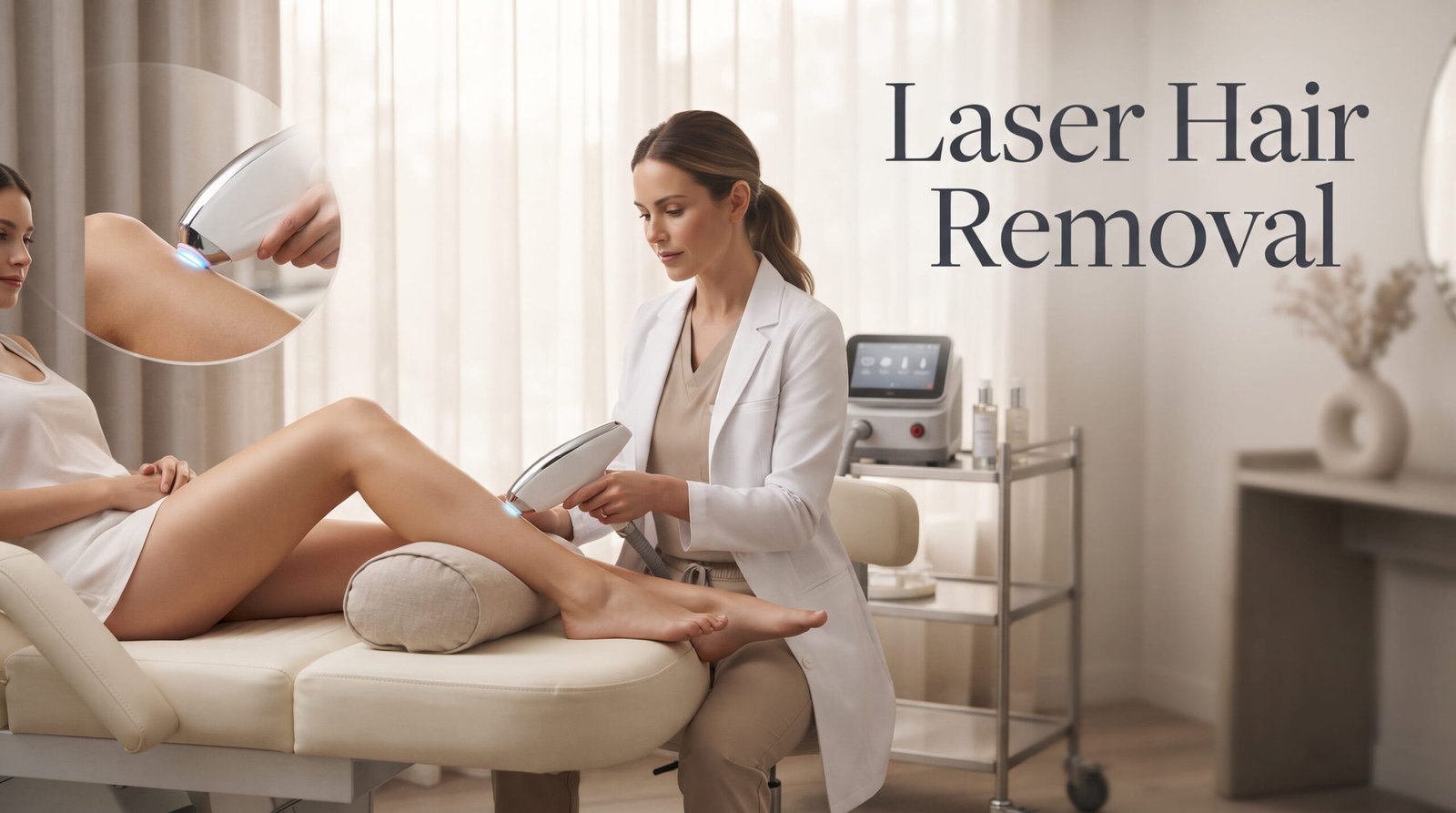
Introduction
Unwanted hair is a normal part of the body, but removing it repeatedly can become frustrating. Shaving may leave stubble within days, waxing can be uncomfortable, and depilatory creams are not suitable for everyone. This is one reason laser hair removal has become a popular option for people who want longer-lasting hair reduction.
Laser hair removal uses concentrated light energy to target hair follicles. The energy is absorbed mainly by pigment in the hair, producing heat that can interfere with the follicle’s ability to produce new hair. Because hair grows through different stages, several treatment sessions are usually needed rather than one appointment.
The procedure can be performed on areas such as the face, underarms, legs, arms, bikini area, back, chest and abdomen. Results vary according to hair color, skin tone, hormones, treatment area and the type of laser used.
This guide explains how laser hair removal works, what happens during treatment, how many sessions may be required, possible side effects, preparation, aftercare and what you can realistically expect from the procedure.
What Is Laser Hair Removal?
Laser hair removal is a cosmetic procedure designed to reduce unwanted hair by delivering controlled light energy to the hair follicle.
The laser is attracted to pigment within the hair. When the energy reaches the follicle, it creates heat that can damage structures responsible for hair growth. The follicle may then produce hair more slowly, more lightly or not as effectively as before.
Laser treatment should not be confused with shaving or waxing. Those methods physically remove hair from the surface or root, while laser treatment works by targeting the follicle itself.
The goal is generally long-term hair reduction, not a guarantee that every treated hair will disappear permanently.
How Does Laser Hair Removal Work?
Hair does not grow continuously at the same rate. Each follicle moves through different stages of its growth cycle.
Laser treatment is most effective when the hair is in an active growth phase because the follicle contains a suitable target for the laser energy. Since different follicles are active at different times, one session cannot effectively treat every hair follicle.
During treatment, a laser device delivers pulses of energy to the selected area. The surrounding skin is protected as much as possible through appropriate settings and, depending on the device, cooling technology.
After several sessions, many people notice:
- Slower hair growth
- Finer regrowth
- Less dense hair
- Longer periods between hair-removal sessions
- Reduced dependence on shaving or waxing
Which Areas Can Be Treated?
Laser hair removal can be used on many parts of the body.
Common treatment areas include:
Face
The upper lip, chin, jawline and sideburn areas are frequently treated. Facial hair can be influenced by hormones, so maintenance sessions may sometimes be necessary.
Underarms
Underarms are a popular treatment area because hair can grow quickly and shaving may cause irritation or razor bumps.
Legs
Laser treatment can cover large areas of the legs, making it attractive for people who regularly shave or wax.
Bikini Area
The bikini line and other external areas can be treated depending on the clinic’s protocols and the device being used.
Back and Chest
These areas are commonly treated in people who experience significant unwanted body hair.
Arms
The forearms and upper arms may also be treated when appropriate.
A qualified professional should determine whether the selected area is suitable for treatment.
Is Laser Hair Removal Permanent?
Laser hair removal should generally be described as long-term hair reduction, rather than guaranteed permanent hair removal.
Some treated follicles may stop producing visible hair for a long time. Other follicles may eventually produce new growth, particularly when hormonal factors are involved.
Maintenance treatments can help manage regrowth.
The outcome also depends on factors such as:
- Hair thickness
- Hair color
- Skin tone
- Hormonal activity
- Treatment area
- Laser technology
- Treatment settings
- Number of completed sessions
How Many Sessions Are Usually Needed?
There is no single number that works for everyone.
Many people require a series of treatments spaced several weeks apart. The exact schedule depends on the body area, hair-growth cycle, device and individual response.
Some people notice changes after the first few treatments, but more noticeable reduction usually develops gradually.
Stopping treatment after only one session may not produce the result a person expects because untreated follicles can continue entering their active growth phase.
Does Laser Hair Removal Hurt?
Comfort varies from person to person.
Some people describe the sensation as a quick snapping or pinching feeling. Others compare it to the warmth of a rubber band against the skin.
Modern systems may include cooling mechanisms that make treatment more comfortable.
Sensitivity can also depend on:
- Treatment area
- Hair thickness
- Individual pain tolerance
- Laser settings
- Skin condition
- Hormonal changes
The procedure is generally brief, although larger areas naturally take longer.
Who Is a Good Candidate?
Laser hair removal can be appropriate for many adults who want to reduce unwanted hair.
However, suitability should be evaluated individually. The strongest traditional response is often seen when there is a noticeable difference between skin tone and hair pigment.
Modern laser technologies have expanded treatment options for a wider range of skin tones, but the choice of device and settings becomes particularly important for darker skin.
A professional assessment can help determine:
- Whether treatment is appropriate
- Which laser technology may be suitable
- What settings should be considered
- How many sessions may be required
- What risks are relevant to the individual’s skin
Can Dark Skin Be Treated?
Yes, people with darker skin can undergo laser hair removal, but treatment requires careful technique.
Certain laser systems, particularly long-pulsed Nd:YAG technology, may be preferred in some patients with darker skin because the wavelength can provide a different balance between targeting hair and limiting unwanted absorption by the surrounding skin.
Incorrect settings or inappropriate equipment can increase the risk of burns or pigmentation changes.
For this reason, people with darker skin should choose a provider experienced in treating their specific skin tone rather than selecting a clinic based only on price.
What About Blonde, Red or Gray Hair?
Laser hair removal relies heavily on pigment within the hair.
Dark brown or black hair often responds more readily because it provides a stronger target for the laser.
Very light blonde, white or gray hair may respond poorly because it contains little pigment. Red hair can also be more difficult to treat depending on its pigment characteristics.
A consultation before treatment can provide a more realistic expectation of the likely response.
Laser Hair Removal vs. Waxing
Waxing removes hair from the root, but the follicle itself remains capable of producing new hair.
Laser treatment attempts to affect the follicle so that future hair growth is reduced.
Waxing
- Immediate hair removal
- Results last for weeks
- Requires repeated appointments
- Can cause discomfort
- May contribute to ingrown hairs in some people
Laser Hair Removal
- Requires multiple sessions
- Produces gradual reduction
- Can reduce future hair growth
- Usually requires occasional maintenance
- May provide a longer-lasting result than temporary hair-removal methods
Laser treatment usually requires a greater initial investment, but people who spend years waxing may eventually find the convenience valuable.
How Should You Prepare?
Preparation can influence both safety and treatment effectiveness.
Before a session, a provider may recommend:
- Avoiding waxing and plucking for a period before treatment
- Shaving the treatment area according to clinic instructions
- Avoiding excessive sun exposure
- Avoiding tanning before treatment
- Informing the provider about medications and skincare products
- Arriving with clean skin
- Avoiding irritating products on the treatment area
Do not assume that every clinic uses exactly the same preparation instructions. Follow the specific advice given by your treatment provider.
Why Is Shaving Usually Preferred Before Treatment?
Laser energy needs to reach the hair follicle.
If hair is long above the surface of the skin, some energy may interact with the visible hair rather than being directed efficiently toward the follicle. Long hair can also increase discomfort.
Shaving leaves the follicle beneath the skin while reducing unnecessary hair above the surface.
Waxing and plucking are different because they remove the hair from the follicle, potentially leaving less of the target for the laser.
What Happens During a Laser Session?
A typical appointment begins with an examination of the treatment area.
The provider may discuss:
- Your skin tone
- Hair color and thickness
- Previous hair-removal methods
- Medical history
- Current medications
- Previous reactions to cosmetic procedures
- Your expectations
Protective eyewear is normally used when appropriate.
The laser handpiece is then moved across the treatment area, delivering controlled pulses.
Afterward, the skin may appear slightly red or swollen around individual follicles. These temporary reactions often resemble mild irritation after shaving or sun exposure.
Common Side Effects
Temporary reactions are possible after laser hair removal.
The most common include:
- Redness
- Mild swelling
- Temporary tenderness
- Warmth
- Small bumps around follicles
- Temporary skin sensitivity
These effects often settle relatively quickly.
Less common complications can include blistering, burns, changes in pigmentation and scarring. The risk can increase when inappropriate equipment or settings are used.
Can Laser Hair Removal Cause Dark Spots?
Pigment changes are possible after laser treatment.
Some individuals may develop temporary darkening or lightening of the treated skin, particularly when the skin has recently been exposed to sunlight or when treatment settings are inappropriate.
People with darker skin should take particular care when selecting an experienced provider.
Protecting the skin from unnecessary ultraviolet exposure before and after treatment can also be important.
Aftercare Following Laser Hair Removal
After treatment, the skin may feel warm or sensitive.
Simple aftercare may include:
- Keeping the treated area gently cleansed
- Avoiding unnecessary heat immediately after treatment
- Using soothing skincare recommended by the provider
- Protecting treated skin from sunlight
- Applying sunscreen to exposed areas
- Avoiding aggressive exfoliation until the skin settles
- Avoiding products that irritate the treated area
Your provider may give additional instructions depending on the treatment area and laser system.
Can You Shave Between Sessions?
Yes. Shaving is generally the preferred temporary method when hair grows between laser sessions.
Avoid waxing, threading or plucking if your treatment provider has advised against them because these methods remove the hair from the follicle.
Shaving does not remove the follicle and therefore does not interfere with the laser’s target in the same way that root-removal methods can.
Does Laser Hair Removal Work on Hormonal Hair?
Hormonal factors can make unwanted hair more persistent.
Conditions associated with increased androgen activity may contribute to facial or body hair growth. In these situations, laser treatment can still reduce existing hair, but new hairs may continue developing.
Some patients may therefore need maintenance treatments.
If excessive or sudden hair growth is accompanied by other hormonal symptoms, medical evaluation may be appropriate rather than relying only on cosmetic hair removal.
How Long Do Results Last?
Results differ between individuals.
After completing an appropriate treatment course, many people experience substantially less hair growth. Regrowth may also become finer and less noticeable.
However, laser hair removal does not necessarily prevent every follicle from producing hair forever.
Hormonal changes, aging and other biological factors can influence future growth.
How Can You Choose a Good Laser Hair Removal Clinic?
Choosing the right provider is more important than simply finding the cheapest treatment.
Consider:
Experience
Ask whether the provider regularly treats people with your skin tone and hair type.
Technology
Find out which laser system is being used and why it is considered appropriate for you.
Consultation
A proper assessment should happen before treatment rather than immediately selling you a package.
Safety
The clinic should have appropriate hygiene practices and protective equipment.
Realistic Expectations
Be cautious about providers who promise permanent removal of every hair after one or two sessions.
Individualized Treatment
Laser settings should be selected according to the person’s skin and hair characteristics rather than using identical settings for everyone.
Is Laser Hair Removal Worth It?
For people who spend significant time shaving, waxing or using other temporary methods, laser hair removal can be a worthwhile long-term option.
Its biggest advantage is not necessarily instant hair removal. Instead, the appeal lies in gradually reducing the amount and thickness of hair that grows back.
However, results are not identical for everyone.
The treatment may be less effective for very light hair, and hormonal conditions can make maintenance more important.
A consultation is the best way to determine whether the expected benefit justifies the cost and time involved.
Conclusion
Laser hair removal offers a practical approach to reducing unwanted hair over time. Instead of repeatedly removing visible hair, the treatment targets the follicle and aims to interfere with future growth.
The best results usually require patience because hair grows in cycles. Several sessions may be necessary, followed by occasional maintenance depending on the individual’s response.
Skin tone, hair color, hormones, treatment area and laser technology all influence the outcome. Proper preparation and aftercare can also reduce unnecessary irritation.
Most importantly, laser hair removal should be approached as a medical-cosmetic procedure rather than a quick beauty treatment. Choosing an experienced professional who understands your skin type can make a significant difference in both safety and results.
Medical note: Laser hair removal is not appropriate for everyone. A qualified dermatologist or trained medical professional should assess your skin, hair characteristics, medical history and treatment goals before the procedure.
Frequently Asked Questions
1. Is laser hair removal completely permanent?
No. It is more accurately described as long-term hair reduction. Some treated follicles may remain inactive for long periods, while others can eventually produce new hair.
2. How many laser hair removal sessions are needed?
The number varies according to the person and treatment area. A series of sessions is commonly required because follicles grow at different times.
3. Can laser hair removal be used on the face?
Yes. Areas such as the upper lip, chin and jawline may be treated. Facial hair can be affected by hormones, so maintenance may sometimes be necessary.
4. Is laser hair removal painful?
Most people experience temporary discomfort, warmth or a snapping sensation. The experience varies by person, body area and laser settings.
5. Can people with dark skin get laser hair removal?
Yes, but the choice of laser and treatment settings is particularly important. An experienced provider should select technology appropriate for the individual’s skin tone.
6. Can blonde or gray hair be treated?
Laser treatment generally works less effectively on very light, white or gray hair because there is less pigment for the laser to target.
7. Can I shave between laser sessions?
Yes. Shaving is generally compatible with laser treatment and is often preferred over waxing or plucking between sessions.
8. Are there side effects from laser hair removal?
Temporary redness, swelling and sensitivity are common possible reactions. Burns, blistering and pigmentation changes are less common but can occur.
9. Can laser hair removal treat hormonal hair growth?
It can reduce existing unwanted hair, but hormonal conditions may lead to continued or new hair growth. Some people may therefore require maintenance treatments.
10. How should I choose a laser hair removal provider?
Look for an experienced professional who evaluates your skin and hair before treatment, uses suitable equipment, follows appropriate safety procedures and gives realistic expectations rather than promising instant permanent results.