Face Serum: 11 Ways to Give Your Skin a Healthier Glow
Introduction
Healthy, glowing skin often starts with a simple and consistent skincare routine. While cleansing, moisturizing, and sunscreen are essential steps, adding a suitable serum can provide extra support for specific skin concerns. Whether your goal is to improve hydration, reduce the appearance of dark spots, manage excess oil, or soften the look of fine lines, the right formula can make a useful difference.
Face serums are lightweight skincare products that contain active ingredients designed to address particular needs. However, not every serum works the same way. Understanding the ingredients, choosing a formula for your skin type, and applying it correctly can help you get better results without overwhelming your skin.
What Is a Face Serum?
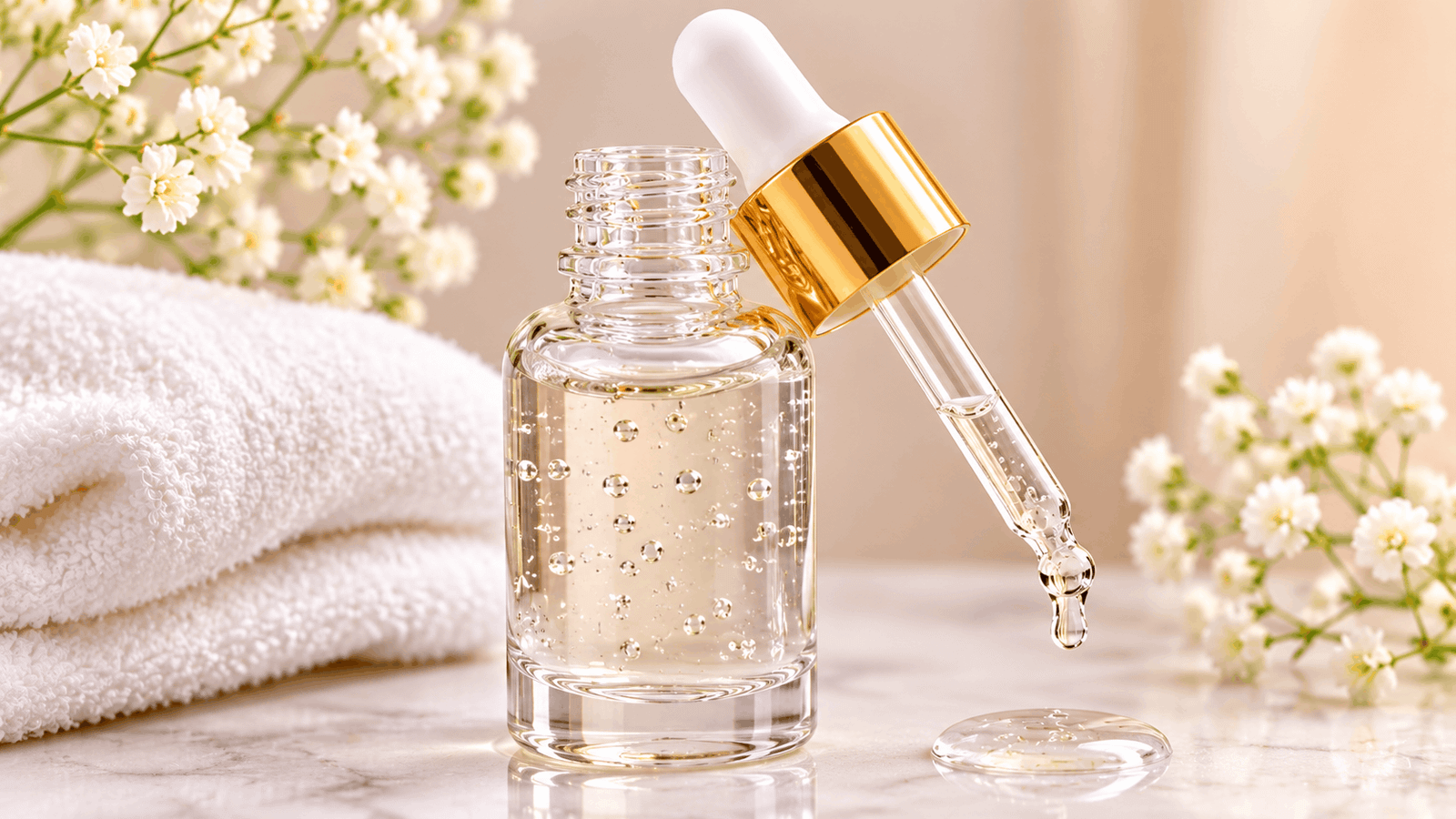
A face serum is a lightweight liquid or gel-based skincare product formulated with concentrated ingredients. Unlike many traditional creams, serums are generally designed to deliver targeted ingredients in a thin texture that can be layered under moisturizer.
Different formulas serve different purposes. Some focus on hydration, while others help improve uneven skin tone, blemishes, dullness, or visible signs of aging.
Common ingredients include hyaluronic acid, vitamin C, niacinamide, retinol, salicylic acid, peptides, and ceramides. The best choice depends on your skin type and the concern you want to address.
11 Ways Face Serum Can Support Healthier-Looking Skin
1. Provides Additional Hydration
Dehydrated skin may look dull, feel tight, or show fine lines more noticeably. Hydrating serums containing hyaluronic acid or glycerin help attract and retain water near the skin’s surface.
These ingredients can make the complexion feel softer, smoother, and more comfortable. They are particularly useful for people who experience dryness or temporary dehydration.
2. Helps Brighten Dull Skin
Environmental exposure, uneven pigmentation, and accumulated dead skin cells can make the complexion appear less radiant.
Vitamin C is a popular antioxidant ingredient that can help improve the appearance of dullness and uneven skin tone. With consistent use, an appropriate formula may support a brighter-looking complexion.
3. Improves the Appearance of Dark Spots
Dark spots may develop after acne, sun exposure, inflammation, or hormonal changes. Certain serum ingredients can help improve the appearance of uneven pigmentation.
Vitamin C, niacinamide, azelaic acid, and selected exfoliating ingredients may be useful depending on the cause of discoloration. Daily sunscreen is essential because UV exposure can make pigmentation more noticeable.
4. Supports Smoother-Looking Skin
Rough texture can result from dryness, clogged pores, and the buildup of dead skin cells. Serums containing carefully selected exfoliating ingredients, such as glycolic acid or lactic acid, can help improve surface texture.
These products should be introduced gradually, especially if your skin is sensitive. Excessive exfoliation can cause redness, irritation, and dryness.
5. Helps Reduce the Appearance of Fine Lines
Fine lines become more noticeable with age, sun exposure, and reduced skin hydration. Some serums contain ingredients that help improve the appearance of these changes.
Retinol is a vitamin A derivative commonly used to support skin renewal and improve the appearance of fine lines. Peptides and hydrating ingredients may also help skin look smoother and more supple.
6. Helps Manage Excess Oil
People with oily skin may experience a shiny appearance, enlarged-looking pores, and frequent breakouts.
Niacinamide is a useful skincare ingredient that can help improve the appearance of pores and support a more balanced-looking complexion. Lightweight, non-comedogenic formulas may be more comfortable for oily skin than heavy products.
7. Supports Acne-Prone Skin
Acne develops through several factors, including clogged pores, excess oil, inflammation, and bacterial activity.
Serums containing salicylic acid may help unclog pores and improve certain types of acne. Niacinamide can also support the skin barrier and reduce the appearance of redness associated with blemishes.
However, a serum is not a complete acne treatment for everyone. Persistent, painful, or scarring acne may require professional dermatological care.
8. Helps Protect Against Environmental Stress
Daily exposure to sunlight and environmental pollution can contribute to oxidative stress, which plays a role in visible skin aging.
Antioxidant ingredients, particularly vitamin C and vitamin E, help protect against free-radical damage. They can be useful additions to a daytime skincare routine, but they do not replace sunscreen.
9. Supports the Skin Barrier
The skin barrier helps retain moisture and protect the skin from external irritants. When it becomes weakened, the skin may feel tight, dry, sensitive, or irritated.
Ingredients such as ceramides, panthenol, glycerin, and niacinamide can support a comfortable skin barrier. Choosing a gentle serum with these ingredients may be helpful when the skin needs extra care.
10. Improves the Appearance of Uneven Skin Tone
Uneven skin tone can appear as patchy discoloration, post-acne marks, or areas of increased pigmentation.
Some targeted serums contain ingredients such as vitamin C, niacinamide, azelaic acid, or gentle exfoliating acids. These ingredients may gradually improve the appearance of discoloration when used appropriately.
Results vary according to the underlying cause, product formulation, and consistency of use.
11. Makes a Skincare Routine More Targeted
One of the main advantages of using a serum is the ability to choose ingredients according to individual skin concerns.
For example, someone with dry skin may prefer a hydrating formula, while someone experiencing dark spots may consider an antioxidant or pigmentation-focused product. This targeted approach can make a basic routine more useful without requiring numerous products.
Common Types of Face Serums
Different serum categories are designed for different skincare goals.
Hyaluronic Acid Serum
This type focuses on hydration. Hyaluronic acid attracts water and can help skin look plumper and feel more comfortable. It is suitable for many skin types.
Vitamin C Serum
Vitamin C is an antioxidant commonly used to improve the appearance of dullness and uneven skin tone. It is often applied in the morning before moisturizer and sunscreen.
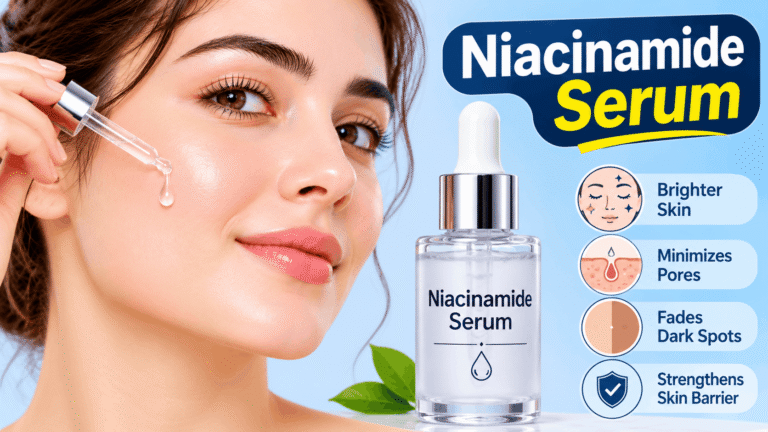
Niacinamide Serum
Niacinamide, also known as vitamin B3, can help support the skin barrier, improve the appearance of pores, and address uneven-looking skin tone. It is generally suitable for many skin types.
Retinol Serum
Retinol is used to improve the appearance of fine lines, uneven texture, and some acne concerns. It can cause irritation when introduced too quickly, so beginners should start slowly and follow product instructions.
Salicylic Acid Serum
Salicylic acid is a beta hydroxy acid that can penetrate into oily pores. It is commonly used in products for blackheads, clogged pores, and acne-prone skin.
Peptide Serum
Peptides are ingredients used in skincare formulations designed to support smoother and firmer-looking skin. Their effects depend on the specific formula and supporting ingredients.
How to Choose a Serum for Your Skin Type
Choosing the right product is more important than selecting the most expensive bottle.
- Dry skin: Look for hyaluronic acid, glycerin, ceramides, and panthenol.
- Oily skin: Consider lightweight, non-comedogenic formulas containing niacinamide.
- Acne-prone skin: Salicylic acid or niacinamide may help with certain blemish concerns.
- Sensitive skin: Choose fragrance-free formulas with gentle ingredients and introduce them gradually.
- Mature skin: Consider retinol, peptides, or antioxidant ingredients according to your skin’s tolerance.
- Uneven skin tone: Vitamin C, niacinamide, or azelaic acid may be suitable options.
If you have eczema, rosacea, or persistent skin irritation, consult a dermatologist before introducing strong active ingredients.
How to Apply Face Serum Correctly
Applying serum properly helps you incorporate it into your routine without unnecessary irritation.
- Cleanse your face: Use a gentle cleanser to remove dirt, oil, sunscreen, and makeup.
- Pat your skin dry: Follow the product instructions, as some hydrating formulas can be applied to slightly damp skin.
- Apply a small amount: Use the recommended quantity, usually a few drops.
- Spread gently: Apply evenly over the face, avoiding the eyes unless the product is specifically designed for that area.
- Allow it to settle: Give the product a little time to absorb.
- Apply moisturizer: Use a suitable moisturizer to help maintain hydration.
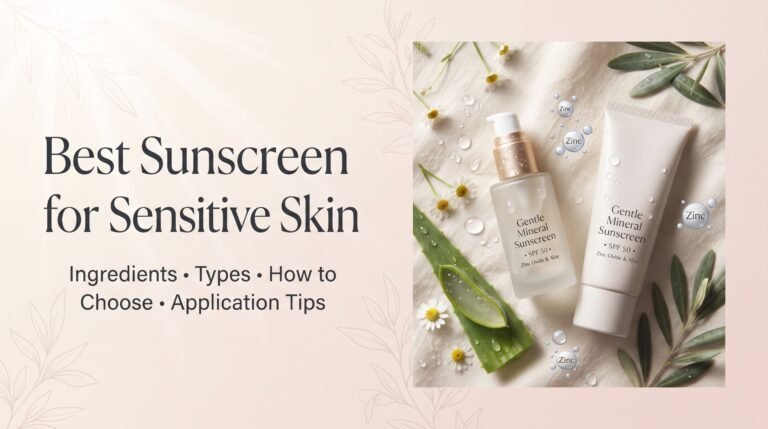
- Finish with sunscreen in the morning: Choose a broad-spectrum sunscreen with SPF 30 or higher.
Always follow the instructions on the product label because application methods can vary between formulas.
Morning and Night Serum Routine
Some ingredients are suitable for either morning or evening use, while others are generally better introduced at a particular time.
Morning routine:
- Gentle cleanser
- Vitamin C or niacinamide serum
- Moisturizer
- Broad-spectrum sunscreen SPF 30 or higher
Evening routine:
- Gentle cleanser
- Suitable treatment serum, such as a hydrating formula or retinol
- Moisturizer
Retinol is generally used at night. If you are new to it, begin with a low-strength product and use it on a limited number of nights each week before increasing frequency as tolerated.
Possible Side Effects and Precautions
Although many serums are well tolerated, active ingredients can cause unwanted reactions in some people.
Possible side effects include:
- Redness
- Dryness
- Itching
- Burning or stinging
- Peeling or flaking
- Increased sensitivity
To reduce the risk of irritation, introduce one new active product at a time. Patch-test new products according to their instructions, and avoid combining several strong ingredients immediately.
If a product causes persistent burning, swelling, or significant irritation, stop using it. Seek medical advice if symptoms are severe or do not improve.
Retinoids require particular care during pregnancy. People who are pregnant or planning pregnancy should avoid topical retinoids unless their healthcare professional advises otherwise.
How Long Does It Take to See Results?
The time required to notice a difference depends on the ingredient, formulation, skin concern, and frequency of use.
Hydrating products may improve skin comfort relatively quickly. Brightening ingredients and treatments for uneven skin tone often require several weeks or longer. Retinol and other active treatments may take months to show more noticeable changes.
Consistency matters, but using a product more frequently than recommended does not guarantee faster results. Give your skin time to adjust and maintain a simple routine.
Common Mistakes to Avoid
Even a suitable product may cause problems if it is used incorrectly.
- Applying too much serum at once.
- Using several strong active ingredients without a plan.
- Skipping moisturizer after applying serum.
- Forgetting sunscreen during the day.
- Choosing products without considering skin type.
- Expecting overnight results.
- Continuing to use a product despite persistent irritation.
- Ignoring the manufacturer’s application instructions.
A simple routine with a few well-chosen products is often more effective than layering too many treatments.
Conclusion
A well-chosen serum can be a useful addition to a skincare routine. Depending on its ingredients, it may improve hydration, brighten dull-looking skin, support the skin barrier, and reduce the appearance of fine lines, blemishes, and uneven pigmentation.
The most important step is selecting a formula that matches your skin type and concerns. Introduce active ingredients gradually, use moisturizer regularly, and protect your skin with daily sunscreen. With patience and consistent care, a suitable serum can help support a smoother, healthier-looking complexion.
Frequently Asked Questions (FAQs)
1. What does a face serum do?
A face serum delivers targeted skincare ingredients that may help with hydration, uneven skin tone, dullness, acne concerns, and visible signs of aging. Its benefits depend on the formula.
2. Can I use face serum every day?
Many hydrating and niacinamide serums are designed for daily use. However, retinol and exfoliating formulas may require gradual introduction. Always follow the product instructions.
3. Should I apply serum before or after moisturizer?
Serum is generally applied after cleansing and before moisturizer because it usually has a lighter texture. Follow the specific product directions if they differ.
4. Which serum is best for glowing skin?
Vitamin C may help improve dullness, while hyaluronic acid supports hydration. The best option depends on whether your skin needs hydration, antioxidant care, or help with uneven pigmentation.
5. Is serum suitable for oily skin?
Yes. Lightweight, non-comedogenic formulas containing ingredients such as niacinamide may be suitable for oily skin.
6. Can face serum help with dark spots?
Some serums containing vitamin C, niacinamide, or azelaic acid may improve the appearance of dark spots. Daily sunscreen is important to prevent further UV-related pigmentation.
7. Can I use two serums together?
Some serums can be combined, but using more products does not necessarily improve results. Start with one active formula and introduce additional products carefully to reduce irritation.
8. Is face serum suitable for sensitive skin?
Many sensitive-skin users can tolerate gentle, fragrance-free serums. However, active ingredients may cause irritation, so patch-testing and gradual introduction are important.
9. Can I use face serum at night?
Yes. Many serums can be used in the evening. Retinol is generally recommended for nighttime use, while hydrating formulas may be used in the morning or evening.
10. Do I still need sunscreen after using serum?
Yes. Serum does not replace sunscreen. Apply a broad-spectrum SPF 30 or higher during the day to help protect your skin from harmful UV radiation.