Powder Brows: 9 Secrets to Soft, Flawless Brows That Last
Introduction
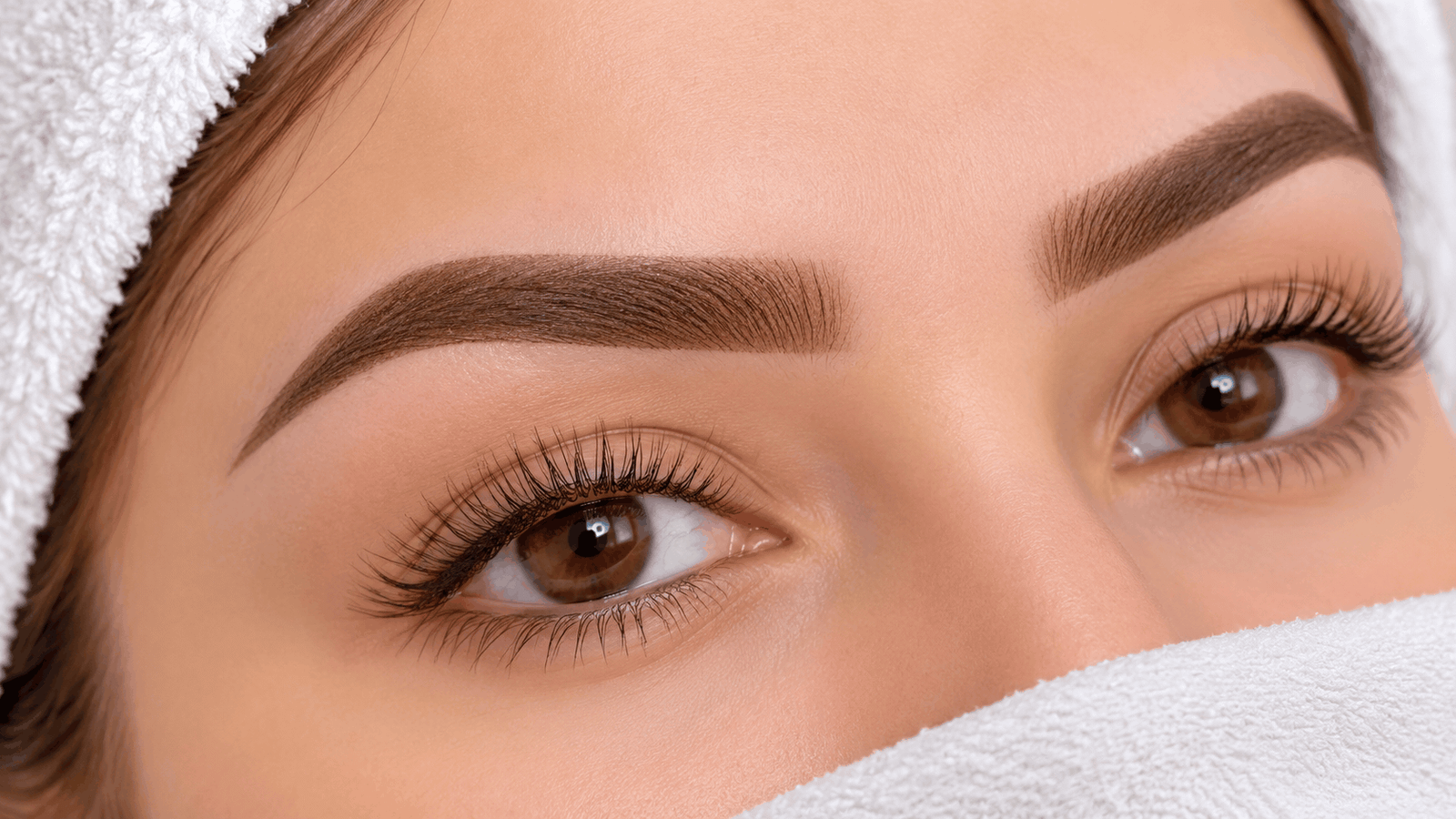
Beautifully shaped eyebrows can make a noticeable difference to your overall appearance. They frame the face, highlight the eyes, and help create a balanced look. However, filling in sparse areas and shaping eyebrows every morning can take time. Powder brows offer a semi-permanent beauty solution for people who want fuller-looking, defined eyebrows without applying makeup every day.
This cosmetic technique uses a specialized tattoo machine to deposit pigment into the skin, creating a soft, shaded effect similar to eyebrow powder. The finished result can range from a subtle, natural-looking enhancement to a more defined makeup appearance.
Before choosing this treatment, it is important to understand the procedure, healing process, aftercare, possible risks, and factors that influence how long the results last.
What Are Powder Brows?
Powder brows are a form of semi-permanent cosmetic tattooing that creates the appearance of softly filled-in eyebrows. The technique uses a digital machine and fine needles to place pigment into the upper layers of the skin.
Unlike traditional microblading, which creates individual hair-like strokes, powder brows use small deposits of pigment to produce a shaded finish.
The technique can be customized according to eyebrow shape, natural hair density, skin type, and personal preference.
Powder brows are also known as:
- Ombre powder brows
- Soft-shaded brows
- Powder-effect eyebrows
- Machine shading brows
9 Secrets to Soft, Flawless Powder Brows That Last
1. Choose the Right Brow Shape
The eyebrow shape plays an important role in the final appearance. A well-designed shape should complement your facial features rather than simply follow a temporary beauty trend.
Before the procedure, a trained artist usually maps the eyebrows and discusses the desired arch, length, thickness, and overall appearance.
Consider these points:
- Choose a shape that works with your natural brow structure.
- Avoid arches that look excessively sharp or unnatural.
- Discuss any differences between your two eyebrows.
- Review the proposed shape before pigment application.
A careful consultation helps establish realistic expectations.
2. Select a Suitable Pigment Color
Pigment selection is essential for achieving balanced results. The wrong shade may look too dark, too warm, or too cool against the skin and natural eyebrow hair.
A professional should consider:
- Natural eyebrow color
- Hair color
- Skin undertone
- Existing pigmentation
- Desired intensity
- Previous cosmetic tattoo work
The pigment may initially appear darker than the final healed result. Color usually softens as the skin recovers.
3. Understand the Ombre Effect
One attractive feature of powder brows is the soft gradient effect. The front of the eyebrow can be kept lighter, while the arch and tail gradually become more defined.
This creates a makeup-inspired appearance without making the entire brow look equally dark.
The shading can be adjusted according to personal preference. Some people prefer a subtle finish, while others choose more noticeable definition.
4. Choose an Experienced Professional
Powder brows are a cosmetic tattoo procedure, not simply an ordinary eyebrow treatment. Pigment is placed into the skin, so proper training, hygiene, and technique are important.
Before booking an appointment:
- Review the artist’s qualifications and training.
- Examine healed before-and-after photographs.
- Ask about pigment brands and ingredients.
- Confirm that sterile, single-use needles are used.
- Check the cleanliness of the treatment environment.
- Discuss possible complications and correction options.
Do not select a practitioner based only on low prices or photographs taken immediately after treatment.
5. Prepare Your Skin Before the Appointment
Healthy, calm skin can make the treatment process easier. Avoid scheduling the procedure when the eyebrow area is irritated, sunburned, infected, or affected by an active skin condition.
Before your appointment:
- Arrive with clean skin.
- Avoid tanning and excessive sun exposure.
- Tell the practitioner about allergies and previous cosmetic tattoos.
- Disclose medications and relevant medical conditions.
- Discuss recent chemical peels, laser treatments, and other facial procedures.
Do not stop prescribed medication or supplements without approval from your healthcare professional.
6. Follow the Correct Aftercare Routine
Aftercare has an important influence on healing and pigment retention. The skin needs time to recover from the tiny punctures created during the procedure.
Follow the specific instructions provided by your qualified practitioner.
General aftercare recommendations may include:
- Keep your hands clean before touching the area.
- Avoid rubbing, scratching, or picking the treated skin.
- Keep makeup away from the healing eyebrows.
- Avoid swimming pools, saunas, and excessive sweating during the recommended healing period.
- Avoid exfoliating acids and retinoids directly over the treated area until it has healed.
- Use only the recommended aftercare products.
Different practitioners may provide different cleansing instructions, so follow the plan designed for your procedure.
7. Be Patient During the Healing Process
Powder brows do not show their final appearance immediately. The treated area usually passes through several healing stages.
Days 1–3: The eyebrows may appear darker, bolder, or slightly swollen. Mild redness and tenderness can occur.
Days 4–10: Dryness, flaking, and light scabbing may develop. The color can look uneven or lighter as the skin sheds.
Weeks 2–4: The surface continues to recover, and the pigment gradually becomes more visible.
Weeks 4–6: The color generally settles further. A professional can assess whether a touch-up is appropriate.
Healing varies between individuals, so these timeframes are approximate.
8. Schedule a Suitable Touch-Up
Many clients require a follow-up appointment to assess pigment retention and refine the shape or color.
A touch-up is commonly considered around 6–8 weeks after the initial procedure, depending on healing and the practitioner’s protocol.
During this appointment, the artist may:
- Improve areas where pigment has faded unevenly.
- Adjust color intensity.
- Refine the shape.
- Add definition where needed.
Not everyone requires the same amount of correction. The skin should be fully healed before additional pigment is applied.
9. Protect Your Brows From Premature Fading
Sun exposure, skin treatments, and individual skin characteristics can influence how quickly cosmetic pigments fade.
Once the area has completely healed, consider these maintenance habits:
- Apply suitable sunscreen around the eyebrow area.
- Avoid unnecessary tanning.
- Use exfoliating products carefully near the treated skin.
- Follow professional advice before facial peels or laser treatments.
- Avoid repeated touch-ups before they are needed.
Good maintenance can help preserve the appearance of the treatment for longer.
Powder Brows Procedure: What Happens During Treatment?
Understanding the appointment can help you feel more prepared.
Step 1: Consultation
The artist discusses your preferred style, natural eyebrow shape, medical history, allergies, and expectations.
Step 2: Brow Mapping
The eyebrows are measured and outlined to create a balanced shape. You should have an opportunity to review and approve the proposed design.
Step 3: Pigment Selection
A suitable pigment shade is selected according to your natural coloring and desired result.
Step 4: Skin Preparation
The eyebrow area is cleaned, and an appropriate topical anesthetic may be used according to professional practice and product instructions.
Step 5: Pigment Application
A specialized machine creates tiny, controlled deposits of pigment in the skin. The artist gradually builds the shading to achieve the selected effect.
Step 6: Final Assessment
The practitioner reviews the shape, explains aftercare, and discusses the expected healing process and possible follow-up appointment.
The appointment may take approximately two to three hours, although the duration varies.
Powder Brows vs. Microblading
Both procedures are designed to enhance eyebrow appearance, but they use different techniques.
| Feature | Powder Brows | Microblading |
|---|---|---|
| Technique | Machine-based shading | Manual hair-like strokes |
| Appearance | Soft, filled-in makeup effect | Individual hair-stroke effect |
| Finish | Powdery or gradient | Hair-like definition |
| Customization | Light to bold shading | Natural-looking strokes |
| Skin suitability | Often considered for oily skin | May be less predictable on very oily skin |
| Maintenance | Periodic fading and possible touch-ups | Periodic fading and possible touch-ups |
The most suitable technique depends on skin characteristics, existing eyebrow hair, desired appearance, and professional assessment.
Who Is a Good Candidate for Powder Brows?
Powder brows may appeal to people who:
- Have naturally sparse eyebrows.
- Want a fuller-looking brow shape.
- Prefer a makeup-inspired finish.
- Spend considerable time filling in their eyebrows.
- Have uneven or asymmetrical brows.
- Prefer a semi-permanent alternative to daily eyebrow makeup.
People with oily skin may also consider this technique because machine shading can be a suitable option for some individuals who are not ideal candidates for traditional microblading.
However, suitability must be assessed individually.
Who Should Avoid or Postpone Powder Brows?
Because powder brows involve cosmetic tattooing, certain medical conditions and circumstances may increase the risk of complications or interfere with healing.
A professional medical assessment may be necessary if you have:
- Pregnancy or breastfeeding.
- Active infection, rash, or open wounds around the eyebrows.
- Eczema, psoriasis, or significant inflammation in the treatment area.
- A history of keloid or abnormal scarring.
- A bleeding disorder.
- Uncontrolled diabetes or delayed wound healing.
- A compromised immune system.
- Known allergies to pigments or anesthetic products.
- Recent isotretinoin treatment or other medications affecting skin healing.
People taking blood-thinning medication should disclose this before treatment. Never stop prescribed medication without consulting the prescribing clinician.
Possible Side Effects and Risks
Although many people undergo powder brows without major problems, cosmetic tattooing carries potential risks.
Possible effects include:
- Temporary redness and swelling.
- Tenderness and itching.
- Scabbing and flaking.
- Uneven pigment retention.
- Allergic reactions to pigment or anesthetic products.
- Infection from contaminated equipment or inadequate hygiene.
- Scarring or changes in skin texture.
- Unwanted pigment color or shape.
- Difficulty removing or correcting unwanted results.
Seek medical attention if you develop increasing pain, spreading redness, significant swelling, pus, fever, or other signs of infection.
How Long Do Powder Brows Last?
Powder brows are semi-permanent, but the pigment does not disappear at a fixed time.
Results commonly remain noticeable for approximately 1–3 years, although individual experiences vary.
Factors that influence longevity include:
- Skin type
- Pigment formulation
- Technique and application depth
- Sun exposure
- Skincare habits
- Natural skin renewal
- Individual healing response
Some people choose periodic touch-ups to maintain the desired appearance. Repeated pigment application should be approached carefully to avoid excessive pigment buildup.
How to Choose the Best Powder Brow Style
The best design should suit your natural features and lifestyle.
Natural Soft Brows
This style uses subtle shading and a lighter finish. It is suitable for people who prefer a gentle enhancement.
Ombre Powder Brows
This technique creates a gradual transition from a lighter front to a darker tail.
Defined Powder Brows
A more noticeable shaded effect gives the eyebrows a makeup-inspired appearance.
Combination Brows
Combination brows use machine shading together with hair-like strokes. They can be considered by people who want both natural-looking detail and additional fullness.
Conclusion
Powder brows offer a semi-permanent way to achieve fuller, more defined eyebrows with a soft makeup-inspired finish. The technique can be customized to suit different facial features, natural brow patterns, and personal preferences.
The most important factors are selecting a qualified professional, choosing an appropriate pigment, understanding the healing stages, and following careful aftercare. Although results can last for years, fading and occasional maintenance are normal.
Before choosing the procedure, consider your skin condition, medical history, and desired appearance. A professional consultation can help determine whether powder brows are an appropriate option and support a safer, more satisfying result.
Frequently Asked Questions (FAQs)
1. What are powder brows?
Powder brows are a semi-permanent cosmetic tattoo technique that uses a machine to deposit pigment into the skin, creating a soft, shaded eyebrow appearance similar to makeup.
2. How long do powder brows last?
They commonly last around 1–3 years, depending on skin type, pigment, sun exposure, skincare habits, and individual healing.
3. Are powder brows painful?
Some discomfort is possible because the procedure involves placing pigment into the skin. A topical anesthetic may be used to reduce discomfort, but individual experiences vary.
4. What is the difference between powder brows and microblading?
Powder brows use machine-based shading to create a filled-in appearance, while microblading uses manual hair-like strokes to imitate natural eyebrow hairs.
5. How long does it take for powder brows to heal?
Initial surface healing often takes around 7–14 days. The color may continue settling for approximately 4–6 weeks.
6. Can people with oily skin get powder brows?
Yes. Powder brows are often considered for people with oily skin because machine shading may provide a more suitable result than traditional microblading for some individuals.
7. Can I wear makeup after powder brows?
Avoid applying makeup directly over the treated area during healing. Resume normal use only when the skin has recovered and your practitioner confirms it is appropriate.
8. Are powder brows safe during pregnancy?
Cosmetic tattoo procedures are generally postponed during pregnancy because safety information is limited and the procedure carries infection and allergic-reaction risks. Discuss cosmetic treatments with your healthcare professional.
9. Do powder brows need a touch-up?
Some people benefit from a follow-up session to refine the color or fill areas with uneven pigment retention. The need and timing depend on individual healing.
10. Can powder brows be removed?
Unwanted cosmetic tattoo pigment may sometimes be lightened or removed using specialist treatments, including certain laser procedures. Complete removal is not guaranteed, and treatment can carry risks such as scarring or pigment changes. Consult an experienced medical professional.