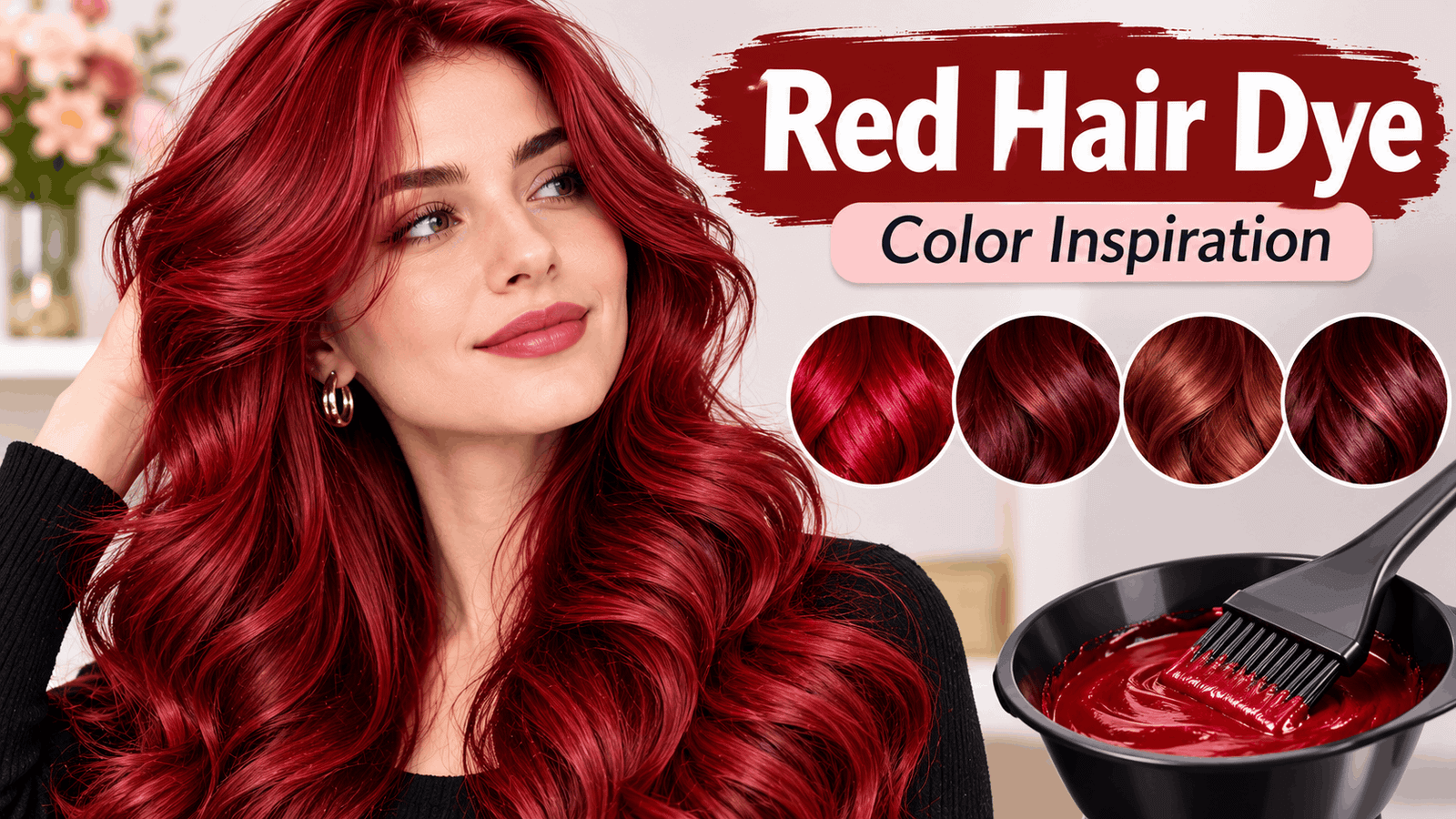
Red Hair Dye: 15 Stunning Color Ideas That Turn Heads
Introduction
Red hair is one of the most expressive hair color choices, offering everything from soft natural-looking warmth to bold, dramatic shades. Whether you prefer a subtle reddish-brown finish or a vibrant cherry-inspired transformation, there are plenty of ways to make this color your own.
Modern red hair dye options include copper, auburn, burgundy, ginger, cherry red, and many dimensional combinations. The right choice depends on your natural hair color, skin undertone, personal style, and willingness to maintain the shade.
If you are thinking about changing your look, these 15 stunning ideas can help you find inspiration before your next salon appointment.
15 Stunning Red Hair Dye Color Ideas
1. Cherry Red Hair
Cherry red is a vibrant shade inspired by the rich color of ripe cherries. It creates a bold, noticeable appearance and can range from bright red to deeper cherry tones.
This shade works particularly well for people who enjoy statement-making hair colors. A glossy finish can make the color look even more striking.
2. Copper Red Hair
Copper red combines warm red and orange tones to create a radiant, fiery appearance. It is a beautiful choice for anyone who wants a warm color with plenty of dimension.
You can choose a bright copper finish or a deeper version with brown undertones. Copper shades can also be incorporated into highlights for a softer transformation.
3. Burgundy Hair Color
Burgundy is a deep red shade with purple or wine-inspired undertones. It offers a sophisticated alternative to brighter reds and can look especially beautiful on dark hair.
This color is suitable for people who prefer a rich, dramatic appearance without choosing an extremely bright shade.
4. Auburn Red Hair
Auburn combines red and brown tones for a natural-looking finish. It is a versatile option for anyone who wants to introduce warmth without making a dramatic color change.
Auburn can be customized with lighter highlights or darker roots to create a more dimensional appearance.
5. Ginger Red Hair
Ginger is a warm, orange-red shade that creates a bright and cheerful look. It can range from soft golden ginger to intense fiery tones.
This color is particularly attractive when paired with loose waves or layered hairstyles that help show its different shades.
6. Cherry Cola Hair
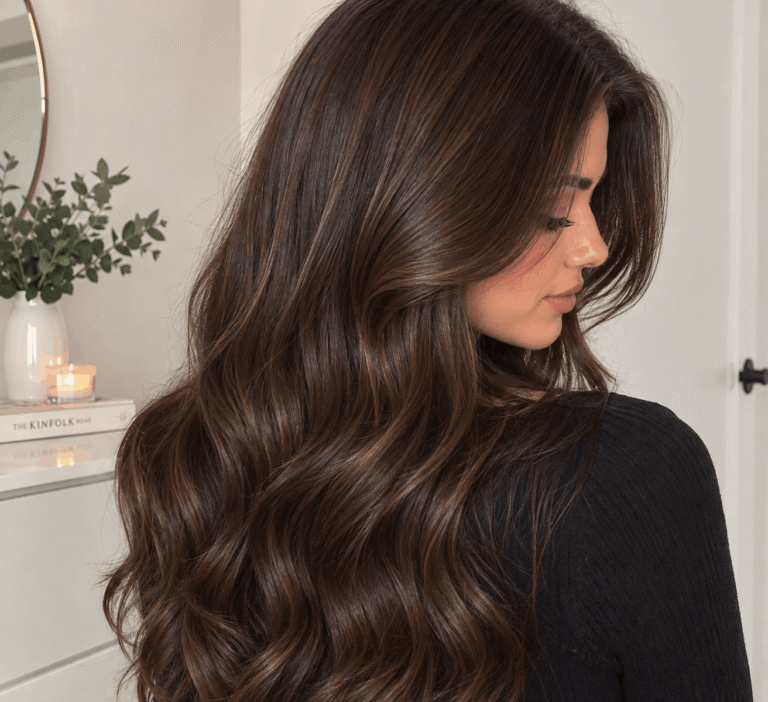
Cherry cola blends deep brown with burgundy and red tones. The result is a dark, glossy color that reveals its reddish character under different lighting.
It is a great choice for brunettes who want a noticeable change while keeping their hair relatively dark.
7. Strawberry Blonde Hair
Strawberry blonde combines blonde with delicate pink, peach, and red undertones. It creates a softer appearance than traditional bright red dye.
This shade is a lovely option for people who prefer lighter hair colors and want a subtle red-inspired transformation.
8. Mahogany Red Hair
Mahogany is a deep reddish-brown shade with subtle violet or warm red undertones. It provides richness and depth without appearing overly bright.
It can be worn as an all-over color or combined with lighter reddish highlights for added dimension.
9. Fire Engine Red Hair
Fire engine red is a bold, saturated shade that immediately attracts attention. Its bright appearance makes it a popular choice for people who enjoy expressive hairstyles.
Achieving an even, vivid result may require pre-lightening, particularly when starting with naturally dark hair. Professional advice is helpful before making this transformation.
10. Cinnamon Red Hair
Cinnamon red blends warm brown, copper, and soft red tones. It offers a cozy, natural-looking appearance that is less intense than brighter red shades.
This color works beautifully as an all-over shade or as a balayage technique on brunette hair.
11. Rose Red Hair
Rose red combines traditional red with pink or rosy undertones. Depending on the formula, it can look soft and romantic or bold and vibrant.
It is an interesting option for people who want something different from classic copper and burgundy shades.
12. Deep Wine Red Hair
Deep wine red takes inspiration from dark red wine, combining rich crimson and purple tones. It creates a luxurious appearance with plenty of depth.
This shade can look particularly attractive on long, layered hair because movement allows different tones to become visible.
13. Pumpkin Spice Hair
Pumpkin spice hair blends copper, orange, red, and brown tones. It creates a warm, multidimensional look that feels especially attractive during autumn but can be worn throughout the year.
Adding subtle darker roots can make the overall color appear more natural and help soften the regrowth line.
14. Ruby Red Hair
Ruby red is a rich jewel-inspired shade with vibrant red undertones. It offers a brighter and more saturated appearance than auburn or mahogany.
It can be customized with darker roots or subtle highlights to create additional depth.
15. Red Balayage
Red balayage is a coloring technique rather than one specific shade. It involves blending red tones through the hair, often concentrating brightness around the mid-lengths and ends.
You can choose copper, auburn, burgundy, or cherry-inspired tones depending on your preferred look. It is also a useful option for people who want to experiment with red without coloring every strand.
How to Choose the Right Red Hair Dye for Your Skin Tone
Choosing a flattering shade involves considering your skin’s undertone as well as the overall depth of the color. These suggestions are starting points rather than strict rules.
Fair Skin
Fair complexions can work beautifully with strawberry blonde, soft copper, ginger, and light auburn. These shades add warmth while creating a noticeable change.
For a more dramatic appearance, cherry red and cool crimson are also possibilities.
Medium Skin
Medium skin tones can complement a wide range of red shades, including copper, cinnamon, auburn, and cherry cola.
Warm reddish-brown colors can create a natural-looking result, while brighter copper shades offer a more noticeable transformation.
Olive Skin
Olive complexions may suit mahogany, burgundy, deep auburn, and copper-brown shades. The balance of red, brown, and violet tones can create an attractive contrast.
Deep Skin
Deep complexions can look striking with ruby red, wine red, burgundy, cherry, and rich mahogany. Saturated shades can create a beautiful, dramatic finish.
Warm Red vs. Cool Red Hair Dye
Understanding color undertones can make it easier to choose a shade that matches your preferred appearance.
Warm red shades usually contain golden, orange, or copper undertones. Examples include:
- Copper red
- Ginger
- Cinnamon
- Pumpkin spice
- Warm auburn
Cool red shades often contain violet, blue, or berry undertones. Examples include:
- Burgundy
- Cherry red
- Wine red
- Plum red
- Cool ruby
Neutral shades combine elements of both warm and cool colors. Auburn and some reddish-brown shades can be customized to achieve a balanced result.
Can You Dye Dark Hair Red Without Bleaching?
Yes, some red shades can be applied to naturally dark hair without bleaching. The final result depends on your starting color, hair history, dye formula, and desired brightness.
Deep burgundy, cherry cola, mahogany, and reddish-brown shades may be achievable without extensive lightening. However, bright copper, ginger, and vivid red may require pre-lightening to create a more noticeable result.
A professional colorist can assess your hair and recommend a suitable process. Avoid attempting aggressive lightening at home, especially if your hair has already been chemically treated.
How to Apply Red Hair Dye Safely
If you plan to color your hair at home, preparation and careful application are important.
- Choose the right formula: Select a dye suitable for your natural hair color and the result you want.
- Read the instructions: Follow the manufacturer’s directions carefully.
- Perform an allergy alert test: Complete the recommended skin test within the time specified on the product packaging.
- Prepare your hair: Follow the product instructions regarding whether hair should be dry, clean, or unwashed.
- Protect your skin and clothing: Use suitable gloves and protect the hairline and surrounding surfaces.
- Apply evenly: Divide your hair into sections and apply the product as directed.
- Respect processing time: Never leave the dye on longer than the manufacturer’s recommended duration.
- Rinse properly: Follow the product’s rinsing and conditioning instructions.
If you experience burning, swelling, itching, or a rash during application, rinse the product off and seek medical advice. Do not continue using a dye that causes an allergic reaction.
Tips to Maintain Red Hair Color
Red shades can lose their vibrancy over time, so a suitable hair-care routine is important.
Use Color-Safe Shampoo
Choose a shampoo designed for color-treated hair. Gentle cleansing can help reduce unnecessary color loss.
Wash With Lukewarm Water
Very hot water may contribute to faster fading. Lukewarm water is a practical choice for regular washing.
Avoid Excessive Washing
Wash your hair according to your scalp’s needs rather than following an unnecessarily frequent schedule.
Condition Regularly
Color-treated hair may feel dry or rough. Use a suitable conditioner after washing and consider a nourishing hair mask when needed.
Reduce Excessive Heat Styling
Frequent use of straighteners, curling irons, and hot blow-dry settings can contribute to dryness and breakage. Use a heat protectant and moderate temperature settings.
Protect Hair From Sun Exposure
Strong sunlight can contribute to color fading and dryness. Wear a hat when spending extended periods outdoors and consider suitable hair products with UV protection.
Refresh the Color When Needed
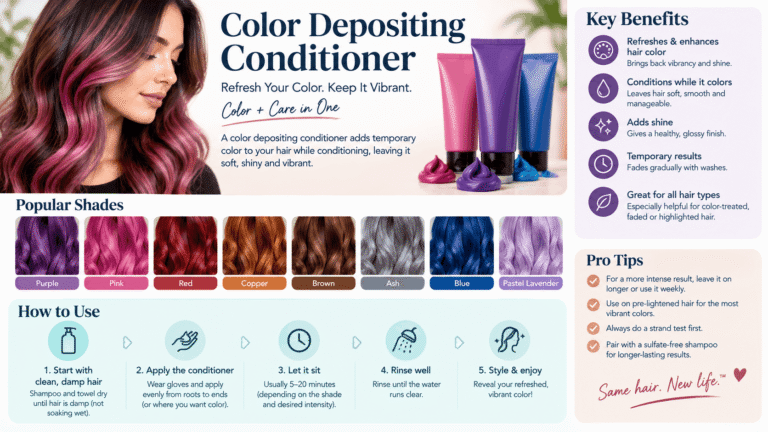
A color-depositing conditioner or professional gloss treatment may help refresh the appearance of faded red tones between full coloring sessions.
Common Mistakes to Avoid When Dyeing Hair Red
Even a beautiful shade can produce disappointing results if the coloring process is not planned properly.
- Choosing a shade without considering your base color: The same dye can produce different results on blonde, brown, and black hair.
- Skipping the allergy test: Hair dye ingredients can cause allergic reactions, even in people who have used similar products before.
- Ignoring previous treatments: Henna, permanent dyes, bleach, and other chemical services can affect the final result.
- Overprocessing the hair: Leaving dye or lightening products on longer than instructed can increase damage.
- Using unsuitable shampoo: Harsh cleansing products may contribute to faster fading.
- Expecting one application to achieve every result: Major color transformations sometimes require several carefully planned salon sessions.
How to Make Red Hair Look More Dimensional
A single red shade can create a beautiful finish, but combining different tones can add depth and visual interest.
Add Face-Framing Highlights
Lighter copper or strawberry-red pieces around the face can brighten the overall hairstyle.
Try a Dark Root Shadow
A darker root area blended into red lengths creates a softer transition and can make regrowth less noticeable.
Combine Red and Brown
Auburn, cinnamon, and cherry cola combinations create a rich appearance without relying on one flat color.
Choose Balayage
Balayage places color strategically through the hair, creating movement and a blended finish.
Style With Loose Waves
Soft waves help reveal the different tones in dimensional red hair, making highlights and darker sections more noticeable.
Conclusion
Red hair dye offers an impressive range of possibilities, from subtle cinnamon and auburn to vibrant cherry, copper, and ruby red. The best shade depends on your natural hair color, skin undertone, personal preferences, and maintenance routine.
Before making a major change, consider your desired result and whether your hair needs lightening. A professional colorist can help create a shade that complements your appearance while minimizing unnecessary damage. With suitable aftercare and occasional color refreshes, red hair can remain glossy, expressive, and beautiful.
Frequently Asked Questions (FAQs)
1. Which red hair dye shade is most popular?
Popular choices include copper, auburn, burgundy, cherry cola, cherry red, and ginger. The best option depends on the desired intensity and personal style.
2. Does red hair dye fade quickly?
Red shades can fade relatively quickly because their color molecules may wash out over time. Gentle shampoo, less frequent washing, and color-refreshing products can help maintain the appearance.
3. Can I dye my black hair red without bleaching?
Yes, darker red shades such as burgundy, mahogany, and cherry cola may be achievable without bleaching. Brighter reds usually require some lightening.
4. Which red hair color looks natural?
Auburn, cinnamon, reddish-brown, and subtle copper shades often create a natural-looking finish.
5. Is burgundy suitable for dark hair?
Yes. Burgundy can add a rich red-violet appearance to dark hair, although the final result depends on the starting color and dye formula.
6. What red hair color suits warm skin undertones?
Warm undertones may complement copper, ginger, cinnamon, pumpkin spice, and warm auburn shades.
7. What red hair color suits cool skin undertones?
Cool undertones may work well with burgundy, cherry red, plum red, and violet-based shades.
8. How often should red hair dye be refreshed?
It depends on the dye formula, hair growth, washing routine, and fading. Some people refresh their color every few weeks, while others can wait longer between salon appointments.
9. Can red hair dye damage my hair?
Hair coloring can cause dryness, brittleness, and damage, especially when it involves bleaching or repeated chemical processing. Following product instructions and using suitable conditioning care can help reduce problems.
10. How can I make red hair dye last longer?
Use color-safe hair products, avoid unnecessary washing, reduce excessive heat styling, protect hair from strong sunlight, and consider a suitable color-depositing treatment between salon visits.