Men’s Haircut: Best Styles, Face Shapes and Hair Types
Introduction
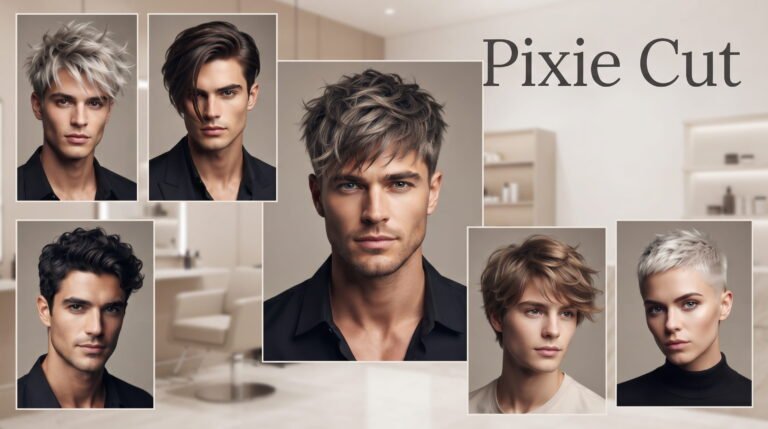
A great men’s haircut can completely change the way a person looks and feels. The right cut can sharpen facial features, make hair easier to manage, and create a style that fits both personality and lifestyle. From classic short cuts to modern textured styles, there are countless options for men with straight, wavy, curly, or thick hair.
Choosing the best men’s haircut is not only about following the latest trend. Hair texture, face shape, maintenance time, workplace requirements, and personal preference all matter. A well-chosen haircut should look good when freshly styled but also remain practical in everyday life.
What Is a Men’s Haircut?
A men’s haircut refers to a wide range of cutting and styling techniques designed for men’s hair. These can include very short cuts, fades, medium-length styles, longer hairstyles, textured cuts, and combinations of different techniques.
A barber or hairstylist may use:
- Scissors
- Clippers
- Razors
- Texturizing shears
- Trimmers
The final result depends on the length, shape, texture, and styling technique used.
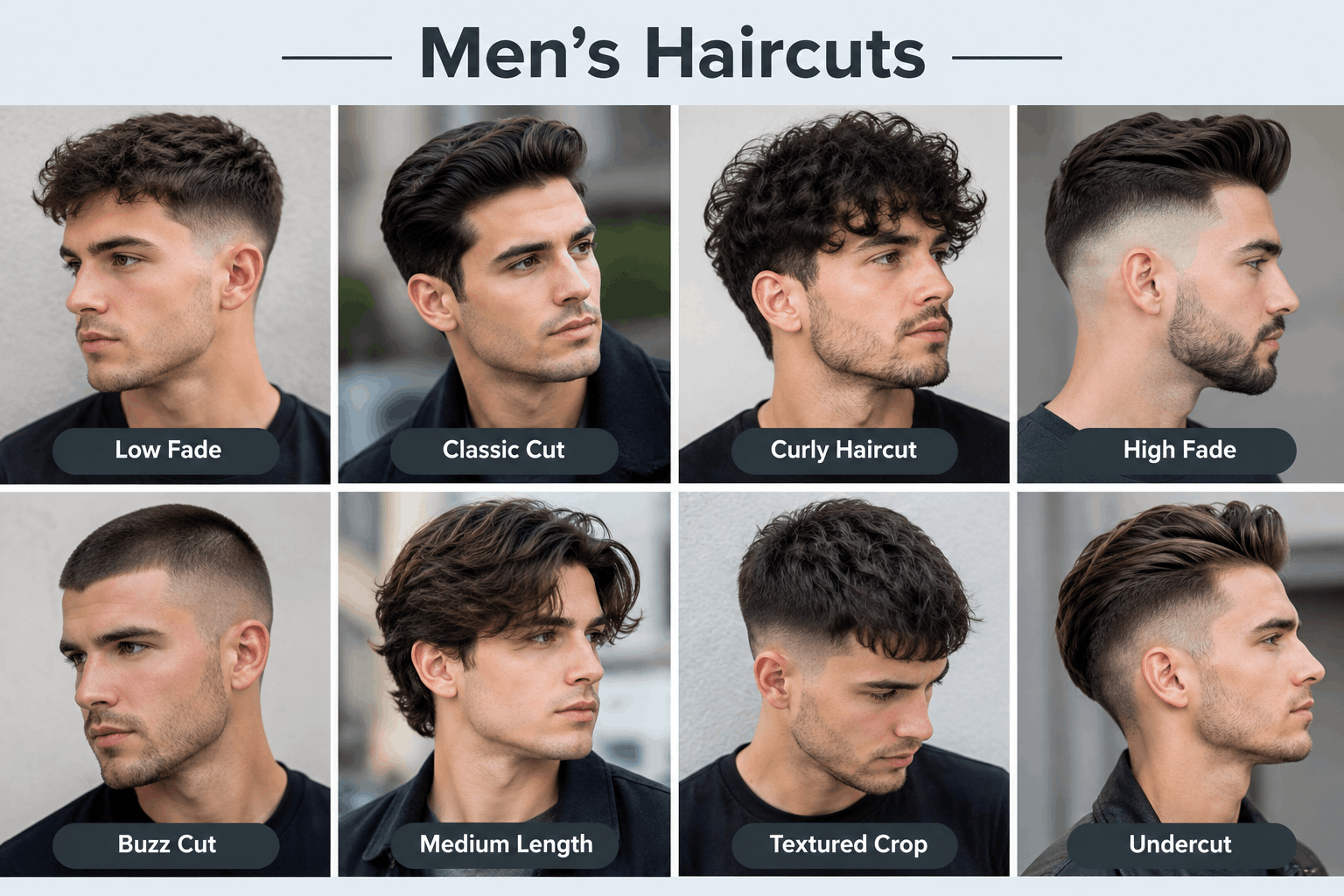
Popular Men’s Haircut Styles
1. Classic Crew Cut
The crew cut is a timeless short hairstyle. Hair is generally kept shorter on the sides while the top remains slightly longer.
It works particularly well for men who want a clean appearance with minimal styling.
2. Buzz Cut
A buzz cut keeps the hair very short and relatively uniform.
It is simple, practical, and requires little daily maintenance. Because the cut exposes more of the head’s shape, choosing the appropriate length is important.
3. Fade Haircut
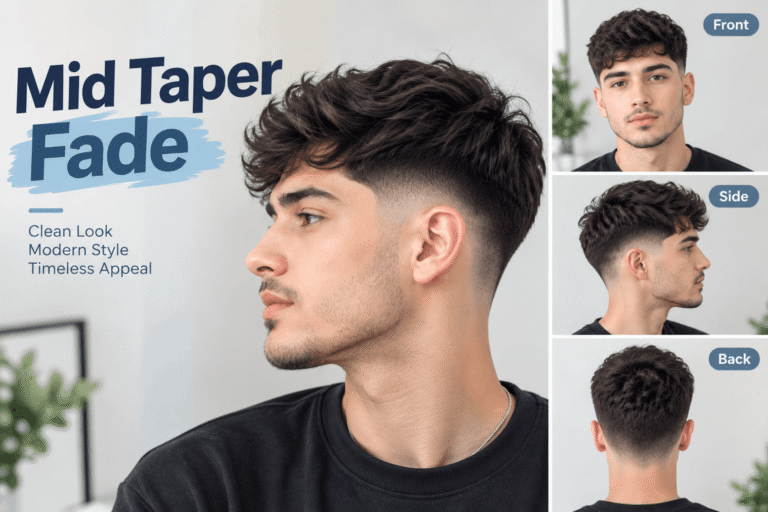
A fade gradually transitions from very short hair near the lower sides and back into longer hair higher up.
Popular variations include:
- Low fade
- Mid fade
- High fade
- Skin fade
- Taper fade
A fade can be combined with almost any hairstyle on top.
4. Taper Haircut
A taper creates a gradual reduction in length around the sideburns and neckline without necessarily taking the sides as short as a skin fade.
It offers a polished appearance while maintaining a more traditional silhouette.
5. Textured Crop
A textured crop uses shorter layers and deliberate texture to create a relaxed, modern finish.
It can be particularly useful for men who want movement without spending a lot of time styling their hair.
6. French Crop
The French crop usually features relatively short sides and a textured top with a forward fringe.
It can work well for men who prefer a structured haircut that remains easy to maintain.
7. Caesar Cut
The Caesar is characterized by short, horizontally styled fringe and relatively short sides.
It provides a neat and compact appearance and can work with different hair textures.
8. Side Part
The side-part haircut is one of the most versatile classic styles.
Hair is separated along a defined or natural parting and styled toward the side. It can be adapted for professional settings or given a more relaxed finish.
9. Quiff
A quiff adds volume toward the front of the hair while keeping the sides shorter.
Depending on the cut, it can appear polished, casual, or contemporary.
10. Pompadour
The pompadour emphasizes height and volume at the front, with the sides generally kept shorter.
It requires more styling than many short cuts but creates a distinctive appearance.
11. Slick Back
A slick-back hairstyle pushes the hair away from the face.
It can be worn with a fade, taper, undercut, or longer sides depending on the desired look.
12. Undercut
An undercut creates a noticeable difference between the shorter sides and longer hair on top.
The top can then be styled in several ways, including slicked back, textured, or parted.
13. Middle Part
The middle-part hairstyle has gained popularity among men who prefer medium or longer hair.
It can create a relaxed appearance and works particularly well when the hair naturally has enough length and movement.
14. Messy Textured Haircut
A messy textured cut intentionally creates an effortless appearance.
The key is controlled texture rather than simply leaving the hair unstyled.
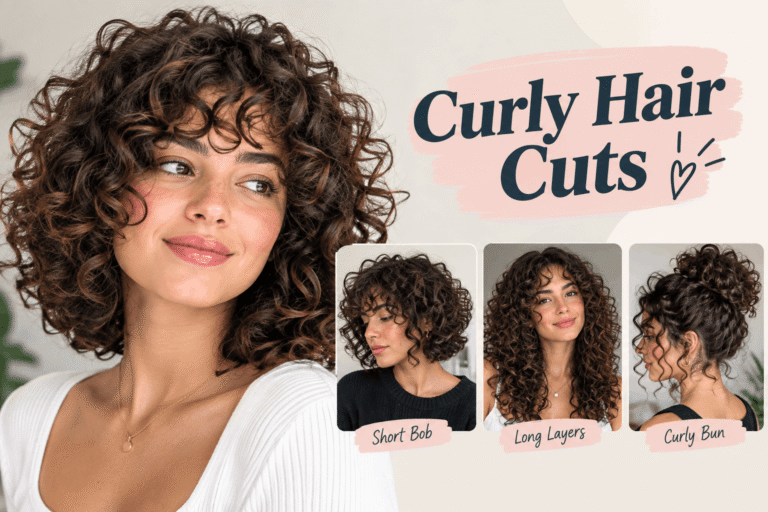
15. Curly Men’s Haircut
Curly hair can look excellent when the haircut is designed around the natural curl pattern.
Instead of removing too much bulk, a barber can shape the hair to create balance and definition.
Best Men’s Haircut for Different Face Shapes
Oval Face
An oval face generally works with many different styles. Short fades, textured crops, side parts, quiffs, and medium-length styles can all be adapted successfully.
Round Face
Men with rounder faces may prefer styles that create additional height and definition.
Textured tops, quiffs, and certain fades can help create a more elongated visual appearance.
Square Face
A square face often has a strong jawline and defined angles. Classic short cuts, crew cuts, fades, textured styles, and side parts can complement these features.
Oblong Face
For longer face shapes, excessive height on top may make the face appear even longer. Medium-length textured styles or balanced side-parted cuts can work well.
Heart-Shaped Face
A slightly fuller style around the sides or a textured medium-length cut can complement a narrower chin.
Diamond Face
Textured styles, longer fringes, and layered cuts can help balance prominent cheekbones and a narrower forehead or jaw.
Men’s Haircuts for Different Hair Types
Straight Hair
Straight hair is highly versatile. It can be styled into:
- Side parts
- Slick backs
- Crops
- Quiffs
- Curtains
- Undercuts
Wavy Hair
Wavy hair naturally provides texture and movement. Medium-length cuts, textured crops, and relaxed layered styles can make the most of the natural pattern.
Curly Hair
Curly hair benefits from a haircut that respects its natural shape. Keeping some length can help curls remain defined instead of becoming overly bulky.
Thick Hair
Thick hair may require strategic removal of weight. Texturizing can make it easier to style without making the haircut look excessively thin.
Fine or Thin Hair
Shorter textured styles can make fine hair appear fuller. Excessive thinning, however, may sometimes make the hair look less dense.
Low-Maintenance Men’s Haircuts
If you do not want to spend much time styling your hair, consider:
- Buzz cut
- Crew cut
- Short taper
- Short fade
- Textured crop
- Short Caesar
A low-maintenance haircut does not necessarily mean a boring haircut. The shape and finishing details can still make a major difference.
Best Haircuts for Professional Men
For a professional environment, clean and adaptable styles are often practical.
Good choices can include:
- Classic taper
- Side part
- Crew cut
- Ivy League
- Conservative fade
- Short textured haircut
- Neat slick back
The ideal style depends on workplace expectations and personal preference.
How Often Should Men Get a Haircut?
The ideal interval depends on the hairstyle and how quickly the hair grows.
Very short fades may need frequent maintenance because the change in length becomes noticeable quickly. Medium-length styles can often go longer between appointments.
Instead of following a fixed schedule, consider getting a haircut when:
- The neckline looks untidy
- The sides lose their shape
- The fringe becomes difficult to manage
- Styling becomes harder
- The haircut no longer maintains its intended shape
How to Choose the Right Men’s Haircut
Before visiting a barber, think about these factors:
Consider Your Hair Texture
Tell your barber whether your hair is straight, wavy, curly, thick, or fine.
Think About Maintenance
Be realistic about how much time you want to spend styling your hair each morning.
Consider Your Lifestyle
Someone who exercises frequently may prefer a practical short style, while someone who enjoys styling may choose a longer or more detailed haircut.
Bring a Reference Photo
A clear reference image can help communicate the desired length, shape, and overall style.
However, the exact result may differ because everyone’s hair texture and facial structure are different.
How to Maintain a Fresh Haircut
A good haircut lasts longer when properly maintained.
Useful habits include:
- Wash hair according to your scalp and hair type
- Use a suitable shampoo and conditioner
- Avoid excessive heat
- Use styling products in moderation
- Keep the neckline and facial hair tidy
- Follow your barber’s maintenance recommendations
Regular trims can help preserve the intended shape.
Men’s Haircut and Facial Hair
A haircut can look even better when coordinated with facial hair.
For example:
- A fade can transition naturally into a beard
- A classic side part can pair with short stubble
- A textured crop can work with a neatly trimmed beard
- A buzz cut can complement either clean-shaven skin or facial hair
The goal is balance rather than making every element identical.
Hair Products for Men
The right styling product depends on the desired finish.
Matte Clay
Useful for textured, natural-looking hairstyles with relatively low shine.
Pomade
Often used for polished styles requiring control and some shine.
Hair Wax
Can provide flexible styling and texture.
Hair Cream
Useful for softer, more natural-looking styles and light control.
Styling Gel
Provides stronger hold but can create a firmer or shinier finish depending on the product.
Always choose products according to your hair type and the finish you want.
Common Men’s Haircut Mistakes
Some haircut problems are caused by choosing a style without considering hair texture or maintenance requirements.
Common mistakes include:
- Choosing a cut only because it looks good on someone else
- Asking for an unrealistic length
- Ignoring natural hair growth patterns
- Overusing styling products
- Going too long between trims
- Using excessive heat
- Asking for extreme thinning on already fine hair
A good barber should help adapt the chosen style to your individual features.
Can a Haircut Make Hair Grow Faster?
No. Cutting the hair does not make it grow faster from the scalp.
Hair growth occurs from follicles beneath the skin. A haircut removes the visible portion of the hair shaft.
Regular trims can make hair appear healthier by removing split or damaged ends, but they do not increase the biological rate of hair growth.
Conclusion
The best men’s haircut is one that fits your face, hair texture, lifestyle, and personal style. From a simple buzz cut or crew cut to a modern fade, textured crop, quiff, or medium-length style, there are options for virtually every preference.
A successful haircut is not simply about copying a trend. The most flattering result comes from adapting the style to your natural hair characteristics and choosing a level of maintenance you can comfortably manage.
Whether you want a professional appearance, a low-maintenance cut, or a more fashionable modern look, communicating clearly with your barber and bringing a useful reference photo can make the process much easier.
FAQs About Men’s Haircuts
1. What is the most popular men’s haircut?
Fades, tapers, textured crops, crew cuts, and other short-to-medium styles remain popular because they can be customized to different hair types and personal preferences.
2. What haircut is best for men?
There is no single best haircut for everyone. Face shape, hair texture, lifestyle, maintenance preferences, and personal style should all be considered.
3. What is a low-maintenance men’s haircut?
Buzz cuts, crew cuts, short tapers, short fades, and textured crops are generally among the easier styles to maintain.
4. How often should men get haircuts?
It depends on the hairstyle. Very short styles may require frequent trims, while medium and longer styles can often be maintained for longer periods.
5. Is a fade better than a taper?
Neither is universally better. A fade creates a more pronounced transition toward very short hair, while a taper generally offers a more subtle change around the neckline and sideburns.
6. What haircut is best for a round face?
Styles that add some height and definition, such as textured tops and certain quiffs or fades, may complement a rounder face.
7. What is the best haircut for thick hair?
Textured crops, layered styles, and carefully shaped short or medium cuts can work well with thick hair. Strategic removal of excess bulk may improve manageability.
8. Can men with curly hair get a fade?
Yes. A fade can be combined with curly hair on top, creating contrast while allowing the natural curl pattern to remain visible.
9. Does cutting hair make it grow faster?
No. Haircuts do not change the growth rate of hair follicles. They only remove the visible hair shaft.
10. How do I tell my barber what haircut I want?
Describe the desired length, fade or taper level, top length, texture, and styling preference. Bringing a clear reference photo can also help your barber understand the look you want.