Curly Hair Cut: Styles and How to Choose the Right Cut
Introduction
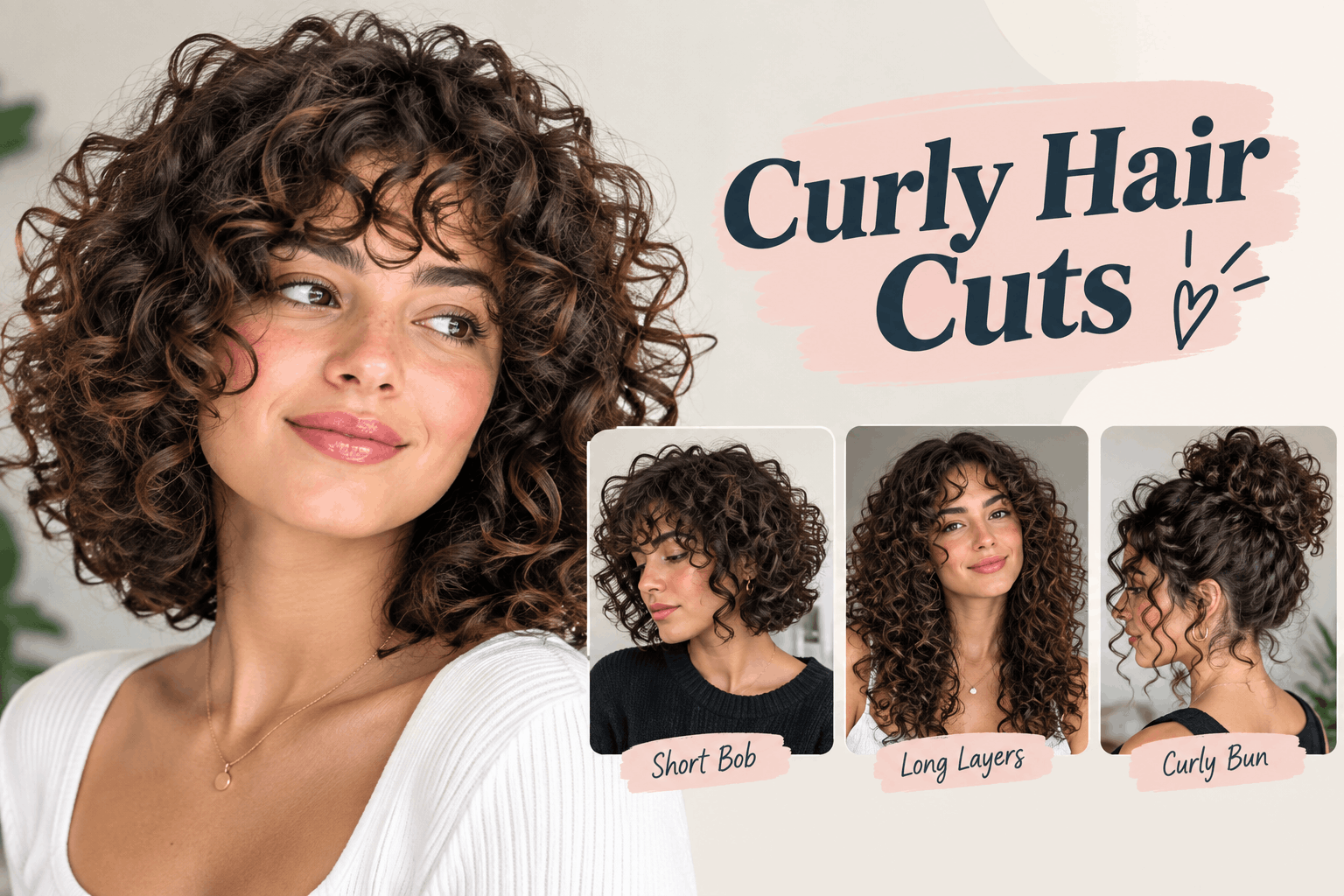
A curly hair cut is more than simply shortening the hair. Curly hair has its own texture, movement, volume, and curl pattern, so the right haircut can make curls look defined, balanced, and easier to manage. A well-planned cut can also reduce unwanted bulk while allowing natural curls to maintain their shape.
Whether your hair is loosely wavy, tightly coiled, or somewhere in between, choosing a haircut that works with your natural texture can make everyday styling much easier. From layered curly bobs to long flowing curls and modern shag cuts, there are many options to consider.
What Is a Curly Hair Cut?
A curly hair cut is specifically shaped around the natural pattern and volume of curly or wavy hair. Instead of treating curls like straight hair, the stylist considers how each curl sits, shrinks, and moves after drying.
The goal is usually to create:
- Better curl definition
- Balanced volume
- A flattering overall shape
- Easier styling
- Less unwanted heaviness
- Natural movement
Because curls can shrink considerably when dry, experienced stylists often take curl behavior into account before deciding how much length to remove.
Popular Curly Hair Cut Styles
1. Layered Curly Hair Cut
Layers are among the most useful options for curly hair. They can remove excess weight and help curls spring upward instead of appearing flat or heavy.
Long layers can work particularly well for people who want to keep considerable length while adding movement.
2. Curly Bob
A curly bob creates a shorter, structured shape around the face. It can work with loose waves as well as tighter curls, depending on how the layers are designed.
A soft curly bob can give the hair a fresh appearance without requiring extremely short styling.
3. Curly Shag
The curly shag combines layers of different lengths to create a relaxed, textured appearance. It is particularly appealing for people who want volume and movement rather than a perfectly uniform shape.
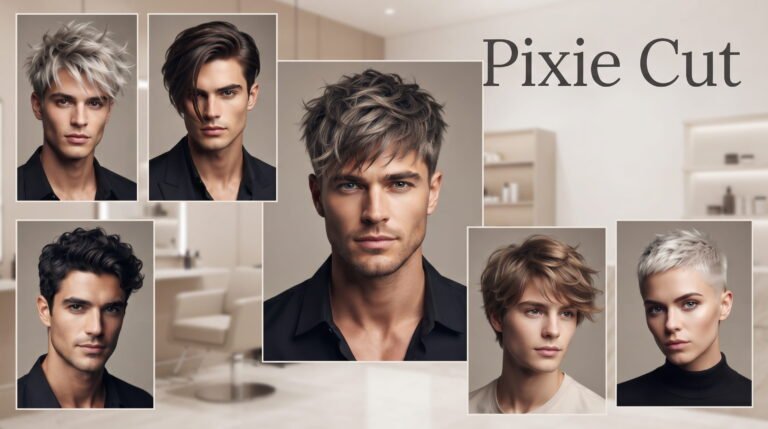
4. Curly Pixie Cut
A curly pixie is a short option that allows the natural texture to become a major part of the style. It can be adapted for different curl patterns by changing the length and amount of layering.
5. Long Curly Layers
If you prefer long hair, long layers can help prevent the curls from becoming excessively heavy at the bottom. They can also give longer curls more movement.
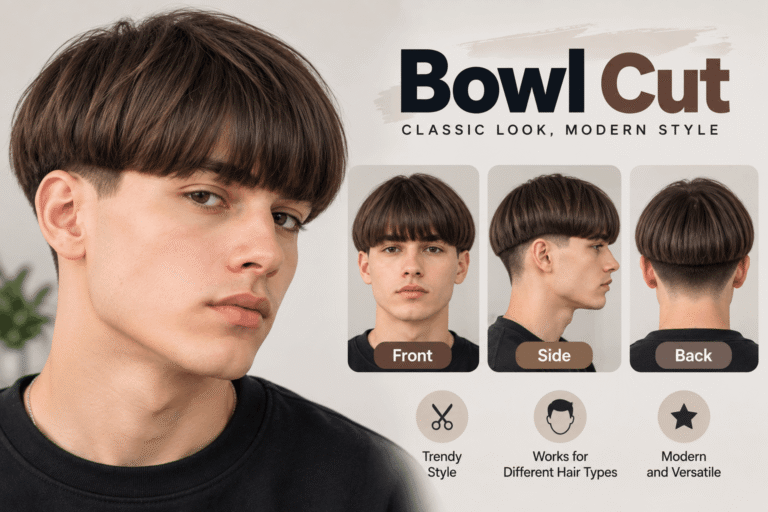
6. Curly Bangs
Curly bangs can frame the forehead and face while adding personality to a haircut. Because curls tend to shrink as they dry, the length should be considered carefully before cutting.
7. Curly Lob
A lob, or long bob, falls between a traditional bob and longer hair. It offers some of the structure of shorter hair while retaining enough length for different styling options.
How to Choose the Right Curly Hair Cut
There is no single haircut that works for every person with curly hair. Your ideal cut depends on several factors.
Consider Your Curl Pattern
Loose waves generally behave differently from tight coils. A haircut that creates beautiful movement in loose curls may not produce the same result on tightly coiled hair.
Consider Your Hair Density
Thick curly hair may benefit from strategic layering to distribute volume. Fine curly hair may require more careful layering so it does not appear thinner.
Think About Your Face Shape
The placement of volume can change how a haircut frames your face.
For example:
- Round faces: Longer layers can create visual length.
- Oval faces: Many curly styles can work well.
- Square faces: Soft layers can help create movement around the jaw.
- Heart-shaped faces: Volume around the lower portion of the hair can create balance.
These are general styling guidelines rather than strict rules.
Should Curly Hair Be Cut Wet or Dry?
Both wet and dry cutting techniques can be used, depending on the stylist and the hair type.
When hair is wet, curls are stretched and may look considerably longer. Once dry, they can shrink and form their natural pattern.
A dry-cutting approach allows the stylist to see how individual curls naturally fall. This can be especially useful for highly textured hair.
The most important factor is not simply whether the hair is cut wet or dry, but whether the stylist understands curly texture and accounts for shrinkage and curl formation.
Curly Hair Cut for Different Hair Lengths
Short Curly Hair
Short cuts can make curls appear more prominent and reduce the time required for washing and styling. Pixies, short bobs, and tapered shapes are common choices.
Medium Curly Hair
Medium-length curls offer plenty of flexibility. A layered lob, curly shag, or rounded shape can provide volume without sacrificing too much length.
Long Curly Hair
Long curly hair can look dramatic and full, but excessive weight may stretch out the curl pattern. Carefully placed layers can help restore movement.
How Layers Affect Curly Hair
Layers can dramatically change the appearance of curly hair.
Too few layers may leave thick curls looking triangular or heavy. On the other hand, excessive layering can create unwanted volume or make the ends appear thin.
The ideal layering pattern depends on:
- Curl tightness
- Hair density
- Hair length
- Desired volume
- Face shape
- Styling routine
This is why copying a haircut from a photograph does not always produce the same result.
Curly Hair Cut for Fine Hair
Fine curly hair can benefit from a shape that creates the appearance of fullness without removing too much density.
Shorter or medium-length styles may make fine curls look fuller. Light layering can add movement, while excessive thinning may make the ends appear sparse.
A stylist should assess the actual density and curl pattern before deciding how much to remove.
Curly Hair Cut for Thick Hair
Thick curls can look beautiful but may become difficult to control when too much weight accumulates.
Strategic layers can distribute the volume throughout the haircut. Rather than simply thinning the hair aggressively, a stylist may use techniques that preserve the curl pattern while creating a more balanced silhouette.
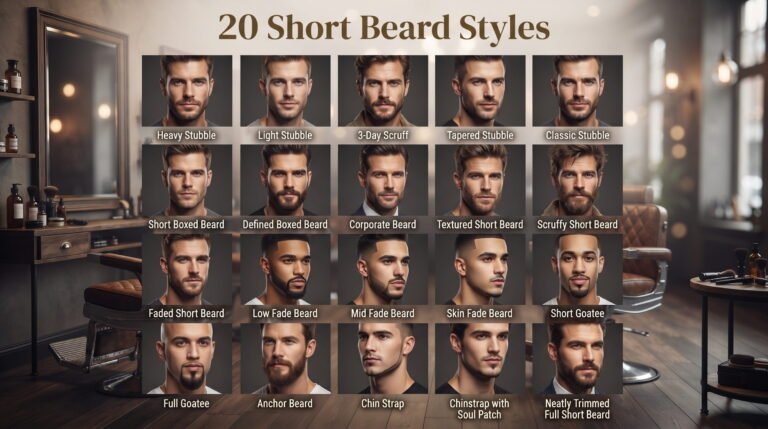
Curly Hair Cut for Men
Curly haircuts are not limited to women. Men with curly or wavy hair have many styling choices, including:
- Curly crop
- Tapered curls
- Curly fade
- Medium layered curls
- Long natural curls
- Curly fringe
- Short textured curls
The right option depends on hair density, curl pattern, maintenance preferences, and the desired amount of length.
How Often Should Curly Hair Be Cut?
The ideal haircut schedule depends on the length and style.
People with short, structured curly hair may need more frequent trims to maintain the shape. Those growing long curls may wait longer between appointments.
Instead of following a fixed schedule, consider trimming when:
- The shape becomes difficult to manage
- Ends become noticeably rough
- Layers lose their structure
- Curls stop forming as expected
- Split or damaged ends become noticeable
How to Maintain a Curly Hair Cut
A great haircut is only part of the process. Proper maintenance helps curls retain their shape.
Use a Gentle Cleanser
Curly hair can become dry more easily than straight hair. A gentle cleansing routine may help preserve moisture.
Condition Regularly
Conditioner can help improve softness and reduce friction. People with particularly dry curls may also use a leave-in conditioner.
Avoid Excessive Heat
Frequent use of high heat can contribute to dryness and damage. When using a diffuser or other heat tool, lower temperatures and appropriate heat protection can help reduce unnecessary stress.
Detangle Carefully
Use a wide-tooth comb or fingers to detangle curls, preferably while the hair is conditioned or adequately moisturized.
Sleep With Less Friction
A satin or silk pillowcase or hair covering may help reduce friction and minimize frizz for some people.
Curly Hair Cut Mistakes to Avoid
Several common mistakes can make curly hair harder to manage.
Cutting Too Much Length
Because curls shrink when dry, removing too much length can result in a much shorter appearance than expected.
Using Excessive Thinning
Over-thinning may disrupt the natural curl pattern and create uneven-looking ends.
Ignoring Curl Pattern
Different sections of the same head can have different curl patterns. Treating every section identically may produce an uneven result.
Choosing a Style Without Considering Maintenance
A haircut may look excellent in a salon but require more daily styling than you want. Always consider how much time you are willing to spend maintaining it.
How to Explain Your Desired Curly Hair Cut to a Stylist
Bringing a few reference photographs can make communication easier. However, also explain what you actually want from the haircut.
Mention whether you want:
- More volume
- Less bulk
- More definition
- Shorter layers
- Longer layers
- Face-framing pieces
- Bangs
- Minimal daily styling
- Maximum length preservation
It is also helpful to explain what you do not want, such as excessive thinning or a very short result.
Can a Curly Hair Cut Reduce Frizz?
A suitable haircut can help the hair look more controlled, but a haircut alone does not eliminate frizz.
Frizz can also be influenced by:
- Humidity
- Hair porosity
- Damage
- Lack of moisture
- Product buildup
- Rough handling
- Brushing dry curls
A combination of an appropriate haircut and a consistent curly-hair routine is generally more effective than relying on the haircut alone.
Curly Hair Cut vs. Straight Hair Cut
The biggest difference is how the natural texture is considered.
With straight hair, the final length and shape are usually easier to predict. Curly hair can change significantly as it dries and curls contract.
For this reason, curly hair often benefits from a stylist who understands:
- Curl shrinkage
- Curl grouping
- Natural volume
- Hair density
- Dryness and moisture balance
- Layer placement
Is a Curly Hair Cut Suitable for Everyone?
Yes, there are curly haircut options for almost every curl pattern and hair length. However, the specific style should be adapted to the person’s natural texture and lifestyle.
Someone who wants a low-maintenance haircut may prefer a different shape from someone who enjoys spending time defining individual curls.
The best haircut is usually one that complements both the natural hair pattern and the person’s preferred routine.
Conclusion
A curly hair cut can transform the way natural curls look and behave. Whether you prefer a short pixie, layered bob, curly shag, medium lob, or long flowing layers, the key is to choose a shape that works with your natural texture rather than fighting against it.
Understanding curl pattern, hair density, face shape, desired length, and maintenance requirements can help you communicate clearly with your stylist. With the right cut and consistent care, curls can look more defined, balanced, and naturally stylish.
Frequently Asked Questions
1. What is the best haircut for curly hair?
There is no universal best haircut. Layered cuts, curly bobs, shags, lobs, pixies, and long layers can all work when adapted to the individual’s curl pattern and density.
2. Should curly hair be cut wet or dry?
Both techniques can work. Dry cutting can make it easier to see the natural curl pattern, while wet cutting can be useful for creating precise shapes.
3. Are layers good for curly hair?
Yes. Properly placed layers can reduce unwanted weight and help curls move more naturally.
4. What haircut makes curly hair look fuller?
A well-shaped layered cut can help create the appearance of more volume. The ideal layering depends on hair density and curl pattern.
5. Should curly hair be cut shorter than desired?
Not necessarily. Because curls shrink when dry, your stylist should consider shrinkage before deciding the final length.
6. Is a bob good for curly hair?
Yes. A curly bob can create a defined, stylish shape and can be adapted to different curl patterns.
7. How often should curly hair be trimmed?
It depends on the haircut, hair health, and personal preference. Shorter styles generally require more frequent maintenance than long styles.
8. Can a haircut make curly hair less frizzy?
A suitable shape may make curls easier to manage, but frizz is also affected by moisture, humidity, damage, and hair-care habits.
9. Is a pixie cut good for curly hair?
A curly pixie can be an attractive low-length option. The shape should be customized according to curl tightness, density, and desired volume.
10. How do I choose a curly haircut?
Consider your curl pattern, hair density, face shape, preferred length, styling habits, and how much maintenance you want before selecting a haircut.