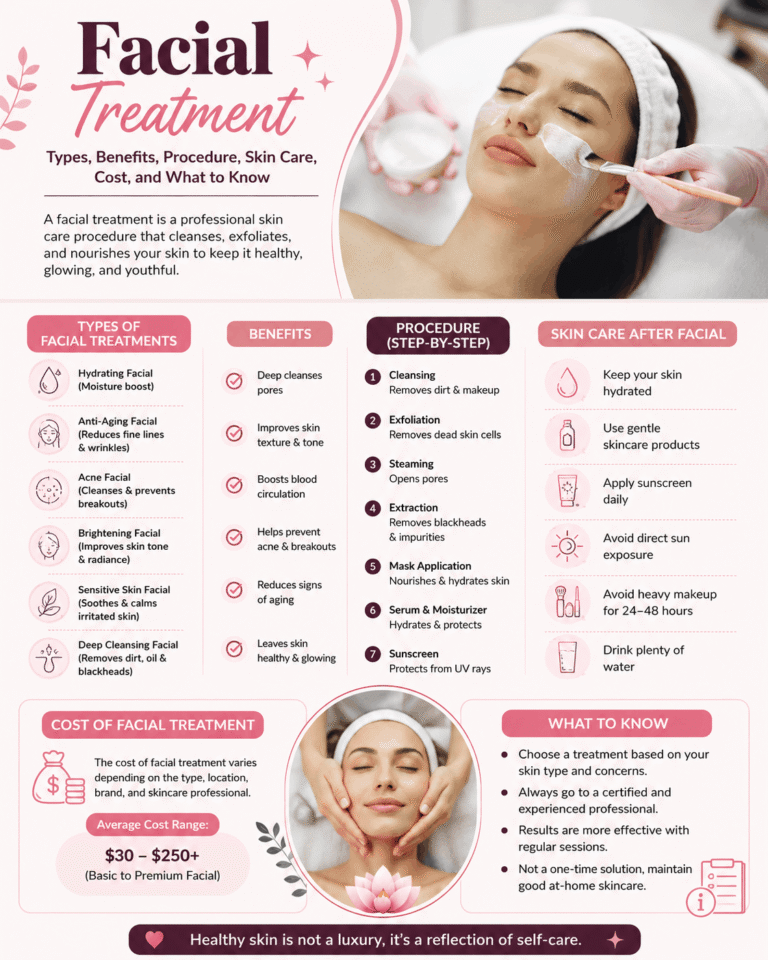
Skin Care: A Complete Guide to Healthy and Glowing Skin

Healthy skin does not always require an expensive collection of beauty products. A good skin care routine is mainly about understanding your skin, choosing suitable products, and following simple habits consistently. Whether your skin is oily, dry, combination, sensitive, or acne-prone, the right approach can help maintain its natural barrier and improve its overall appearance.
Skin is the body’s largest organ and is constantly exposed to sunlight, pollution, changing weather, makeup, and other environmental factors. This is why daily care is important for keeping it comfortable, hydrated, and protected.
What Is Skin Care?
Skin care refers to the regular practices used to keep the skin clean, moisturized, protected, and healthy. It can include cleansing, moisturizing, sun protection, exfoliation, and targeted treatments for specific concerns.
A basic routine does not need to contain many steps. In fact, using too many products at once can sometimes irritate the skin. A simple routine that matches your skin type is often easier to maintain.
Why Is Skin Care Important?
A consistent skin care routine can support the skin’s protective barrier and help reduce the effects of everyday environmental exposure. It may also improve the appearance of dryness, dullness, uneven texture, and some common skin concerns.
Good skin care can help:
- Maintain skin hydration
- Remove dirt, oil, and makeup
- Support the skin barrier
- Protect against UV exposure
- Reduce excessive dryness
- Improve the appearance of uneven texture
- Manage certain acne-related concerns
- Keep the skin looking fresh and healthy
Know Your Skin Type
Before buying skin care products, it is helpful to understand your skin type.
Dry Skin
Dry skin may feel tight, rough, flaky, or uncomfortable. People with dry skin generally benefit from gentle cleansers and moisturizers containing ingredients that help reduce moisture loss.
Oily Skin
Oily skin produces more sebum and may appear shiny, particularly around the forehead, nose, and chin. Lightweight, non-comedogenic moisturizers can be useful without adding excessive heaviness.
Combination Skin
Combination skin usually has both oily and dry areas. The T-zone may become oily while the cheeks feel normal or dry. A balanced routine can help address both areas without over-treating either one.
Sensitive Skin
Sensitive skin may react easily to fragrances, harsh cleansers, or certain active ingredients. Gentle, fragrance-free products are often a better starting point.
Normal Skin
Normal skin is generally well-balanced and does not experience excessive oiliness or dryness. Even so, cleansing, moisturizing, and sun protection remain important.
Basic Skin Care Routine
A simple routine can be divided into morning and evening care.
Morning Routine
1. Gentle Cleanser
Start with a mild cleanser to remove overnight sweat, excess oil, and impurities. Avoid extremely harsh cleansing products that leave the skin feeling tight.
2. Treatment or Serum
If needed, a serum can be added based on a particular concern. Ingredients such as vitamin C, niacinamide, or hyaluronic acid are commonly used in skin care, but the best choice depends on individual skin needs.
3. Moisturizer
Moisturizer helps maintain hydration and supports the skin barrier. Oily skin can still benefit from moisturizing, particularly when a lightweight formula is selected.
4. Sunscreen
Sunscreen is one of the most important parts of a daytime routine. Broad-spectrum sunscreen helps protect the skin from ultraviolet radiation. Apply it generously to exposed areas and reapply when appropriate, especially during prolonged outdoor exposure.
Evening Skin Care Routine
Nighttime is a good opportunity to remove the day’s buildup and use targeted products.
Cleanse the Skin
Remove makeup, sunscreen, excess oil, and environmental debris with a suitable cleanser. If you wear heavy makeup or water-resistant sunscreen, you may need an appropriate first cleansing step followed by a gentle cleanser.
Apply Targeted Treatments
Depending on your concerns, nighttime products may include ingredients designed for acne, uneven pigmentation, fine lines, or texture. Introduce active ingredients gradually rather than combining several strong products immediately.
Moisturize
Finish with a moisturizer that suits your skin type. A good moisturizer can help reduce water loss and keep the skin comfortable overnight.
Important Skin Care Ingredients
Understanding ingredients can make product selection easier.
Hyaluronic Acid
Hyaluronic acid is a humectant that helps attract and retain water. It is commonly found in hydrating serums and moisturizers.
Niacinamide
Niacinamide, a form of vitamin B3, is widely used in skin care for supporting the skin barrier and improving the appearance of uneven tone and excess oil.
Vitamin C
Vitamin C is an antioxidant commonly used in daytime skin care. It can help protect against oxidative stress and is often included in routines focused on dullness and uneven pigmentation.
Retinoids
Retinoids are vitamin A derivatives used for several skin concerns, including acne and signs of photoaging. They can cause irritation when introduced too quickly, so gradual use is important.
Ceramides
Ceramides are lipids naturally present in the skin barrier. Skin care products containing ceramides can help support barrier function and hydration.
Salicylic Acid
Salicylic acid is a beta hydroxy acid commonly used in products for oily and acne-prone skin. It can help remove dead skin cells and clear clogged pores.
Skin Care for Acne-Prone Skin
Acne-prone skin often needs a balanced approach. Scrubbing aggressively or using too many drying products can make irritation worse.
A basic acne-friendly routine may include:
- Gentle cleansing
- Non-comedogenic moisturizer
- Appropriate acne treatment
- Daily sunscreen
- Avoiding unnecessary picking or squeezing
If acne is painful, persistent, severe, or leaving scars, professional dermatological assessment can help determine the appropriate treatment.
Skin Care for Dry Skin
Dry skin benefits from a focus on moisture and barrier support. Choose gentle cleansers and apply moisturizer while the skin is slightly damp.
Look for products containing ingredients such as:
- Ceramides
- Glycerin
- Hyaluronic acid
- Squalane
- Petrolatum
Avoid excessively hot water and harsh cleansing products, as they can increase dryness.
Skin Care for Oily Skin
Oily skin still requires hydration. Trying to remove every trace of oil can sometimes cause irritation.
A suitable routine may include a gentle cleanser, lightweight moisturizer, and sunscreen. Products labeled non-comedogenic may be helpful for people who are prone to clogged pores.
The Role of Sunscreen
Sun protection should be part of almost every daytime skin care routine. Ultraviolet exposure contributes to premature skin aging, pigmentation, and skin damage.
For everyday use, choose a broad-spectrum sunscreen with an appropriate SPF and apply it to exposed skin. Remember areas such as the neck, ears, and hands when they are exposed.
Should You Exfoliate?
Exfoliation removes dead skin cells from the surface of the skin. Chemical exfoliants and physical exfoliants are both available, but they are not necessary for everyone.
Over-exfoliation can cause:
- Redness
- Burning
- Dryness
- Increased sensitivity
- Skin barrier irritation
If you exfoliate, start slowly and avoid combining multiple irritating active ingredients without a clear reason.
Common Skin Care Mistakes
Even a good product can cause problems if it is used incorrectly. Common mistakes include:
Using Too Many Products
A complicated routine can make it difficult to identify which product is helping or irritating the skin.
Skipping Sunscreen
Using serums and treatments while ignoring sun protection can undermine a daytime routine.
Washing the Face Too Aggressively
Skin does not need to feel extremely dry or “squeaky clean” after cleansing.
Picking Pimples
Squeezing or picking acne can increase inflammation and may contribute to discoloration or scarring.
Changing Products Too Frequently
Skin often needs time to adjust to a new routine. Constantly changing products can make irritation more difficult to identify.
Ignoring the Neck and Hands
These areas are also exposed to environmental factors and can benefit from moisturizer and sun protection.
How to Build a Simple Skin Care Routine
If you are new to skin care, begin with the essentials rather than purchasing numerous products.
A simple routine can be:
Morning:
Cleanser → Moisturizer → Sunscreen
Night:
Cleanser → Treatment if needed → Moisturizer
Once your skin is comfortable with the basics, additional products can be introduced one at a time.
When Should You See a Dermatologist?
Not every skin concern can be solved with over-the-counter products. Consider professional evaluation if you experience persistent acne, unexplained rashes, severe dryness, recurring irritation, significant pigmentation changes, suspicious spots, or skin problems that do not improve with basic care.
A dermatologist can assess your skin and recommend treatments based on the specific condition rather than relying on a generic routine.
Final Thoughts
Effective skin care is less about having a shelf full of products and more about following a routine that fits your skin. Gentle cleansing, appropriate moisturizing, consistent sun protection, and carefully selected treatments can create a strong foundation for healthy-looking skin.
The most important step is consistency. Give your routine time, introduce new products gradually, and pay attention to how your skin responds. When a concern is persistent or difficult to manage, professional dermatological advice can provide a more personalized approach.
Frequently Asked Questions
1. What is the most basic skin care routine?
A basic routine consists of cleansing, moisturizing, and using sunscreen during the day.
2. Is moisturizer necessary for oily skin?
Yes. Oily skin can still become dehydrated. A lightweight, non-comedogenic moisturizer may be appropriate.
3. How often should I wash my face?
For many people, cleansing twice daily is reasonable, although the ideal frequency depends on skin type, products used, activity level, and individual needs.
4. Can I use multiple active ingredients together?
Some ingredients can be combined, while others may increase irritation when used together. Introducing products gradually is a safer approach.
5. Is sunscreen necessary every day?
Daily sunscreen is recommended when skin is exposed to UV radiation, particularly during outdoor activities.
6. What is the best ingredient for dry skin?
There is no single best ingredient for everyone. Ceramides, glycerin, hyaluronic acid, and petrolatum are commonly used to support hydration and the skin barrier.
7. Can skin care remove acne scars?
Some treatments can improve the appearance of acne-related discoloration or scarring, but established scars may require professional treatments such as procedures or prescription therapies.
8. Does drinking water improve skin?
Adequate hydration is important for overall health. However, simply drinking extra water is not a guaranteed treatment for every skin concern.
9. How long does a skin care routine take to work?
The timeframe varies by product and concern. Some moisturizing effects can be noticed quickly, while acne, pigmentation, and signs of aging often require longer-term consistent care.
10. Can sensitive skin use active ingredients?
Sensitive skin may still benefit from active ingredients, but they should generally be introduced carefully and at an appropriate strength. If significant burning or irritation occurs, stop the product and seek professional advice when needed.