Pixie Cut: Stylish Ideas, Face Shapes, Hair Types and Styling Tips
Introduction
A pixie cut is one of those hairstyles that can completely change the way a person looks without requiring complicated styling. Short around the back and sides with more length left on top, the cut can look polished, playful, edgy, feminine, or effortlessly relaxed depending on how it is shaped.
Although the classic pixie has been popular for decades, modern versions are far from one-size-fits-all. In 2026, softer textures, longer fringes, face-framing details, contour-inspired cuts and flexible pixie variations are giving the traditional short haircut a fresh appearance.
The real advantage of a pixie is its adaptability. A stylist can adjust the length, fringe, layers, taper and texture to complement someone’s facial structure and natural hair pattern.
Whether you are considering your first short haircut or simply looking for a new way to wear cropped hair, understanding the different pixie styles can make the decision much easier.
What Is a Pixie Cut?
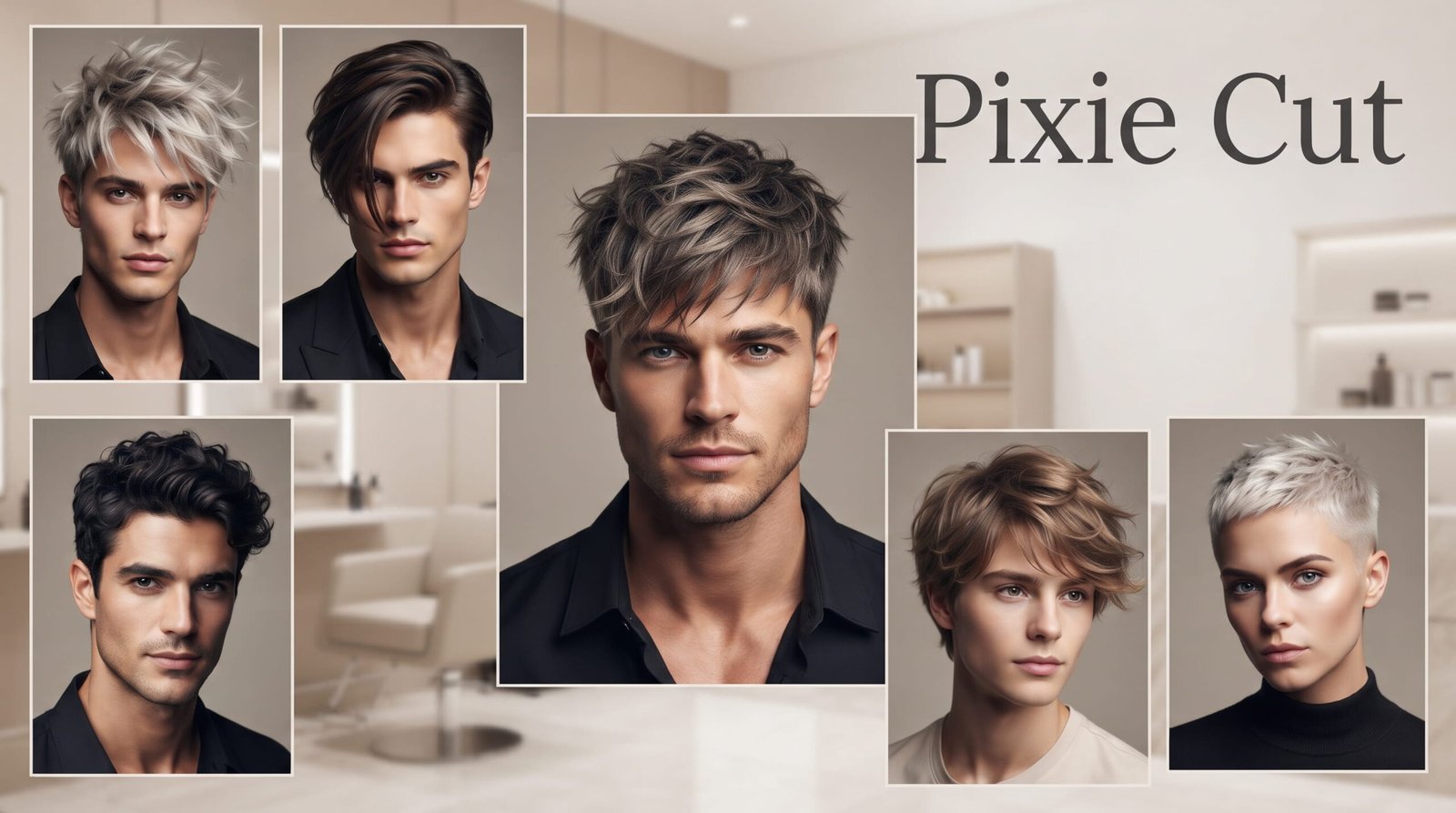
A pixie cut is a short hairstyle that is typically cropped close around the sides and back while keeping slightly more length through the top.
The exact shape can vary considerably. Some pixies are extremely short and neat, while others have longer bangs, textured layers or pieces around the ears and neckline.
Instead of thinking of a pixie as one specific haircut, it is better to think of it as a family of short hairstyles built around a cropped silhouette.
This allows the cut to be customized according to:
- Face shape
- Hair thickness
- Natural texture
- Personal style
- Desired maintenance level
- Amount of length you want to keep
Why Is the Pixie Cut So Popular?
The pixie has remained recognizable because it makes a strong visual statement while offering plenty of styling possibilities.
It can emphasize facial features that longer hair sometimes hides, including the eyes, cheekbones, jawline and neck.
Another reason for its popularity is versatility. A very short pixie can look bold and minimalist, while a longer textured version can feel soft and casual.
The style also has a long fashion history, with famous versions associated with figures such as Audrey Hepburn, Mia Farrow and other celebrities over the decades.
Popular Pixie Cut Styles
1. Classic Pixie Cut
The classic version keeps the sides and back relatively short while maintaining enough length on top to create a clean, balanced shape.
It is a good starting point for anyone who wants the traditional pixie appearance without an overly dramatic variation.
2. Long Pixie Cut
A longer pixie leaves additional length around the crown, fringe or sides.
This can be a useful choice for someone who likes short hair but is not ready for an ultra-cropped haircut.
Longer sections can also provide more styling flexibility.
3. Soft Pixie Cut
The soft pixie replaces extremely sharp edges with wispy layers and gentle movement.
A side-swept fringe or face-framing pieces can make the haircut feel more relaxed and romantic.
This softer interpretation has been particularly noticeable in recent hairstyle trends.
4. Textured Pixie
A textured pixie uses layers to create separation and movement.
It works especially well when the goal is a deliberately undone or modern finish rather than a perfectly smooth silhouette.
A small amount of lightweight styling product can help define individual pieces.
5. Pixie With Bangs
Adding bangs changes the entire character of a pixie.
A short fringe can create a bold appearance, while a longer sweeping fringe can soften the forehead and frame the face.
Wispy bangs are another option for someone who wants a lighter finish.
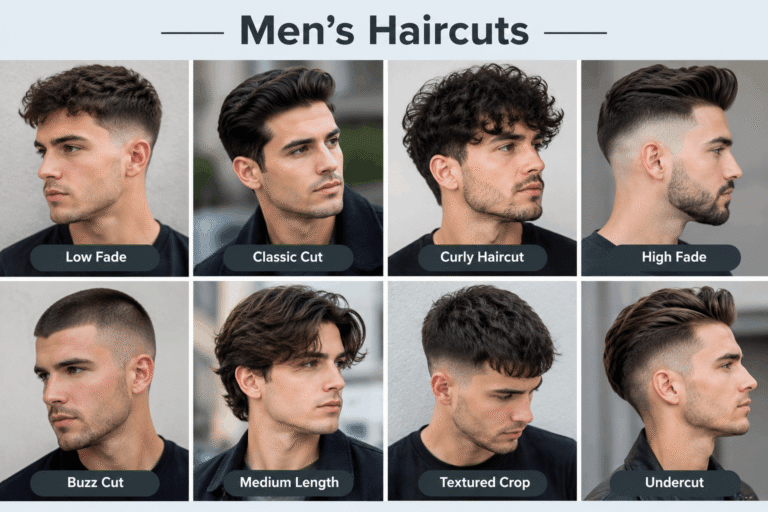
6. Undercut Pixie
An undercut pixie removes more hair from selected areas underneath the longer top section.
The result can be sharp, contemporary and edgy.
It can also remove unwanted bulk from particularly thick hair.
7. Asymmetrical Pixie
An asymmetrical pixie deliberately uses different lengths on opposite sides or around the fringe.
The uneven structure gives the haircut a fashion-forward appearance without requiring complicated styling.
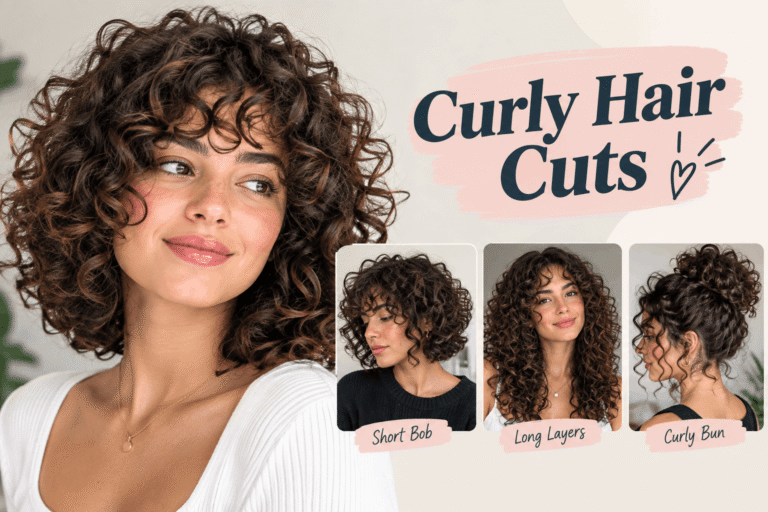
8. Curly Pixie
A pixie does not have to be straight.
Curly and wavy hair can create natural volume and movement in a short cut. The length should be chosen carefully so that curls do not shrink the hair more than expected.
9. Gamine Pixie
The gamine pixie has a refined, delicate appearance inspired by classic cropped hairstyles.
Modern versions tend to combine short proportions with softer texture and face-framing details. The style has experienced renewed interest during 2026.
10. Trixie Pixie
The “Trixie” is a softer interpretation that combines structure with airy texture.
It provides some of the visual impact of a pixie while avoiding an overly severe finish. It has also been highlighted among current short-hair trends.
Which Face Shape Looks Best With a Pixie?
There is no single face shape that owns the pixie cut.
The important factor is customization.
Oval Face
An oval face can generally accommodate many pixie variations.
You can experiment with:
- Short fringes
- Longer bangs
- Textured crowns
- Sleek sides
- Messy layers
Round Face
For a rounder face, adding height through the top can create a more elongated visual effect.
Excessive width around the sides may make the face appear broader, so your stylist may prefer a more tapered shape.
Square Face
Soft layers and movement around the forehead can balance stronger jawlines.
A heavily structured cut can also work if you prefer a sharper appearance.
Heart-Shaped Face
A longer fringe or additional fullness around the lower sides can help create balance.
Avoid choosing a cut solely from a photograph because your hair density and growth pattern may produce a different result.
Long Face
A pixie with some fullness on the sides and a softer fringe may help balance a longer facial structure.
Extremely high volume at the crown may visually lengthen the face further.
Is a Pixie Cut Suitable for Fine Hair?
Yes.
A pixie cut can actually make fine hair appear more substantial because shorter strands do not become weighed down by their own length.
However, too many layers can sometimes make fine hair look thinner.
A skilled stylist may instead use controlled layering and a suitable shape to create the appearance of fullness.
A side-swept fringe can also provide additional visual density around the front.
What About Thick Hair?
Thick hair can look excellent in a pixie, but controlling bulk is important.
A stylist may use:
- Tapering
- Strategic layering
- Undercutting
- Texturizing
- Weight removal
The goal is not simply to remove as much hair as possible. The shape should still have enough structure to remain attractive as it grows.
Can Curly Hair Have a Pixie Cut?
Absolutely.
A curly pixie can showcase natural texture instead of trying to eliminate it.
The main challenge is shrinkage. Hair that looks a certain length when wet may appear considerably shorter when dry.
For this reason, someone with curls should work with a stylist who understands curly hair behavior and cutting techniques.
Is a Pixie Cut Low Maintenance?
This depends on what you mean by maintenance.
Daily styling can become easier because there is less hair to wash, dry and manage.
However, maintaining the actual haircut often requires regular trims.
As the hair grows, the carefully designed proportions of a pixie can change quickly. A short style may therefore need more frequent salon visits than a medium-length haircut.
Current styling guidance for some gamine pixie variations suggests trims around every four to six weeks to maintain the intended shape.
How to Style a Pixie Cut
The styling method depends on the haircut and hair texture.
For a Sleek Look
Apply a small amount of smoothing product and gently direct the hair into place.
A side part can create a classic finish.
For a Messy Look
Use a lightweight texturizing product and work it through the top with your fingers.
Avoid using too much product because short hair can become heavy quickly.
For a Spiky Finish
A small amount of styling wax or paste can separate individual sections and create definition.
For a Soft Look
Use a lightweight cream or mousse to encourage movement without making the hair stiff.
Natural texture can often do much of the work.
How Often Should You Trim a Pixie?
The shorter and more structured the pixie, the more frequently it may need reshaping.
Many people schedule a trim approximately every four to six weeks, although the ideal interval depends on how quickly their hair grows and how precise they want the haircut to remain.
If you prefer a more grown-out look, you can allow longer periods between appointments.
Can You Grow Out a Pixie Cut?
Yes, but the process requires patience.
As the hair grows, it may pass through awkward stages because different areas become longer at different rates.
A stylist can help by gradually reshaping the haircut rather than allowing every section to grow without direction.
Common transitional stages include:
Pixie → Longer Pixie → Bixie → Bob
A bixie, which combines elements of a bob and pixie, can be a useful intermediate style for people growing out short hair. It is also among the short-hair variations being highlighted in current trend coverage.
Pixie Cut vs. Bixie
Although the names sound similar, they are not identical.
A pixie is generally shorter, particularly around the back and sides.
A bixie sits between a bob and pixie and usually provides more length around the sides and neckline.
If you want the freedom of a short haircut but still want enough length to experiment with, a bixie may be a comfortable middle ground.
Should You Bring a Photo to Your Hairstylist?
Yes.
A photograph can communicate details that are difficult to describe verbally.
However, do not expect the exact same haircut to look identical on you.
Hair density, texture, cowlicks, facial structure and natural growth patterns all affect the final result.
Instead of asking for an exact copy, show your stylist what you like about the reference image and discuss how that feature can be adapted to your hair.
Things to Consider Before Getting a Pixie
A pixie is a significant change if you are accustomed to long hair.
Before cutting, consider:
- How comfortable you are with short hair
- Your natural hair texture
- How frequently you can visit a salon
- Your preferred styling routine
- Whether you regularly use ponytails or buns
- How you feel about exposing your ears and neck
- How much time you want to spend styling
If you are uncertain, starting with a longer pixie can make the transition easier.
Pixie Cut Color Ideas
Short hair can make color details particularly noticeable.
Popular approaches include:
- Rich brunette
- Soft black
- Warm caramel
- Honey blonde
- Platinum blonde
- Copper
- Deep auburn
- Subtle highlights
- Dimensional balayage
Because the haircut is already a statement, you do not necessarily need an extreme color change.
Sometimes a subtle tonal variation is enough to emphasize the texture.
How to Maintain Healthy Hair After a Pixie
Short hair still needs proper care.
Use products appropriate for your scalp and hair type rather than assuming that short hair requires no maintenance.
Helpful habits include:
- Washing according to your scalp’s needs
- Using conditioner when appropriate
- Avoiding excessive heat
- Limiting harsh chemical treatments
- Protecting hair from unnecessary damage
- Keeping styling products lightweight
- Scheduling trims before the shape becomes difficult to manage
Pros and Cons of a Pixie Cut
Pros
- Creates a bold transformation
- Can highlight facial features
- Works across many hair textures
- Can reduce daily drying time
- Offers many styling variations
- Can make fine hair appear fuller
- Provides a modern and confident appearance
Cons
- Requires regular reshaping
- Growing it out can take patience
- Some people miss the ability to tie their hair back
- Very short cuts reveal natural growth patterns
- A poorly chosen shape may be difficult to hide while growing out
Is a Pixie Cut Right for You?
The best pixie is not necessarily the shortest one.
A successful haircut should fit your lifestyle, natural texture and personal preferences.
If you love dramatic changes, an ultra-short crop may be exciting. If you are nervous about losing too much length, a longer or softer pixie can provide a gentler introduction.
The most important step is finding a stylist who is comfortable working with short hair and can adapt the haircut rather than simply reproducing a generic template.
Conclusion
The pixie cut remains one of the most versatile short hairstyles because it can be transformed through length, texture, fringe, layering and shape. From classic cropped versions to soft pixies, curly cuts, asymmetrical styles and modern gamine variations, there is no single formula for the look.
The right pixie should work with your natural hair rather than against it. Face shape, density, texture and daily routine all matter when deciding how short to go.
If you are ready for a dramatic change but want a haircut that can still be personalized, a pixie can be an excellent choice. Taking a few reference photos to your stylist and discussing your natural hair pattern before cutting can help you leave the salon with a style that feels genuinely yours.
Frequently Asked Questions
1. What is a pixie cut?
A pixie cut is a short hairstyle that is generally cropped around the back and sides while leaving some additional length on top.
2. Is a pixie cut good for thin hair?
Yes. Shorter hair can sometimes create the appearance of greater fullness, particularly when the cut is shaped correctly for fine hair.
3. Does a pixie cut suit a round face?
It can. A stylist may add height through the crown and keep the sides relatively controlled to create a balanced appearance.
4. Can curly hair have a pixie cut?
Yes. Curly and wavy hair can produce beautiful texture in a pixie, although shrinkage should be considered before choosing the final length.
5. How often should a pixie cut be trimmed?
Many short pixies benefit from reshaping approximately every four to six weeks, although individual preferences and hair growth rates vary.
6. Is a pixie cut easy to style?
It can be. There is less hair to dry and manage, although maintaining the haircut’s shape may require regular trims and a small amount of styling product.
7. Can I grow out a pixie cut?
Yes. Growing out a pixie takes time, but intermediate styles such as a longer pixie or bixie can make the transition easier.
8. What is a soft pixie cut?
A soft pixie uses gentler layers, wispy sections and face-framing details to create a less severe appearance than an ultra-short traditional crop.
9. Is a pixie cut still trendy in 2026?
Yes. Pixie variations remain prominent in 2026, including soft, textured, gamine, contour and longer interpretations.
10. Should I show my hairstylist a picture before getting a pixie?
Yes. Reference photos can help communicate your preferred length, fringe and overall shape. Your stylist can then adapt those features to your own hair texture and facial structure.