Hair Store Near Me: How to Find the Right Hair Care Products
Introduction
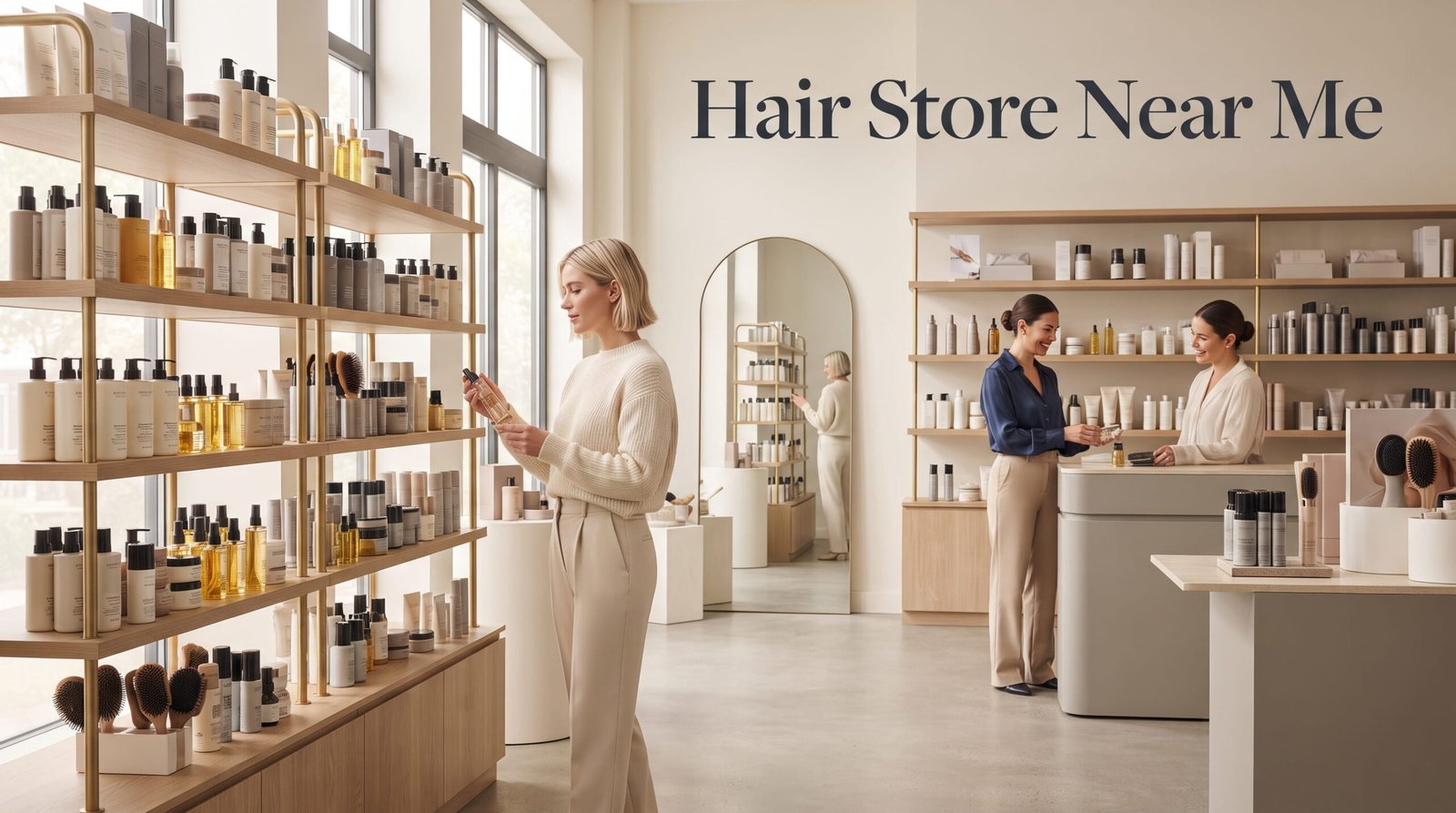
Searching for a hair store near me is often the quickest way to find shampoos, conditioners, styling products, hair treatments, brushes, accessories, and professional hair-care supplies without waiting for an online delivery.
But finding a nearby store is only the first step. The better question is whether the store actually carries products suitable for your hair type and current concerns. Curly, straight, color-treated, dry, oily, thinning, damaged, and textured hair can all require very different products.
A good local hair store should offer a useful range of products, knowledgeable staff, clear ingredient information, and options that fit your routine and budget. This guide explains what to look for when searching for a hair store nearby and how to choose products once you get there.
What Does “Hair Store Near Me” Mean?
The phrase hair store near me usually refers to a local shop that sells products and supplies related to hair care and styling.
Depending on the business, you may find:
- Shampoo
- Conditioner
- Hair masks
- Leave-in treatments
- Hair oils
- Serums
- Heat protectants
- Styling creams
- Gels
- Mousses
- Hair sprays
- Brushes and combs
- Hair dryers
- Curling tools
- Straighteners
- Hair extensions
- Wigs
- Bonnets and hair accessories
- Products for textured or curly hair
- Professional salon products
Some stores specialize in hair products, while others combine hair care with cosmetics, skincare, beauty tools, and personal-care items.
Why Shop at a Local Hair Store?
Buying hair products locally has several advantages.
You Can See the Products Before Buying
Shopping in person allows you to check the packaging, product size, texture, instructions, and ingredients before spending money.
You Can Ask Questions
Store employees may be able to explain differences between similar products, although professional medical advice should come from an appropriate healthcare provider.
You Get Products Immediately
If you have run out of shampoo or need a styling product for an upcoming occasion, a nearby store can be much more convenient than waiting for shipping.
You Can Compare Options
A physical store may allow you to compare different brands and formulations side by side.
It Can Be Easier to Find Specialized Products
Some local beauty and hair stores carry products designed for curly, textured, chemically treated, or protective hairstyles that may not be available at every general retailer.
What Should You Look for in a Hair Store?
Not every hair store offers the same shopping experience. Before choosing one, consider several factors.
Product Variety
A useful store should have more than a few basic shampoos. Look for a selection covering cleansing, conditioning, treatment, styling, and accessories.
Hair-Type Options
If you have curly, coily, textured, color-treated, or chemically processed hair, check whether the store carries products specifically formulated for your needs.
Product Authenticity
Buy from reputable retailers whenever possible. Extremely discounted products, damaged packaging, missing labels, or questionable seals can be reasons to look elsewhere.
Expiration and Packaging
Check packaging carefully. Avoid products that appear damaged, leaking, tampered with, or unusually old.
Helpful Staff
Good customer service can make shopping easier, especially when several products appear similar.
Choosing Products for Your Hair Type
The right product depends on your hair’s characteristics rather than simply choosing the most popular brand.
Dry Hair
Dry hair often benefits from a gentle cleansing routine and conditioning products designed to improve softness and manageability.
Look for:
- Moisturizing conditioners
- Hair masks
- Leave-in conditioners
- Lightweight oils or serums
- Products designed for dry or damaged hair
Avoid repeatedly using harsh cleansing products if they leave your hair feeling excessively dry.
Oily Hair
People with oily scalps may prefer lighter products and a cleansing routine suited to their scalp.
Heavy oils and thick styling products can sometimes make the hair feel greasy more quickly.
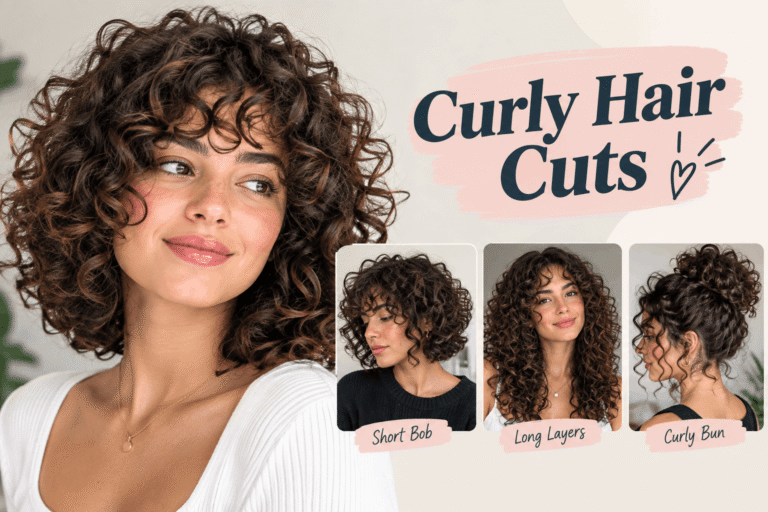
Curly Hair
Curly hair often benefits from products that support moisture, definition, and frizz control.
Possible choices include:
- Curl creams
- Leave-in conditioners
- Gels
- Lightweight oils
- Hydrating masks
The best combination depends on curl pattern, porosity, density, and personal preference.
Fine Hair
Fine hair can become weighed down by heavy products.
Lightweight conditioners, volumizing products, and smaller amounts of styling products may work better for some people.
Thick or Coarse Hair
Thicker hair may require richer conditioning and more substantial styling products, particularly when dryness and frizz are concerns.
Color-Treated Hair
Color-treated hair may benefit from products specifically designed for chemically treated hair. Gentle cleansing and appropriate conditioning can help maintain manageability and appearance.
Hair Store vs. Salon
A hair store and a salon serve different purposes.
A hair store primarily sells products, tools, accessories, and sometimes professional supplies.
A salon primarily provides services such as:
- Haircuts
- Blowouts
- Hair coloring
- Highlights
- Styling
- Chemical treatments
- Hair treatments
Some businesses combine both services, allowing customers to receive professional treatment and purchase products for home maintenance.
What Products Should You Buy From a Hair Store?
The answer depends on your routine.
A basic hair-care collection might include:
- Shampoo suitable for your scalp
- Conditioner suitable for your hair
- A treatment or mask when needed
- Heat protectant if you regularly use hot tools
- A styling product appropriate for your desired look
- A suitable brush or comb
Buying every product on the shelf is unnecessary. A simple routine that suits your hair is often more useful than a large collection of products.
Professional Hair Products
Some stores sell products normally associated with salons.
These may include concentrated treatments, professional styling products, color-care systems, and specialized tools.
Professional products are not automatically better simply because they cost more. The formulation, ingredients, suitability for your hair, and how you use the product matter more than the label.
How to Find a Good Hair Store Near You
When searching online, try terms such as:
“hair care products near me”
“professional hair products near me”
“curly hair products near me”
“beauty supply store near me”
“hair products store near me”
You can then compare store locations, operating hours, product categories, customer reviews, and available services.
It is also worth checking whether the store has the particular product or brand you want before making a trip.
Questions to Ask Before Buying a Product
If you’re unsure which product to choose, consider asking:
- Is this suitable for my hair type?
- Is it intended for the scalp or the hair lengths?
- Is it moisturizing or lightweight?
- Is it designed for color-treated hair?
- How frequently should it be used?
- Does it contain fragrance or ingredients I need to avoid?
- Is it a styling product or a treatment?
- What size is best for regular use?
If you have a scalp condition, significant hair loss, persistent itching, scaling, or sudden changes in hair density, a dermatologist or qualified healthcare professional may be more appropriate than relying solely on store recommendations.
Hair Products for Different Routines
Simple Everyday Routine
A basic routine can include shampoo, conditioner, and a suitable styling or leave-in product.
Dry Hair Routine
A moisturizing shampoo, conditioner, occasional mask, and leave-in treatment may be useful depending on the condition of the hair.
Curly Hair Routine
A gentle cleanser, conditioner, leave-in product, curl-defining product, and occasional deep-conditioning treatment can form a practical routine.
Heat Styling Routine
If you regularly use a blow dryer, straightener, or curling tool, consider adding a heat-protectant product before styling.
Common Shopping Mistakes
Buying hair products can become expensive when shopping is based entirely on trends.
Common mistakes include:
- Buying products without checking hair needs
- Using too many products at once
- Choosing products only because they are expensive
- Ignoring the scalp
- Buying counterfeit or questionable products
- Using excessive amounts
- Changing the entire routine every few days
- Expecting one product to solve every hair concern
A more practical approach is to introduce products gradually and observe how your hair responds.
When a Hair Store Is Not Enough
A retail product may not address an underlying scalp or hair disorder.
Consider professional medical evaluation if you experience:
- Sudden hair loss
- Significant thinning
- Bald patches
- Persistent scalp itching
- Severe dandruff or scaling
- Painful scalp lesions
- Recurrent scalp infections
- Unexplained changes in hair texture
- Excessive shedding that persists
A dermatologist can evaluate the scalp and hair and determine whether an underlying condition requires treatment.
How to Save Money at a Hair Store
You do not need an expensive routine to care for your hair effectively.
Some practical strategies include:
- Compare product sizes
- Calculate the cost per ounce or milliliter
- Buy only products you actually use
- Avoid unnecessary duplicates
- Look for suitable alternatives
- Check store promotions
- Use styling products sparingly
- Invest more in products that address your actual needs
A simple routine can often be easier to maintain than a shelf full of products.
Conclusion
Finding a hair store near me can make hair care shopping faster and more convenient, but choosing the right store and products requires more than simply picking the closest location.
Look for a retailer with authentic products, useful variety, clear labeling, and options suited to your particular hair type. Whether you have curly, fine, thick, dry, oily, textured, or color-treated hair, focus on what your hair and scalp actually need instead of following every new trend.
For persistent scalp problems, unexplained hair loss, or significant changes in hair growth, a dermatologist can provide a more appropriate assessment than a retail recommendation.
FAQs About Hair Store Near Me
1. What can I buy at a hair store near me?
You may find shampoos, conditioners, hair masks, oils, serums, styling products, brushes, combs, heat-styling tools, accessories, extensions, wigs, and professional hair-care products.
2. How do I find the best hair store near me?
Compare nearby stores based on product selection, authenticity, customer reviews, operating hours, prices, and whether they carry products suitable for your hair type.
3. Can I find professional hair products at a local store?
Some beauty supply stores and specialized hair retailers carry professional products. Availability varies by location.
4. What should I buy for dry hair?
Moisturizing shampoos, conditioners, hair masks, leave-in products, and suitable oils or serums may be useful depending on your hair’s needs.
5. Where can I find products for curly hair?
Look for stores that specifically stock curl creams, leave-in conditioners, gels, moisturizing treatments, and products designed for textured hair.
6. Are expensive hair products always better?
No. Price alone does not determine whether a product is suitable. Ingredients, formulation, hair type, and how the product is used are more important considerations.
7. Can a hair store diagnose hair loss?
A retailer can recommend products, but persistent or unexplained hair loss should be evaluated by a qualified healthcare professional, such as a dermatologist.
8. Should I buy shampoo and conditioner from the same brand?
Not necessarily. Products from different brands can be combined if they work well with your hair and scalp.
9. How often should I change my hair products?
There is no universal schedule. If a product works well and your hair remains healthy, there may be no reason to change it simply because a new product becomes popular.
10. What should I do if my scalp is itchy or my hair is suddenly falling out?
Instead of relying only on retail products, consider seeing a dermatologist. Persistent itching, scaling, inflammation, or sudden hair loss can have underlying causes that require proper diagnosis.