Duck Nails: Designs, Shapes, Ideas, and Styling Tips
Introduction
Duck nails are one of those nail styles that instantly stand out. Instead of narrowing toward the tip like almond or stiletto nails, duck nails become noticeably wider as they extend outward. This unusual silhouette gives the manicure a playful, bold, and nostalgic appearance.
Also called flare nails, it can be decorated in countless ways. From colorful French tips and rhinestones to glitter, airbrushed artwork, and Y2K-inspired designs, the wider surface provides plenty of room for creativity.
If you enjoy statement manicures and want something different from conventional nail shapes, it can be an interesting choice.
What Are Duck Nails?
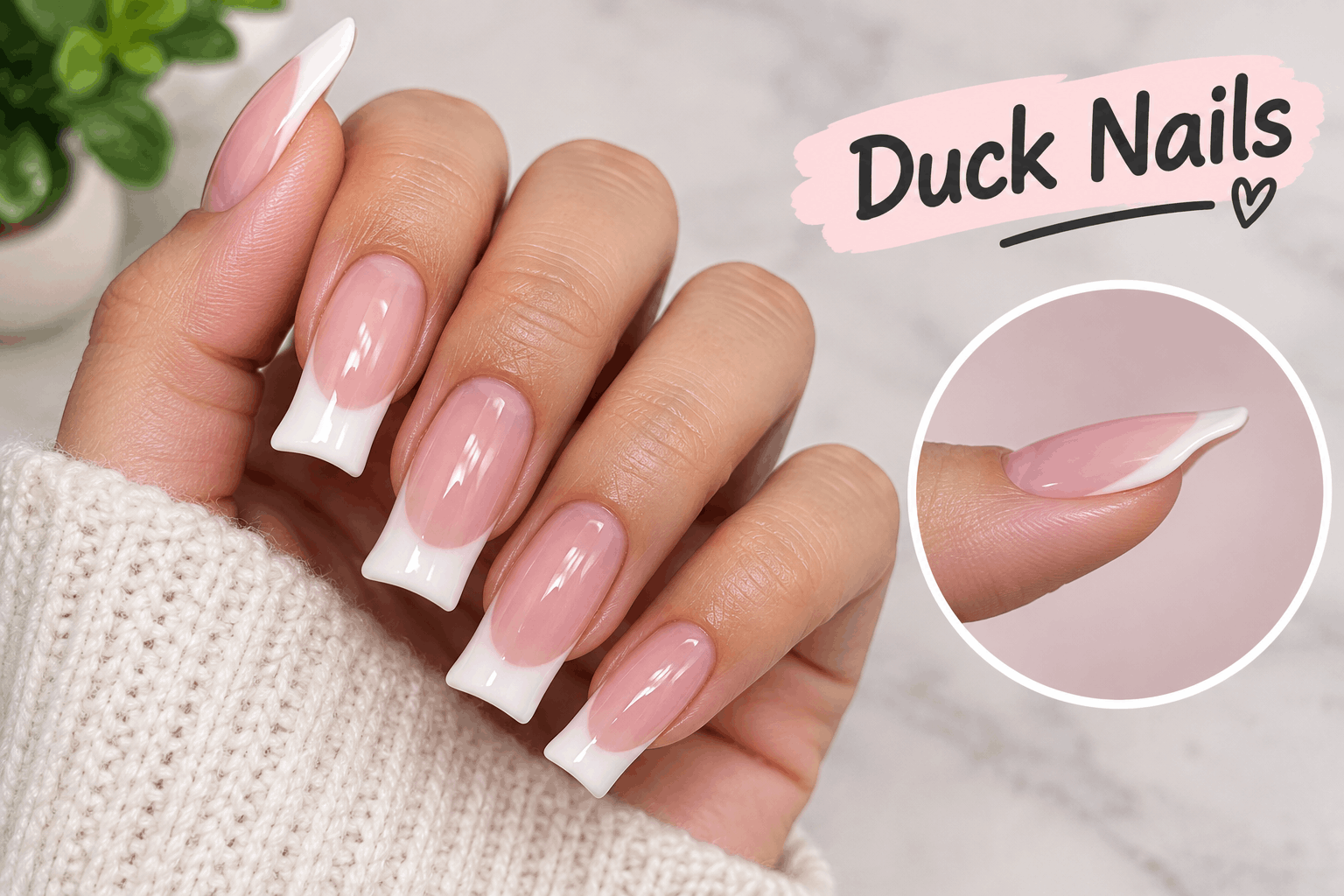
They are a flared nail shape in which the free edge is wider than the area closer to the natural nail.
The name comes from the shape’s resemblance to a duck’s foot. Unlike tapered nail shapes, the sides extend outward toward the tip.
The look can be created with natural nails if the length and structure allow it, but the style is often associated with acrylic or artificial enhancements because extensions make it easier to create a dramatic flare.
Why Are They Called Duck Nails?
The term comes from the distinctive silhouette.
When viewed from above, the nail spreads outward toward the end instead of becoming narrower. This creates a shape that resembles the broad appearance of a duck’s foot.
Some people use “duck nails” and “flare nails” interchangeably, although the degree of flare can vary from one manicure to another.
Duck Nails vs. Other Nail Shapes
Duck nails have a very different profile from many familiar nail shapes.
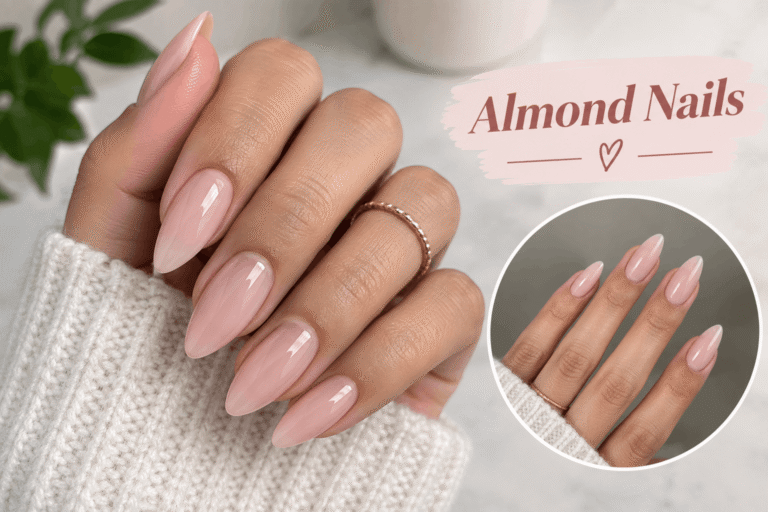
Almond nails gradually taper into a rounded point.
Coffin nails have relatively straight sides and a flat tip.
Stiletto nails become dramatically narrow and pointed.
Square nails maintain straighter sidewalls and finish with a flat edge.
It move in the opposite direction by becoming wider toward the tip.
This makes them particularly noticeable when compared with more streamlined shapes.
Short Duck Nails
Duck nails do not have to be extremely long.
A shorter flare can create a more wearable interpretation while maintaining the signature silhouette. Short nails can work especially well with simple colors, small French tips, glossy finishes, or minimalist decoration.
Keeping the extension relatively short can also make everyday activities easier than wearing an extremely long version.
Long Duck Nails
Long nails create a much more dramatic effect.
The additional surface gives plenty of space for:
- Large artwork
- Rhinestones
- 3D decorations
- Oversized French tips
- Chrome effects
- Multiple colors
- Character-inspired designs
Long versions are often chosen when the goal is a highly noticeable statement manicure.
Popular Duck Nail Designs
Classic French
A French manicure becomes more playful when placed on a flared nail.
Instead of a traditional narrow white tip, the wider edge provides a larger canvas for the French design.
Colorful French Tips
Bright pink, blue, purple, green, orange, and yellow tips can give a cheerful appearance.
Using a different color on each nail creates an especially playful manicure.
Chrome Duck Nails
Chrome finishes add a reflective metallic effect.
Silver, pink, gold, blue, and iridescent chrome can make the unusual nail shape look even more dramatic.
Glitter Duck Nails
Glitter works particularly well on a larger nail surface. You can cover the entire nail with shimmer or use glitter only around the tip.
Rhinestone Duck Nails
Rhinestones can turn it into a glamorous statement manicure. A few carefully placed stones can look elegant, while dense crystal decoration creates a much more dramatic result.
Animal Print
Leopard, zebra, cow print, and other animal patterns pair naturally with the unconventional shape.
Y2K Duck Nails
They are often associated with playful throwback aesthetics, making them suitable for Y2K-inspired colors and decorations.
Think:
- Bright pink
- Baby blue
- Glitter
- Checkerboard patterns
- Tiny hearts
- Metallic details
- Cartoon-inspired artwork
Pink Duck Nails
Pink is one of the easiest colors to adapt to this shape.
Soft pink creates a subtle appearance, while hot pink or neon shades produce a more energetic manicure.
A pink base combined with white French tips can create a balance between playful and polished.
Black Duck Nails
Black makes the flared silhouette particularly noticeable.
Glossy black can look sleek and dramatic, while black combined with chrome, glitter, flames, or graphic artwork creates a stronger statement.
For a softer interpretation, black French tips can be used over a nude or transparent base.
White Duck Nails
White nails provide a clean background for creative details.
They can be paired with:
- Silver chrome
- Rhinestones
- Pastel artwork
- Gold accents
- Tiny floral designs
- Colorful French tips
A completely white manicure can also make the unusual shape itself the main feature.
Duck Nails With Rhinestones
The broad tip gives rhinestones plenty of visual space.
For an elegant design, place a few stones near the cuticle or along the center of the nail. For a more extravagant look, use clusters or crystal outlines.
Because embellishments can add weight, very heavy decorations should be applied carefully and professionally.
Duck Nails With 3D Art
Three-dimensional flowers, bows, pearls, hearts, and other decorations can be used to create a highly customized manicure.
The wider shape provides room for larger details that might look crowded on a narrow nail.
However, large decorations can catch on clothing and everyday objects, so practicality should be considered.
Duck Nails for Different Occasions
Everyday
For everyday wear, choose a shorter flare with a neutral color or simple French design.
Parties
Bright colors, chrome, glitter, and rhinestones can create a more dramatic party manicure.
Holidays
Seasonal colors and artwork can transform for Christmas, Halloween, Valentine’s Day, or other celebrations.
Weddings
A softer version using nude, ivory, pearl, or pale pink can work for someone who wants an unconventional bridal manicure.
How Are Duck Nails Created?
A nail technician generally creates the shape by using an artificial enhancement or extension and carefully building the structure outward toward the free edge.
The exact process depends on whether acrylic, gel, tips, or another enhancement system is being used.
The nail must be properly balanced rather than simply made wider. Incorrect structure can make the enhancement uncomfortable or more vulnerable to lifting and breakage.
Can You Get Duck Nails on Natural Nails?
It may be possible to create a mild flare on natural nails, depending on their length and strength.
However, the exaggerated duck-foot appearance is often easier to achieve with extensions.
A qualified nail technician can determine which method is appropriate for your natural nail condition.
Are Duck Nails Comfortable?
Comfort depends heavily on length, thickness, shape, and application quality.
Extremely long or heavily decorated nails can interfere with typing, opening containers, sports, cleaning, and other everyday tasks.
A shorter version may be easier to manage while still providing the recognizable flared shape.
How Long Do Duck Nails Last?
The lifespan depends on the enhancement system, natural nail growth, daily activities, and maintenance.
As the natural nail grows, the original shape moves farther away from the cuticle and may require a fill or replacement.
Avoid picking or forcibly removing enhancements because this can damage the natural nail plate.
Duck Nails and Nail Health
The appearance of a manicure should not come at the expense of nail health.
Healthy practices include:
- Avoiding aggressive filing of the natural nail
- Allowing proper removal of enhancements
- Keeping tools and work surfaces clean
- Avoiding products that cause irritation
- Not picking at lifting enhancements
- Giving damaged nails time to recover
Pain, swelling, persistent redness, discoloration, or drainage around the nail should be evaluated rather than covered with another manicure.
How to Choose the Right Duck Nail Design
Start by deciding how dramatic you want the flare to be.
If you want something easier to wear, choose:
- Shorter length
- Mild flare
- Simple color
- Minimal decoration
For a statement manicure, consider:
- Longer extensions
- Stronger flare
- Chrome
- Rhinestones
- 3D decorations
- Detailed artwork
Your lifestyle should be part of the decision. A dramatic manicure may look impressive but can be inconvenient if your daily activities require frequent use of your hands.
How to Maintain it
Regular maintenance keeps the manicure looking cleaner and can help prevent problems.
Avoid using your nails as tools to open cans, scrape surfaces, or remove objects.
Keep the surrounding skin moisturized and follow the nail technician’s aftercare instructions.
If an extension becomes loose, have it repaired or removed properly instead of pulling it off yourself.
Duck Nails: Pros and Cons
Pros
- Distinctive appearance
- Large surface for nail art
- Excellent for colorful designs
- Works well with Y2K aesthetics
- Can accommodate rhinestones and 3D decorations
- Offers an alternative to conventional nail shapes
Cons
- Can be less practical when very long
- Wide tips may catch on objects
- Heavy decorations can add weight
- Requires careful shaping
- May not suit every lifestyle
- Artificial enhancements require proper removal and maintenance
Final Thoughts
They are a bold alternative to traditional nail shapes. Their defining feature is the outward flare toward the tip, creating a wide silhouette that provides plenty of space for artistic designs.
Whether you choose short pink nails, colorful French tips, chrome finishes, rhinestones, or elaborate Y2K artwork, the style can be customized to match your personality.
The key is choosing a length and structure that remain comfortable and getting enhancements applied and removed correctly. A creative manicure should still be paired with good nail-care habits.
FAQs
1. What are duck nails?
Duck nails are a flared nail shape that becomes wider toward the tip rather than narrowing like almond or stiletto nails.
2. Are duck nails also called flare nails?
Yes. The terms are often used interchangeably because the defining feature is the outward flare of the nail.
3. Can you get duck nails on natural nails?
A mild flare may be possible on natural nails, but a dramatic duck shape is generally easier to create with extensions.
4. Are duck nails still popular?
Duck nails remain a recognizable statement style, particularly among people who enjoy bold, playful, Y2K-inspired manicures.
5. What designs look good on duck nails?
French tips, chrome, glitter, rhinestones, animal prints, colorful artwork, and Y2K-inspired designs all work well with the wider surface.
6. Can duck nails be short?
Yes. A shorter version can maintain the flared shape while being more practical for everyday activities.
7. Are duck nails comfortable?
Comfort depends on length, thickness, and application. Extremely long or heavily decorated nails can be more difficult to use in daily activities.
8. How do you maintain duck nails?
Avoid using them as tools, moisturize the surrounding skin, follow professional aftercare instructions, and repair lifting or damaged enhancements rather than pulling them off.
9. Can duck nails damage natural nails?
Improper application, aggressive filing, picking, or forceful removal of enhancements can damage natural nails. Professional application and removal can help reduce unnecessary damage.
10. Are duck nails good for nail art?
Yes. Their wider tip creates more space for French tips, patterns, rhinestones, chrome effects, and detailed artwork..