Russian Manicure: Benefits, Process, Safety, Cost and Aftercare
Introduction
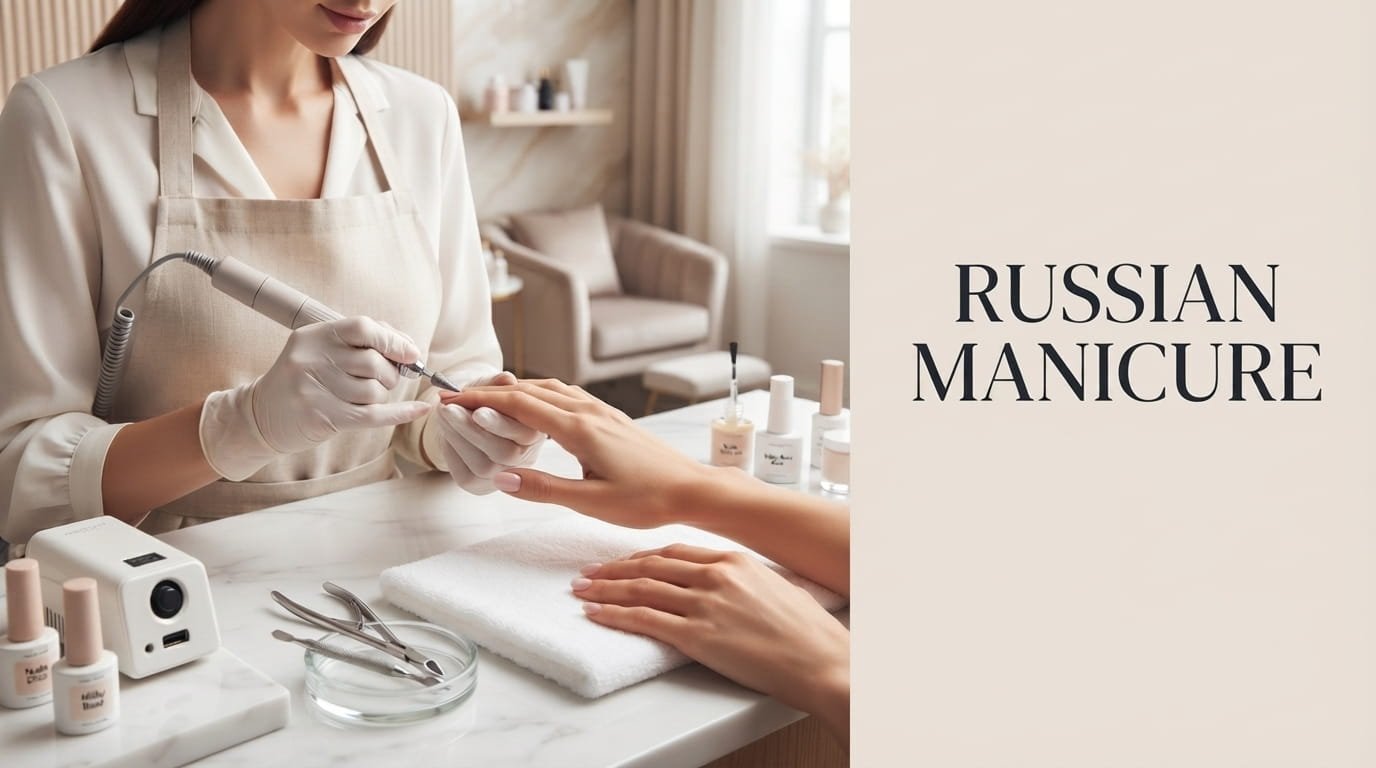
A Russian manicure is a detailed nail-care technique that focuses on cleaning and shaping the cuticle area to create an exceptionally neat, polished appearance. Unlike a traditional manicure, where the cuticle may simply be softened and gently pushed back, a Russian manicure typically uses an electric nail drill with specialized bits to remove dead skin around the nail plate.
The technique has become increasingly popular through social media because it can produce a very clean-looking nail contour and make polish appear to extend closer to the base of the nail. However, the procedure requires considerable skill. Working too aggressively around the cuticle can cause cuts, irritation, infection, or damage to the nail’s protective barrier.
A Russian manicure can be attractive when performed correctly, but precision, sterilization, and professional training are extremely important. This guide explains how the technique works, its potential benefits and risks, how it differs from a traditional manicure, aftercare tips, and what to consider before booking one.
What Is a Russian Manicure?
A Russian manicure is a dry manicure technique that uses specialized electric-file bits to carefully clean the skin around the nail plate.
The name does not necessarily mean that the service must be performed in Russia. It refers to a particular manicure technique that became strongly associated with Russian and Eastern European nail artists.
The main characteristics include:
- Detailed cuticle preparation
- Electric-file or e-file use
- Dry nail preparation
- Removal of loose dead skin
- Precise shaping of the nail
- Polish or gel application close to the cuticle
The objective is to create a very clean transition between the nail plate and surrounding skin.
How Is a Russian Manicure Different From a Traditional Manicure?
The biggest difference is the way the cuticle area is treated.
A traditional manicure may involve:
- Soaking or softening the nails
- Pushing the cuticles back
- Trimming only obvious excess skin
- Shaping the nails
- Applying polish
A Russian manicure generally avoids soaking and uses an electric file to perform detailed cuticle preparation.
| Feature | Russian Manicure | Traditional Manicure |
| Nail soaking | Usually no | Often used |
| E-file | Commonly used | Usually not essential |
| Cuticle preparation | Very detailed | Usually simpler |
| Precision | Very high | Moderate |
| Polish placement | Close to cuticle | Usually leaves more space |
| Procedure time | Often longer | Usually shorter |
| Skill requirement | High | Moderate |
| Risk from improper technique | Higher | Generally lower |
What Happens During a Russian Manicure?
A professional Russian manicure generally follows several stages.
1. Nail Assessment
The nail technician examines the nails and surrounding skin.
They may look for:
- Cracks
- Irritation
- Redness
- Hangnails
- Nail damage
- Signs of infection
- Excessively dry skin
If the surrounding skin appears infected or significantly irritated, the service should generally be postponed.
2. Nail Cleaning
The nails are cleaned and prepared without soaking them in water.
Keeping the nails dry can be particularly useful when gel products will be applied afterward because excessive moisture can affect product adhesion.
3. Nail Shaping
The technician files the nails into the desired shape.
Popular shapes include:
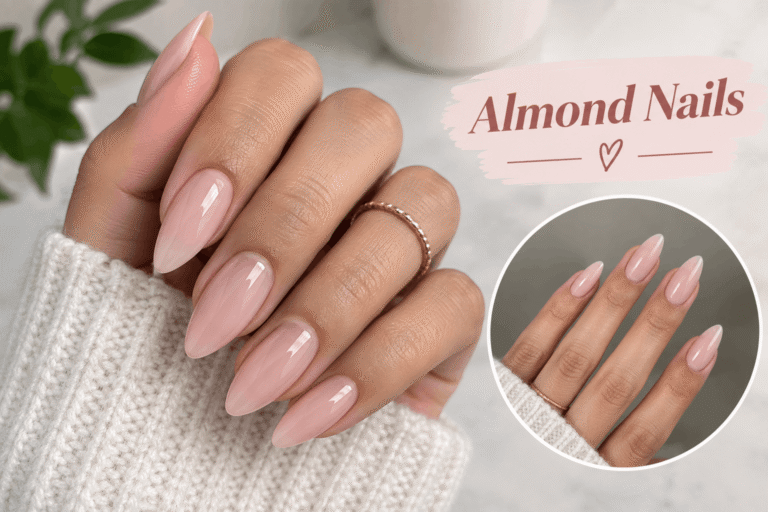
- Almond
- Oval
- Square
- Squoval
- Coffin
- Ballerina
- Stiletto
The shape should complement the natural nail and the client’s preference.
4. Cuticle Preparation
This is the defining part of the Russian manicure.
The technician uses specialized e-file bits to carefully separate and remove loose dead skin around the nail plate.
This stage requires excellent control because the tool is operating close to living tissue.
5. Detailed Cleaning
Small areas around the sidewalls and proximal nail fold may be carefully cleaned.
The goal is a smooth, neat-looking nail perimeter.
6. Buffing and Preparation
The nail plate may be lightly prepared for the chosen nail product.
Aggressive filing of the natural nail should be avoided because excessive thinning can weaken it.
7. Polish or Gel Application
The technician can apply regular polish, gel polish, builder gel, or another appropriate nail enhancement.
Because the cuticle area has been meticulously prepared, the product can often be placed very close to the base of the nail.
8. Finishing
The manicure is finished with the appropriate topcoat or curing process.
Cuticle oil or moisturizer may then be applied around the surrounding skin.
Why Is Russian Manicure So Popular?
One reason is the extremely clean appearance it can create.
The nail plate may appear larger because excess dead skin has been removed from around its perimeter. The polish can also look as though it extends almost directly from the base of the nail.
This can create a polished appearance that lasts visually as the nail grows.
Social media has also contributed significantly to the popularity of highly detailed manicure techniques.
Potential Benefits of a Russian Manicure
Clean Appearance
The technique can produce an exceptionally neat cuticle area.
Precise Polish Application
The technician can apply polish very close to the nail’s base.
Longer-Lasting Appearance
The manicure may continue to look polished as the nail grows because the product starts very close to the cuticle.
However, this does not necessarily mean the manicure itself lasts indefinitely. Nail growth, product quality, lifestyle, and aftercare all affect longevity.
Customized Nail Shape
The nails can be carefully shaped according to the individual’s fingers and natural nail structure.
Detailed Cuticle Care
Loose, dead skin can be carefully removed, leaving the surrounding area smoother.
Is a Russian Manicure Safe?
A Russian manicure can be performed safely when appropriate technique, training, and hygiene practices are followed, but the procedure has risks because it involves working extremely close to living tissue.
The biggest concern is excessive cutting or filing of the cuticle and surrounding skin.
The cuticle serves as part of the protective barrier around the nail. Damaging this area can make it easier for microorganisms to enter.
Potential complications include:
- Cuts
- Bleeding
- Pain
- Irritation
- Inflammation
- Infection
- Nail damage
- Increased sensitivity
For this reason, the skill of the nail technician matters enormously.
What Are the Risks of a Russian Manicure?
Infection
Breaking the skin around the nail can provide an entry point for bacteria or fungi.
Tools that are not properly cleaned and disinfected can also spread infections between clients.
Over-Filing
Using an e-file too aggressively can damage the nail plate or surrounding tissue.
Bleeding
If the technician cuts living tissue rather than loose dead skin, bleeding can occur.
Nail Thinning
Repeated aggressive filing of the natural nail can make it thinner and weaker.
Irritation
Some clients may develop irritation from nail products, cleansers, adhesives, or other chemicals used during the service.
Allergic Reactions
Gel and acrylic nail products can contain ingredients that cause allergic contact dermatitis in susceptible individuals.
If you develop persistent itching, swelling, redness, blistering, or other unusual symptoms after a manicure, discontinue the suspected product and seek medical advice.
What Is the Cuticle?
Understanding the cuticle helps explain why Russian manicures need to be performed carefully.
The cuticle is a layer of dead skin that helps seal the space between the nail plate and the surrounding skin.
The skin around the nail, including the proximal nail fold, is living tissue and provides an important protective barrier.
This is why completely removing or aggressively cutting living tissue is not the goal of safe nail care.
A trained professional should distinguish between loose dead skin and healthy living tissue.
Russian Manicure vs. Cuticle Removal
These terms are sometimes used interchangeably, but they aren’t necessarily identical.
A Russian manicure focuses on detailed preparation of the nail perimeter.
The goal is not to remove all living tissue surrounding the nail.
Aggressive cutting can increase the chance of injury and infection.
A good technician should prioritize the health of the nail and surrounding skin rather than simply trying to achieve the most extreme-looking cuticle line.
Can You Get a Russian Manicure With Gel Polish?
Yes.
Russian manicure techniques are commonly combined with gel polish because the detailed preparation can allow the gel to be applied close to the base of the nail.
A gel manicure can provide:
- High shine
- Durable color
- Reduced chipping
- Longer wear
However, gel products require appropriate curing and careful removal.
Peeling or forcibly removing gel polish can damage the natural nail.
How Long Does a Russian Manicure Take?
A Russian manicure often takes longer than a basic manicure because of the detailed cuticle preparation.
Depending on the technician, nail condition, nail design, and product being applied, a complete appointment may take approximately 1.5 to 2.5 hours.
Intricate nail art can make the appointment considerably longer.
How Long Does a Russian Manicure Last?
The visual appearance can remain attractive for around 2 to 4 weeks, depending on nail growth, product quality, lifestyle, and the type of manicure applied.
However, the exact duration varies.
People who frequently wash their hands, work with water, use cleaning chemicals, or perform activities that stress the nails may notice more wear.
Russian Manicure Cost
The cost varies considerably depending on:
- Location
- Salon reputation
- Technician experience
- Nail length
- Gel or regular polish
- Nail art
- Removal of previous product
A Russian manicure generally costs more than a basic manicure because it requires additional time and specialized skills.
When comparing prices, don’t focus only on the cheapest service. Hygiene, technician training, and quality should be major considerations.
How to Choose a Russian Manicure Technician
Finding the right technician is one of the most important parts of getting this service.
Look for someone who:
- Has specialized training
- Has experience with Russian manicure techniques
- Uses properly sterilized instruments
- Uses disposable files when appropriate
- Maintains a clean workstation
- Does not aggressively cut living tissue
- Can explain their sanitation process
- Has a portfolio of natural-looking work
Don’t hesitate to ask how instruments are sterilized.
A professional should be comfortable explaining their hygiene procedures.
Hygiene and Sterilization
Proper hygiene is critical for any manicure, but especially for a technique that may involve close work around the skin.
A reputable salon should:
- Clean instruments between clients
- Properly disinfect and sterilize reusable metal tools
- Use clean or disposable files where appropriate
- Clean the workstation
- Wash or sanitize hands
- Avoid reusing contaminated products
- Never work on visibly infected skin
If a salon appears dirty or tools are reused without appropriate processing, consider choosing another provider.
Who Should Avoid a Russian Manicure?
A Russian manicure may not be appropriate if the skin around the nails is:
- Bleeding
- Severely cracked
- Inflamed
- Infected
- Painful
- Swollen
You should also inform your nail technician about any nail or skin problems before treatment.
If you have an unexplained change in nail color, shape, thickness, or texture, consider getting it evaluated by a healthcare professional before covering it with cosmetic products.
Russian Manicure for Brittle Nails
If your nails are brittle or peeling, aggressive preparation may make the problem worse.
A manicure does not repair an underlying nail disorder.
Instead, focus on:
- Gentle nail care
- Moisturizing
- Avoiding excessive filing
- Avoiding picking or peeling nail products
- Wearing gloves during prolonged wet work
- Taking breaks from enhancements if necessary
If brittle nails persist, a dermatologist can help determine whether an underlying condition or nutritional issue may be contributing.
Russian Manicure Aftercare
Proper aftercare helps maintain the appearance of your manicure and protect the surrounding skin.
Use Cuticle Oil
Applying cuticle oil regularly can help keep the surrounding skin moisturized.
Moisturize Your Hands
Hand cream can reduce dryness and cracking.
Avoid Picking
Do not pick at lifted gel or polish.
Protect Your Hands
Wear gloves when washing dishes or handling household cleaning products.
Don’t Use Nails as Tools
Avoid opening cans, scraping surfaces, or performing other tasks that put excessive pressure on your nails.
Give Your Nails a Break if Needed
If your nails become thin, painful, or damaged, consider taking a break from enhancements.
How to Maintain a Russian Manicure
To keep the manicure looking fresh:
- Apply cuticle oil daily
- Moisturize after handwashing
- Avoid prolonged exposure to water
- Wear gloves for household chores
- Don’t pick at polish
- Don’t cut your cuticles at home
- Schedule professional maintenance when needed
As the nail grows, the gap between the polish and cuticle will naturally become more noticeable.
Russian Manicure at Home
You may see online tutorials showing people performing Russian manicures on themselves.
However, using an electric nail file around living skin requires considerable skill.
A small mistake can cause:
- Cuts
- Burns from friction
- Nail damage
- Infection
- Over-filing
For this reason, beginners should avoid aggressive DIY cuticle removal.
If you want to care for your nails at home, a safer basic routine is to keep nails clean, gently shape them, moisturize the surrounding skin, and avoid cutting healthy living tissue.
Common Russian Manicure Mistakes
Cutting Too Deeply
The most serious mistake is removing healthy tissue rather than loose dead skin.
Using the Wrong E-File Bit
Different bits have different purposes and levels of abrasiveness.
Applying Excessive Pressure
The tool should be controlled carefully rather than forced against the skin.
Filing the Natural Nail Too Much
The natural nail should not be unnecessarily thinned.
Ignoring Hygiene
Even excellent technique cannot compensate for poor sanitation.
Performing the Procedure on Damaged Skin
Open cuts, inflammation, and suspected infections should not be ignored simply to complete a manicure.
Russian Manicure for Different Nail Shapes
The technique can be adapted to almost any nail shape.
Almond
Creates an elongated, elegant appearance.
Oval
A softer shape that works well with shorter nails.
Square
Provides a clean, structured appearance.
Coffin
Popular for longer artificial or enhanced nails.
Squoval
Combines the straight edge of square nails with softly rounded corners.
The best choice depends on your natural nail length, strength, finger shape, and personal preference.
Is Russian Manicure Better Than a Regular Manicure?
Not necessarily.
It is simply a different technique.
A Russian manicure may be attractive if you want an extremely detailed cuticle area and precise polish application.
A traditional manicure may be preferable if you want:
- A simpler service
- A shorter appointment
- Less intensive cuticle work
- Basic nail maintenance
The healthiest option is the one that maintains the integrity of your nails and surrounding skin.
Questions to Ask Before Your Appointment
Before booking, consider asking:
- Are you trained in Russian manicure techniques?
- How are reusable instruments sterilized?
- Are files disposable or properly sanitized?
- What products will you use?
- How do you handle accidental bleeding?
- Do you work on damaged or infected nails?
- What aftercare do you recommend?
The answers can tell you a lot about the salon’s professionalism.
Pros and Cons of Russian Manicure
| Pros | Cons |
| Extremely neat appearance | Requires highly skilled technician |
| Precise cuticle preparation | Can cause injury if performed incorrectly |
| Polish can be applied very close to nail base | Usually more expensive |
| Can create a polished professional look | Often takes longer |
| Suitable for detailed nail designs | Infection risk if hygiene is poor |
| Can work with gel products | Aggressive filing may damage nails |
| Customized nail shaping | Not appropriate for damaged skin |
| Popular for long-lasting-looking results | DIY versions can be risky |
Conclusion
A Russian manicure is a highly detailed nail-care technique that focuses on precise preparation of the cuticle area and surrounding nail perimeter. Its ability to create an exceptionally clean appearance and allow polish to sit very close to the nail base has made it increasingly popular.
However, the technique is not simply about removing as much cuticle as possible. The skin surrounding the nail provides an important protective barrier, and aggressive cutting or filing can lead to bleeding, irritation, infection, and nail damage.
If you decide to try a Russian manicure, choose an experienced technician who understands nail anatomy and follows strict hygiene procedures. Ask about instrument sterilization, avoid services performed on damaged or infected skin, and pay attention to any unusual symptoms afterward.
For many people, the biggest benefit is the exceptionally precise and polished appearance. But healthy nails and skin should always come before achieving an ultra-clean cosmetic finish.
FAQs About Russian Manicure
1. What is a Russian manicure?
A Russian manicure is a detailed dry manicure technique that commonly uses an electric nail file to carefully prepare the cuticle area and surrounding nail perimeter.
2. Is a Russian manicure painful?
A properly performed Russian manicure should not be painful. Pain, burning, or bleeding may indicate that the technician is working too aggressively or has injured living tissue.
3. Is Russian manicure safe?
It can be safe when performed by a properly trained professional using appropriate technique and strict hygiene. Incorrect technique can cause cuts, irritation, infection, or nail damage.
4. How long does a Russian manicure take?
A typical appointment may take around 1.5 to 2.5 hours, although the time varies depending on nail condition, polish, length, and nail art.
5. How long does a Russian manicure last?
The manicure may look good for approximately 2 to 4 weeks, depending on nail growth, products used, lifestyle, and aftercare.
6. Can Russian manicure damage nails?
Yes, especially if the natural nail is aggressively filed or the surrounding skin is excessively cut. Choosing an experienced technician can reduce unnecessary damage.
7. Can I get gel polish with a Russian manicure?
Yes. Russian manicure techniques are frequently combined with gel polish, allowing the product to be applied very close to the nail base.
8. Can I do a Russian manicure at home?
Basic nail care can be done at home, but using an electric file around the cuticle requires significant training and precision. Aggressive DIY cuticle work can result in cuts, burns, infection, or nail damage.
9. How often should I get a Russian manicure?
There is no universal schedule. Many people return as the nails grow and the manicure becomes visibly grown out. Your technician can recommend an interval based on your nail growth and the type of product used.
10. What is the difference between Russian and traditional manicure?
A Russian manicure generally involves detailed dry cuticle preparation using specialized e-file bits, while a traditional manicure is usually simpler and may involve soaking, gently pushing back the cuticles, shaping the nails, and applying polish.