Dip Powder Nails: Guide to Benefits, Removal & Nail Health
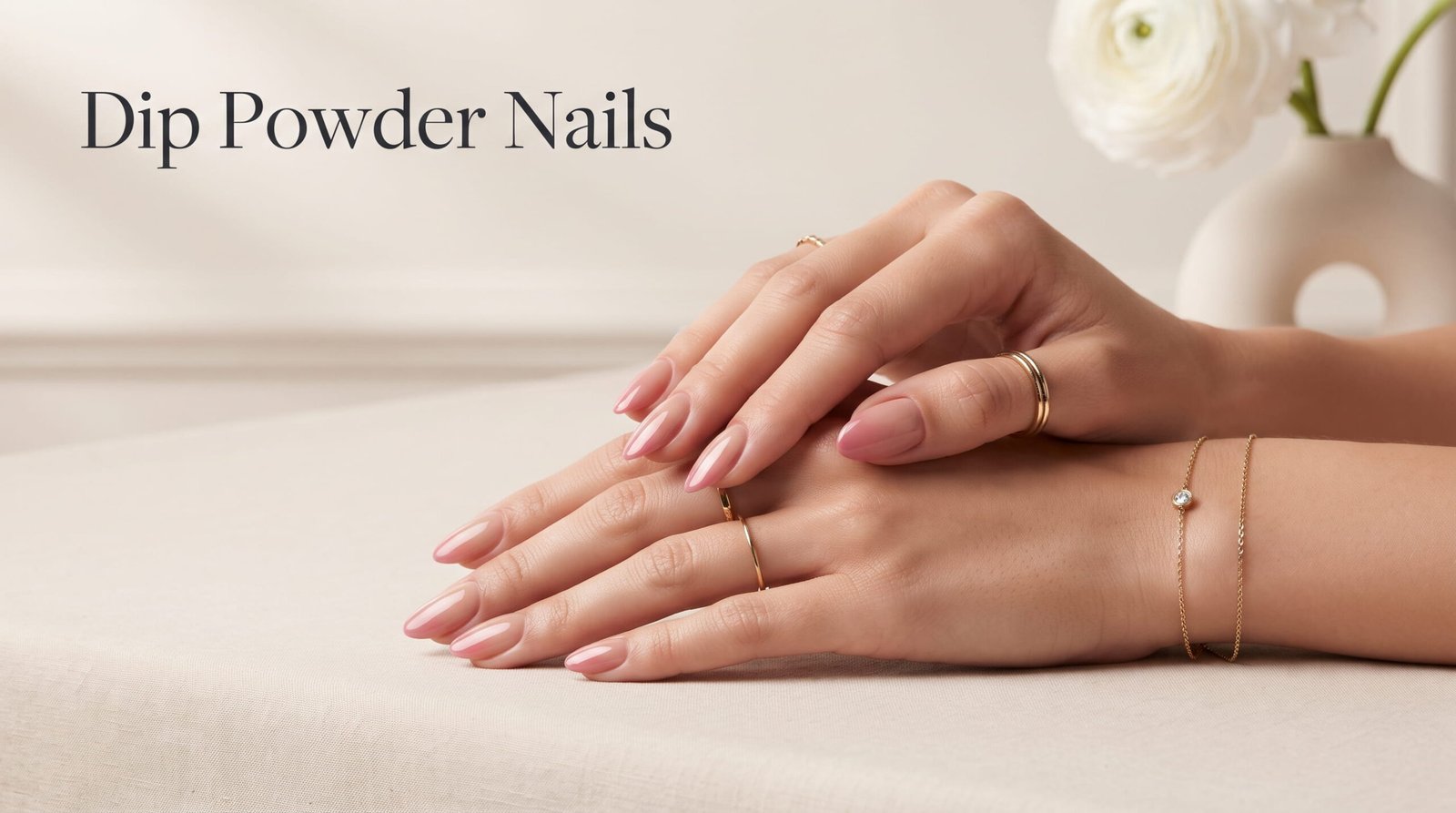
Dip powder nails have become a popular manicure choice for people who want durable, polished-looking nails without using a traditional gel manicure lamp. Instead of curing layers of polish under UV or LED light, dip manicures use colored powder combined with adhesive and a liquid activator to create a hard, long-lasting finish.
One of the biggest attractions of dip powder nails is their durability. According to the American Academy of Dermatology, a dip powder manicure can remain chip-free for up to about four weeks. However, the manicure can also be tough on natural nails, particularly when the nails are repeatedly buffed or exposed to acetone during removal.
Understanding the application process, benefits, potential risks, and proper aftercare can help you decide whether dip powder nails are right for you.
What Are Dip Powder Nails?
Dip powder nails are a type of manicure in which the natural nail is coated with an adhesive or base product and then covered with finely milled, pigmented powder.
The process generally involves:
- Preparing and cleaning the natural nail
- Applying a base or bonding product
- Applying colored powder
- Removing excess powder
- Repeating the process for the desired thickness
- Applying an activator
- Filing and shaping the surface
- Applying a finishing topcoat
The powder and liquid products combine to create a hard, durable coating over the natural nail.
Unlike gel manicures, dip powder nails do not require UV or LED curing to harden the finished manicure.
How Do Dip Powder Nails Work?
Dip powder systems typically use several products that work together.
Base Coat
The base coat provides the adhesive surface needed for the powder to stick to the nail.
Colored Powder
The nail is covered with a pigmented powder that creates the desired color and contributes to the thickness of the manicure.
Activator
An activator helps harden the layers and prepare the manicure for shaping.
Topcoat
A clear finishing product creates a smoother, shinier surface and helps protect the color.
The exact steps and products vary between brands and salons.
Dip Powder Nails vs. Gel Nails
Dip powder and gel manicures can both provide a durable finish, but the application process is different.
| Feature | Dip Powder | Gel |
| Main material | Powder + liquid system | Gel polish |
| UV/LED curing | Usually no | Usually yes |
| Durability | Long-lasting | Long-lasting |
| Removal | Often requires acetone | Usually requires acetone |
| Finish | Smooth and durable | Glossy and flexible |
| Nail preparation | Filing/buffing may be required | Usually some preparation |
It can be appealing to people who want a durable manicure without UV/LED curing. However, avoiding UV exposure does not mean dip powder is completely risk-free for the nails.
Dip Powder Nails vs. Acrylic Nails
Dip powder and acrylic nails are related because both involve acrylic-based materials, but their application methods differ.
Traditional acrylic nails generally combine a liquid monomer with powder to create a sculpted material. Dip systems use an adhesive and powder system instead.
Dip powder can feel somewhat lighter and more flexible than traditional acrylics, although the exact experience depends on the products and application.
Benefits of Dip Powder Nails
Long-Lasting Results
One of the biggest benefits is durability. Dip powder manicures can remain attractive and chip-free for several weeks. The AAD reports that they can last up to four weeks.
No UV or LED Curing
Unlike most gel manicures, dip powder does not need UV or LED light to harden.
This can be appealing to people who prefer a manicure that does not require lamp curing.
Strong Finish
The layered powder system creates a durable coating that can be more resistant to everyday chips and wear than traditional nail polish.
Many Color Choices
Dip powder systems are available in numerous colors and finishes, from neutral shades to bold colors and glitter.
Useful for People Who Pick Their Nails
The AAD notes that the durability of dip powder can make it useful for some people who are trying to stop biting or picking their nails.
Are Dip Powder Nails Safe?
For many people, dip powder manicures can be worn without major problems. However, there are potential concerns involving nail damage, allergic reactions, hygiene, and removal.
The AAD recommends several precautions to reduce these risks.
A manicure may become more problematic when:
- Cuticles are aggressively cut
- Natural nails are heavily filed
- Powder containers are shared between customers
- Products touch surrounding skin
- Manicures are removed improperly
- Nails are continuously covered without recovery time
The Double-Dipping Problem
One important hygiene concern is double dipping.
Some salons have clients place their fingers directly into a container of powder. If multiple customers use the same container, microorganisms from one person’s nails or skin can potentially contaminate the powder.
The AAD recommends avoiding this practice. A safer approach is for the technician to pour powder into a disposable container or sprinkle powder directly from the original container onto the nail.
Can Dip Powder Cause an Allergic Reaction?
Yes. Some people can develop an allergic reaction to products used in dip powder manicures.
The adhesives used to attach the powder are a particular concern. Symptoms may develop hours or days after the manicure and can include:
- Itching
- Swelling
- Discoloration around the nail
- Fluid-filled bumps
- Nail lifting
The AAD recommends considering a single test nail before committing to a full dip powder manicure, particularly for someone who has never used the products before.
If a reaction develops, remove the product and avoid further exposure. Persistent symptoms should be evaluated by a dermatologist.
Are Dip Powder Nails Bad for Natural Nails?
Dip powder nails are not automatically harmful, but repeated manicures and aggressive preparation or removal can weaken natural nails.
The biggest concerns include:
- Excessive buffing
- Filing of the natural nail
- Acetone exposure
- Picking or peeling the product
- Repeated manicures without recovery time
The AAD notes that 100% acetone used during removal can damage the nail and surrounding skin, and repeated exposure can contribute to thinning of the nails.
How to Protect Your Natural Nails
You don’t necessarily have to give up dip powder manicures to care for your nails.
Avoid Cutting Your Cuticles
Cuticles help protect the nail and surrounding skin from infection. The AAD recommends leaving them alone rather than cutting or aggressively pushing them back.
Moisturize Regularly
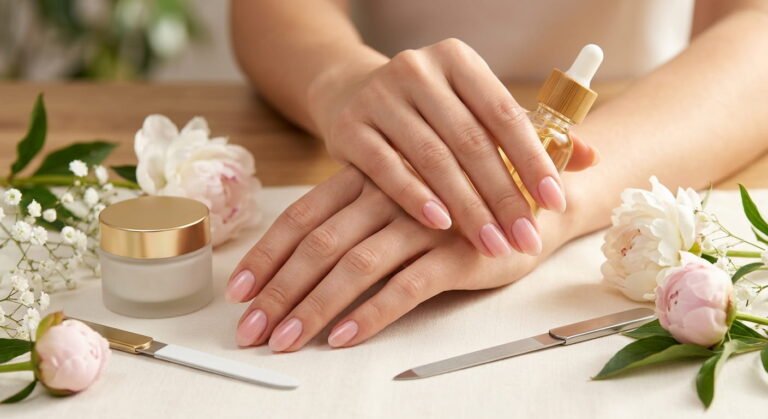
Apply hand cream or cuticle oil regularly, particularly after washing your hands and after removing a manicure.
Don’t Peel the Powder Off
Picking or peeling can remove layers of the natural nail along with the manicure.
Give Your Nails Recovery Time
The AAD recommends allowing nails to recover after dip powder or gel manicures rather than continuously applying new sets.
How Are Dip Powder Nails Removed?
Removal is an important part of dip powder nail care.
Because the manicure forms a durable coating, it generally needs to be softened before being removed. Acetone is commonly used during the process.
A professional may:
- File down part of the top layer
- Soak the remaining product in acetone
- Gently remove the softened material
- Smooth the nail if necessary
- Apply moisturizer or cuticle oil
The exact process varies depending on the product system.
Never Peel Off Dip Powder
Trying to peel or force the product away can remove portions of the natural nail surface.
If the product is difficult to remove, professional assistance is preferable.
How Long Do Dip Powder Nails Last?
Dip powder nails can last up to approximately four weeks, although actual wear time depends on nail growth, lifestyle, application quality, and aftercare.
People who frequently wash their hands, work with water, use cleaning chemicals, or perform activities that put stress on their nails may notice wear sooner.
How to Make Dip Powder Nails Last Longer
Proper aftercare can help maintain the manicure.
Keep Nails Clean
Clean your hands regularly and keep the area beneath the free edge of the nails clean.
Protect Your Hands
Wear gloves when using household cleaning products or when your hands are exposed to harsh chemicals.
Moisturize Cuticles
Regular moisturizing can help prevent dry, cracked skin around the nails.
Avoid Using Nails as Tools
Opening cans, scraping surfaces, or picking objects with your nails can cause lifting or breakage.
Dip Powder Nails for Short Nails
Dip powder works well on short natural nails.
You don’t need long nails to enjoy the manicure. Short dip powder nails can create a neat, polished appearance while providing additional strength to the nail surface.
Popular short styles include:
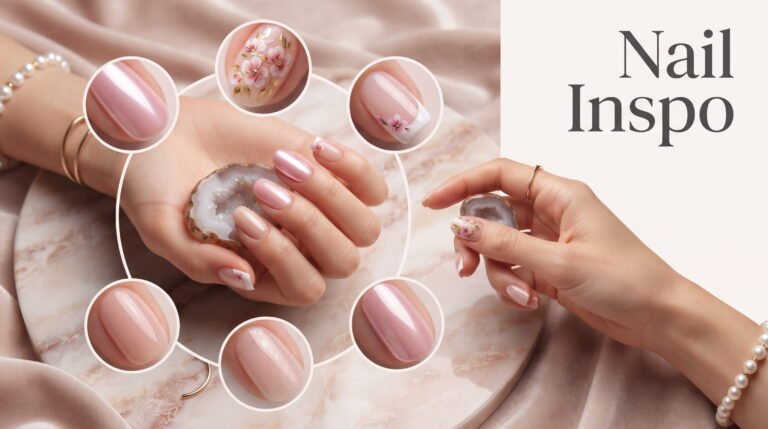
- Nude dip nails
- French tips
- Soft pink
- Classic red
- Milky white
- Short square nails
- Short almond shapes
Popular Dip Powder Nail Styles
Dip powder is available in a wide variety of colors and finishes.
Nude Dip Powder Nails
Neutral shades provide a clean, understated appearance and can work well for professional settings.
French Dip Powder Nails
French tips combine a natural or pink base with white tips.
Glitter Dip Powder Nails
Glitter powders can create a more noticeable manicure for parties, weddings, and special occasions.
Ombre Dip Powder Nails
Multiple powder shades can be blended to create an ombre effect.
Dark Dip Powder Nails
Deep burgundy, brown, navy, and black shades can create a bold look, particularly during fall and winter.
How Much Do Dip Powder Nails Cost?
The cost varies significantly depending on the salon, location, nail length, design, and additional services.
Basic dip powder manicures are generally less expensive than highly customized designs. Additional charges may apply for:
- Nail extensions
- French tips
- Ombre designs
- Nail art
- Removal of an existing manicure
- Repairs
It is best to ask the salon for a complete price before beginning the service.
Who Should Avoid Dip Powder Nails?
You may want to postpone a dip powder manicure if your nails or surrounding skin are already damaged.
Consider waiting if you have:
- Open cuts
- Significant nail lifting
- A suspected nail infection
- Severe inflammation around the nails
- An unexplained rash
- Very thin or damaged nails
Covering an existing nail problem with artificial products can make it harder to monitor the condition. The AAD recommends checking your natural nails whenever a manicure is removed.
Signs You Should See a Dermatologist
After removing dip powder, look closely at your natural nails.
Contact a dermatologist if you notice:
- Persistent nail discoloration
- Nail lifting
- Significant thickening
- Swelling around the nail
- Persistent itching
- Pain
- Recurrent nail changes
- A rash that does not improve
The AAD recommends leaving nails bare when changes are noticed and seeking dermatologic evaluation if the problem persists.
Final Thoughts
Dip powder nails offer a durable and attractive alternative to traditional polish and gel manicures. They can provide several weeks of wear, do not normally require UV or LED curing, and come in a wide range of colors and styles.
However, proper application, hygiene, and removal are essential for protecting natural nails. Avoid double dipping, don’t allow aggressive cuticle cutting, never peel the product from your nails, and give your natural nails time to recover between long-lasting manicures.
If you notice persistent nail changes, irritation, or an allergic reaction, stop using the product and consider seeing a dermatologist.
FAQs About Dip Powder Nails
1. What are dip powder nails?
Dip powder nails are a manicure technique that uses adhesive, colored powder, an activator, and a finishing coat to create a durable coating over the natural nail.
2. How long do dip powder nails last?
Dip powder manicures can last up to about four weeks, although durability varies depending on application and lifestyle.
3. Do dip powder nails need UV light?
No. Dip powder manicures generally harden through the chemical process of the products rather than UV or LED light.
4. Are dip powder nails better than gel nails?
Neither is automatically better for everyone. Dip powder avoids UV/LED curing, while both systems can be durable. Nail health also depends heavily on preparation, application, and removal.
5. Can dip powder damage natural nails?
Yes, repeated buffing and acetone-based removal can contribute to nail thinning or damage. Proper technique and recovery periods can help reduce the risk.
6. Can you get an allergic reaction to dip powder nails?
Yes. Adhesives used in dip systems can cause allergic reactions in some people, resulting in itching, swelling, discoloration, or nail lifting.
7. Can dip powder nails cause infections?
Poor hygiene can increase the risk of infection. Avoid salons that allow multiple customers to dip their fingers into the same powder container.
8. How do you remove dip powder nails?
Dip powder is commonly removed by filing down some of the product and soaking the remaining material in acetone. Avoid peeling or forcefully removing the manicure.
9. Can you get dip powder on short nails?
Yes. Dip powder can be applied to short natural nails and can create a neat, durable manicure without requiring long nails.
10. How often should you get dip powder nails?
The ideal frequency depends on your nail health and how your nails respond. Dermatologists recommend allowing your nails time to recover between dip or gel manicures, especially if you notice thinning, discoloration, or other changes.