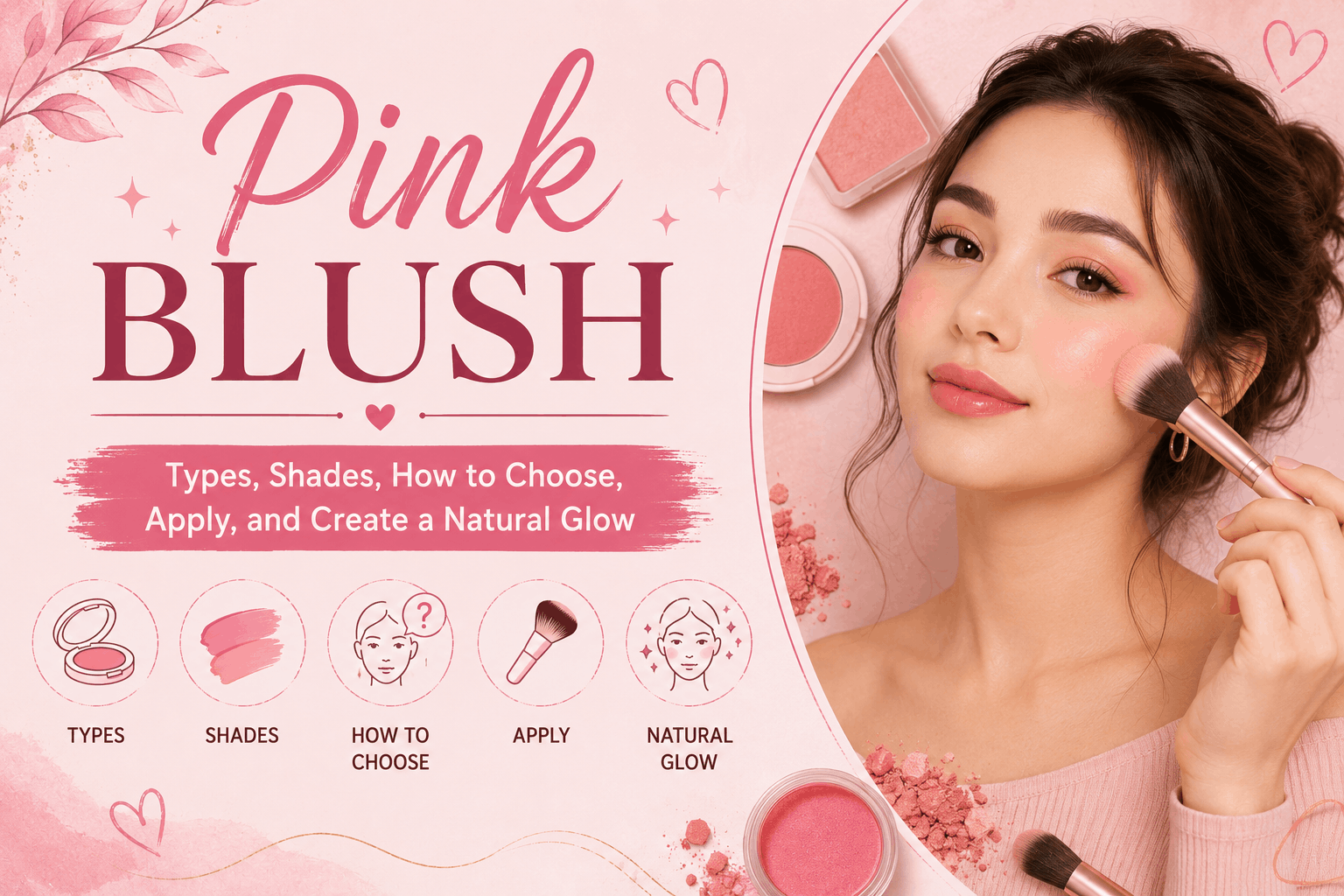
Pink Blush: Shades, Apply, and Create a Natural Glow
Introduction
Pink blush is one of the most versatile makeup products for adding color, freshness, and a healthy-looking glow to the face. Whether you prefer a soft natural flush or a more noticeable rosy finish, the right pink blush can instantly brighten your complexion and make your makeup look more lively.
Pink blush is available in many shades, textures, and formulas. You can find pale baby pink, dusty rose, mauve, peachy pink, hot pink, berry, and cool-toned pink shades. It also comes in powder, cream, liquid, and stick formulas, making it easy to find an option that suits your skin type and makeup style.
The key to wearing pink blush beautifully is choosing a shade that complements your skin tone and applying the right amount in the right area. A small amount can create a subtle everyday appearance, while layering the product can produce a stronger, more glamorous look.
This guide explains the different types of pink blush, how to choose the right shade, application techniques, skin-tone recommendations, formula comparisons, common mistakes, and tips for achieving a natural-looking finish.
What Is Pink Blush?
Pink blush is a cosmetic product used to add a pink or rosy tint to the cheeks.
It can create the appearance of:
- Naturally flushed cheeks
- Brighter-looking skin
- A youthful makeup look
- Defined cheekbones
- A healthy-looking complexion
Pink is particularly popular because it can range from extremely subtle to bold.
A soft pink may be ideal for everyday makeup, while bright fuchsia or berry pink can work well for evening looks and special occasions.
Why Is Pink Blush So Popular?
Pink blush has remained a makeup staple because it works with many different makeup styles.
It can complement:
- Minimal makeup
- No-makeup makeup
- Korean-inspired makeup
- Romantic makeup
- Bridal makeup
- Glam makeup
- Party makeup
- Monochromatic makeup
A pink blush can also be combined with pink lipstick or eyeshadow to create a coordinated appearance.
Types of Pink Blush
The formula you choose affects the finish, application, and longevity.
Powder Pink Blush
Powder blush is a classic choice.
It is generally easy to apply and build gradually.
Powder pink blush can be particularly convenient for people with oily or combination skin because it typically provides a lighter, less emollient finish.
It can be applied with a fluffy blush brush and layered until the desired intensity is reached.
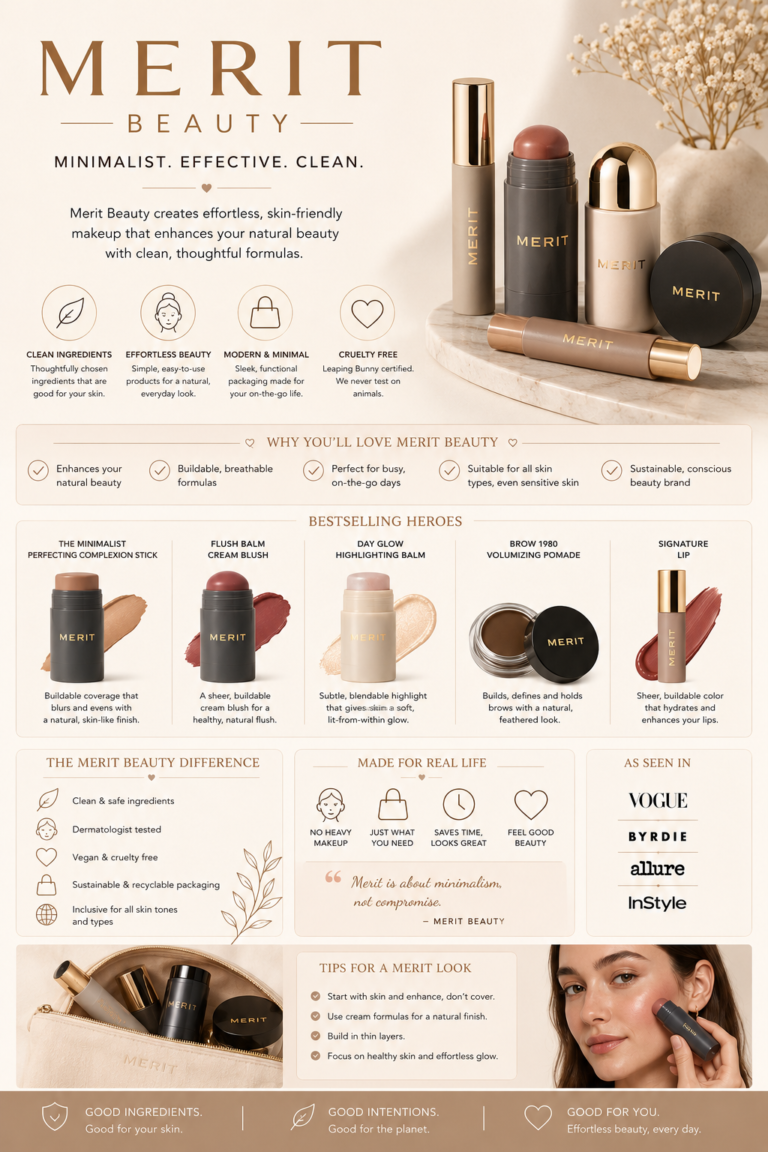
Cream Pink Blush
Cream blush has a soft, blendable texture.
It can create a natural-looking finish and is often popular with people who prefer dewy makeup.
Cream formulas can work particularly well with other cream-based complexion products.
Liquid Pink Blush
Liquid blushes are often highly pigmented, so only a small amount may be needed.
They can provide a fresh, radiant appearance when blended correctly.
Because liquid blush can dry quickly, working in small amounts is usually easier.
Stick Pink Blush
Blush sticks are convenient and portable.
They can be applied directly to the cheeks and blended with fingers, a sponge, or a brush.
They are especially useful for quick makeup application and travel.
Popular Pink Blush Shades
Not all pink blushes look the same.
Baby Pink
Baby pink is soft, delicate, and youthful.
It works particularly well for subtle makeup styles.
Dusty Pink
Dusty pink has a muted quality and can create an elegant, understated appearance.
Rose Pink
Rose is a balanced pink that can look sophisticated and natural.
Mauve Pink
Mauve contains cooler, slightly purple undertones.
It can work beautifully with cool-toned makeup looks.
Hot Pink
Hot pink creates a bold and energetic appearance.
Because highly saturated shades can be pigmented, start with a small amount.
Berry Pink
Berry shades combine pink with deeper red or purple tones.
They can be especially attractive for evening and winter makeup.
Peachy Pink
Peachy pink combines pink with warm peach undertones.
It can create a warm, fresh-looking complexion.
Pink Blush for Different Skin Tones
Choosing a shade based on your undertone can help create a more harmonious result.
Pink Blush for Fair Skin
Fair skin can easily become overwhelmed by highly pigmented blush.
Soft shades such as:
- Baby pink
- Light rose
- Soft peach-pink
- Pale mauve
can provide a delicate flush.
Apply gradually rather than starting with a heavy layer.
Pink Blush for Light-Medium Skin
People with light-medium skin often have a wide range of options.
Try:
- Rose
- Warm pink
- Peachy pink
- Dusty pink
- Mauve
The best shade depends on your undertone.
Pink Blush for Medium Skin
Medium skin can generally support stronger pink shades.
Consider:
- Rose pink
- Warm berry
- Mauve
- Coral pink
- Rich pink
A slightly deeper shade can prevent the blush from appearing washed out.
Pink Blush for Tan Skin
Tan skin can beautifully complement richer pink shades.
Try:
- Berry pink
- Deep rose
- Warm pink
- Raspberry
- Plum-pink
Highly pigmented blushes should still be applied gradually.
Pink Blush for Deep Skin
Deep skin tones can look stunning with vibrant and rich pink shades.
Good options may include:
- Fuchsia
- Berry
- Magenta
- Deep rose
- Raspberry
Very pale pinks can sometimes appear chalky if they are not formulated for deeper complexions, so choosing a more saturated shade can create a more natural result.
Pink Blush for Cool Undertones
Cool undertones generally suit pinks with blue or purple elements.
Good choices include:
- Cool rose
- Mauve
- Berry pink
- Blue-based pink
- Soft plum-pink
These shades can harmonize with cool-toned skin.
Pink Blush for Warm Undertones
Warm undertones often pair well with pinks containing peach, coral, or warm red elements.
Consider:
- Peachy pink
- Coral pink
- Warm rose
- Salmon pink
- Warm berry
Pink Blush for Neutral Undertones
Neutral undertones have more flexibility.
You can experiment with both warm and cool pinks.
Rose, soft mauve, neutral pink, and dusty pink are particularly versatile.
How to Apply Pink Blush
Proper application can make the difference between a natural flush and an overly intense result.
Step 1: Prepare the Skin
Start with moisturized skin and apply your foundation or complexion products as desired.
Step 2: Choose the Right Tool
For powder blush, use a soft blush brush.
For cream or liquid formulas, you can use:
- Fingers
- Makeup sponge
- Synthetic brush
Step 3: Start With a Small Amount
Pink blush can become intense quickly.
Pick up a small amount of product and build gradually.
Step 4: Apply to the Cheeks
For a natural appearance, place the blush on the area where your cheeks naturally become flushed.
You can blend slightly upward toward the cheekbones for a lifted appearance.
Step 5: Blend Thoroughly
Harsh edges can make blush look unnatural.
Use gentle circular or upward motions to soften the edges.
Step 6: Check the Overall Balance
Look at the makeup in natural lighting.
If the blush looks too strong, use a clean sponge or brush to soften it.
Pink Blush for a Natural Makeup Look
For an everyday appearance, choose a soft pink shade and apply a small amount.
Pair it with:
- Lightweight foundation or skin tint
- Natural brows
- Neutral eyeshadow
- Mascara
- Tinted lip balm
The goal is to make the cheeks look naturally flushed rather than heavily made up.
Pink Blush for a Korean-Inspired Makeup Look
Soft pink blush is commonly associated with fresh, youthful makeup aesthetics.
For this style, try placing a delicate layer of pink blush closer to the central cheek area.
Pair it with:
- Glowing skin
- Soft eye makeup
- Natural brows
- Glossy lips
- Soft pink or coral lip color
The result should look fresh and blended rather than heavily sculpted.
Pink Blush for Bridal Makeup
Pink blush is a popular choice for bridal makeup because it can create a romantic appearance.
Soft rose, dusty pink, and neutral pink shades can complement many bridal looks.
For photographs, blush may need to be slightly more visible than it appears in person because camera lighting can reduce the appearance of color.
However, the product should still be blended carefully.
Pink Blush and Highlighter
Pink blush can be paired with highlighter to create a luminous cheek appearance.
Apply blush first and then lightly place highlighter on the upper cheekbones.
Avoid applying excessive highlighter directly over the center of the blush if you want to preserve the natural color.
Pink Blush and Bronzer
Bronzer and blush serve different purposes.
Bronzer adds warmth and can enhance the appearance of dimension.
Pink blush adds color to the cheeks.
A simple combination is:
- Apply bronzer lightly around the outer face.
- Apply pink blush to the cheeks.
- Blend the transition between the products.
This can create a balanced complexion.
Cream vs. Powder Pink Blush
Both formulas have advantages.
| Feature | Cream Blush | Powder Blush |
| Finish | Often dewy or natural | Often soft or matte |
| Application | Fingers, sponge, brush | Brush |
| Buildability | Usually easy to layer | Easy to build |
| Oily Skin | Depends on formula | Often convenient |
| Dry Skin | Often comfortable | May emphasize dryness |
| Travel | Convenient | Convenient |
| Longevity | Varies | Varies |
There is no universally best formula. Your skin type and preferred finish should guide the choice.
How to Make Pink Blush Last Longer
Several techniques can improve longevity.
Start With Skin Preparation
Well-prepped skin provides a better base.
Layer Similar Textures
A cream blush followed by a small amount of powder blush can create a more durable result.
Avoid Over-Powdering
Excess face powder can make blush harder to blend.
Use Setting Spray
A suitable setting spray may help makeup look more cohesive and last longer.
Common Pink Blush Mistakes
Applying Too Much
Because pink is highly visible, excessive application can make the cheeks look overly bright.
Using the Wrong Undertone
A shade that clashes with your undertone may appear less natural.
Placing Blush Too Low
Applying blush too close to the lower part of the face can visually pull the makeup downward.
Not Blending
Visible edges can make the blush look like a separate patch of color.
Using Too Many Layers
Combining several highly pigmented products can quickly create excessive color.
Pink Blush for Different Occasions
Everyday Makeup
Choose soft pink, dusty rose, or natural rose.
Date Night
Try rose, mauve, or slightly deeper pink.
Party Makeup
Bright pink, berry, or fuchsia can create a more dramatic appearance.
Wedding Makeup
Soft rose, neutral pink, and dusty pink are elegant options.
Summer Makeup
Fresh peachy pink or bright pink can complement a lightweight, glowing makeup style.
Winter Makeup
Berry pink, mauve, and deeper rose shades can create a richer seasonal look.
How to Choose the Right Pink Blush
Before buying a blush, consider:
Your Skin Tone
Very light shades may disappear on deeper skin, while extremely intense shades may overwhelm very fair skin.
Your Undertone
Warm, cool, and neutral undertones can influence how a pink blush appears.
Your Skin Type
Powder can be convenient for oily skin, while cream formulas may provide a comfortable finish for dry skin.
Your Makeup Style
If you prefer minimal makeup, choose a soft or muted shade.
If you enjoy bold makeup, experiment with brighter pinks and berries.
Your Desired Finish
Choose matte, satin, natural, or luminous depending on your preference.
Pink Blush Application Tips
For the most natural result:
- Apply a small amount first.
- Build color gradually.
- Blend the edges.
- Check your makeup in natural light.
- Match your blush intensity to the rest of your makeup.
- Use clean brushes and tools.
- Avoid applying blush over irritated or broken skin.
Remember that blush should complement the face rather than become the only feature people notice.
Final Thoughts
Pink blush is a timeless and versatile makeup product that can transform the appearance of the complexion with just a small amount of color. From delicate baby pink to sophisticated rose, cool mauve, vibrant fuchsia, and rich berry, there is a pink shade for almost every makeup style and skin tone.
The secret to getting the best result is choosing the right combination of shade, formula, placement, and intensity. Fair skin may look beautiful with soft pinks, while medium and deeper skin tones can often carry richer rose, berry, and vibrant pink shades beautifully.
Whether you want an everyday natural flush, a romantic bridal look, a Korean-inspired glow, or bold party makeup, pink blush can easily adapt to the occasion.
Most importantly, remember that makeup is personal. Experiment with different shades and textures until you find the pink blush that makes you feel confident and comfortable.
FAQs About Pink Blush
1. What is pink blush used for?
Pink blush is used to add color to the cheeks and create a fresh, healthy-looking flush. It can also help balance and brighten the overall appearance of makeup.
2. Which pink blush is best for fair skin?
Soft baby pink, pale rose, dusty pink, and light peachy-pink shades can work well on fair skin. Apply them gradually to avoid an overly intense result.
3. Does pink blush suit dark skin?
Yes. Rich pink, berry, fuchsia, magenta, and deep rose shades can look beautiful on deeper skin tones. Highly pigmented formulas may provide better visibility.
4. Is cream or powder pink blush better?
Neither is universally better. Cream blush often provides a natural or dewy finish, while powder blush can offer a soft finish and convenient application. Choose according to your skin type and preferred look.
5. Where should pink blush be applied?
For a natural look, apply blush to the cheeks where you naturally flush. Blending slightly upward toward the cheekbones can create a lifted appearance.
6. Can I wear pink blush with bronzer?
Yes. Bronzer adds warmth and dimension, while pink blush adds cheek color. Using both can create a balanced and defined makeup look.
7. How do I stop pink blush from looking too bright?
Start with a small amount and build gradually. Blend the edges thoroughly and use a clean makeup sponge or brush to soften excessive color.
8. What pink blush is best for warm undertones?
Warm undertones often work well with peachy pink, coral pink, warm rose, and other pink shades containing warm or golden elements.
9. Can pink blush be used for bridal makeup?
Yes. Soft rose, dusty pink, and neutral pink are popular choices for romantic bridal makeup. The intensity can be adjusted according to the overall makeup style.
10. How can I make pink blush last all day?
Prepare the skin properly, use an appropriate base, apply blush in thin layers, and consider setting the makeup with a suitable setting spray. A cream-and-powder combination can also improve longevity.