Aquaphor: Benefits, Skin Types, Side Effects and How to Use It
Introduction
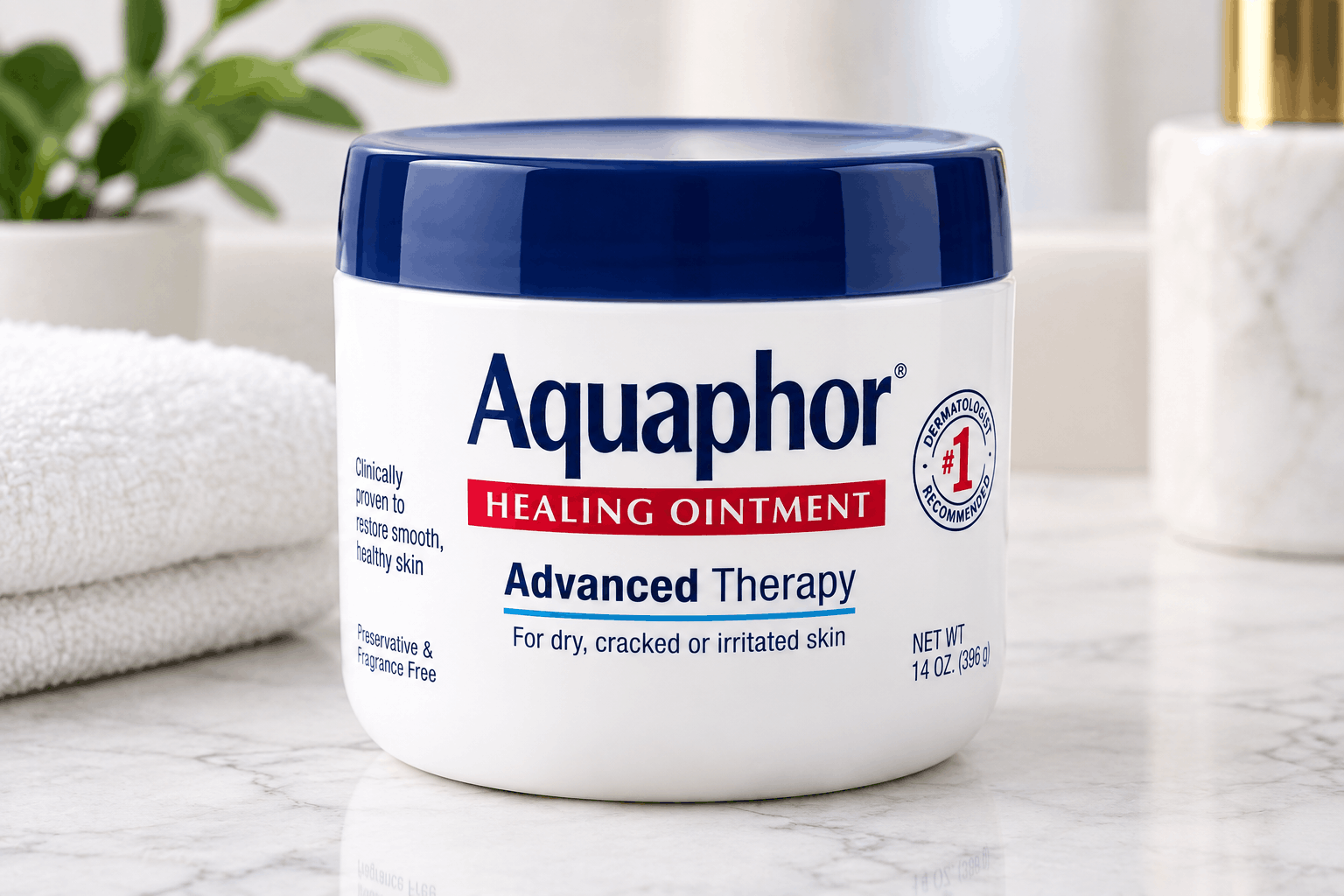
Aquaphor is a popular skin-protective ointment commonly used to moisturize and protect dry, rough, cracked, or irritated skin. Its thick, occlusive texture creates a protective layer over the skin that helps reduce moisture loss while supporting the skin’s natural barrier.
Unlike a lightweight facial moisturizer, Aquaphor is designed to provide a more substantial protective layer. This makes it particularly useful for areas that become extremely dry, such as lips, hands, heels, elbows, and other rough patches.
However, an ointment that works beautifully for one skin concern may not be ideal for everyone. Understanding how Aquaphor works, where it can be used, and when to avoid it can help you get better results.
What Is Aquaphor?
Aquaphor is a skin-protectant ointment from the Aquaphor brand. One of its best-known formulations, Aquaphor Healing Ointment, is primarily based on petrolatum, along with other ingredients that help condition and protect the skin.
Its main purpose is to create an occlusive barrier. Rather than adding a large amount of water to the skin like a traditional moisturizer, an ointment helps prevent water already present in the skin from escaping too quickly.
This is why Aquaphor can be particularly useful for very dry or compromised skin.
What Does Aquaphor Do for Skin?
Aquaphor can help:
- Reduce moisture loss
- Protect dry skin
- Soften rough areas
- Support the skin barrier
- Reduce cracking caused by dryness
- Protect lips from becoming excessively dry
- Shield irritated skin from environmental exposure
Its thick consistency means that only a small amount is usually needed.
Aquaphor for Dry Skin
Dry skin is one of the most common reasons people use Aquaphor.
When the skin barrier loses too much moisture, the surface can become:
- Rough
- Flaky
- Tight
- Cracked
- Uncomfortable
- Sensitive
Applying a thin layer of an occlusive ointment can help reduce further moisture loss.
For very dry areas, Aquaphor can be applied after a regular moisturizer. This technique is sometimes described as occlusive layering.
Aquaphor for Cracked Lips
Aquaphor is widely used as a lip protectant.
A thin layer can help shield dry lips from:
- Cold weather
- Wind
- Dry indoor air
- Frequent lip licking
- Environmental irritation
For severely chapped lips, applying a small amount before bedtime can provide prolonged protection while you sleep.
If cracked lips repeatedly fail to improve, however, the cause may not simply be dryness. Irritant or allergic contact dermatitis, infection, nutritional problems, and other conditions can sometimes produce persistent lip symptoms.
Aquaphor for Cracked Heels
The heels can become extremely dry because they experience repeated pressure and friction.
Aquaphor may help soften rough heel skin by reducing water loss and keeping the surface protected.
For very dry heels, a useful routine may involve:
- Washing the feet gently.
- Patting them dry.
- Applying a suitable moisturizer.
- Applying a thin layer of Aquaphor.
- Wearing comfortable socks overnight.
Very thick or painful cracks may require medical evaluation, especially in people with diabetes or circulation problems.
Aquaphor for Hands
Frequent hand washing, cold weather, detergents, and workplace exposure can damage the skin barrier.
Aquaphor can be useful on particularly dry areas of the hands, especially before bedtime.
Applying it after washing and drying the hands can help reduce moisture loss.
If hands are persistently red, itchy, blistered, or inflamed, the problem may involve eczema or contact dermatitis rather than simple dryness.
Aquaphor for Eczema-Prone Skin
People with eczema often have a weakened skin barrier and increased moisture loss.
An occlusive ointment such as Aquaphor can help protect the skin and reduce dryness. However, it does not treat every aspect of eczema.
Aquaphor for Minor Skin Irritation
Aquaphor can help protect mildly irritated, dry skin from additional friction and environmental exposure.
A thin protective layer may be useful for areas that feel rough or uncomfortable.
Aquaphor for Minor Cuts and Scrapes
A petrolatum-based ointment can help keep minor superficial wounds from drying out excessively.
For a small scrape or cut:
- Gently clean the area.
- Remove visible dirt.
- Apply an appropriate thin protective layer.
- Cover with a clean dressing when necessary.
- Keep the area clean and monitor it for signs of infection.
Deep wounds, puncture wounds, animal bites, severe burns, or wounds with significant contamination require professional medical care.
Aquaphor for Tattoo Aftercare
Some people use petrolatum-based products during tattoo healing, but aftercare recommendations can differ depending on the tattoo artist and healthcare guidance.
Using an excessively thick layer can leave the area overly occluded and uncomfortable.
Follow the aftercare instructions provided by your tattoo professional and seek medical attention if increasing redness, warmth, swelling, pus, fever, or significant pain develops.
Aquaphor for Skin After Procedures
Occlusive ointments are sometimes used during the healing process after certain dermatological procedures.
However, the appropriate product depends on the procedure.
After treatments such as:
- Laser procedures
- Chemical peels
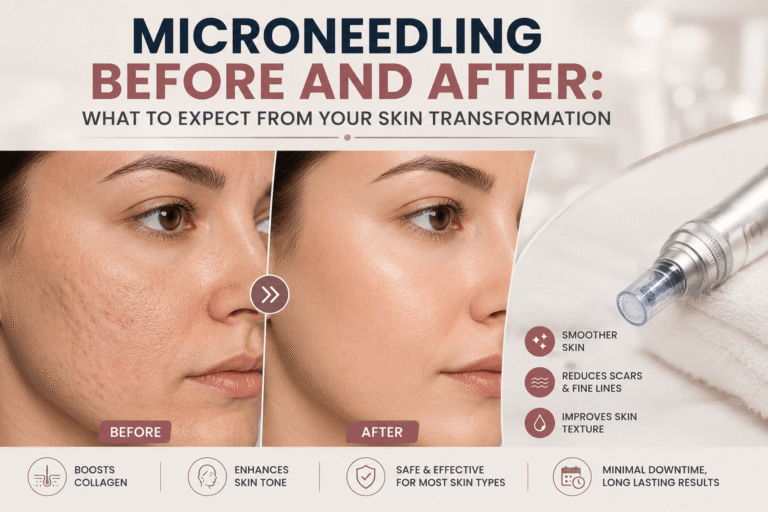
- Microneedling
- Cryotherapy
- Skin biopsies
you should follow the specific aftercare instructions provided by your dermatologist rather than automatically applying Aquaphor.
Is Aquaphor Good for the Face?
Aquaphor can be useful on dry areas of the face, particularly when the skin barrier is compromised.
It may be applied to areas such as:
- Dry patches
- Lips
- Around the nose during irritation
- Very dry cheeks
- Small areas affected by excessive dryness
Because it is thick and occlusive, applying a heavy layer over the entire face may feel uncomfortable for some people.
Aquaphor for Oily and Acne-Prone Skin
Aquaphor is not necessarily a problem for acne-prone skin, but its thick texture may not be comfortable for everyone.
It does not directly treat acne.
If you have oily or acne-prone skin, you may prefer to use it only on areas that are genuinely dry rather than applying a thick layer across the entire face.
If you notice that a particular skincare routine is consistently associated with clogged pores or breakouts, discuss alternatives with a dermatologist.
Aquaphor vs Vaseline
Vaseline Original Petroleum Jelly is primarily petrolatum, while Aquaphor Healing Ointment contains petrolatum along with additional ingredients designed to condition and protect the skin.
Both can reduce moisture loss.
The better choice depends on the specific skin concern, personal preference, texture preference, and tolerance.
Aquaphor vs Moisturizer
Aquaphor and a conventional moisturizer serve different purposes.
A moisturizer may contain ingredients such as:
- Humectants
- Emollients
- Occlusives
- Ceramides
- Glycerin
- Hyaluronic acid
Aquaphor is particularly useful as an occlusive layer.
For very dry skin, a moisturizer followed by a thin layer of Aquaphor may provide more lasting protection than either product alone.
How to Use Aquaphor
A simple routine is:
Step 1: Clean the Area
Gently wash the skin and remove dirt or irritants.
Step 2: Apply Moisturizer if Needed
For dry skin, apply a suitable moisturizer first.
Step 3: Use a Small Amount of Aquaphor
Apply a thin layer over the affected area.
Step 4: Reapply When Necessary
Very dry areas may need another application later, especially after washing.
Using too much product can make the skin feel greasy without necessarily providing additional benefit.
When Should You Apply Aquaphor?
Aquaphor can be used at different times depending on the purpose.
For very dry skin, nighttime application can be convenient because the ointment has more time to remain on the skin.
It can also be used during the day on small areas such as lips, hands, or rough patches.
Is Aquaphor Safe?
Aquaphor is generally well tolerated when used appropriately, but no skincare product is suitable for every person.
Possible problems can include:
- Skin irritation
- Redness
- Burning or stinging
- Contact allergy to an ingredient
- Excessive greasiness
- Folliculitis in susceptible individuals
Stop using it and seek medical advice if a new rash or significant irritation develops after application.
Can Aquaphor Clog Pores?
Petrolatum itself is generally considered non-comedogenic, meaning it does not inherently cause acne by blocking pores.
However, the thick occlusive texture can trap sweat, oil, and other substances on the skin. Some people may therefore find heavy application uncomfortable, particularly in acne-prone areas.
Using a thin layer is usually more practical than applying a thick coating.
Aquaphor for Children
Aquaphor-type protective ointments may be useful for areas of dry skin in children, but product suitability depends on age, skin condition, and formulation.
Avoid applying products to severely damaged skin without appropriate guidance.
If a child’s rash is persistent, spreading, painful, blistered, or associated with fever, medical evaluation is appropriate.
Common Mistakes When Using Aquaphor
Applying Too Much
A thin layer is often enough. More product does not necessarily mean better results.
Using It on an Infected Wound
Aquaphor does not treat bacterial, fungal, or viral infections.
Ignoring Persistent Skin Problems
Repeated dryness, cracking, itching, or inflammation may indicate an underlying condition such as eczema or contact dermatitis.
Applying It Before Every Skincare Product
Aquaphor is highly occlusive. It is generally better used as the final protective layer rather than underneath multiple skincare products.
Who May Benefit Most From Aquaphor?
Aquaphor may be particularly useful for people experiencing:
- Very dry skin
- Chapped lips
- Rough heels
- Dry hands
- Minor superficial skin irritation
- Barrier damage
- Localized areas of scaling or cracking
It is less useful when the main problem is infection, uncontrolled inflammation, or a condition requiring prescription treatment.
Conclusion
Aquaphor is a versatile occlusive ointment that can be especially helpful for dry, rough, cracked, or irritated skin. By creating a protective layer that reduces moisture loss, it can support the skin barrier and make uncomfortable areas feel softer and more protected.
It can be useful on lips, hands, heels, dry facial patches, and other localized areas. However, Aquaphor is not an all-purpose treatment for acne, infection, eczema flares, or serious wounds. Using a small amount over appropriately moisturized skin is often enough.
If dryness or irritation continues despite good skincare, identifying the underlying cause is more important than simply adding another layer of ointment.
FAQs About Aquaphor
1. What is Aquaphor used for?
Aquaphor is mainly used to protect and moisturize dry, rough, cracked, or irritated skin by forming an occlusive barrier that reduces moisture loss.
2. Can Aquaphor be used on the face?
Yes. It can be used on dry areas of the face, lips, or compromised skin. Because it is thick, a thin layer is usually preferable.
3. Is Aquaphor good for dry skin?
Yes. Aquaphor can be particularly useful for very dry skin because it helps prevent moisture from escaping.
4. Can Aquaphor help chapped lips?
Yes. A thin layer can protect dry lips from environmental exposure and reduce moisture loss.
5. Does Aquaphor clog pores?
Petrolatum itself is generally non-comedogenic, but the thick texture may feel too occlusive for some acne-prone people. Using a small amount on targeted areas may be preferable.
6. Can Aquaphor treat eczema?
Aquaphor can support the skin barrier and reduce dryness associated with eczema, but it does not treat every component of an eczema flare. Persistent inflammation may require medical treatment.
7. Is Aquaphor better than Vaseline?
Neither is universally better. Both provide occlusive protection, but their formulations differ. The best choice depends on the individual’s skin and the specific purpose.
8. Can Aquaphor be used on minor cuts?
It may help protect minor superficial cuts and scrapes after appropriate cleaning. Deep, infected, or serious wounds require medical evaluation.
9. Can I use Aquaphor every day?
Yes, many people can use it daily on dry areas. Applying a thin layer is generally sufficient.
10. Does Aquaphor heal skin?
Aquaphor does not directly repair every skin condition, but by reducing moisture loss and protecting the skin barrier, it can create a favorable environment for dry or mildly damaged skin to recover.