Balayage Highlights: Guide to Hair Color, Styles and Maintenance
Introduction
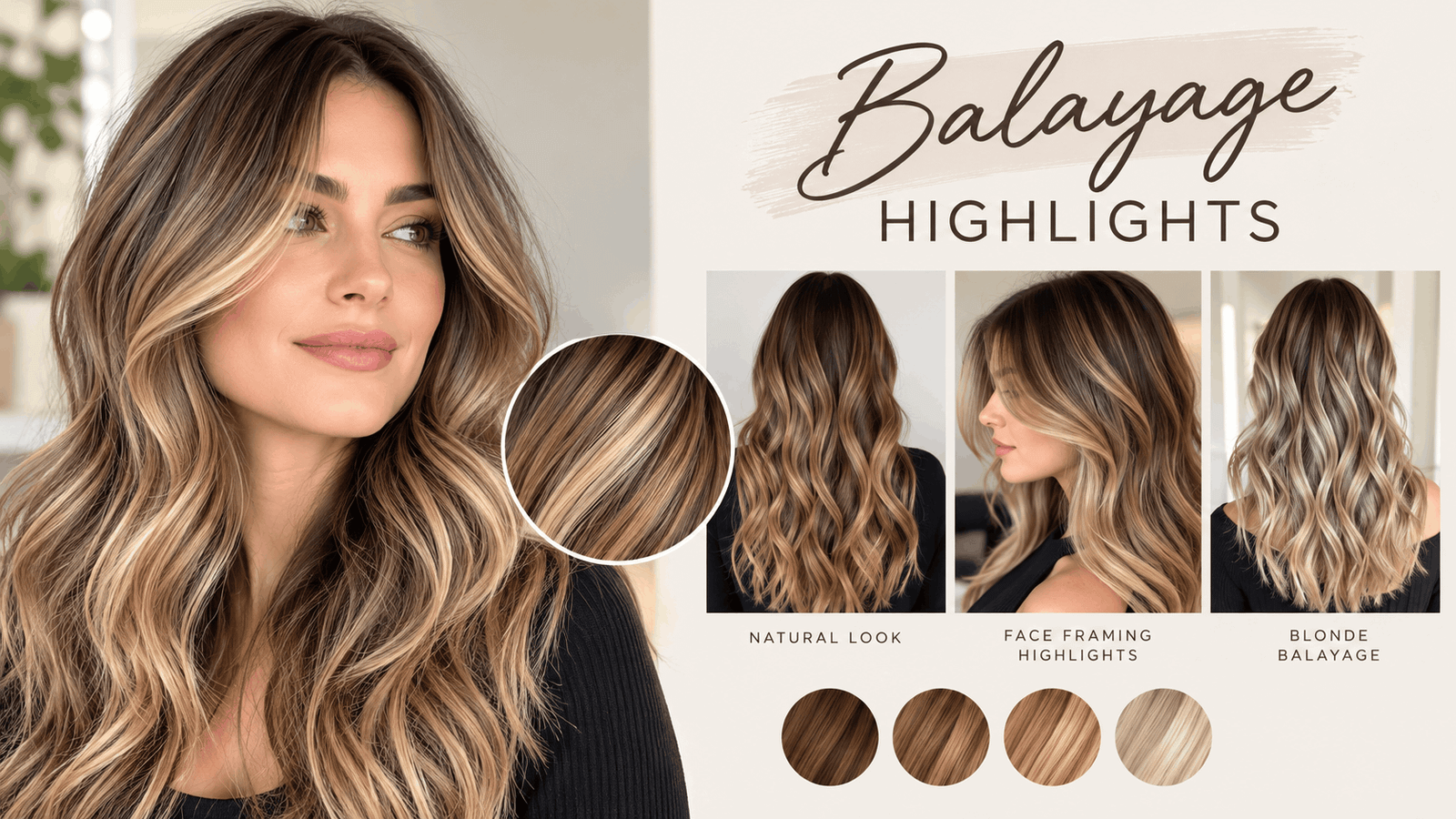
Balayage highlights have become a popular choice for people who want beautiful, natural-looking hair color without the sharp lines often associated with traditional highlights. This coloring technique creates a soft transition from darker roots to lighter ends, giving hair a dimensional and sun-kissed appearance. It works with different hair lengths, textures, and base colors, making it a versatile option for anyone looking to refresh their look.
One of the biggest advantages of this technique is its customizable finish. Whether you prefer subtle caramel ribbons, golden blonde accents, cool ash tones, or rich chocolate shades, balayage can be tailored to complement your natural hair color and personal style.
This guide explains how balayage works, the most popular styles, how to choose the right shade, and how to maintain your color for longer-lasting results.
What Are Balayage Highlights?
Balayage highlights is a hair-coloring technique in which a stylist hand-paints lightener or hair color onto selected sections of the hair. The word balayage comes from a French term meaning “to sweep,” describing the sweeping motion used during application.
Unlike traditional foil highlights, which often create more uniform and clearly defined sections, balayage usually produces softer, more blended transitions. The stylist places lighter tones strategically to create depth, movement, and brightness.
The final result depends on several factors, including the natural hair color, desired level of lightness, hair condition, and the stylist’s application technique. Some results are very subtle, while others create a dramatic contrast between the roots and ends.
How Does the Balayage Technique Work?
The process generally begins with a consultation to determine the desired color and assess the hair’s condition. The stylist considers the client’s natural base, previous color treatments, haircut, and maintenance preferences.
The hair is divided into sections, and the colorist paints lightener onto selected strands. The placement is usually concentrated where light would naturally brighten the hair, such as around the face, through the mid-lengths, and toward the ends.
Depending on the formula and desired result, the stylist may use foils or other techniques alongside hand painting. After the hair reaches an appropriate level of lightness, it may be toned to achieve a particular shade, such as beige blonde, honey, ash, or caramel.
A professional color service may also include a bond-building treatment, conditioning treatment, or gloss to improve the appearance and manageability of the hair.
Popular Types of Balayage Highlights
1. Blonde Balayage
Blonde balayage creates brightness throughout the hair while preserving a natural-looking root area. It can range from warm golden blonde to creamy beige and cool ash blonde.
This option works particularly well for people who want a lighter appearance without coloring every strand. The correct blonde shade depends on the natural base color, skin undertones, and desired level of contrast.
2. Caramel Balayage
Caramel balayage adds warm, golden-brown tones to brunette hair. These highlights can make dark hair appear richer and more dimensional without requiring an overall blonde transformation.
Caramel shades are especially attractive on chocolate brown, chestnut, and dark brown bases. They can be applied subtly for a soft finish or more prominently for greater contrast.
3. Honey Blonde Balayage
Honey blonde combines golden and warm blonde tones for a luminous finish. It is a popular choice for people who prefer a warm, glowing appearance rather than a very cool blonde.
This shade can brighten medium-brown and dark-blonde hair, although the amount of lightening needed depends on the starting color.
4. Ash Blonde Balayage
Ash blonde balayage uses cooler, muted tones that may include beige, smoky, or silvery undertones. It can create a modern look on naturally dark or light hair.
Cool shades sometimes require more maintenance because warm undertones may gradually become visible as the toner fades. A stylist can recommend an appropriate toning routine based on the hair’s condition.
5. Chocolate Brown Balayage
Chocolate brown balayage is ideal for people who want dimension without a dramatic color change. Lighter brown ribbons are blended into a deeper base to create a glossy, multi-tonal appearance.
This style is particularly useful for brunettes who want a noticeable refresh while keeping their overall look relatively natural.
6. Caramel and Honey Combination
Combining caramel and honey tones can add warmth and movement to brown hair. The stylist may use darker caramel shades through the mid-lengths and brighter honey accents near the ends or around the face.
The result can look especially beautiful on layered hair because the different tones help emphasize movement.
7. Face-Framing Balayage
Face-framing balayage places lighter pieces around the front sections of the hair. This technique can brighten the area surrounding the face without adding highlights throughout the entire head.
It may be combined with a full balayage service or used as a smaller color refresh. The placement and thickness of the lighter sections determine whether the result appears subtle or bold.
8. Reverse Balayage
Reverse balayage introduces darker tones into hair that is already heavily highlighted or very blonde. Rather than making the entire look lighter, the stylist adds depth and contrast.
This technique can create a more dimensional appearance and soften an overly uniform blonde result. The formula and placement should be chosen carefully to avoid unwanted color differences.
9. Rose Gold Balayage
Rose gold balayage blends pinkish, copper, and golden tones to create a warm, fashion-inspired finish. It can look delicate or vibrant depending on the chosen shade.
Because some rose-gold tones fade relatively quickly, color-safe products and appropriate maintenance are important for preserving the desired result.
10. Subtle Brunette Balayage
Subtle brunette balayage uses shades close to the natural base color. The difference between the darker hair and lighter pieces is gentle, creating dimension without an obvious color transformation.
This is a useful option for first-time color clients or anyone who wants a low-contrast style.
Balayage Highlights for Different Hair Colors
Balayage on Dark Brown Hair
Dark brown hair can look beautiful with caramel, mocha, chestnut, or warm chocolate accents. These shades add dimension while preserving the richness of the natural base.
For significantly lighter results, the hair may need to be lightened in stages. Trying to achieve a very pale blonde in one session can increase the risk of dryness and breakage, especially if the hair has previously been colored.
Balayage on Black Hair
On naturally black hair, subtle espresso, brown, or caramel tones can create a soft contrast. More dramatic blonde results may require additional lightening sessions.
A strand test and consultation are particularly helpful when working with previously dyed black hair because artificial dark pigments can be difficult to lift evenly.
Balayage on Blonde Hair
Blonde hair can be customized with beige, honey, champagne, or cooler ash tones. Adding a darker root or lowlights can also create depth and prevent the overall color from looking flat.
Balayage on Red or Auburn Hair
Copper, cinnamon, strawberry blonde, and golden accents can complement red and auburn bases. These combinations can enhance the warmth of the hair while creating a more dimensional finish.
Choosing the Right Balayage Shade
The best shade is not necessarily the lightest one. A flattering result should work with the natural base color, hair condition, personal style, and desired maintenance routine.
Consider your base color: Brunette hair often pairs well with caramel, mocha, and honey shades. Blonde bases may suit beige, champagne, or ash tones.
Think about warmth: Golden, copper, and caramel shades create a warm effect, while ash and cool beige tones produce a cooler finish. Neutral shades can offer a balance between the two.
Consider contrast: A subtle difference between the base and highlights creates a natural appearance. A larger difference produces a more dramatic result but may require additional lightening and toning.
Bring reference photos: Pictures can help communicate the desired placement, brightness, and tone. Ask the stylist to explain how closely the reference result can be achieved on your current hair.
Be realistic about hair condition: Previously bleached, chemically treated, or fragile hair may need a gradual approach. Healthy-looking results depend on protecting the hair, not simply reaching a particular shade.
Balayage Highlights on Different Hair Lengths
Short Hair
Balayage can add dimension to bobs, pixie cuts, and short layered hairstyles. Strategically placed highlights can emphasize the shape of the haircut and create visual texture.
On very short hair, placement matters because there is less length for a gradual transition. A stylist may choose fine, delicate highlights rather than broad sections.
Medium-Length Hair
Medium-length hair offers flexibility for subtle or high-contrast color. Balayage can emphasize layers, waves, and movement while maintaining a blended root area.
A shoulder-length cut with caramel or beige highlights is one example of a versatile everyday style.
Long Hair
Long hair provides more space for gradual color transitions. Darker roots can blend into lighter mid-lengths and ends, creating a flowing, dimensional finish.
Long hair may require additional time for application and careful aftercare, especially if the ends are already dry or damaged.
Balayage for Straight, Wavy, and Curly Hair
Balayage can be adapted to different hair textures.
- Straight hair: Soft, carefully blended sections can create visible dimension. Because straight hair may reveal uneven transitions more clearly, precise placement is important.
- Wavy hair: Highlights can emphasize the natural pattern of the waves, making the hair appear more textured and dimensional.
- Curly hair: Strategic color placement can enhance the shape of curls. The stylist should consider how the curls sit naturally and how much lightness is appropriate for the hair’s condition.
- Coily hair: Thoughtfully placed highlights can add dimension while preserving the natural texture. Moisture, gentle handling, and careful chemical processing are especially important.
Lightening can affect hair strength and texture regardless of hair type, so the service should be tailored to the individual’s needs.
Balayage vs. Traditional Highlights
Both methods can create beautiful results, but they differ in application and overall appearance.
Balayage is generally hand-painted to create a softer, more blended effect. It often leaves a less defined transition near the roots.
Traditional highlights commonly use foils to lift selected sections of hair. They can create a brighter, more uniform pattern and may be better suited to people who want consistent lightness from the roots.
Neither technique is automatically better. The right choice depends on the desired result, the starting color, and the stylist’s assessment.
Balayage may allow longer intervals between major appointments, but it is not maintenance-free. Toners can fade, roots can grow out, and lightened ends may need extra care.
What Happens During a Balayage Appointment?
A typical appointment includes several stages.
- Consultation: The stylist discusses the desired result, hair history, budget, and maintenance expectations.
- Hair assessment: The colorist evaluates the condition of the hair and determines whether the goal is achievable in one session.
- Sectioning and application: Selected strands are painted with lightener or color according to the planned placement.
- Processing: The product is monitored and removed according to professional instructions.
- Toning: A toner or gloss may be applied to refine the shade and reduce unwanted warmth.
- Conditioning and styling: The hair is rinsed, treated as appropriate, and styled to reveal the finished result.
The appointment can take several hours, particularly for long, thick, dark, or previously colored hair. Exact timing varies by technique and the amount of lightening required.
How Much Do Balayage Highlights Cost?
The cost varies depending on the salon, stylist’s experience, hair length and thickness, location, and complexity of the service.
A subtle partial balayage may cost less than a full transformation involving extensive lightening, toning, root blending, and treatments. Corrective color services may also require more time and expense.
When comparing salon prices, ask what is included. Some services include toner and styling, while others charge separately for these steps. A consultation can help establish the expected cost before the appointment begins.
How Long Do Balayage Highlights Last?
The overall look may remain attractive for several months because the roots are often blended rather than sharply highlighted. However, longevity depends on hair growth, the contrast between the base and lighter sections, and the fading of the toner.
Many people schedule a major refresh every few months, while others return sooner for a toner, gloss, or face-framing touch-up. There is no single schedule that works for everyone.
Even when the color remains visually appealing, the lightened hair still needs regular conditioning and protection from excessive heat.
How to Maintain Balayage Highlights
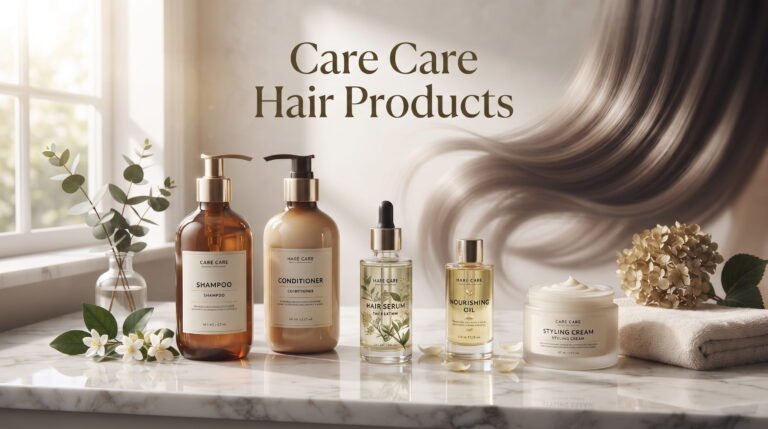
Use Color-Safe Shampoo
Choose a gentle shampoo formulated for color-treated hair. Washing too frequently with harsh cleansing products may contribute to dryness and faster fading.
The ideal washing frequency depends on your scalp, activity level, and hair texture.
Condition Regularly
Lightened hair can become dry or more prone to breakage. Use a suitable conditioner after washing and consider a moisturizing mask when needed.
Apply richer products mainly to the mid-lengths and ends if your roots become oily easily.
Limit Heat Styling
Frequent use of straighteners, curling irons, and high-temperature blow-dryers can worsen dryness and breakage. Use a heat protectant and select the lowest temperature that achieves your desired style.
Allowing hair to air-dry when practical can also reduce heat exposure.
Protect Hair From the Sun
Extended sun exposure may contribute to color fading and dryness. Wear a hat outdoors for long periods and consider hair products designed to offer UV protection.
Use Purple Shampoo Carefully
Purple shampoo may help reduce unwanted yellow tones in some blonde hair. It is not necessary for every balayage shade, and excessive use can leave hair dull or temporarily tinted.
Follow the product directions and ask your stylist whether a purple or blue toning product is appropriate for your particular color.
Schedule Professional Refreshes
A toner, gloss, or partial highlight appointment may restore brightness without repeating the entire service. Your stylist can recommend a schedule based on fading, root growth, and the condition of your ends.
Can Balayage Damage Your Hair?
Balayage itself is a coloring technique, but the lightening products commonly used in the process can weaken the hair, particularly when a substantial color change is required.
Potential problems include dryness, rough texture, split ends, breakage, and uneven color. The risk increases when hair has been previously bleached, chemically straightened, or repeatedly colored.
To reduce the risk:
- Tell your stylist about previous chemical treatments and home coloring.
- Ask whether a strand test is appropriate.
- Avoid attempting a dramatic color lift on already fragile hair.
- Follow aftercare recommendations and limit excessive heat.
- Consider a gradual lightening plan if your desired shade is much lighter than your current color.
A professional should assess the hair before proceeding. If your hair is significantly damaged, postponing lightening may be the safer option.
Is Balayage Suitable for Everyone?
Balayage can be customized for many people, but the most suitable approach depends on individual circumstances. Someone seeking subtle dimension may need only a few painted sections, while a person wanting a dramatic blonde transformation may need multiple appointments.
It is important to discuss allergies, scalp sensitivity, previous reactions to hair color, and any recent chemical treatments with the stylist. Follow the product manufacturer’s patch-testing instructions and the salon’s safety procedures.
If you have a history of reactions to hair dye, consult an appropriately qualified professional before proceeding. Do not assume that a previous uneventful coloring session guarantees that future applications will be reaction-free.
Common Balayage Mistakes to Avoid
Choosing a shade that is too light: An ambitious color goal may require more lightening than the hair can safely tolerate. A gradual plan may produce a better long-term result.
Ignoring the natural base color: A reference photo may have been created on a very different starting shade. Ask the stylist to explain what is realistic for your hair.
Overusing toning products: Frequent or excessive use of purple, blue, or other color-depositing products can alter the finish or make the hair appear dull.
Skipping aftercare: Lightened hair needs suitable conditioning, gentle handling, and protection from excessive heat.
Expecting zero maintenance: Although the root area can grow out softly, the color may still need toning and occasional refreshing.
Conclusion
Balayage highlights offer a flexible way to add brightness, depth, and movement to the hair. From caramel accents on dark brown hair to beige blonde ribbons and soft brunette blends, the technique can be adapted to different colors, lengths, and textures.
The most successful result comes from choosing a shade that complements the starting color, setting realistic expectations, and working with a stylist who understands hair health. With appropriate aftercare, gentle styling, and occasional professional refreshes, the color can remain attractive while keeping the hair manageable.
Frequently Asked Questions
1. What are balayage highlights?
They are highlights created by hand-painting color or lightener onto selected sections of hair. The technique usually produces a soft, blended transition rather than uniform, sharply defined highlights.
2. Is balayage better than traditional highlights?
Neither is universally better. Balayage is often chosen for a softer, blended appearance, while traditional foil highlights can provide more uniform brightness. The best option depends on the desired look and starting hair color.
3. How long does balayage last?
The blended appearance may last for several months, although toners can fade sooner. The timing of a refresh depends on hair growth, the color contrast, and personal preferences.
4. Does balayage work on dark hair?
Yes. Dark hair can be paired with caramel, mocha, chestnut, or blonde accents. More dramatic lightening may require multiple sessions to protect the hair’s condition.
5. Can balayage damage hair?
The lightening process can cause dryness, weakness, and breakage, especially when the hair is already damaged or requires substantial lifting. Professional assessment and suitable aftercare help reduce the risk.
6. How often should balayage be refreshed?
Many people refresh the color every few months, but there is no fixed schedule. Some need only occasional toning, while others prefer more frequent appointments.
7. Is balayage suitable for short hair?
Yes. It can add dimension to bobs, pixie cuts, and other short styles. The stylist must adjust the placement to suit the haircut and available length.
8. Do balayage highlights require special shampoo?
A gentle, color-safe shampoo is generally a good choice. Blonde hair may benefit from occasional toning shampoo, but the appropriate product depends on the shade and should not be overused.
9. Can I get balayage on previously colored hair?
Often, yes, but previous color treatments can affect how evenly the hair lightens. Tell your stylist about all recent coloring and chemical treatments so they can assess the hair and determine a suitable plan.
10. Is balayage suitable for curly hair?
Yes. Carefully placed highlights can enhance curl definition and dimension. Because lightening may affect hair strength and moisture, the service should be tailored to the curl pattern and condition of the hair.