Nail Tools: 10 Essentials for a Professional Manicure
Introduction
A beautiful manicure is not just about choosing the right nail polish. The tools used during nail preparation, shaping, cuticle care, and finishing also play an important role in achieving clean, attractive, and well-groomed nails.
Whether you enjoy doing your nails at home or work as a professional nail technician, having the right equipment can make your manicure routine easier and more organized. From nail clippers and files to cuticle pushers and buffers, each tool has a specific purpose.
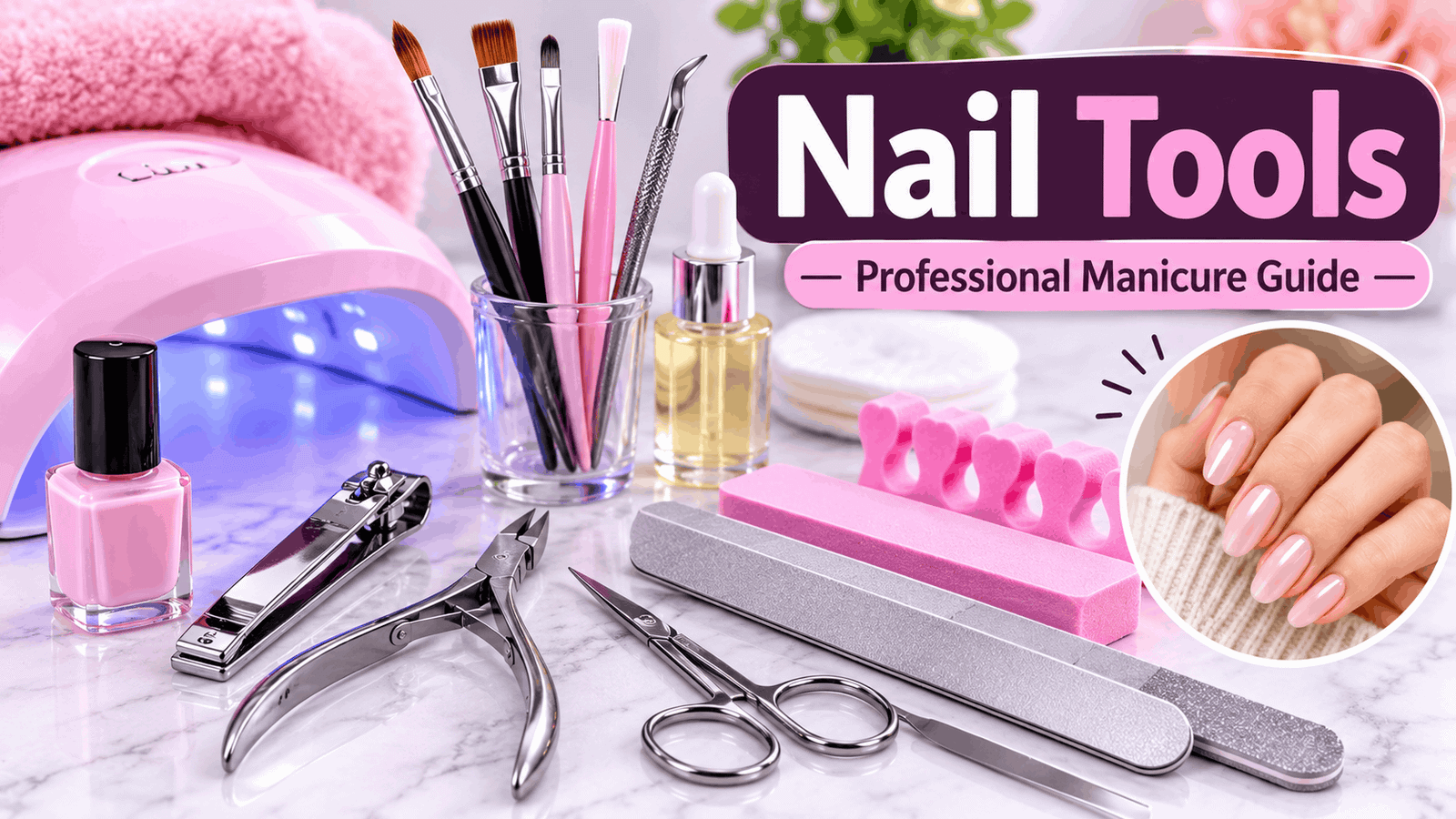
In this guide, we explore 10 essential nail tools, explain how to use them, and share practical tips for maintaining healthy nails and achieving a salon-quality finish.
Why Are Nail Tools Important?
Nail tools help keep nails neat, improve their shape, and make manicure procedures more precise. Using suitable equipment also helps reduce unnecessary damage during nail care.
The right tools can help you:
- Trim nails to a comfortable length.
- Create smooth and even nail shapes.
- Remove old nail polish.
- Manage rough edges.
- Prepare nails for polish application.
- Maintain clean and attractive cuticles.
- Achieve a more professional-looking finish.
Choosing good-quality equipment and maintaining proper hygiene are equally important. Even the best manicure tools should be cleaned and disinfected appropriately between uses.
10 Essential Nail Tools for a Professional Manicure
Here are ten useful tools that belong in a well-organized manicure kit.
1. Nail Clippers
<AsyncImage query=”professional stainless steel nail clippers manicure tool white background” aspectRatio=”5:4″ width=”100%”/>
Nail clippers are among the most basic and important manicure tools. They are designed to shorten natural nails quickly and create a manageable length before filing.
Main uses:
- Trimming fingernails.
- Removing uneven nail edges.
- Maintaining a consistent nail length.
- Preparing nails for shaping.
How to use them: Trim small sections at a time instead of cutting too close to the skin. Avoid cutting the corners deeply, as this may contribute to discomfort or nail problems.
Choose sharp, comfortable clippers made from durable materials. Keep them clean and store them in a dry place.
2. Nail File
<AsyncImage query=”professional manicure nail files emery boards assorted shapes” aspectRatio=”5:4″ width=”100%”/>
A nail file helps shape the edges of natural or artificial nails. It is available in different materials, sizes, and abrasive strengths.
Common types include:
- Emery board files.
- Glass nail files.
- Crystal nail files.
- Professional abrasive files.
Main uses:
- Creating square, oval, almond, or rounded shapes.
- Smoothing rough edges.
- Refining the nail length.
- Maintaining artificial nail shapes.
How to use it: File gently in a controlled direction and avoid aggressive back-and-forth filing, especially if your nails are thin or brittle. Choose a finer abrasive for natural nails.
3. Nail Buffer
<AsyncImage query=”four way professional nail buffer block manicure white pink” aspectRatio=”5:4″ width=”100%”/>
A nail buffer is used to smooth minor surface irregularities and create a more even appearance. Some buffers have several sides with different levels of abrasiveness.
Main uses:
- Smoothing minor surface roughness.
- Reducing visible ridges temporarily.
- Preparing nails for certain polish applications.
- Improving the appearance of the nail surface.
How to use it: Use light pressure and avoid frequent or excessive buffing. Over-buffing can thin the natural nail and make it more fragile.
4. Cuticle Pusher
<AsyncImage query=”stainless steel double ended cuticle pusher manicure tool” aspectRatio=”5:4″ width=”100%”/>
A cuticle pusher is a manicure tool designed to gently move excess cuticle tissue away from the visible nail plate when appropriate.
It commonly has a rounded or curved end for controlled handling.
Main uses:
- Gently managing excess cuticle tissue.
- Preparing the nail area for polish application.
- Improving the appearance of the nail contour.
How to use it: If needed, soften the surrounding skin first and use gentle pressure. Do not forcefully push back or remove the living cuticle, as this protective barrier helps prevent infection.
5. Cuticle Nippers
<AsyncImage query=”professional stainless steel cuticle nippers manicure close up” aspectRatio=”5:4″ width=”100%”/>
Cuticle nippers are small, sharp tools designed to trim loose, dead skin when necessary. They are commonly used in professional manicure settings.
Main uses:
- Removing small hangnails.
- Trimming loose dead skin.
- Managing isolated rough skin around the nail.
How to use them: These tools require careful handling. Never cut living cuticle tissue or healthy skin. Improper use can cause bleeding, irritation, and infection.
For routine home care, moisturizing the cuticle area is generally safer than cutting it.
6. Nail Polish Remover
<AsyncImage query=”nail polish remover bottle cotton pads manicure setup” aspectRatio=”5:4″ width=”100%”/>
Nail polish remover helps dissolve and remove old nail color before a fresh manicure.
Common varieties include acetone-based and non-acetone removers.
Main uses:
- Removing traditional nail polish.
- Cleaning residual color.
- Preparing nails for a new manicure.
- Correcting small polish mistakes.
How to use it: Apply a suitable amount to a cotton pad and gently wipe the nail surface. Avoid excessive exposure because some removers can dry the surrounding skin and nails.
Gel polish requires a specific removal process and should not be peeled or forcefully scraped away.
7. Nail Brush
<AsyncImage query=”small soft bristle manicure nail cleaning brush white background” aspectRatio=”5:4″ width=”100%”/>
A nail brush helps remove dirt and debris from around and underneath the nail edges. It is a simple but useful tool for maintaining nail cleanliness.
Main uses:
- Cleaning the nail surface.
- Removing loose debris.
- Cleaning around the nail edges.
- Supporting hand hygiene before a manicure.
How to use it: Use a soft-bristled brush with soap and water. Avoid scrubbing aggressively, particularly around irritated or damaged skin.
8. Nail Art Brush Set
<AsyncImage query=”professional nail art brush set thin liner detail brushes manicure tools” aspectRatio=”5:4″ width=”100%”/>
Nail art brushes are designed for creating decorative patterns and detailed designs. They come in different shapes and sizes to suit different techniques.
Common varieties include:
- Fine liner brushes.
- Detail brushes.
- Flat brushes.
- Fan brushes.
- Dotting brushes.
Main uses:
- Drawing fine lines.
- Creating floral patterns.
- Painting geometric designs.
- Adding decorative details.
- Blending nail colors.
How to use them: Select a brush according to the design and product being used. Clean the brush after each session with a suitable product to prevent hardened polish and pigment buildup.
9. Nail Dust Brush
<AsyncImage query=”soft nail dust brush professional manicure acrylic nail dust cleaning” aspectRatio=”5:4″ width=”100%”/>
A nail dust brush removes loose filing dust from the nail surface and surrounding area. It is particularly useful during artificial nail preparation and shaping.
Main uses:
- Removing dust after filing.
- Cleaning the nail surface before product application.
- Keeping the manicure station tidy.
- Removing loose particles around the fingertips.
How to use it: Use a clean, soft brush with gentle strokes. Do not blow filing dust away, as this can spread particles into the surrounding air.
10. Base Coat and Top Coat
<AsyncImage query=”professional clear base coat and glossy top coat nail polish bottles” aspectRatio=”5:4″ width=”100%”/>
Base coat and top coat are essential products for many traditional polish manicures.
Base coat uses:
- Providing a suitable surface for nail polish.
- Helping improve polish adhesion.
- Reducing direct contact between strongly pigmented polish and the nail surface.
Top coat uses:
- Adding shine or a matte finish.
- Helping protect the color layer.
- Improving the overall appearance of the manicure.
How to use them: Apply a thin base coat before colored polish and finish with a compatible top coat. Follow the manufacturer’s drying or curing instructions.
Additional Tools That Can Improve Your Manicure Kit
The ten essentials cover most basic manicure needs, but professional nail technicians may also use additional equipment.
Nail Soaking Bowl
<AsyncImage query=”manicure finger soaking bowl white ceramic salon equipment” aspectRatio=”5:4″ width=”100%”/>
A soaking bowl is used to hold warm water for softening the hands or nails before selected manicure procedures. It should be cleaned and disinfected between clients.
Cuticle Oil
<AsyncImage query=”cuticle oil dropper bottle manicure nail care product” aspectRatio=”5:4″ width=”100%”/>
Cuticle oil helps moisturize the skin around the nails and can reduce dryness. It is useful after polish removal and during regular nail care.
Nail Polish Organizer
<AsyncImage query=”professional nail polish organizer rack salon manicure bottles” aspectRatio=”5:4″ width=”100%”/>
An organizer keeps polish bottles and manicure supplies arranged neatly. It makes it easier to find products and maintain a clean workstation.
LED or UV Nail Lamp
<AsyncImage query=”professional LED UV nail lamp gel manicure salon equipment” aspectRatio=”5:4″ width=”100%”/>
A compatible LED or UV lamp is used to cure gel nail products. It is not required for ordinary air-dry nail polish. Follow the product’s curing instructions and use appropriate skin protection.
How to Choose the Best Nail Tools
Selecting suitable equipment depends on your manicure routine, experience, and the types of products you use.
1. Check the Material
Stainless steel tools are popular because they are durable and can generally be cleaned and disinfected according to their instructions.
2. Consider Comfort and Grip
Choose tools that feel comfortable in your hands. A stable grip makes trimming, filing, and detailed work easier.
3. Look for Good Quality
Well-made tools should have smooth edges, properly aligned cutting surfaces, and reliable construction.
4. Choose the Right File Abrasiveness
Natural nails generally require a gentler file than many artificial nail products. Avoid using coarse files aggressively on natural nail plates.
5. Consider Your Experience
Beginners may need only a small basic kit. Professional technicians may require a broader selection of specialized tools for different services.
6. Prioritize Hygiene
Choose tools that can be cleaned and disinfected appropriately. Disposable items should not be reused when designed for single use.
How to Use Nail Tools for a Professional Manicure
Following an organized routine can make the manicure process easier and help create a neat result.
Step 1: Clean Your Hands
Wash your hands with soap and water. Make sure the manicure tools and work surface are clean.
Step 2: Remove Old Nail Polish
Use an appropriate remover to clean away previous nail color. If you have gel polish, follow a gel-specific removal method.
Step 3: Trim and Shape Your Nails
Use nail clippers if shortening is needed, then refine the shape with a suitable file.
Step 4: Care for the Cuticles
Moisturize the surrounding skin. Avoid cutting living cuticles or forcefully pushing them back.
Step 5: Smooth the Nail Surface
If necessary, use a fine buffer very gently. Avoid excessive buffing.
Step 6: Remove Dust and Debris
Use a clean nail brush to remove loose particles before applying polish.
Step 7: Apply Base Coat
Apply a thin layer of base coat and allow it to dry according to the instructions.
Step 8: Apply Nail Polish
Apply one or two thin coats of your preferred color, allowing appropriate drying time between layers.
Step 9: Finish With Top Coat
Apply a suitable top coat to improve the appearance and help protect the manicure.
Step 10: Moisturize
Finish by applying cuticle oil or hand cream to moisturize the surrounding skin.
How to Clean and Maintain Nail Tools
Proper tool care is essential for preventing contamination and keeping manicure equipment in good condition.
- Remove visible dirt and product residue after each use.
- Wash reusable tools with an appropriate cleaning method.
- Disinfect reusable instruments using a suitable product and the manufacturer’s recommended contact time.
- Sterilize instruments when required by local regulations or the level of exposure.
- Use fresh disposable files, buffers, and wooden sticks when they are designed for single use.
- Keep clean tools separate from used instruments.
- Store equipment in a clean, dry, protected container.
- Replace damaged, rusty, or blunt tools.
Professional salons should follow applicable infection-control requirements. Simply wiping a tool with alcohol may not provide adequate disinfection for every type of instrument.
Common Nail Tool Mistakes to Avoid
Even good-quality manicure tools can cause problems when used incorrectly.
Cutting the Cuticles
Cutting living cuticle tissue can damage the protective barrier around the nail and increase infection risk. Gentle moisturization is usually a better approach.
Over-Buffing Natural Nails
Excessive buffing removes layers of the nail plate and may cause thinning, peeling, or weakness.
Sharing Unclean Tools
Sharing improperly cleaned manicure instruments can spread bacteria, fungi, and other infectious organisms.
Using the Wrong File
A coarse file may damage natural nails when used too aggressively. Choose an appropriate abrasive level for the material being shaped.
Applying Too Much Pressure
Forceful trimming, filing, or cuticle pushing can injure the nail and surrounding skin.
Ignoring Tool Damage
Blunt, rusty, or damaged tools may produce uneven results and should be replaced.
Safety Tips for Professional and Home Manicures
Good hygiene is just as important as having the correct manicure equipment.
- Wash hands before and after nail care.
- Use clean, properly disinfected reusable instruments.
- Do not share personal nail tools without appropriate cleaning and disinfection.
- Avoid cutting healthy cuticles.
- Never use sharp tools on infected or inflamed skin.
- Keep manicure products away from the eyes and mouth.
- Use gel products according to their instructions and avoid skin contact with uncured material.
- Maintain good ventilation when working with nail products and filing dust.
- Stop using products that cause itching, redness, burning, or swelling.
If you notice persistent nail discoloration, pain, swelling, or changes in nail shape, consult a dermatologist before covering the problem with artificial nails or polish.
Conclusion
The right nail tools can make a manicure more organized, precise, and enjoyable. Essential items such as nail clippers, files, buffers, cuticle pushers, nail brushes, and polish products help create a neat finish while supporting routine nail care.
However, professional-looking results depend on more than equipment alone. Gentle techniques, appropriate product selection, and proper hygiene are equally important.
Whether you are building a simple home manicure kit or preparing a professional salon workstation, investing in suitable tools and learning how to use them correctly can make a meaningful difference in your nail care routine.
Frequently Asked Questions (FAQs)
1. What are the most important tools for a manicure?
The most important manicure tools include nail clippers, a nail file, a buffer, a cuticle pusher, a nail brush, nail polish remover, and suitable base and top coats.
2. Which nail file is best for natural nails?
A gentle emery board or glass nail file is suitable for many natural nail care routines. Avoid coarse abrasives and aggressive filing.
3. What is a cuticle pusher used for?
A cuticle pusher is designed to gently move excess cuticle tissue away from the visible nail plate when necessary. It should never be used with force.
4. Are cuticle nippers necessary for a manicure?
No. They are not essential for every manicure. They may be used by trained professionals to remove small pieces of loose dead skin, but cutting living cuticles can cause injury and infection.
5. What is the difference between a nail file and a nail buffer?
A nail file shapes and shortens the nail edges, while a buffer gently smooths the nail surface. Excessive buffing can damage natural nails.
6. How often should manicure tools be cleaned?
Reusable tools should be cleaned and appropriately disinfected after every client or use according to their material and intended purpose. Disposable tools should be replaced as recommended.
7. Can I use professional nail tools at home?
Yes. Many professional-style tools are suitable for home manicures when used carefully. Beginners should avoid sharp cuticle instruments and aggressive filing techniques.
8. What tools are needed for nail art?
Nail art commonly requires detail brushes, liner brushes, dotting tools, nail polish, decorative products, and a suitable top coat.
9. How can I prevent nail damage during a manicure?
Use gentle filing techniques, avoid cutting living cuticles, limit buffing, keep tools clean, and remove nail products according to their instructions.
10. What should a professional manicure kit contain?
A professional kit may include nail clippers, different nail files, buffers, cuticle tools, nail brushes, polish remover, base coat, top coat, nail art brushes, and appropriate cleaning and disinfection supplies.