Yoga Studios: the Right One for Your Wellness Journey
Introduction
Yoga has become much more than a fitness trend—it’s a holistic practice that nurtures the body, mind, and spirit. Whether you’re looking to reduce stress, improve flexibility, build strength, or cultivate mindfulness, the right yoga studio can make a significant difference in your experience.
With countless yoga studios offering different teaching styles, class formats, and environments, choosing the one that best suits your needs can feel overwhelming. This guide will help you understand what to look for in a yoga studio, the benefits of joining one, and how to make the most of your yoga practice.
Why Join a Yoga Studio?
While online yoga classes offer convenience, a dedicated yoga studio provides an immersive environment designed to support your wellness goals.
Some key advantages include:
- Professional instruction from certified yoga teachers
- Personalized guidance to improve posture and technique
- Safe practice with proper alignment
- Motivation from practicing with a supportive community
- A peaceful environment free from everyday distractions
- Access to specialized workshops and wellness events
A quality yoga studio creates a space where beginners and experienced practitioners alike can develop confidence and consistency.
What Makes a Great Yoga Studio?
Not at all yoga studios are the same. Before signing up, consider these important factors.
Qualified Instructors
Experienced, certified instructors are the foundation of any excellent yoga studio. A knowledgeable teacher can adapt poses to different skill levels, prevent injuries, and help students progress safely.
Look for instructors who:
- Hold recognized yoga certifications
- Have experience teaching different age groups
- Explain poses clearly
- Encourage safe modifications
- Create a welcoming atmosphere
A great instructor focuses on your individual progress rather than perfection.
Variety of Yoga Classes
Everyone has different goals. The best yoga studios offer multiple styles to suit diverse needs.
Common class options include:
Hatha Yoga
Ideal for beginners, Hatha Yoga focuses on foundational poses, breathing techniques, and proper alignment.
Vinyasa Yoga
A dynamic style that links movement with breath, improving strength, flexibility, and cardiovascular fitness.
Yin Yoga
This slower practice emphasizes deep stretching and relaxation through longer-held poses.
Restorative Yoga
Perfect for stress relief and recovery, Restorative Yoga uses props to support gentle, relaxing postures.
Power Yoga
A physically challenging style that builds endurance, balance, and muscular strength.
Prenatal Yoga
Designed specifically for expectant mothers, Prenatal Yoga promotes flexibility, breathing, and relaxation during pregnancy.
Studio Environment Matters
The atmosphere of a yoga studio greatly influences your experience.
A welcoming studio should provide:
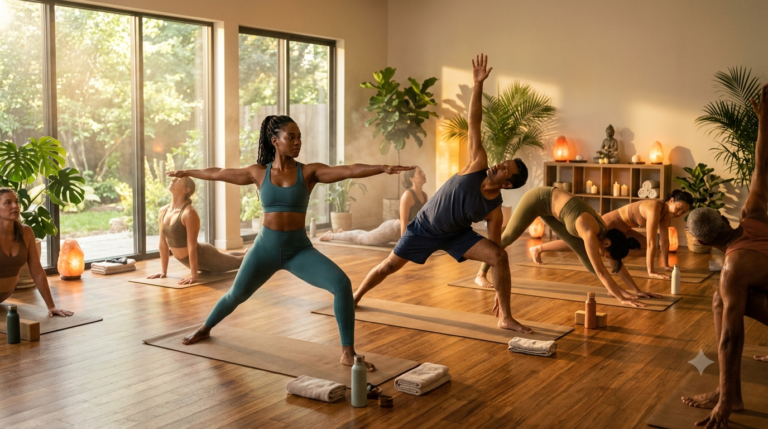
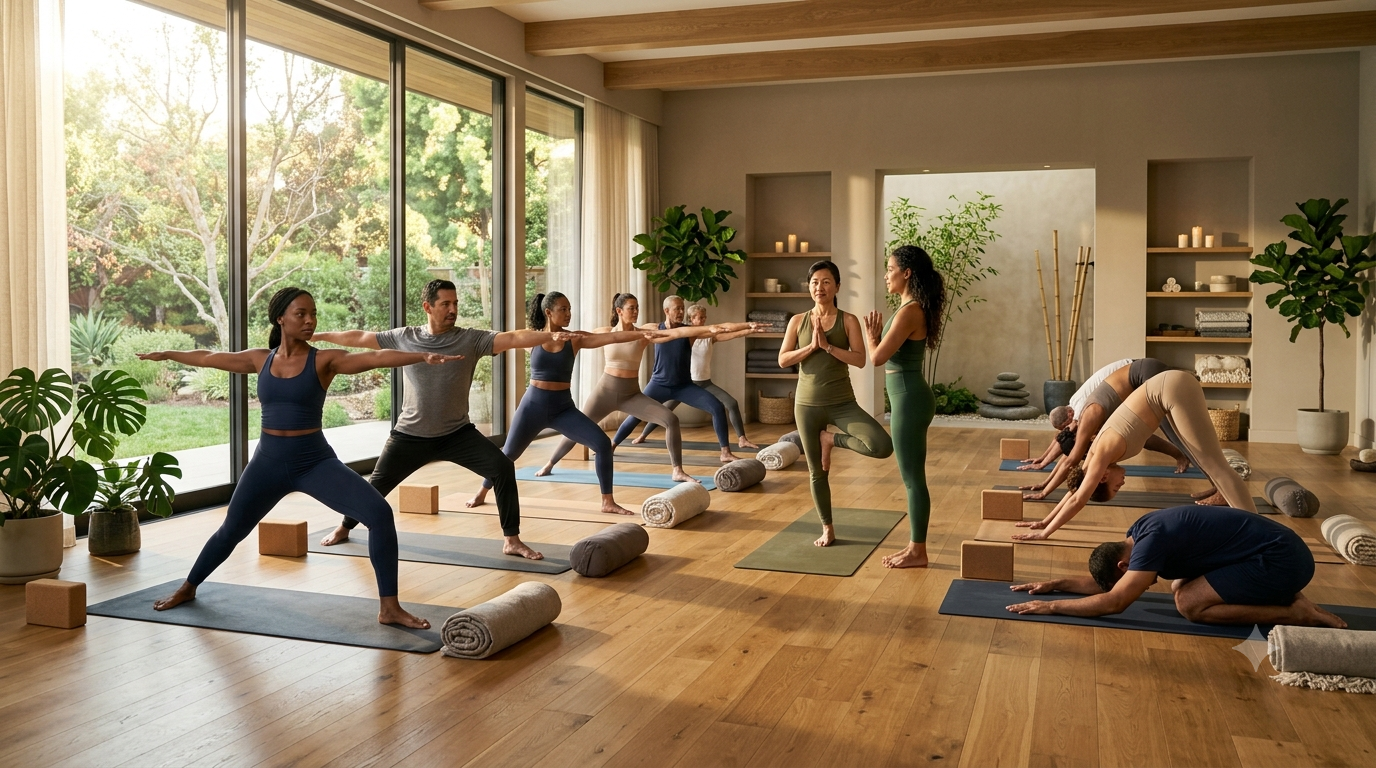
- Clean practice rooms
- Comfortable temperature
- Good ventilation
- Peaceful surroundings
- Quality yoga mats and props
- Spacious class areas
- Organized reception and changing facilities
A calm, uncluttered environment helps students focus entirely on their practice.
Consider Class Size
Class size affects the level of attention you receive.
Small Classes
Benefits include:
- Individual guidance
- Easier pose corrections
- Better interaction with instructors
- Comfortable learning environment
Large Classes
Advantages include:
- More scheduling options
- Vibrant group energy
- Greater community interaction
Beginners often benefit from smaller classes where instructors can provide personalized support.
Flexible Scheduling
A good yoga studio understands that people have different lifestyles.
Look for studios offering:
- Morning sessions
- Lunchtime classes
- Evening classes
- Weekend schedules
- Online options
- Drop-in classes
- Membership packages
Flexible scheduling makes it easier to maintain a consistent routine.
Trial Classes Are Worth It
Many yoga studios offer introductory classes or trial memberships.
A trial class lets you evaluate:
- Instructor teaching style
- Studio cleanliness
- Class pace
- Student community
- Overall comfort level
Never hesitate to visit multiple studios before making your decision.
Benefits of Practicing at a Yoga Studio
Regular attendance provides numerous physical and mental health benefits.
Improved Flexibility
Consistent stretching increases joint mobility and reduces muscle stiffness.
Better Strength
Yoga strengthens core muscles, legs, arms, and back using controlled bodyweight movements.
Improved Posture
Proper alignment helps reduce neck, shoulder, and lower back discomfort caused by prolonged sitting.
Reduced Stress
Breathing exercises and mindful movement lower stress levels while promoting emotional balance.
Enhanced Balance
Yoga improves coordination, stability, and body awareness, reducing the risk of falls and injuries.
Better Sleep
Many practitioners report improved sleep quality after establishing a regular yoga routine.
Increased Energy
Although relaxing, yoga also boosts circulation and improves overall energy levels throughout the day.
Questions to Ask Before Joining
Before purchasing a membership, ask the studio:
- Are instructors certified?
- Which classes suit beginners?
- Is there a free trial?
- What membership options are available?
- Are yoga mats provided?
- Are classes limited in size?
- What safety measures are followed?
- Are there cancellation or refund policies?
These questions help you make an informed decision.
Signs of a High-Quality Yoga Studio
You’ll likely have a positive experience if the studio:
- Welcomes beginners
- Maintains clean facilities
- Employs qualified instructors
- Encourages safe practice
- Offers multiple class levels
- Provides clear communication
- Maintains a respectful and inclusive environment
The right studio supports both physical growth and mental well-being.
Tips for Your First Yoga Class
If you’re new to yoga:
- Arrive 10–15 minutes early.
- Wear comfortable, breathable clothing.
- Avoid heavy meals before class.
- Bring a water bottle if permitted.
- Inform the instructor about injuries or medical conditions.
- Listen to your body and avoid pushing beyond your comfort level.
- Focus on progress rather than perfection.
Remember that every experienced yogi was once a beginner.
How to Stay Consistent
Consistency is key to experiencing yoga’s long-term benefits.
Helpful strategies include:
- Schedule classes in advance.
- Set realistic weekly goals.
- Practice at the same time each week.
- Track your progress.
- Stay patient with yourself.
- Combine studio sessions with occasional home practice.
Even two or three sessions per week can lead to noticeable improvements over time.
Common Mistakes to Avoid
Avoid these common beginner mistakes:
- Comparing yourself to others
- Ignoring pain or discomfort
- Skipping warm-ups
- Holding your breath during poses
- Expecting instant results
- Practicing inconsistently
Yoga is a personal journey that develops gradually through patience and dedication.
Conclusion
Choosing the right yoga studio is an investment in your physical health, mental well-being, and overall quality of life. A welcoming environment, knowledgeable instructors, diverse class options, and a supportive community can transform yoga from an occasional workout into a lifelong wellness practice.
Take time to visit different studios, attend trial classes, and find a place where you feel comfortable and inspired. The best yoga studio isn’t necessarily the most expensive or the most popular—it’s the one that helps you build a sustainable, enjoyable practice that aligns with your goals.
Whether you’re stepping onto a yoga mat for the first time or returning after a break, the right studio can provide the guidance, encouragement, and motivation needed to help you thrive.
Frequently Asked Questions (FAQs)
1. How do I choose the best yoga studio?
Look for certified instructors, a clean environment, class variety, flexible schedules, and positive reviews. Trial classes can help you decide if the studio is a good fit.
2. Is yoga suitable for beginners?
Yes. Many studios offer beginner-friendly classes that teach foundational poses, breathing techniques, and proper alignment.
3. How often should I attend yoga classes?
Practicing two to three times per week is a good starting point for improving flexibility, strength, and overall well-being.
4. What should I wear to a yoga studio?
Wear comfortable, stretchy clothing that allows free movement. Avoid overly loose clothing that may interfere with certain poses.
5. Can yoga help reduce stress?
Yes. Yoga combines movement, breathing exercises, and mindfulness, all of which can help reduce stress, improve relaxation, and support better mental health.