Sleep Hygiene – a Better Night’s Sleep and a Healthy Lifestyle
Introduction:
Sleep is an important part of a healthy lifestyle, but many people find it difficult to sleep well every night. Stress, busy schedules, excessive screen-time, irregular routines and unhealthy habits may make it hard to fall or stay asleep. In addition to causing fatigue, poor sleep can affect mood, concentration and productivity as well as immunity.
Sleep hygiene is important in this situation. Sleep hygiene is a collection of healthy practices and habits that creates the conditions for good sleep. Sleeping for a set number of hours is not enough; you need to improve the quality of your sleep and create a routine that helps support the body’s natural sleeping cycle.
People can fall asleep quicker, get a deeper sleep, and feel refreshed by following good sleep hygiene. Even small lifestyle changes can have a big impact, like maintaining a regular sleep schedule, creating a relaxing environment before bed and reducing distractions.
This guide will explain what sleep hygiene is and why it’s important. It will also cover the best practices, as well as common sleep-related mistakes. Finally, you will learn how to build a better sleep routine.
What is Sleep Hygiene?
The term sleep hygiene is used to describe the daily habits and behaviors as well as environmental factors which influence a person’s ability to sleep. The idea focuses on creating environments that encourage natural sleep patterns.
Sleep hygiene can include:
- Consistently going to bed and waking at the same time
- Create a relaxing bedtime ritual
- Keep the bedroom quiet and comfortable
- Limit caffeine and heavy food before bed
- Reduce your exposure to screens during the night
- Manage stress and calm the mind before bed
Sleep hygiene does not solve sleep issues instantly. It is more of a combination of healthy practices that are combined over time. Once these habits are a part of your daily routine, your body will start to recognize signals that you need to rest.
Why is sleep hygiene important?
A good night’s sleep is essential for both physical and mental well-being. During sleep the body performs many important processes, such as healing tissues, strengthening your immune system, balancing your hormones and processing memories.
Sleep problems can cause a number of health issues, including:
- Daytime fatigue
- Focusing difficulties
- Stress levels increase
- Changes in mood
- Reduced performance at work or in the classroom
- Immune system weakened
- Poor decision-making ability
Sleep is important for both children and adults. It helps with brain development, emotional equilibrium, and physical recuperation. Good sleep hygiene improves health and helps the body to follow its biological clock.
Understanding the Natural Sleep Cycle
The body of the human follows a biological cycle known as Circadian rhythm. This internal clock controls the sleep and wake patterns over a 24 hour period.
The circadian clock responds to signals from the environment, especially light and dark. Natural daylight exposure helps keep the body alert during the day. Darkness encourages the production of melatonin – a hormone which promotes sleep.
Circadian rhythms can be disrupted when people follow irregular schedules, use bright screens or stay up late before bedtime. It may be difficult to get to sleep or stay asleep.
Healthy sleep hygiene helps maintain this internal clock in balance by providing consistent signals to sleep and wake.
Create a healthy sleep schedule
Maintaining a regular schedule of sleep is one of the best ways to maintain good sleep hygiene. The body learns to follow predictable patterns when you go to sleep and wake up at the same time every day.
Some people alter their sleep pattern on the weekends, staying up late at night and sleeping in longer during the morning. This may seem relaxing but it can disrupt the body’s natural rhythm, making Monday mornings difficult.
How to create a better sleeping schedule
- Set a realistic wake-up and bedtime
- Every day, follow the same schedule
- Sleeping patterns on weekends and weekdays should be similar.
- Rest well and take your time
Consistency is important more than perfection. Sleep quality gradually improves with a stable routine.
Designing a Perfect Sleep Environment
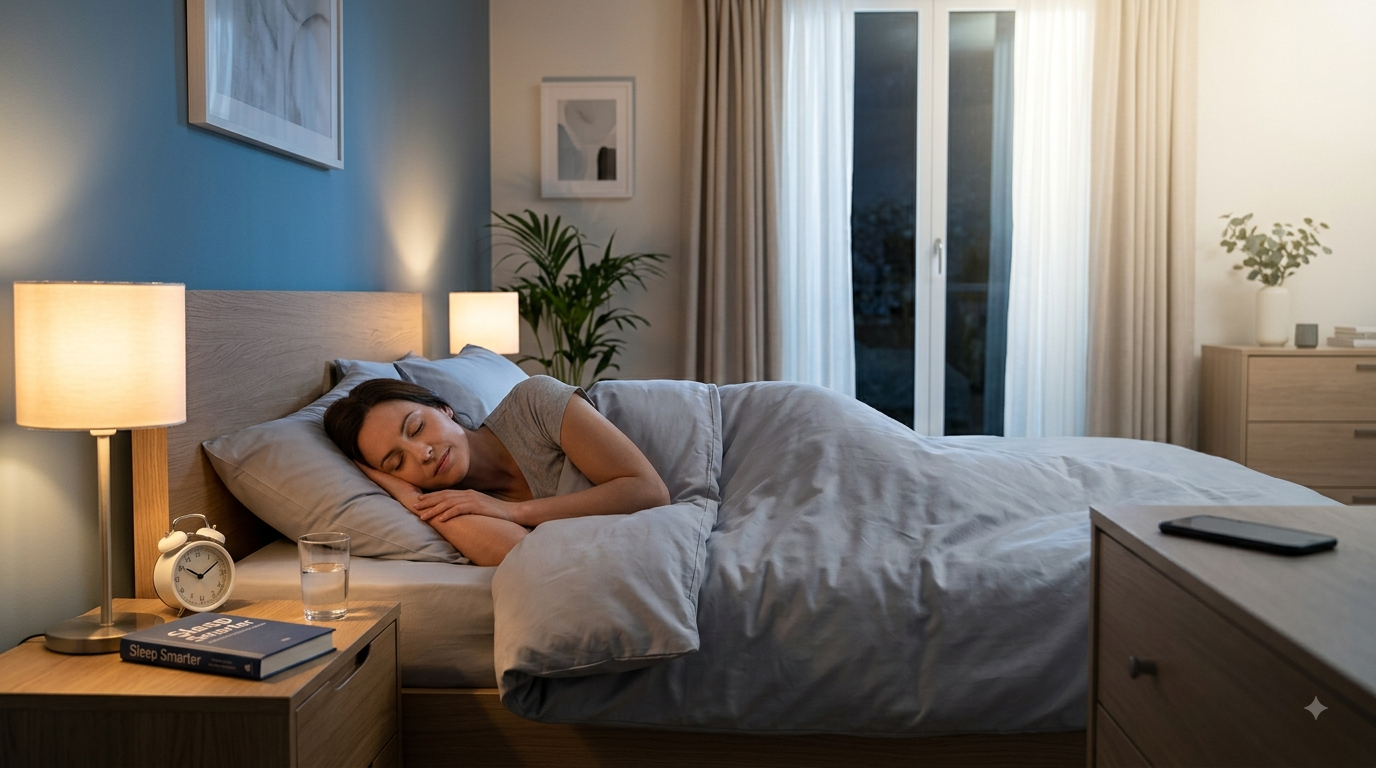
The bedroom’s environment can have a direct effect on the quality of sleep. A peaceful, comfortable space signals to the brain that it’s time to relax.
The following are important factors to consider when creating a sleeping-friendly environment:
Keep the room dark
Melatonin is produced by the body when it’s dark. If outside light disturbs your sleep, use curtains, blinds or an eye mask.
Keep a Comfortable Thermostat
Sleeping in a room that’s too hot or cold can be disruptive. Most people prefer a slightly cooler environment.
Reduce Noise
Loud sounds can prevent deep sleep. Use earplugs or white noise to reduce background noise.
Choose Comfortable Bedding
Clean bedding, a comfortable mattress and a supportive pillow can help you relax and sleep better.
A good sleeping environment eliminates distractions, and creates an atmosphere of relaxation.
Sleep Hygiene and Technology
The use of screens before bedtime is not recommended.
Blue light from phones, tablets, computer screens, and TVs can interfere with the production of melatonin and cause sleepiness.
Healthy tech habits before bedtime include:
- Avoid screens 30-60 minutes prior to sleep
- Keep phones out of the bedroom
- Use the night mode when needed
- Avoiding stressful content before bedtime
Try relaxing activities instead of scrolling down social media. These include reading a book or listening to soothing music.
Building a relaxing bedtime routine
A routine for bedtime prepares the body and mind to sleep. The same relaxing activities repeated each night will signal bedtime.
Healthy nighttime routines may include:
- Showering in warm water
- Relaxing reading
- Write down your thoughts and worries
- Meditation is a practice that can be done by anyone.
- Doing gentle stretching
- Listening to peaceful Sounds
It is important to create a smooth transition between daytime activities and rest.
What you eat and drink can affect your sleep
Sleep quality can be affected by what you eat and drink during the day. Certain foods and beverages can make it difficult to sleep.
Caffeine
Caffeine can remain in the body for up to several hours. The late in the afternoon can delay sleep.
Heavy Meals
Eat spicy or large meals before bedtime to avoid discomfort.
Alcohol
Alcohol can cause sleep disturbances and nighttime awakenings.
Avoiding stimulants close to bedtime, eating balanced meals and staying hydrated are all good choices.
Stress Management for Better Sleep
Sleep problems are often caused by stress and overthinking. It is difficult to relax or fall asleep when the mind is active.
Stress management techniques to support sleep hygiene include
- Deep breathing exercises
- You can also read about our Meditation
- Journaling
- Regular physical activity
- Organise tasks in advance
Mentally separating the daytime from bedtime is beneficial. The bedroom should be associated more with relaxation than anxiety.
Exercise and Sleep Quality
Regular physical activity improves sleep by supporting healthy body rhythms and reducing stress. Regular exercisers often have deeper, more refreshing sleep.
Some people may feel more alert if they exercise intensely right before bedtime. For better results:
- Regularly exercise during the day
- Avoid intense exercise close to bedtime
- Relaxing activities can be included in the evening
Exercises like yoga, walking, stretching and mild workouts such as walking can help improve sleep.
Avoid these common sleep hygiene mistakes
Unknowingly, many people have bad habits that affect their sleep. Some common mistakes include:
- Use of phones while lying in bed
- Sleeping at different times every night
- Take long naps throughout the day
- Caffeine late at night
- Work or study in bed
- Keep a comfortable sleep environment
Sleep can be improved by identifying these bad habits and replacing them.
How long does it take to improve sleep hygiene?
It takes patience to improve sleep habits. Some people will notice changes in a matter of days while others might need weeks to develop a routine.
Regular practice is key. When a person consistently practices healthy sleep hygiene, the body will adjust.
You can make small improvements by:
- Faster falling asleep
- Wake up with more energy
- Improved concentration throughout the day
- Feel better?
It is not possible to improve your sleep in a single day.
Conclusion:
Maintaining good mental and physical health requires good sleep hygiene. Healthy sleep habits improve the brain, help with emotional balance and support daily energy.
It is not necessary to make complicated changes in order to get better sleep. Simple changes such as maintaining a regular schedule, improving your bedroom environment, reducing the screen time, managing your stress and creating a relaxing bedtime ritual can have a significant impact.
Sleep needs vary from person to person, but by forming positive habits the body can achieve a more restorative and natural sleep. People can improve their sleep and live a healthier life by prioritizing sleep hygiene.
(Frequently Asked Questions)FAQs
1. What is sleep hygiene?
Sleep hygiene is a term that refers to good habits and practices for improving sleep quality. For example, maintaining a schedule, creating an environment conducive to sleep, and adhering to a relaxing bedtime ritual are all examples of sleep hygiene.
2. How much sleep does an adult need?
For optimal health and performance, most adults require 7 to 9 hours sleep per night.
3. Sleep hygiene can help insomnia.
By creating better sleep conditions, you can improve sleep for many people who have sleep problems. Insomnia that persists may need professional help.
4. Does using a cell phone before going to bed affect your sleep?
The use of a phone before going to bed can have a negative impact on sleep, as the screen’s light and stimulating content could delay relaxation and reduce production of melatonin.
5. What is the best way to get ready for bed?
Good bedtime routines include relaxing activities like reading, meditation, gentle stretches, or taking warm showers before sleep.
6. Does exercise improve sleep?
Regular exercise improves sleep quality because it reduces stress and supports healthy sleep patterns.
7. Why am I still tired after sleeping?
You may wake up feeling tired due to poor sleep, an irregular sleep schedule, stress, bad habits or sleep-related conditions.
8. Do I need to nap during the daytime?
Long or late naps, however, can make it difficult to fall asleep at night.
9. How can I improve my bedroom for better sleep?
Keep your bedroom cool, dark, quiet and comfortable. Remove all distractions and use comfortable bedding.
10. How quickly can sleep hygiene improve your sleep?
Some people see improvements in just a few days while others need to maintain healthy habits for several weeks before they notice major changes.