Brunette Hair: Shades, Styles, Ideas, and Hair Care Tips
Introduction
Brunette hair is a timeless hair color family that ranges from soft chocolate and warm chestnut to deep espresso and cool ash brown. Unlike a single fixed shade, brunette covers a wide spectrum of brown tones, making it easy to customize for different complexions, hair textures, and personal styles.
A brunette look can be completely natural and understated or highly dimensional with highlights, balayage, lowlights, and glossy color treatments. The right shade can also change the overall appearance of a hairstyle without requiring a dramatic transformation.
Whether you are naturally brunette or considering coloring your hair brown, understanding the different tones and maintenance requirements can help you choose a look that feels flattering and practical.
What Is Brunette Hair?
Brunette hair generally refers to brown hair ranging from lighter brown to very deep brown.
The color can contain different undertones, including:
- Warm golden tones
- Red or copper tones
- Neutral brown
- Cool ash tones
- Deep chocolate tones
- Almost-black espresso shades
Two people may both be described as brunettes while having completely different hair colors.
Why Is Brunette Hair So Versatile?
Brown provides a flexible base for experimenting with tone and dimension.
A brunette can choose a subtle change by adding a few lighter pieces around the face or make a stronger transformation with rich chocolate color throughout the hair.
Because brunette shades can be warm, cool, or neutral, the color family offers many possibilities rather than forcing everyone into the same brown tone.
Popular Brunette Hair Shades
Chocolate Brown
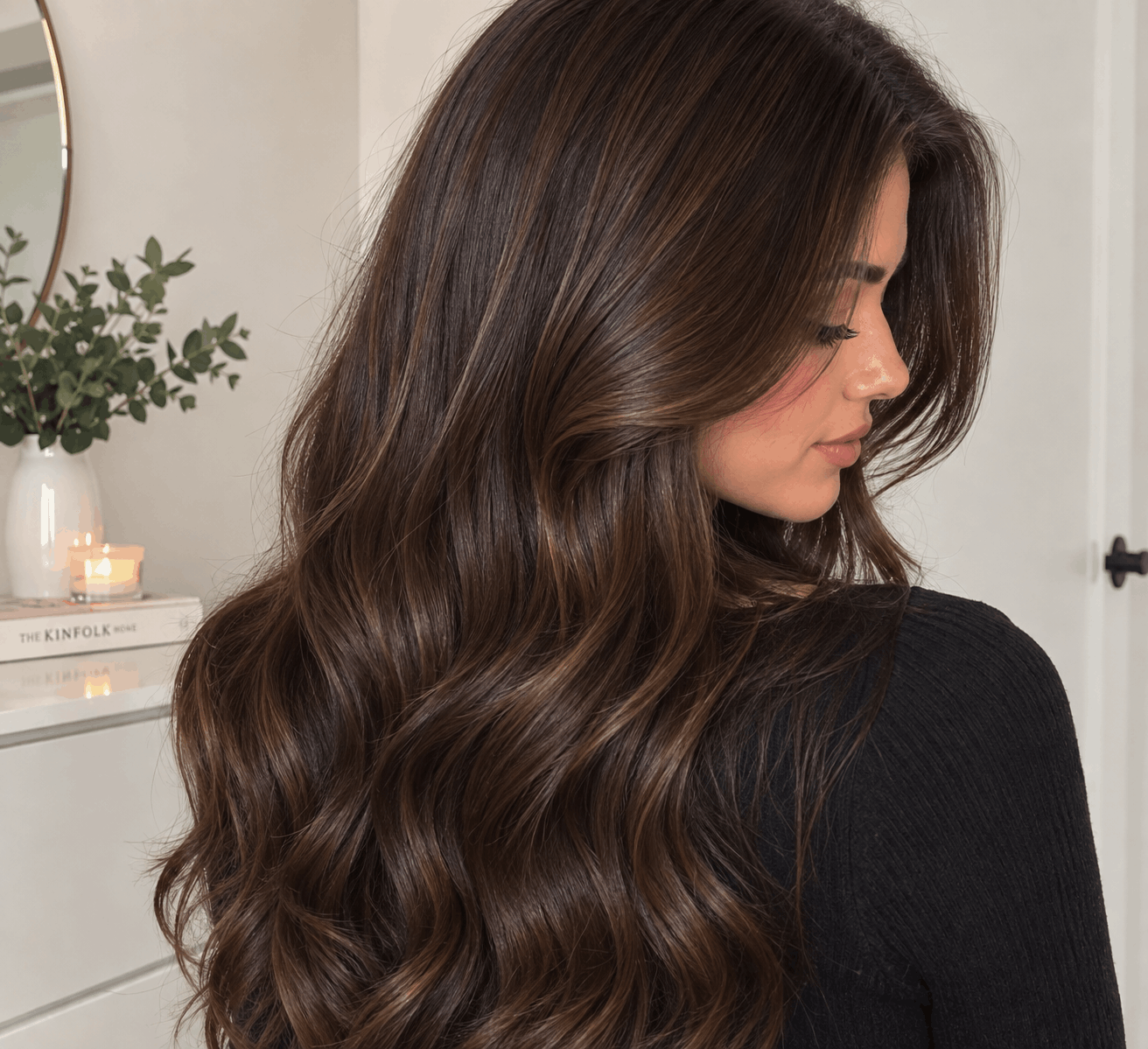
Chocolate brown is a rich, medium-to-deep brown with a luxurious appearance. It can work particularly well when paired with a glossy finish.
Dark Chocolate
Dark chocolate brunette is deeper and more dramatic than traditional chocolate brown. It creates a polished appearance without going completely black.
Espresso Brown
Espresso is an exceptionally deep brunette shade. It can look almost black indoors while revealing brown tones under brighter lighting.
Chestnut Brown
Chestnut combines brown with subtle warm reddish or golden undertones. It can give brunette hair a naturally dimensional appearance.
Caramel Brown
Caramel brunette introduces lighter golden-brown tones. It is especially popular for highlights and balayage rather than an all-over color.
Ash Brown
Ash brown has cooler undertones and less visible warmth. It can create a modern, muted brunette appearance.
Mushroom Brown
Mushroom brown sits in a cool, neutral range and can include soft taupe-like tones. It is often chosen by people who want a less golden brunette.
Honey Brown
Honey brown combines brown with warm golden tones. It can make the hair appear brighter without moving completely into blonde territory.
Warm Brunette vs. Cool Brunette
One of the most important decisions when choosing brunette hair is undertone.
Warm brunette shades contain golden, caramel, copper, or reddish notes.
Cool brunette shades lean toward ash, taupe, or muted brown.
Neutral brunette sits between the two.
Your natural hair color, existing color, skin undertone, and personal preference can all influence which direction works best.
Brunette Hair With Highlights
Highlights can add dimension without changing the entire head of hair.
Popular combinations include:
- Chocolate hair with caramel highlights
- Dark brown hair with honey pieces
- Espresso hair with subtle mocha highlights
- Chestnut hair with copper accents
- Cool brunette with ash-brown highlights
The placement matters as much as the color. Face-framing highlights can brighten the appearance around the face, while scattered highlights can create a more natural effect.
Brunette Balayage
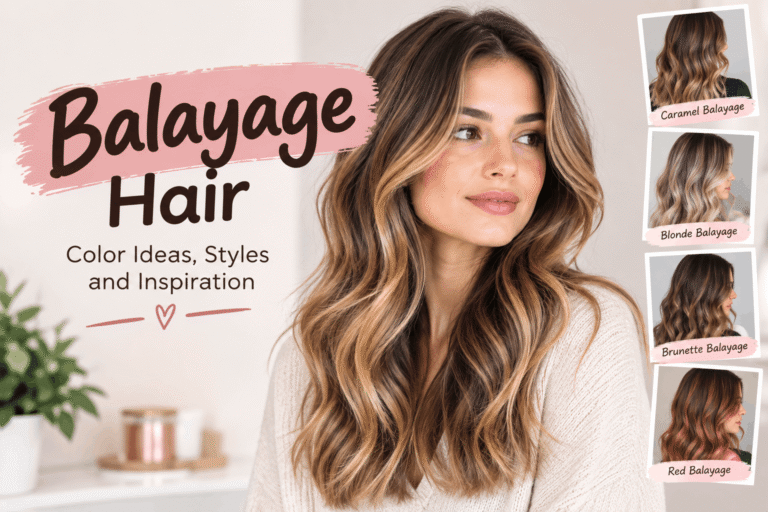
Brunette balayage blends lighter pieces into brown hair rather than creating a uniform highlight pattern.
The transition can be very subtle or highly visible.
For a natural appearance, the lighter shade can remain close to the base color. For a stronger contrast, caramel or honey tones can be incorporated through the lengths and ends.
One advantage of balayage is that the regrowth line can be softer than with some traditional all-over color techniques.
Brunette With Blonde Highlights
Brown hair paired with blonde highlights creates noticeable contrast.
The blonde can range from beige and honey to brighter golden tones. The amount of lightening determines whether the final result looks softly dimensional or dramatically highlighted.
For a more blended appearance, ask for gradual transitions rather than a sharp line between brown and blonde.
Brunette With Caramel Highlights
Caramel is one of the most popular ways to brighten brunette hair.
It adds warmth and dimension while keeping the overall look within the brown color family.
Caramel pieces can be concentrated around the face or distributed throughout the hair for a more balanced effect.
Brunette Hair With Curtain Bangs
Curtain bangs can complement brunette hair particularly well because the movement around the face creates additional dimension.
Soft chocolate or chestnut shades can make the style look classic, while darker espresso hair can create a more dramatic appearance.
Brunette Bob
A brown bob can look polished, modern, and easy to customize.
A sleek dark brunette bob creates a sophisticated effect, while a layered or textured bob can make the same color feel more relaxed.
Adding subtle highlights can also help prevent a shorter brunette style from appearing visually flat.
Long Brunette Hair
Long brunette hair provides plenty of room for color variation.
It can show off different brown tones, especially when highlights or balayage are incorporated through the lengths.
For a low-maintenance look, keeping the roots close to the natural shade and placing lighter color toward the middle and ends can create a gradual transition.
Brunette Hair for Different Skin Undertones
There is no single brunette shade that everyone must wear based solely on skin tone. However, undertones can provide a useful starting point.
Warm Undertones
Golden, honey, caramel, chestnut, and warm chocolate shades may complement naturally warm coloring.
Cool Undertones
Ash brown, cool chocolate, mushroom brown, and espresso can work well for people who prefer cooler-looking tones.
Neutral Undertones
Neutral complexions often have flexibility with both warm and cool brunette shades.
Your stylist can also assess your natural hair color and recommend a shade that works with your overall appearance.
Brunette Hair for Different Hair Textures
Straight Hair
Glossy brunette color can look particularly striking on straight hair because light reflects evenly across the surface.
Wavy Hair
Waves can make highlights appear more dimensional because the bends in the hair naturally catch the light.
Curly Hair
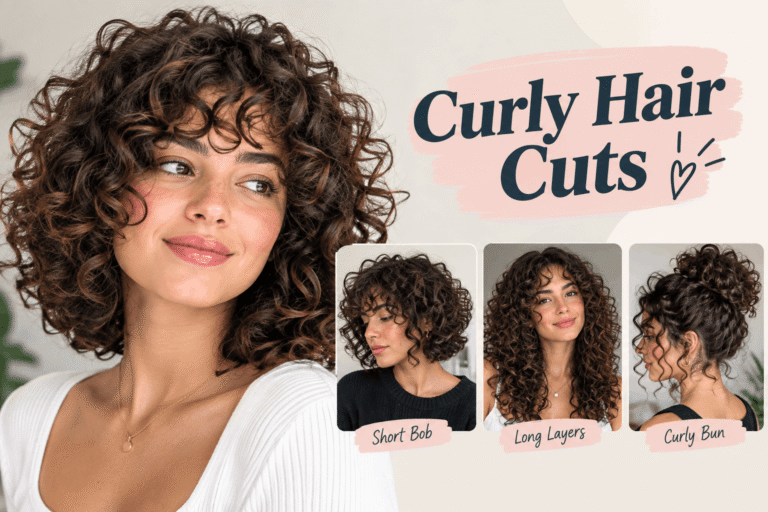
Brunette curls can benefit from carefully placed highlights that emphasize the shape and movement of individual curls.
Fine Hair
Subtle tonal variation can create visual depth, although excessive bleaching can weaken fine hair.
Thick Hair
Thick brunette hair can support dimensional techniques such as balayage, lowlights, or carefully placed highlights.
Brunette Hair and Lowlights
Lowlights involve adding darker strands to create depth.
They can be useful when brunette hair looks too uniform or when you want dimension without significantly lightening the overall color.
For example, medium brown hair can be enriched with deeper chocolate pieces for a more dimensional finish.
Brunette Hair With Red Tones
Adding red or copper undertones can create a warmer brunette.
Chestnut, mahogany, auburn-brown, and cinnamon-inspired shades can all introduce warmth without making the hair fully red.
These tones can be especially noticeable in sunlight.
How to Maintain Brunette Hair
Colored brunette hair still requires proper care.
Use Color-Friendly Products
Choose shampoos and conditioners designed for color-treated hair when appropriate.
Limit Excessive Heat
Frequent high-temperature styling can contribute to dryness and damage. Use heat protection before using hot tools.
Protect Hair From Sun Exposure
Extended UV exposure can affect colored hair and contribute to fading or dryness.
Keep Hair Hydrated
Conditioning treatments can help maintain softness, particularly after chemical coloring.
Schedule Color Refreshes
The timing depends on whether you have all-over color, highlights, balayage, or another technique.
Does Brunette Hair Fade?
Yes, colored brunette hair can gradually lose its original tone.
Fading may be influenced by washing frequency, heat styling, sun exposure, water quality, and the type of color used.
Some brown shades may become warmer as cooler pigments fade. A professional gloss or toner can sometimes refresh the appearance.
Natural Brunette Hair vs. Dyed Brunette Hair
Natural brunette hair has its own pigment pattern and may require little color maintenance.
Dyed brunette hair offers greater control over tone but requires maintenance as the color fades and natural roots appear.
If your goal is low maintenance, a color close to your natural brunette shade usually requires less frequent touch-up than a dramatically different color.
How to Choose Your Brunette Shade
Before coloring your hair, consider:
- Your natural hair color
- Your desired level of maintenance
- Whether you prefer warm or cool tones
- Your hair’s current condition
- Whether you want subtle or noticeable change
- How often you are willing to visit a salon
Bringing several reference photos to your stylist can also make communication easier.
Common Brunette Hair Mistakes
Some common mistakes include choosing a shade without considering existing color, applying too much bleach, ignoring hair condition, or using unsuitable home color over previously dyed hair.
Another mistake is expecting a reference photo to look exactly the same on different hair. Starting color, lighting, texture, and previous chemical treatments can all affect the result.
Is Brunette Hair Low Maintenance?
It can be.
A brunette shade close to your natural color usually requires less maintenance than a high-contrast blonde or fashion color.
Balayage can also offer a softer grow-out compared with some full-head coloring techniques.
However, low maintenance does not mean no maintenance. Colored hair still benefits from appropriate cleansing, conditioning, and protection.
Final Thoughts
Brunette hair offers far more variety than a simple medium-brown shade. From espresso and dark chocolate to chestnut, caramel, ash, and honey, there are countless ways to customize brown hair.
Highlights, balayage, lowlights, layers, bangs, and different hairstyles can further change the appearance of the same brunette base.
The best choice depends on your natural color, desired maintenance, hair condition, preferred undertone, and personal style. With thoughtful color selection and consistent hair care, brunette hair can remain rich, dimensional, and polished.
FAQs About Brunette Hair
1. What is brunette hair?
Brunette hair refers broadly to brown hair, ranging from lighter brown shades to very deep espresso tones.
2. What is the most popular brunette hair color?
Chocolate brown, caramel brunette, espresso, chestnut, and dimensional brown shades are all popular choices, with preferences changing by style and season.
3. Is brunette hair warm or cool?
Brunette hair can be warm, cool, or neutral. The difference depends mainly on its underlying undertones.
4. What highlights look good on brunette hair?
Caramel, honey, mocha, beige, chestnut, and carefully selected blonde tones can add dimension to brunette hair.
5. Is brunette hair easier to maintain than blonde?
A brunette shade close to your natural color can be relatively low maintenance because the contrast between new growth and colored hair may be smaller.
6. Can brunette hair have blonde highlights?
Yes. Blonde highlights can be blended into brunette hair to create anything from subtle brightness to a high-contrast dimensional look.
7. What is the difference between chocolate brown and espresso hair?
Chocolate brown is generally a rich medium-to-deep brown, while espresso is much darker and can appear nearly black under some lighting.
8. Can curly hair be brunette?
Absolutely. Brown shades can look beautiful on curly hair, and strategically placed highlights can emphasize curl definition and movement.
9. How do you keep brunette hair shiny?
Use suitable conditioning products, limit excessive heat, protect the hair from environmental stress, and maintain color with appropriate professional treatments when needed.
10. Can you go from blonde to brunette?
Yes, but the process depends on the current blonde shade, hair condition, and desired brunette color. A professional colorist can determine the appropriate transition process.