Widows Peak: Styling Tips, and Everything You Need to Know
Introduction
A widow’s peak is a distinctive hairline feature where the hair grows into a downward V-shaped point in the center of the forehead. This unique pattern creates a noticeable dip between the two sides of the hairline and can make a person’s appearance stand out. Some people consider it an attractive and defining facial feature, while others may feel concerned about how it changes the shape of their forehead or hairstyle.
The widow’s peak is mainly influenced by genetics, meaning it is often inherited from parents or family members. It can appear naturally from childhood and remain the same throughout life, or it may become more noticeable as hair density changes with age. Unlike hair loss conditions, having a widow’s peak does not automatically mean someone is losing hair.
Many celebrities, actors, and public figures have embraced their widow’s peak because it adds character and uniqueness to their appearance. However, understanding what causes a widow’s peak, how it differs from a receding hairline, and how to style it properly can help people feel more confident about this natural feature.
In this guide, we will explore everything about widows peak, including its meaning, genetics, causes, styling options, myths, and frequently asked questions.
What Is a Widows Peak?
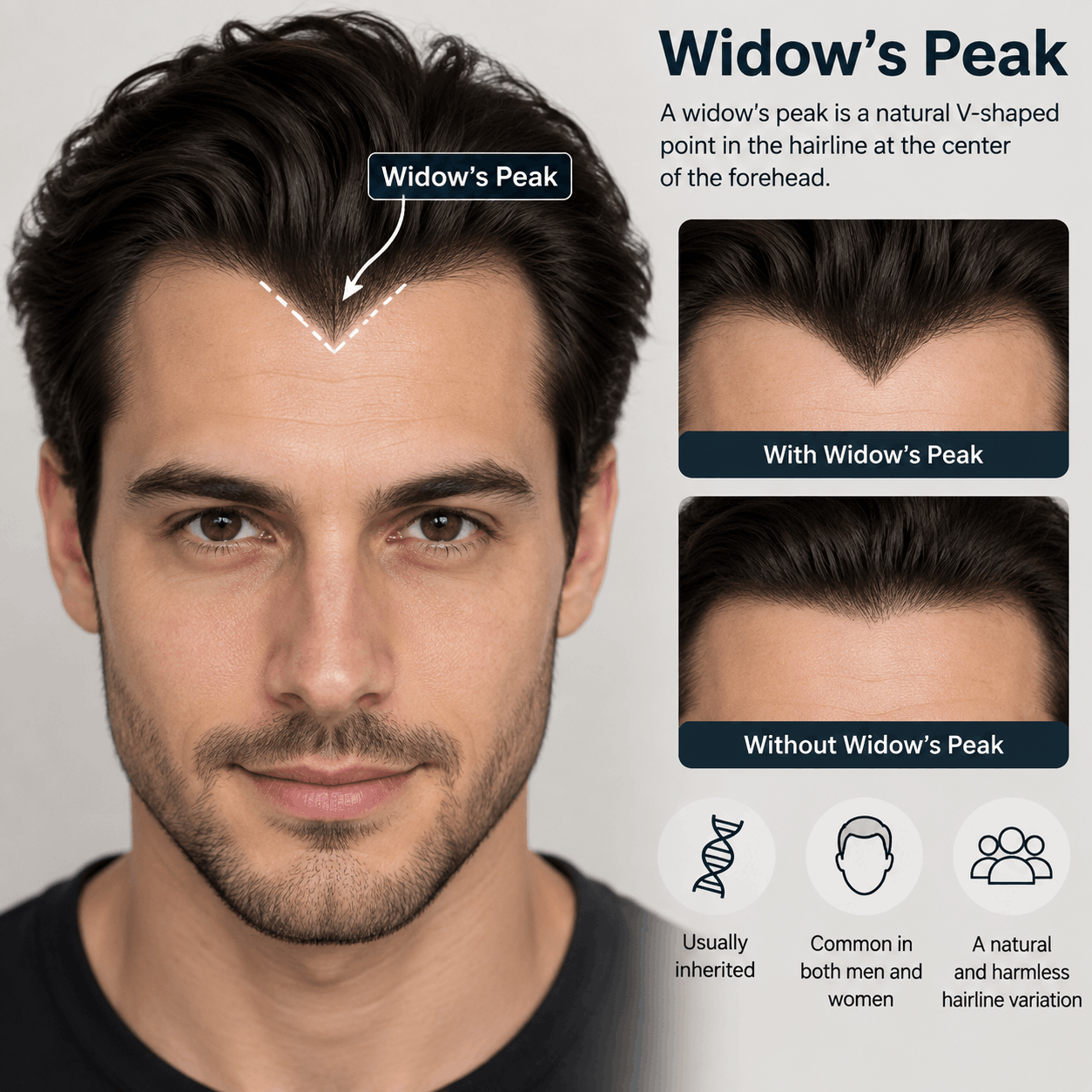
A widow’s peak is a V-shaped point of hair growth that extends slightly downward from the center of the forehead. Instead of having a straight or rounded hairline, people with this feature have a small triangular section of hair that reaches lower than the surrounding hairline.
The shape can vary from person to person. Some individuals have a very prominent widow peak that creates a sharp V shape, while others have a softer and less noticeable curve.
A widow’s peak can appear in both men and women. It does not depend on gender and is simply a natural variation in hairline patterns.
Some common characteristics include:
- A pointed section of hair in the middle of the forehead
- A V-shaped or triangular hairline pattern
- Symmetrical hair growth on both sides
- A natural hairline shape present from an early age
A widow’s peak is not considered a medical problem and usually does not require treatment.
Why Is It Called a Widows Peak?
The term widows peak has an interesting historical background. The name comes from an old belief that women with this type of hairline were more likely to become widows at a young age. This idea was based on superstition rather than science.
There is no evidence connecting a widow’s peak with marriage, relationships, lifespan, or future events. The name simply became popular over time and is now used as a common description of this hairline shape.
Today, the term is mainly used in beauty, hairstyling, and genetics discussions.
What Causes a Widows Peak?
Genetics and Inherited Traits
The main cause of a widow’s peak is genetics. Hairline patterns are influenced by genes passed from parents to children. If one or both parents have a widow’s peak, their children may also develop a similar hairline pattern.
However, inheritance is not always straightforward. A child may have a widow’s peak even if their parents do not have one, because multiple genes influence hair growth patterns.
Genetic factors determine:
- Hairline shape
- Hair follicle placement
- Growth direction
- Density around the forehead area
This makes a widow’s peak a natural physical characteristic, similar to eye color or facial structure.
Hormonal Influence
Hormones can influence changes in hair growth throughout life. During puberty, hormonal changes may make a person’s hairline pattern more noticeable.
In some cases, hormonal changes related to aging can affect hair thickness around the temples and forehead. This may make an existing widow’s peak appear stronger.
However, hormones do not usually create a widow’s peak from nothing. They mainly influence how visible the hairline becomes.
Natural Hair Growth Pattern
Every person’s scalp has a unique arrangement of hair follicles. The direction and position of these follicles determine the shape of the hairline.
A widow peak develops when the central hair follicles grow slightly lower than the surrounding areas, creating the characteristic V shape.
Widows Peak vs Receding Hairline: What Is the Difference?
Many people confuse a widow’s peak with a receding hairline, but they are different.
A widow’s peak is a natural hairline shape that remains relatively stable over time.
A receding hairline occurs when hair gradually disappears from the forehead area, usually starting around the temples.
Differences Between Widows Peak and Receding Hairline
| Widows Peak | Receding Hairline |
| Natural genetic feature | Often linked with hair loss |
| Present from a young age | Usually develops gradually |
| Hair density remains normal | Hair becomes thinner |
| V-shaped center point | Temple recession pattern |
| Usually stable | May continue progressing |
If someone has always had a V-shaped hairline, it is likely a widow’s peak. If the hairline is moving backward over time, it may indicate hair loss.
Types of Widows Peak
Not all widow peaks look the same. They can vary in shape and intensity.
Strong Widows Peak
A strong widow’s peak has a deep and noticeable V shape. The central point extends significantly lower than the sides of the hairline.
People with strong widow peaks often have a dramatic and distinctive appearance.
Soft Widows Peak
A soft widows peak has a small downward curve rather than a sharp point. It creates a subtle difference in the hairline shape.
This type is often less noticeable.
Double Widows Peak
A double widow peak occurs when the hairline has two smaller points instead of one central point.
This pattern is less common but still a normal variation.
Is a Widow’s Peak Attractive?
Beauty standards vary across cultures and personal preferences. Many people consider a widow’s peak attractive because it creates a unique facial feature.
A widows peak can:
- Add personality to a hairstyle
- Create a stronger facial profile
- Make a person’s appearance more recognizable
- Give a distinctive look
Several famous individuals have naturally prominent widow peaks, showing that this hairline pattern can be a memorable feature rather than something that needs to be hidden.
Confidence and choosing a suitable hairstyle often make the biggest difference in appearance.
Best Hairstyles for a Widows Peak
Choosing the right hairstyle can help highlight or balance a widow’s peak.
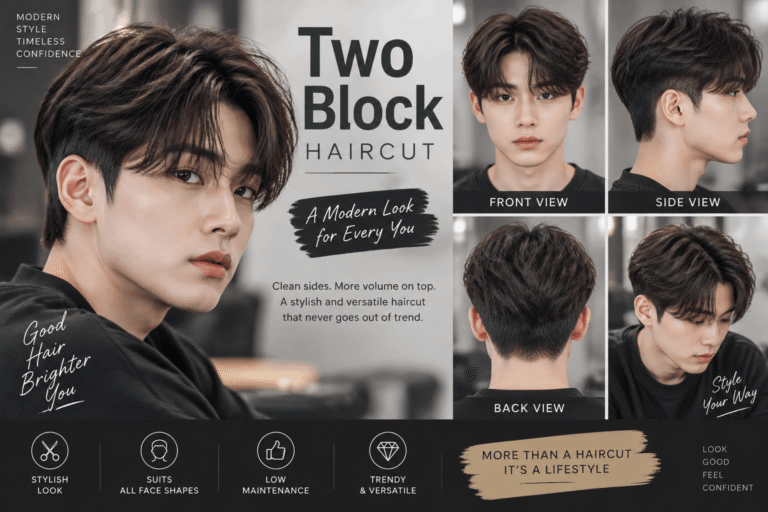
Hairstyles for Men
Textured Crop
A textured crop works well because it adds movement and reduces focus on the hairline.
Side Part
A classic side part can complement the natural shape of a widow’s peak and create a polished appearance.
Pompadour
A pompadour adds volume and directs attention upward rather than toward the hairline.
Medium-Length Styles
Longer hairstyles can help blend the pointed area with the rest of the hair.
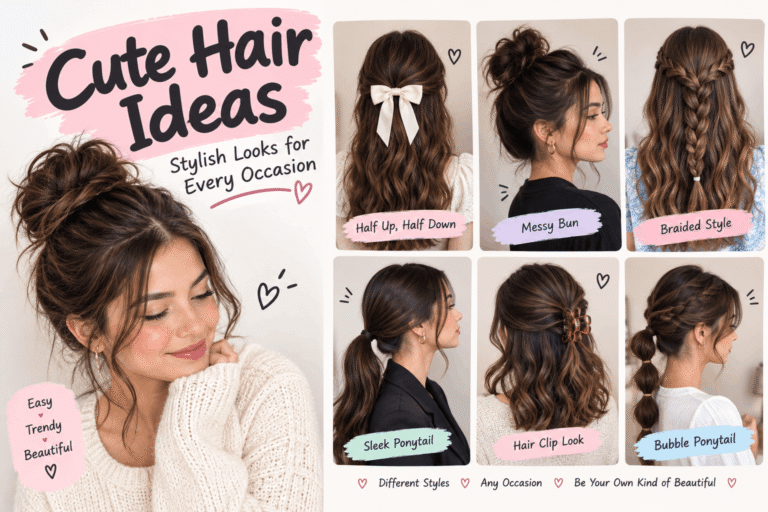
Hairstyles for Women
Long Layers
Long layered hair can balance facial features and create a softer appearance.
Side Swept Bangs
Bangs can partially cover or highlight the widow’s peak depending on personal preference.
Curtain Bangs
Curtain bangs are a popular option because they naturally frame the face.
Updos
A widow’s peak can look elegant with hairstyles that pull the hair away from the forehead.
Can You Get Rid of a Widows Peak?
Since a widow’s peak is a natural hairline pattern, it cannot be permanently removed without cosmetic procedures.
Some options people consider include:
Hair Removal
Temporary methods like waxing or shaving can change the appearance, but they require maintenance.
Laser Hair Removal
Laser treatment may reduce hair growth in the area, but results vary and professional consultation is necessary.
Hair Transplant Procedures
Some cosmetic procedures can reshape the hairline by adding or removing hair follicles. These treatments should only be considered after consulting qualified professionals.
Most people choose to style their hair instead of changing their natural hairline.
Common Myths About Widows Peak
Myth 1: Widows Peak Means Hair Loss
A widow’s peak does not mean someone is going bald. It is simply a genetic hairline pattern.
Myth 2: Everyone With a Widows Peak Will Become Bald
There is no scientific proof that having a widow’s peak guarantees future hair loss.
Myth 3: Widows Peak Is Only Found in Men
Both men and women can have a widow’s peak.
Myth 4: It Predicts Personality or Fate
Old beliefs connected widow peaks with personality traits or life events, but these ideas have no scientific foundation.
How to Take Care of Hair With a Widows Peak
A widow’s peak does not require special treatment, but maintaining healthy hair can improve overall appearance.
Helpful habits include:
- Washing hair with suitable products
- Avoiding excessive heat styling
- Eating a balanced diet
- Managing stress
- Protecting hair from damage
- Getting regular trims
Healthy hair makes any hairline look better.
Can a Widows Peak Change Over Time?
A widow’s peak usually remains consistent throughout life. However, changes in hair thickness, aging, or hair loss can make it appear different.
For example:
- Hair thinning around the temples may make the peak look stronger
- Increased hair volume may make it less noticeable
- Hairstyles can change how visible it appears
The actual genetic pattern usually stays the same.
Conclusion
A widow’s peak is a natural and unique hairline feature caused mainly by genetics. It creates a V-shaped point in the center of the forehead and can appear in both men and women. While some people may feel uncertain about this feature, many others embrace it as part of their appearance.
Understanding the difference between a widows peak and a receding hairline is important because a widows peak does not automatically indicate hair loss. With the right hairstyle and proper hair care, this distinctive feature can complement facial structure and create a memorable look.
Whether you choose to highlight your widow’s peak or style your hair to make it less noticeable, the most important factor is confidence. A natural feature can become one of the most recognizable parts of your appearance.
Frequently Asked Questions (FAQs)
1. What is a widow’s peak?
A widows peak is a V-shaped point in the center of the hairline where hair grows slightly lower than the surrounding areas.
2. Is a widow’s peak a sign of baldness?
No. A widow’s peak is a genetic hairline pattern and does not automatically mean someone will experience hair loss.
3. Are widows peaks genetic?
Yes. Widows peaks are mainly influenced by genetics and can be inherited from family members.
4. Can women have a widow’s peak?
Yes. Widows peaks occur in both men and women.
5. Can you remove a widow’s peak naturally?
No. Since it is determined by hair follicle placement and genetics, it cannot be naturally removed.
6. Does a widow’s peak look attractive?
Many people find widow peaks attractive because they create a unique and recognizable facial feature.
7. Can a widow’s peak become deeper with age?
The hairline shape itself usually stays the same, but changes in hair density can make it appear more noticeable.
8. How can I style my hair with a widow’s peak?
Hairstyles like textured cuts, side parts, layers, bangs, and medium-length styles can work well with a widow’s peak.
9. Is a widow’s peak rare?
No. It is a fairly common natural variation in hairline patterns.
10. What is the difference between a widow’s peak and a receding hairline?
A widow’s peak is a stable genetic feature, while a receding hairline involves gradual hair loss, usually around the temples and forehead.