Caesar Haircut: A Complete Guide to Modern Styles, Benefits
Introduction
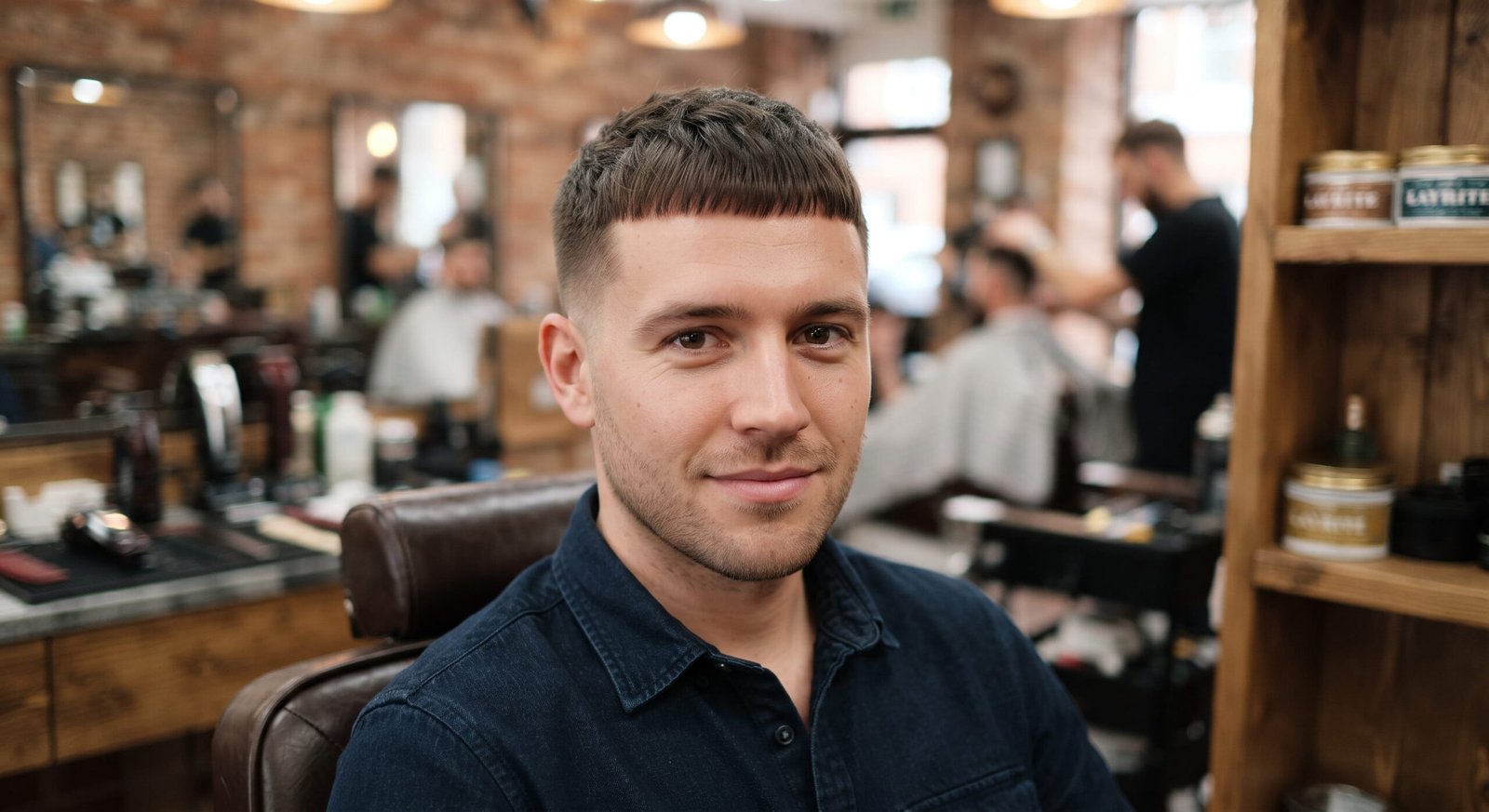
A great haircut can transform your appearance without requiring an expensive grooming routine or hours in front of a mirror. The Caesar haircut is a popular choice for men who appreciate clean lines, a neat finish, and a style that works for different ages and lifestyles. Recognized by its short length and forward-combed fringe, this classic haircut combines simplicity with a modern, masculine appearance.
Although the style has been around for decades, barbers continue to introduce fresh variations that suit contemporary fashion. From textured tops and skin fades to traditional, evenly trimmed sides, there are numerous ways to personalize this timeless look.
One of the biggest advantages of this haircut is its versatility. It can complement straight, wavy, or slightly curly hair and may also work well for men who want a manageable hairstyle with minimal daily effort. The right variation depends on your face shape, hair density, personal preferences, and the amount of maintenance you are comfortable with.
This guide explores the origins of the Caesar haircut, its most popular variations, how to choose the right version, styling techniques, maintenance requirements, and answers to common questions.
What Is a Caesar Haircut?
A Caesar haircut is a short hairstyle characterized by relatively even hair on top, closely trimmed sides, and a small fringe that is brushed forward toward the forehead. Unlike hairstyles that require hair to be swept backward or parted to one side, this look keeps the hair moving naturally toward the front.
The traditional version features a uniform length across the top, although modern interpretations often include layers, texture, fades, or tapered edges. These adjustments give the hairstyle a more personalized appearance while preserving its recognizable shape.
The fringe is one of the defining features. It may be cut straight across the forehead or left slightly uneven for a softer, more relaxed finish. The sides can range from scissors-only trims to high skin fades, depending on the desired contrast.
Another reason for its popularity is its practicality. Short hair generally takes less time to dry and style than longer hairstyles. With a suitable cut, most people can maintain the basic shape using only a small amount of styling product.
The History of the Caesar Haircut
The hairstyle takes its name from Julius Caesar, the famous Roman leader. Historical depictions of Caesar often show him with relatively short hair and a forward-facing fringe. However, the precise modern barbering style associated with this name developed through contemporary grooming trends rather than a single documented ancient haircut.
The look gained recognition as short men’s hairstyles became fashionable throughout the twentieth century. Its clean silhouette made it appealing to men who wanted a practical alternative to longer, carefully styled hair.
Over time, barbers began combining the traditional shape with modern techniques, including skin fades, tapering, razor detailing, and textured cutting. These developments helped the style appeal to younger clients as well as men who prefer classic grooming.
Today, the Caesar haircut can look conservative, sporty, edgy, or fashion-forward depending on the way it is cut. Its enduring appeal comes from the balance between a recognizable shape and the freedom to customize the details.
Popular Caesar Haircut Styles
Choosing the right variation can make a significant difference in the overall result. The following options offer different finishes, from understated and professional to bold and contemporary.
1. Classic Caesar Haircut
The classic version features short, relatively uniform hair on top and a compact fringe across the forehead. The sides are trimmed neatly without creating an extreme contrast.
This option is suitable for men who prefer traditional grooming and a hairstyle that looks appropriate in professional and casual settings. It works particularly well when the barber maintains balanced proportions between the top and sides.
A light styling cream can add definition without making the hair appear stiff or greasy.
2. Caesar Haircut With a Low Fade
A low fade gradually shortens the hair around the lower sides and neckline while keeping more coverage near the temples. When paired with a forward fringe, it creates a clean, modern appearance without looking overly dramatic.
This variation is a good choice for men who want a contemporary cut that remains relatively subtle. It can complement a range of face shapes, especially when the barber adjusts the top length and fringe to suit the individual’s proportions.
Regular barber visits help preserve the smooth transition of the fade.
3. Caesar Haircut With a Mid Fade
A mid fade begins higher on the sides than a low fade, creating a more noticeable contrast between the top and the shorter hair below.
This version gives the hairstyle a sharper, more defined appearance. It is particularly appealing to men who like modern barbering and want the top to stand out without growing their hair long.
The fringe can be straight, textured, or slightly irregular. The best choice depends on whether you prefer a polished or relaxed finish.
4. Caesar Haircut With a High Fade
The high-fade variation features very short sides that begin relatively high on the head. This creates a bold contrast with the hair on top.
It is a strong option for men who want a sharp, athletic, or contemporary look. Because the sides are short, the top and fringe become more prominent.
However, a high fade may emphasize the shape of the head more noticeably than softer alternatives. Discuss the fade height with your barber before cutting, particularly if you prefer a balanced silhouette.
5. Textured Caesar Haircut
The textured version uses layers and uneven cutting techniques to give the top more movement. Rather than appearing perfectly uniform, the hair has a natural, slightly separated finish.
This option is especially useful for men who want to avoid a flat or overly formal appearance. It can also create the impression of added fullness when the hair is fine, although the result depends on the individual’s hair density and cutting technique.
A small amount of matte paste can highlight the texture without producing excessive shine.
6. Caesar Haircut With a Skin Fade
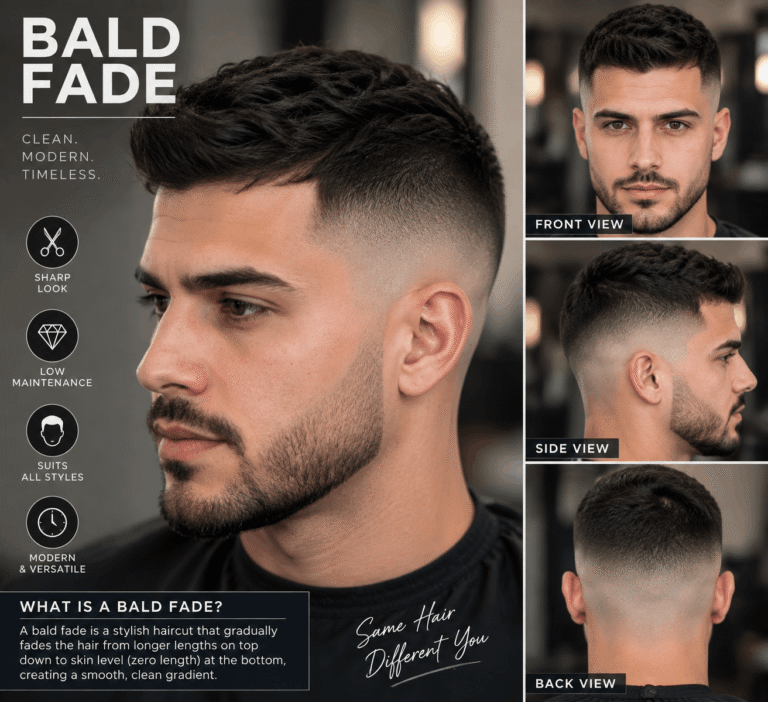
A skin fade gradually blends the sides down to bare skin near the lower portion of the head. Combined with the short top and forward fringe, it creates a crisp, high-contrast style.
This variation is ideal for men who appreciate precise barbering and a clean finish. It may require more frequent maintenance because new growth becomes noticeable quickly against the skin.
For the best result, ask your barber to keep the transition smooth and ensure that the fringe complements the overall shape.
7. Short Caesar Haircut
The short variation keeps the top and fringe particularly close to the head. It is one of the easiest versions to manage because it requires very little daily styling.
This cut can be practical for active lifestyles, warm weather, and men who prefer a straightforward grooming routine. It can also work well with a subtle taper around the ears and neckline.
Although the hairstyle is simple, careful cutting is important. Small differences in fringe length and side proportions can noticeably affect the finished look.
8. Long Caesar Haircut
A longer Caesar keeps additional length on top, allowing the barber to create more visible texture and a slightly fuller fringe.
This version is suitable for men who like the forward-combed shape but do not want an extremely short cut. It can be especially attractive when the hair has natural waves or enough density to support layered styling.
A lightweight cream or flexible styling paste can help direct the hair forward while preserving movement.
9. Curly Caesar Haircut
Natural curls can give this hairstyle a distinctive finish. The top is kept short enough to remain manageable, while the fringe follows the natural curl pattern rather than being forced into a perfectly straight line.
The sides may be tapered or faded to create contrast and keep the outline neat.
Men with curly hair should choose a barber who understands how curls shrink as they dry. Cutting the fringe too short can produce a result that sits higher on the forehead than expected.
A lightweight curl cream may help control dryness and define the natural pattern.
10. Caesar Haircut for Receding Hairlines
The forward fringe can provide some visual coverage around the front hairline, depending on the pattern of hair loss and the length of the top.
A short, textured finish may make the overall hairstyle appear more intentional and balanced. However, it cannot restore lost hair or guarantee that thinning areas will be concealed.
Men with noticeable recession may benefit from keeping the top relatively short and avoiding an overly long, separated fringe that draws attention to uneven density. A skilled barber can adjust the shape to work with the existing hairline.
Which Face Shapes Suit a Caesar Haircut?
The haircut is adaptable, but small adjustments can help it complement different facial proportions.
Oval Face
Oval faces generally work well with many short hairstyles. A classic Caesar or a faded version can maintain balanced proportions without requiring substantial changes.
Round Face
For a round face, a slightly textured top and a carefully chosen fade can add definition. Avoiding excessive width at the sides may help create a more elongated appearance.
Square Face
A square face often pairs well with the clean lines of this hairstyle. A textured fringe can soften the overall look, while a sharp fade emphasizes the jawline and facial structure.
Long Face
Men with longer faces may prefer a lower fade and a fringe that provides some horizontal balance. Keeping the top relatively close to the head can prevent the hairstyle from adding unnecessary height.
Heart-Shaped Face
A moderate top length with softly blended sides can work well for a heart-shaped face. The fringe can help balance a wider forehead with a narrower chin.
These are general styling suggestions rather than strict rules. Hair texture, head shape, beard style, and personal preference all influence the final result.
Is a Caesar Haircut Suitable for Different Hair Types?
One reason this style remains popular is that it can be adapted to different hair textures.
Straight hair: A classic or textured version can create a neat, controlled appearance. Layering may help prevent the top from looking too flat.
Wavy hair: Natural waves add movement and can make the fringe look softer. A lightweight styling cream can keep the shape controlled without removing the natural texture.
Curly hair: A slightly longer top may allow curls to form naturally. The barber should account for shrinkage and avoid cutting the fringe too short while the hair is wet.
Thick hair: Texturizing techniques can remove excess bulk and help the top sit comfortably. A fade or taper can also reduce weight around the sides.
Fine or thinning hair: A short, relatively even cut can minimize the contrast between areas of different density. Matte products may provide a fuller-looking finish without separating the hair excessively.
No haircut can change the underlying thickness of your hair, but the right proportions can make it easier to manage.
How to Ask Your Barber for a Caesar Haircut
Clear communication is essential if you want the result to match your expectations.
Start by explaining how short you want the top and fringe. If you prefer a traditional style, ask for a short, forward-combed top with a compact fringe and neatly trimmed sides.
Next, specify the side treatment. You can request scissors-only sides, a low taper, a low fade, a mid fade, or a high skin fade. These options create noticeably different silhouettes.
Explain whether you want the fringe straight and defined or textured and irregular. If you have curly or wavy hair, mention how your hair behaves after drying.
Bringing a reference photograph is often the easiest way to communicate your preferred style. Point out the details you like, such as the fade height, top length, fringe shape, and amount of texture.
Finally, ask the barber how the cut will grow out. A very tight fade may look excellent initially but require more frequent touch-ups than a softer taper.
How to Style a Caesar Haircut at Home
Daily styling is usually straightforward, especially when the haircut has been shaped correctly.
Step 1: Start With Clean Hair
Wash your hair when needed using a shampoo appropriate for your scalp and hair type. If your hair is dry, use a suitable conditioner to maintain softness.
Gently towel-dry the hair rather than rubbing it aggressively.
Step 2: Direct the Hair Forward
Use your fingers or a comb to guide the top toward the forehead. Follow the natural direction of growth instead of forcing the hair into an uncomfortable position.
For textured styles, use your fingertips to separate small sections.
Step 3: Apply a Small Amount of Product
Choose a styling product based on the finish you want.
- Matte paste: Adds texture with minimal shine.
- Light styling cream: Helps control the hair while keeping it flexible.
- Lightweight gel: Provides more hold for a defined finish.
- Curl cream: Helps define naturally curly hair and reduce frizz.
Begin with a small quantity and add more only if necessary. Excess product can make short hair appear greasy or stiff.
Step 4: Refine the Fringe
Adjust the fringe with your fingers or a comb. A straight fringe produces a more traditional appearance, while an irregular fringe gives the cut a relaxed, modern finish.
Avoid repeatedly cutting the fringe yourself, as even small mistakes can change the proportions of a short hairstyle.
Step 5: Finish Naturally
Allow the hair to settle into place. Most Caesar styles do not need elaborate blow-drying, although a low-heat dryer can help control stubborn growth patterns.
The goal is a neat, comfortable finish rather than a heavily styled appearance.
How Often Should You Maintain This Haircut?
Maintenance depends on how quickly your hair grows and how precise you want the outline to remain.
A very short style or skin fade may benefit from a barber visit every two to three weeks. A softer fade, taper, or classic version may remain presentable for approximately three to five weeks.
These are general estimates rather than fixed rules. Some people prefer frequent appointments, while others are comfortable allowing the sides to grow out longer.
Between visits, wash your hair as needed, maintain a healthy scalp-care routine, and avoid applying excessive styling products. If you trim the neckline at home, use caution because uneven edges can be difficult to correct.
Benefits of Choosing a Caesar Haircut
There are several reasons to consider this hairstyle.
Easy daily styling: The short length reduces the time required for brushing and shaping.
Versatile appearance: It can look traditional, sporty, casual, or contemporary depending on the chosen variation.
Adaptable to different textures: Straight, wavy, curly, thick, and fine hair can often be accommodated with appropriate adjustments.
Suitable for many settings: A conservative version can work in professional environments, while fades and textured tops create a more fashion-focused result.
Works with facial hair: The style can be paired with a clean shave, light stubble, or a well-groomed beard.
Manageable length: Men who dislike maintaining long hair may appreciate the simple grooming routine.
However, the haircut is not completely maintenance-free. Short styles can reveal uneven growth patterns, and sharp fades usually need regular touch-ups.
Potential Drawbacks to Consider
Before choosing this haircut, consider whether its defining features suit your preferences.
The forward fringe may not appeal to men who prefer their forehead fully visible. Very short versions can also emphasize the natural shape of the head, so discussing proportions with a barber is worthwhile.
A straight, blunt fringe can look severe on some people, while an overly short fringe may expose more of the hairline than intended. Textured or slightly irregular edges can create a softer alternative.
Men with strong cowlicks at the front may need a customized fringe to prevent the hair from sticking up. Similarly, curly hair may require a different cutting approach from straight hair.
Finally, fades and precise outlines require maintenance if you want them to remain crisp. Choosing a softer taper can be a practical alternative if you do not want frequent barber appointments.
Caesar Haircut vs. Crew Cut
The Caesar haircut and crew cut are both short men’s hairstyles, but their shapes are different.
A Caesar usually directs the top forward and includes a short fringe over the forehead. A crew cut generally has a more traditional short top that may be styled upward or left natural, often with gradually shorter sides.
Choose a Caesar if you prefer a forward-facing fringe and a compact silhouette. Consider a crew cut if you want the forehead more exposed or prefer a style without a defined fringe.
Both can be low-maintenance, and either can be combined with modern fades or tapered sides.
Caesar Haircut vs. French Crop
The French crop is closely related to the Caesar because both often feature short sides and a fringe that falls forward. However, the French crop frequently uses more noticeable texture or contrast between the top and sides.
A Caesar traditionally emphasizes a compact, relatively even top, although modern textured versions can overlap considerably with the French crop.
If you want a simple, uniform finish, a classic Caesar may be the better choice. If you prefer a more layered top and a pronounced textured fringe, ask your barber about a French crop.
The terminology varies between barbershops, so reference photographs are particularly useful when choosing between the two.
Tips for Choosing the Best Variation
Consider your everyday routine before selecting a particular version. If you want the lowest-effort option, a short classic cut or subtle taper may be appropriate. If you enjoy modern styling, a textured top with a mid fade can provide more contrast.
Think about your natural hairline and growth pattern rather than choosing a cut solely because it looks good in a photograph. A skilled barber can adapt the fringe and top length to work with your features.
Your workplace and personal style may also influence your decision. A softer fade can look understated, while a high skin fade creates a stronger visual statement.
Most importantly, choose a length that feels comfortable to maintain. The best hairstyle is not simply the one that looks attractive immediately after a haircut; it is one that continues to suit you as it grows.
Conclusion
The Caesar haircut remains a practical and stylish option for men who want a clean appearance without the demands of long hair. Its defining forward fringe, short top, and adaptable sides make it suitable for a wide range of personal styles.
Whether you choose a traditional version, a textured top, a low fade, a skin fade, or a variation designed around natural curls, the key is finding proportions that complement your hair type and facial features.
Good communication with your barber, realistic maintenance expectations, and a small amount of suitable styling product can help you get the best results. Before your next appointment, consider your preferred fringe length, fade height, and daily grooming routine. These details will help you choose a version that looks good and feels easy to manage.
Frequently Asked Questions (FAQs)
1. What is a Caesar haircut?
A Caesar haircut is a short hairstyle featuring a compact top, closely trimmed sides, and a fringe directed forward toward the forehead. It can be customized with fades, tapers, and textured layers.
2. Is a Caesar haircut still in style?
Yes, it remains a popular option because it combines a classic shape with modern variations. Textured tops, low fades, and skin fades give the traditional style a contemporary appearance.
3. Does a Caesar haircut suit every face shape?
It can be adapted to many face shapes, including oval, round, square, and long faces. The best result depends on the fringe length, top proportions, and side treatment.
4. Is this haircut suitable for thinning hair?
It may help create a neat, consistent appearance for some men with thinning hair. However, results depend on the location and extent of hair loss, and the haircut does not treat or reverse hair loss.
5. How often should I get a Caesar haircut?
Very short cuts and skin fades may need refreshing every two to three weeks. Softer tapers and classic versions may last approximately three to five weeks, depending on hair growth and personal preference.
6. Can I get this haircut with curly hair?
Yes. A barber can keep the curls short and manageable while shaping the fringe around their natural pattern. The cutting technique should account for curl shrinkage after drying.
7. What products work best for a Caesar haircut?
Matte paste is useful for textured styles, while light styling cream works well for a natural finish. Curl cream may be suitable for curly hair, and lightweight gel can provide stronger hold.
8. What is the difference between a Caesar haircut and a French crop?
Both feature forward-facing fringe and short sides. A Caesar traditionally has a more uniform top, while a French crop often emphasizes a more textured or layered finish.
9. Is a Caesar haircut easy to maintain?
Yes, most versions are easy to style at home and require little product. However, precise fades and sharp outlines need regular barber visits to maintain their shape.
10. Can a Caesar haircut hide a receding hairline?
A forward fringe may provide some visual coverage, depending on the hairline and remaining hair density. A barber can customize the cut, but it cannot restore lost hair or guarantee complete coverage.