Builder Gel: Benefits, Types, Application, Care, and Removal
Introduction
It has become a popular choice for people who want stronger, longer, and beautifully shaped nails without relying entirely on traditional acrylic enhancements.
In this guide, we will explore what builder gel is, its different types, benefits, application process, maintenance, removal, possible drawbacks, and tips for getting attractive and long-lasting results.
What Is Builder Gel?
Builder gel is a thicker type of nail gel formulated to add structure and strength to the natural nail.
- Strengthening natural nails
- Creating nail extensions
- Repairing minor cracks
- Adding structure to thin nails
- Building different nail shapes
- Creating a smooth foundation for nail art
- Improving the durability of manicures
How Does Builder Gel Work?
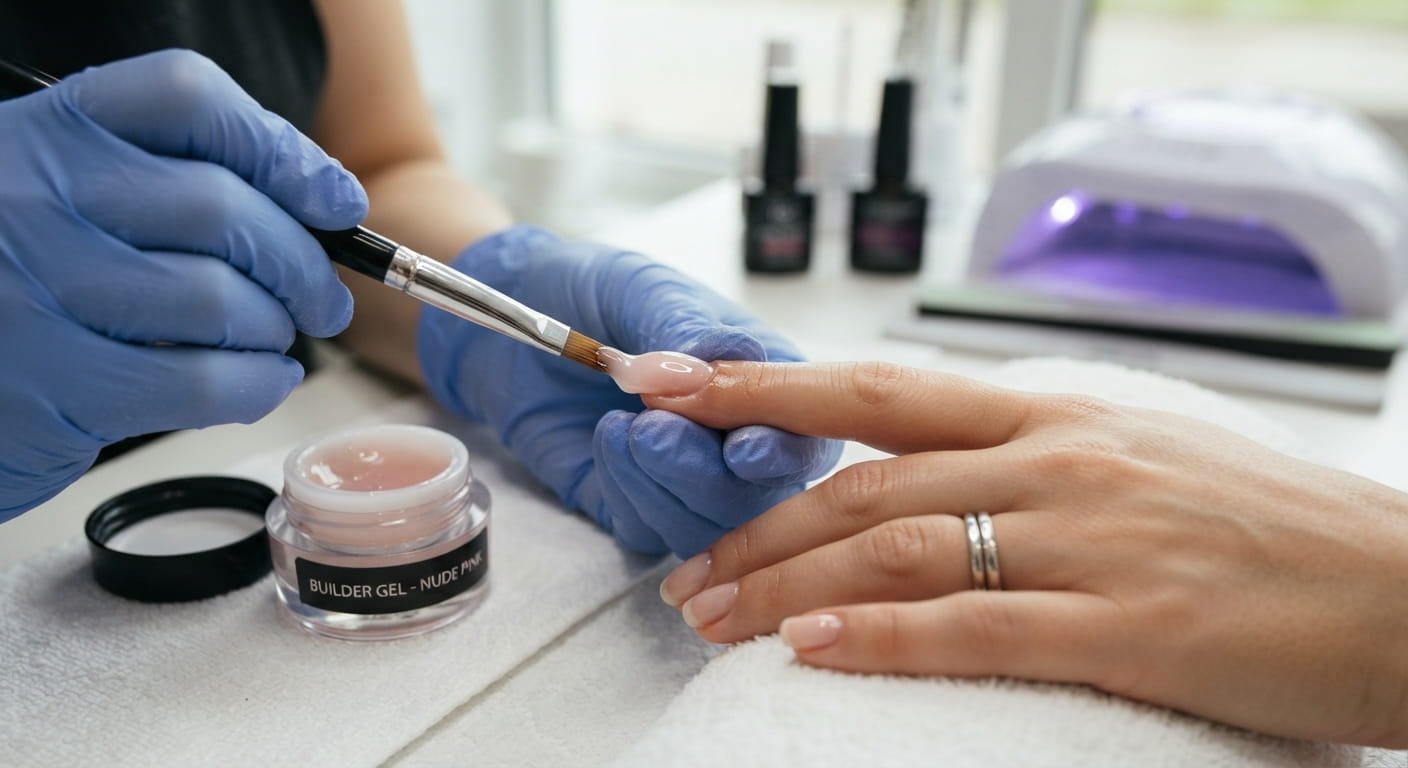
Builder gel starts as a thick gel that can be shaped before curing. A nail technician applies it to the nail and carefully distributes the product across the surface.
Types of Builder Gel
Builder gels are available in different formulations and textures. The right option depends on the person’s nails and the desired result.
1. Traditional Builder Gel
Traditional builder gel is often thicker and may require a brush for controlled application.
2. Builder in a Bottle
BIAB is popular for natural nail overlays and minimalist manicures because it can provide strength while maintaining a relatively natural appearance.
3. Hard Builder Gel
Hard builder gel forms a strong enhancement once cured.
Depending on the specific formulation, hard gel may not soak off easily and can require careful filing for removal.
4. Soft Builder Gel
These products may be suitable for people who want additional strength without an extremely rigid enhancement.
The exact removal method always depends on the manufacturer’s instructions.
Benefits of Builder Gel
It offers several advantages compared with ordinary gel polish.
Provides Additional Strength
One of the main reasons people choose builder gel is to add structure to natural nails. A properly applied overlay can make nails feel stronger and less prone to bending.
Helps Create Nail Length
This makes it useful for people who struggle to grow their natural nails.
Natural Appearance
When applied correctly, it can produce a smooth and relatively natural-looking finish. The nail technician can build the product according to the natural nail’s shape.
Supports Nail Shape
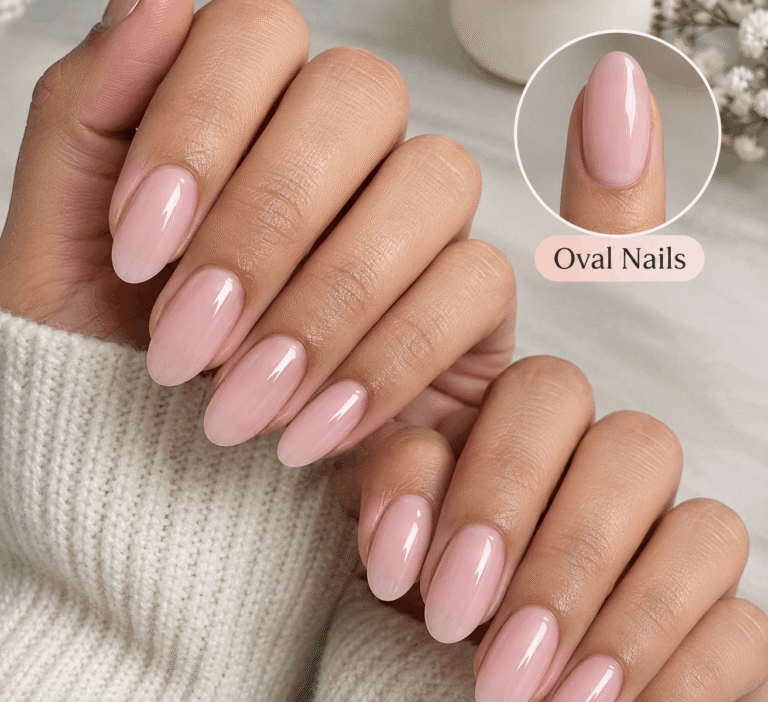
It allows technicians to create and maintain different nail shapes, including:
- Almond
- Oval
- Square
- Squoval
- Coffin
- Stiletto
Works Well With Nail Art
Once the gel has been properly shaped and cured, it can provide a smooth foundation for polish, French tips, chrome effects, and other nail-art techniques.
Long-Lasting Results
However, longevity varies according to nail growth, lifestyle, product quality, and application technique.
Builder Gel vs. Gel Polish
Builder gel and polish are not the same thing.
It is relatively thin and does not provide the same structural support as builder gel.
A manicure may use both products.
Builder Gel vs. Acrylic Nails
The mixture forms a workable substance that hardens as it sets.
It comes in a formulation and requires curing under a suitable UV or LED lamp.
Neither option is automatically suitable for everyone
How Builder Gel Is Applied
Professional application generally involves several steps.
Step 1: Nail Preparation
Existing polish or product is removed, and the natural nails are shaped.
Step 2: Cuticle Preparation
It cuticle area is carefully prepared so that the product can be applied cleanly without flooding the surrounding skin.
Step 3: Nail Surface Preparation
It technician may gently remove surface shine according to the product system being used.
Step 4: Base Product
Depending on the manufacturer’s system, a primer, dehydrator, base gel, or other preparation product may be used.
Step 5: Builder Gel Application
The technician distributes the product to create the appropriate structure while avoiding contact with the skin.
Step 6: Building the Shape
It gel is shaped to create a balanced nail.
Step 7: Curing
It nail is placed under the recommended UV or LED lamp for the specified curing time.
Step 8: Refining
After curing, the surface may be filed and shaped to create a smooth, even appearance.
Step 9: Color and Nail Art
Gel polish, French designs, chrome, glitter, or other decorative elements can be added.
Step 10: Top Coat
A suitable top coat is applied and cured to provide shine and additional protection.
How Long Does Builder Gel Last?
The lifespan of varies from person to person. Many people schedule maintenance around every two to four weeks because natural nails continue to grow.
Factors affecting longevity include:
- Nail growth rate
- Product quality
- Application technique
- Nail length
- Daily activities
- Exposure to water and chemicals
- Proper aftercare
Instead of waiting until an enhancement becomes significantly grown out or damaged, regular professional maintenance is generally a better approach.
Builder Gel Nail Care Tips
Proper aftercare can help maintain the appearance and integrity of nails.
Keep Nails Clean
Clean nails regularly and pay attention to the area underneath longer enhancements.
Moisturize Cuticles
Cuticle oil can help keep the surrounding skin comfortable and moisturized.
Avoid Using Nails as Tools
Do not use your nails to open cans, scrape surfaces, or pry objects. These activities can put excessive pressure on the enhancement.
Wear Gloves
Protective gloves can be helpful when washing dishes, cleaning, or handling household chemicals.
Do Not Pick or Peel the Gel
Peeling product from the nail can remove layers of the natural nail and may lead to weakness or damage.
Schedule Regular Maintenance
As the natural nail grows, the balance of the enhancement changes. Professional maintenance can help keep the structure balanced.
How Is Builder Gel Removed?
Removal depends on the specific type of nail.
A professional may carefully file down the enhancement while preserving as much of the natural nail as possible.
Common Mistakes to Avoid
Several mistakes can affect the appearance and durability of nails.
Applying Product to the Skin
Skin contact can increase the risk of irritation and may contribute to sensitization to nail-product ingredients.
Incorrect Curing
Using the wrong lamp or incorrect curing time can result in improperly cured product. Always follow the manufacturer’s instructions.
Over-Filing
Excessive filing can weaken the natural nail.
Making the Nail Too Thick
Adding too much product can make the nail look bulky and may affect its balance. Proper structure is more important than simply adding thickness.
Picking at Lifting Product
If the product starts lifting, do not pull it off. It is safer to have the enhancement properly repaired or removed.
Is Builder Gel Good for Natural Nails?
- Strengthening natural nails
- Creating nail extensions
- Repairing minor cracks
- Adding structure to thin nails
- Building different nail shapes
- Creating a smooth foundation for nail art
- Improving the durability of manicures
Repeated trauma can weaken the natural nail.
If the natural nails become painful, severely thin, discolored, or damaged, it is sensible to remove enhancements and seek professional advice.
Who Can Consider Builder Gel?
It may be suitable for people who:
- Want additional nail strength
- Prefer structured manicures
- Want to grow their nails
- Like longer nail shapes
- Enjoy nail art
- Want a durable base for gel polish
- Prefer a gel-based enhancement system
However, people with active nail infections, unexplained nail changes, significant nail damage, or skin reactions around the nails should address those issues before applying enhancements.
How to Choose a Builder Gel
When selecting a builder gel, consider its consistency, flexibility, removal method, curing requirements, and intended use.
A professional nail technician can help determine whether a particular formulation is appropriate for natural overlays, extensions, or repairs.
It is also important to follow the manufacturer’s instructions regarding lamp compatibility, application thickness, curing time, and removal.
Conclusion
It is a versatile nail-enhancement product that can add structure, strength, and length while providing a smooth foundation for polished manicures and creative nail art.
The quality of the final manicure depends heavily on proper nail preparation, controlled application, correct curing, regular maintenance, and careful removal.
Frequently Asked Questions
1. What is builder gel used for?
It is used to add structure and strength to natural nails and can also be used to create extensions, repairs, and a foundation for nail art.
2. Is builder gel stronger than gel polish?
Yes
3. How long does builder gel last?
It commonly requires maintenance after about two to four weeks, although the exact timeframe depends on nail growth, lifestyle, application quality, and product type.
4. Can builder gel make nails longer?
It can be used with forms or suitable tips to create additional length.
5. Can builder gel be applied to natural nails?
It is commonly used as an overlay on natural nails to provide additional structure and strength.
6. Is BIAB the same as builder gel?
. Formulations and application methods vary between brands.
7. Can builder gel damage natural nails?
Improper preparation, over-filing, incorrect curing, picking, or forceful removal can damage natural nails. Correct application and removal are important.
8. Can I remove builder gel at home?
Removal depends on the specific formulation.
9. Can I put gel polish over builder gel?
Yes.
10. How can I make builder gel nails last longer?
Avoid using your nails as tools, protect them from harsh chemicals, moisturize the cuticles, avoid picking or peeling the product, and schedule regular maintenance.