Lipstick Shades: Beautiful Colors and How to Choose Right One
Introduction
Lipstick is one of the easiest ways to transform your makeup look. A carefully chosen shade can brighten your face, complement your skin tone, and add personality to your overall appearance. From soft nude and romantic pink to bold red, deep plum, and rich brown, there are countless lipstick shades to explore.
However, choosing the right color is not always easy. A shade that looks beautiful on one person may appear completely different on someone else. Skin tone, undertone, natural lip color, makeup style, and personal preference all influence how lipstick looks when applied.
Whether you enjoy subtle everyday makeup or dramatic evening looks, understanding different lipstick colors can help you find shades that make you feel confident and comfortable.
Why Choosing the Right Lipstick Shade Matters
The right lipstick shade can bring balance to your makeup and highlight your natural features. It can make a simple look appear polished or add a statement to an otherwise minimal outfit.
Here are some reasons to explore different colors:
- Enhances your appearance: The right color can complement your complexion.
- Completes your makeup: Lipstick adds the finishing touch to many makeup styles.
- Expresses personality: Soft shades can feel understated, while bold colors create a dramatic impression.
- Works for different occasions: Some colors are ideal for daily wear, while others suit parties and formal events.
- Offers styling flexibility: Different finishes and textures create different effects.
Popular Lipstick Shades
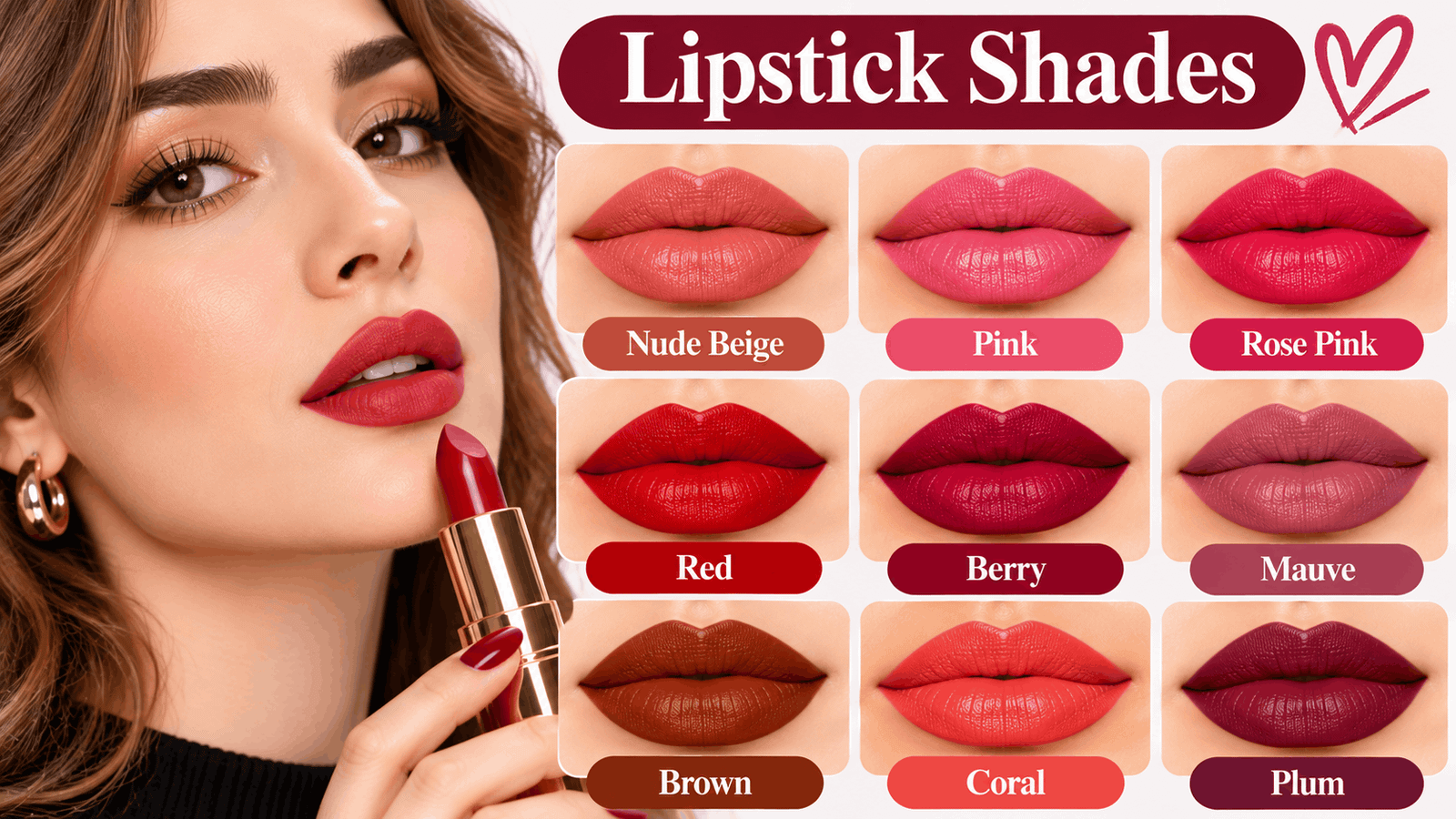
Lipstick colors range from natural-looking neutrals to rich, attention-grabbing tones. Each family offers a different style.
1. Nude Lipstick
Nude lipstick is a popular choice for natural and minimalist makeup. These shades include beige, caramel, peachy nude, and pinkish brown.
The most flattering nude usually complements your natural lip color rather than making your lips look completely washed out. You can wear it with everyday makeup, office outfits, or dramatic eye makeup.
2. Pink Lipstick
Pink lipstick comes in many variations, including baby pink, dusty rose, mauve pink, and bright fuchsia.
Soft pink creates a fresh and delicate appearance, while deeper pink shades offer more color. Rose and mauve are especially versatile because they can work with both casual and formal makeup.
3. Red Lipstick
Red lipstick is a timeless makeup classic. It can create an elegant, confident, and glamorous look without requiring complicated eye makeup.
Popular variations include cherry red, classic blue-red, brick red, orange-red, and deep crimson. Cooler reds often have a blue or berry undertone, while warmer reds lean toward orange or coral.
4. Brown Lipstick
Brown lipstick has become a favorite for people who enjoy warm, sophisticated makeup. Options include chocolate brown, caramel, cinnamon, mocha, and reddish brown.
Light brown shades can create a soft everyday look, while deep chocolate colors offer a bold appearance. Brown lipstick also pairs beautifully with warm-toned eye makeup.
5. Mauve Lipstick
Mauve combines pink, purple, and sometimes brown undertones. It is an excellent option when you want something more interesting than nude but less dramatic than a deep berry color.
Mauve shades work well for everyday makeup, professional settings, and evening occasions.
6. Coral Lipstick
Coral lipstick combines pink and orange tones to create a bright, lively appearance. It is particularly popular during spring and summer.
Soft coral offers a subtle touch of color, while vibrant coral creates a more noticeable statement. Peach-coral shades can also complement warm makeup looks.
7. Berry Lipstick
Berry lipstick shades inspired by raspberries, blackberries, and deep red fruits. These colors range from soft berry pink to rich wine and burgundy.
Berry shades are beautiful for autumn, winter, parties, and evening makeup. A sheer berry formula can also provide a softer daytime finish.
8. Plum Lipstick
Plum lipstick features purple undertones and can range from light lavender-plum to deep purple. It creates a distinctive look and works especially well for people who enjoy deeper colors.
A soft plum shade can look elegant during the day, while a dark plum creates a dramatic evening appearance.
9. Peach Lipstick
Peach lipstick offers a warm combination of orange, pink, and soft coral tones. It can make makeup look fresh and natural.
Light peach shades are suitable for subtle makeup, while richer peach colors can add warmth to a complete makeup look.
10. Burgundy Lipstick
Burgundy is a deep reddish-purple color that creates a luxurious and dramatic appearance. It is often chosen for formal occasions, evening events, and cooler seasons.
You can wear it with simple eye makeup to let the lips become the main feature of your look.
11. Wine Lipstick
Wine shades are deeper than many traditional reds and often include purple or brown undertones. They are a beautiful choice for anyone who enjoys rich, bold lip colors.
Wine lipstick looks particularly striking with neutral clothing and understated eye makeup.
12. Rose Brown Lipstick
Rose brown combines muted pink with warm brown tones. It creates a balanced color that looks more defined than a traditional nude.
This shade is useful for everyday makeup because it can add color without appearing overly bright.
How to Choose Lipstick Shades for Your Skin Tone
Your skin tone can help narrow down your choices, but it should not limit the colors you wear. Personal preference and the final appearance of a shade matter just as much.
Fair Skin
People with fair skin may enjoy:
- Soft pink
- Peach
- Rose
- Light mauve
- Classic red
- Pink nude
These shades can add color while maintaining a balanced appearance. Very pale beige colors may sometimes make the lips look less defined.
Medium Skin
Medium skin tones can complement a wide range of colors, including:
- Rose brown
- Warm nude
- Coral
- Berry pink
- Brick red
- Mauve
Caramel and cinnamon tones can also create a beautiful warm makeup look.
Olive Skin
Olive complexions often look attractive with shades such as:
- Terracotta
- Peachy brown
- Warm rose
- Brick red
- Deep coral
- Chocolate nude
Colors with warm or neutral undertones can create a harmonious appearance.
Deep Skin
Deep skin tones can look stunning with rich and vibrant lipstick colors, including:
- Deep berry
- Wine
- Burgundy
- Chocolate brown
- Plum
- Rich red
- Caramel nude
Bright pink and orange shades can also create beautiful contrast.
Understanding Lipstick Undertones
Undertones are subtle colors beneath the surface of your skin. They are commonly described as warm, cool, or neutral.
Warm Undertones
Warm undertones often have golden, yellow, or peachy qualities. Lipstick shades that may complement them include coral, brick red, peach, caramel, and warm brown.
Cool Undertones
Cool undertones often have pink, red, or bluish qualities. Berry, mauve, blue-based red, and cool pink shades may work particularly well.
Neutral Undertones
Neutral undertones combine warm and cool characteristics. This often makes it easier to experiment with different lipstick families, from nude and rose to red and berry.
A simple way to explore your undertone is to compare how different jewelry colors look against your skin or try several lipstick shades in natural lighting. These methods are only general guides, not strict rules.
Different Lipstick Finishes
Color is only one part of choosing lipstick. The finish also changes how a shade looks and feels.
Matte Lipstick
Matte lipstick has little to no shine and creates a smooth, defined appearance. It is popular for bold reds, deep browns, and everyday nude colors.
Some matte formulas can emphasize dry patches, so comfortable preparation and moisturizing can help.
Glossy Lipstick
Glossy lipstick creates a shiny finish that makes lips look smooth and luminous. It is available in sheer and highly pigmented formulas.
This finish is ideal for fresh makeup looks and can be worn alone or layered over another lipstick.
Satin Lipstick
Satin lipstick offers a balance between matte and glossy finishes. It usually has a soft sheen and a comfortable texture.
It is a versatile option for people who want noticeable color without an extremely dry or shiny appearance.
Cream Lipstick
Cream lipstick has a smooth texture and provides comfortable color. It is often easier to apply and blend than some long-wear matte formulas.
Sheer Lipstick
Sheer lipstick provides a lighter wash of color that allows some of your natural lip tone to show through. It is useful for casual makeup and people who prefer a subtle result.
Metallic Lipstick
Metallic lipstick contains reflective pigments that create a shimmering appearance. Gold, bronze, rose gold, and metallic berry are popular variations.
It can be used for creative makeup and special occasions.
Best Lipstick Shades for Everyday Wear
Everyday lipstick should be comfortable, easy to apply, and suitable for your usual makeup style.
Some popular choices include:
- Pink nude for a soft natural appearance.
- Rose brown for a polished everyday look.
- Dusty rose for subtle color.
- Peach nude for warm makeup.
- Soft mauve for a balanced finish.
- Light caramel for a warm neutral look.
A comfortable satin, cream, or tinted formula can be particularly useful for daily wear.
Best Lipstick Shades for Parties and Special Occasions
Special occasions provide an opportunity to experiment with stronger colors and different finishes.
For weddings: Rose, mauve, classic red, and berry shades can complement formal makeup.
evening parties: Burgundy, wine, plum, and deep red create a dramatic appearance.
For festive celebrations: Coral, bright pink, warm red, and metallic finishes can add a lively touch.
For formal events: Classic red, rose brown, and elegant nude shades are timeless choices.
How to Apply Lipstick for a Smooth Finish
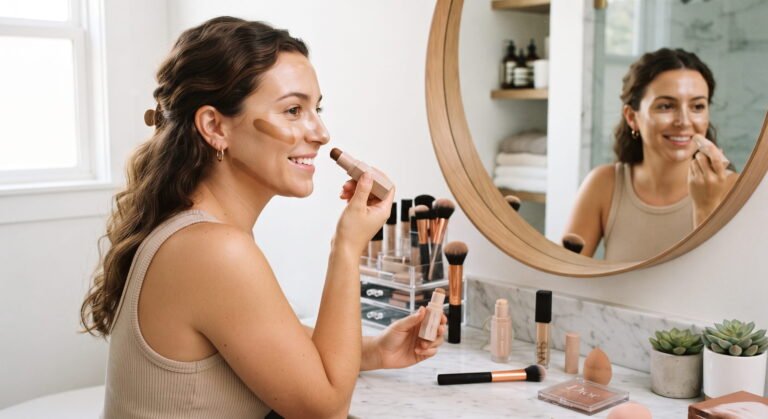
Even a beautiful shade may not look its best if the application is uneven. Follow these steps for a neat result:
- Prepare your lips: Gently remove loose dry skin without scrubbing aggressively.
- Apply lip balm: Allow it to absorb before applying color.
- Use lip liner: Choose a matching shade or one close to your natural lip color.
- Define the edges: Outline your lips carefully for a balanced shape.
- Apply lipstick: Start from the center and move toward the corners.
- Blend the color: Use a lip brush or gently press your lips together.
- Remove excess product: Blot lightly with a tissue if necessary.
- Add a second layer: Apply another thin coat if you want stronger coverage.
For long-lasting color, follow the product instructions and avoid excessive layering.
Tips for Making Lipstick Last Longer
Lipstick longevity depends on its formula, application, eating habits, and daily activities. These simple tips may help:
- Start with clean, moisturized lips.
- Use a compatible lip liner.
- Apply thin, even layers.
- Blot gently between layers when suitable.
- Avoid applying excessive lip balm immediately before matte lipstick.
- Carry your lipstick for touch-ups.
- Remove makeup gently at the end of the day.
Remember that transfer-resistant and long-wear formulas may feel different from traditional creamy lipsticks.
Common Lipstick Mistakes to Avoid
A few small mistakes can affect the final appearance of your makeup.
- Choosing a nude shade that is too close to your skin color without adding definition.
- Applying lipstick over dry or flaky lips.
- Using an overly dark liner that does not blend with the lipstick.
- Applying too much product in thick layers.
- Ignoring how lipstick looks under natural lighting.
- Selecting a finish that feels uncomfortable for your lips.
- Sharing lipstick products without proper hygiene.
Always use products that suit your skin and discontinue a product if it causes irritation or an allergic reaction.
Conclusion
Lipstick shades offer endless opportunities to express your personal style. From natural nude and soft pink to classic red, warm brown, berry, and deep plum, every color can create a different makeup effect.
The best choice depends on your complexion, undertone, natural lip color, preferred finish, and the occasion. Instead of following every trend, experiment with different colors to discover the shades you genuinely enjoy wearing.
With the right formula and proper application, lipstick can become a simple but powerful part of your everyday beauty routine.
Frequently Asked Questions
1. Which lipstick shade is best for everyday use?
Nude, rose brown, dusty rose, soft mauve, and peach are popular everyday choices. The best option depends on your natural lip color and personal preference.
2. Which lipstick colors look good on every skin tone?
Classic red, berry, rose, and certain neutral shades can be adapted to different complexions. Choosing the right undertone and depth makes a difference.
3. How do I find my perfect nude lipstick?
Choose a nude color that complements your natural lip tone. Test pinkish, peachy, caramel, and brown-based options to see which looks most balanced.
4. What lipstick shades make lips look fuller?
Glossy, satin, and lighter reflective shades can create the appearance of fuller lips. Applying a small amount of gloss to the center can also add dimension.
5. Which lipstick shade is best for a formal event?
Classic red, rose brown, burgundy, wine, and mauve are elegant options for formal occasions.
6. Are matte lipsticks better than glossy lipsticks?
Neither is universally better. Matte lipstick offers a non-shiny finish, while glossy lipstick provides shine and a luminous appearance. Choose according to your comfort and preferred style.
7. What lipstick shades suit warm undertones?
Coral, peach, brick red, caramel, cinnamon, and warm brown are popular options for warm undertones.
8. What lipstick shades suit cool undertones?
Cool pink, mauve, berry, plum, and blue-based red are common choices for cool undertones.
9. How can I stop lipstick from looking patchy?
Prepare your lips, apply a comfortable base when needed, use thin layers, and avoid applying color over dry or flaky skin.
10. How often should I replace lipstick?
Follow the product’s expiry date and the period-after-opening symbol on its packaging. Discard lipstick if its smell, texture, or appearance changes unexpectedly.