Concealer Brush: The Essential Tool for a Smooth, Airbrushed Finish
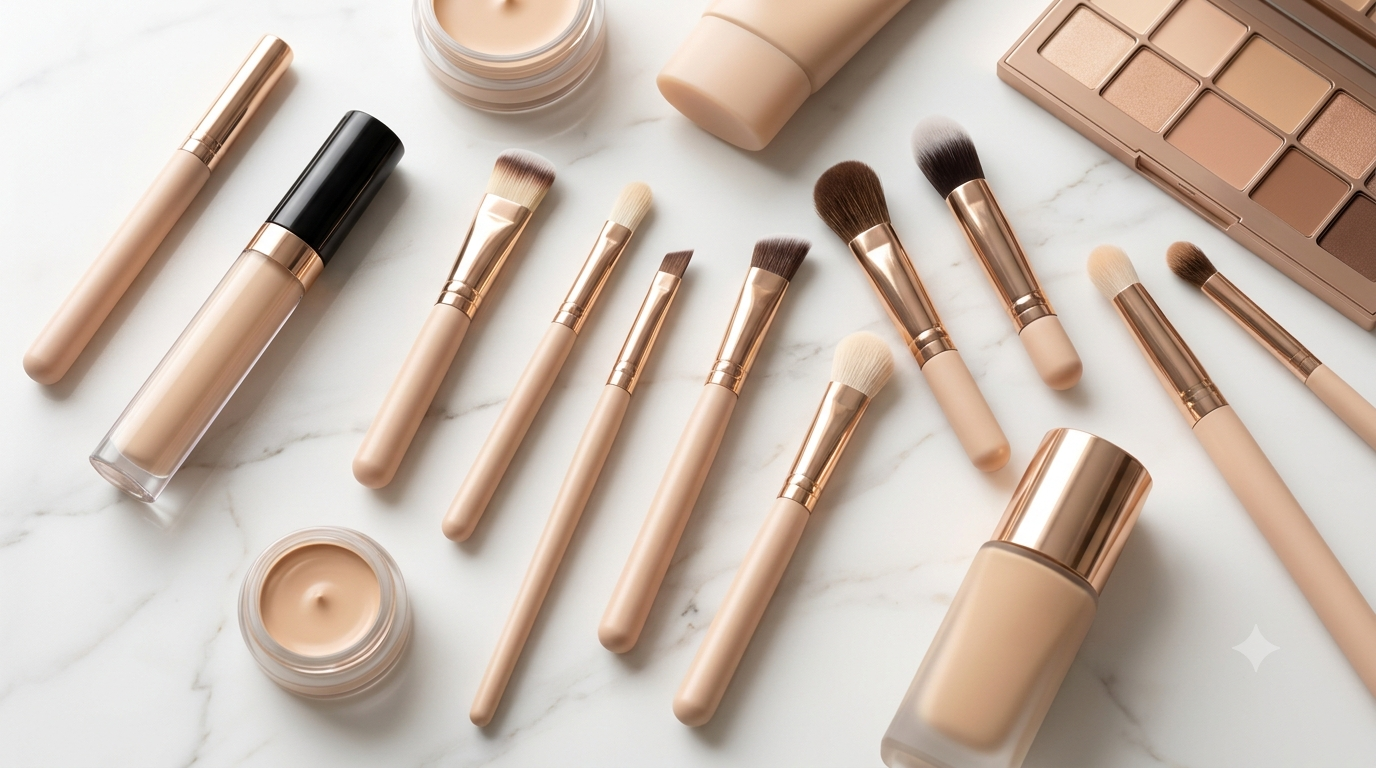
A concealer brush may be small, but it plays a significant role in creating a polished makeup look. Whether you’re covering dark circles, concealing blemishes, brightening the under-eye area, or sharpening the edges of your lipstick, the right can dramatically improve the precision and finish of your makeup.
Unlike fingers, which may transfer oils or apply product unevenly, a quality concealer brush allows for controlled application, seamless blending, and better product placement. Professional makeup artists often rely on concealer brushes because they help achieve maximum coverage while maintaining a natural skin-like appearance.
In this comprehensive guide, you’ll learn how concealer brushes work, the different types available, how to choose the right one for your skin and makeup routine, and expert techniques to get flawless results every time.
What Is a Concealer Brush?
A concealer brush is a specially designed makeup brush created for applying and blending concealer with precision. It typically features dense synthetic bristles that evenly distribute product without absorbing too much of it.
These brushes are designed to reach smaller areas of the face, including:
- Under the eyes
- Around the nose
- Around the lips
- On acne spots
- Pigmentation
- Redness
- Fine lines
The compact design provides greater accuracy than larger foundation brushes or beauty sponges.
Why Use a Concealer Brush?
Many people apply concealer using their fingertips, but a brush offers several important advantages.
Better Precision
Brushes allow you to place concealer exactly where it’s needed without spreading product unnecessarily.
Improved Coverage
Dense bristles press pigment into the skin for fuller, more even coverage.
More Hygienic
Using a clean brush minimizes the transfer of oils and bacteria from your hands to your face.
Product Savings
Because synthetic bristles absorb less product than fingers or some sponges, less concealer is wasted.
Professional Finish
Brushes help blend concealer seamlessly into foundation for a natural, airbrushed look.
Different Types of Concealer Brushes
Not all concealer brushes are the same. Each shape serves a specific purpose.
Flat Concealer Brush
Flat brushes have thin, paddle-shaped heads ideal for packing concealer onto areas requiring high coverage.
Best for:
- Acne
- Hyperpigmentation
- Under-eye correction
- Spot concealing
Rounded Concealer Brush
Rounded brushes soften edges while blending concealer into surrounding skin.
Best for:
- Everyday makeup
- Dry skin
- Natural finishes
Tapered Concealer Brush
The pointed tip reaches difficult areas.
Perfect for:
- Nose corners
- Inner eye
- Around eyebrows
- Lip contour
Dense Buffing Brush
These brushes blend concealer into foundation without streaks.
Ideal for:
- Full-face makeup
- Professional blending
- Cream concealers
Angled Concealer Brush
The slanted edge follows facial contours.
Works well for:
- Nose contour
- Under-eye brightening
- Sharp makeup edges
Synthetic vs Natural Bristles
Most makeup professionals recommend synthetic bristles.
Synthetic Brushes
Advantages include:
- Cruelty-free
- Less product absorption
- Easy to clean
- Ideal for cream and liquid formulas
- Long-lasting
Natural Hair Brushes
Although soft, they are generally better suited to powder products rather than liquid concealers.
How to Choose the Best Concealer Brush
When selecting a concealer brush, consider several factors.
Brush Density
Dense bristles provide fuller coverage.
Brush Size
Small brushes improve precision around delicate facial features.
Handle Comfort
A balanced handle offers better control during application.
Bristle Softness
Soft fibers reduce irritation, especially around sensitive eyes.
Quality Construction
Well-made brushes shed less and maintain their shape after repeated washing.
Step-by-Step Guide to Applying Concealer with a Brush
Step 1: Prep Your Skin
Cleanse your face and apply moisturizer.
Allow skincare to absorb before makeup.
Step 2: Apply Foundation First
Foundation evens out skin tone so less concealer is needed afterward.
Step 3: Pick Up a Small Amount
Dip only the brush tip into the concealer.
A little product goes a long way.
Step 4: Apply Strategically
Use light strokes on:
- Dark circles
- Acne spots
- Pigmentation
- Red areas
Avoid applying excessive product.
Step 5: Blend Carefully
Rather than dragging the brush, gently tap or buff the edges until they disappear into the skin.
Step 6: Set with Powder
For long-lasting wear, lightly dust translucent setting powder over concealed areas.
Common Mistakes to Avoid
Many makeup users unknowingly reduce their concealer’s effectiveness.
Avoid these common mistakes:
- Using too much product
- Choosing the wrong brush size
- Dragging instead of tapping
- Skipping brush cleaning
- Applying heavy layers under the eyes
- Using old or damaged brushes
- Selecting overly stiff bristles
How Often Should You Clean Your Concealer Brush?
Regular cleaning prevents bacteria buildup and improves makeup application.
Recommended Schedule
- Personal use: Once every week
- Professional use: After every client
Cleaning also extends the life of your brushes.
How to Clean a Concealer Brush
Follow these simple steps:
- Wet only the bristles with lukewarm water.
- Apply a gentle brush cleanser or mild soap.
- Massage the bristles gently.
- Rinse until the water runs clear.
- Reshape the brush.
- Lay it flat to air dry.
Never dry brushes standing upright, as water can seep into the handle and loosen the glue.
Which Concealer Formula Works Best with a Brush?
Different concealers pair well with different brush styles.
Liquid Concealer
Ideal for everyday use and under-eye brightening.
Cream Concealer
Provides higher coverage and blends well with dense brushes.
Stick Concealer
Great for targeted spot correction.
Color Correctors
Precision brushes help apply green, peach, or yellow correctors exactly where needed.
Concealer Brush vs Beauty Sponge
Both tools have unique strengths.
| Feature | Concealer Brush | Beauty Sponge |
| Precision | Excellent | Moderate |
| Coverage | High | Medium |
| Product Waste | Low | Higher |
| Blending | Excellent | Excellent |
| Spot Concealing | Best | Less precise |
| Under Eyes | Excellent | Excellent |
Many makeup artists use both—a brush for precise application and a damp sponge for a final seamless blend.
Tips for a Natural Finish
For professional-looking results:
- Start with a small amount of concealer.
- Build coverage gradually.
- Match concealer to your skin tone or choose one shade lighter for under-eye brightening.
- Blend the edges thoroughly.
- Use clean brushes every time.
- Set concealer only where necessary to avoid a heavy appearance.
- Pair your concealer brush with a quality foundation brush for a cohesive finish.
Frequently Asked Questions
Can I use a concealer brush every day?
Yes. Daily use is perfectly safe as long as the brush is cleaned regularly to prevent bacteria buildup.
Are synthetic brushes better for concealer?
Yes. Synthetic bristles work especially well with liquid and cream formulas because they absorb less product and are easier to clean.
Should concealer be applied before or after foundation?
For most makeup routines, applying foundation first helps reduce the amount of concealer needed and creates a more natural finish.
Can a concealer brush replace a foundation brush?
Not usually. Concealer brushes are designed for smaller, detailed areas, while foundation brushes cover larger areas of the face more efficiently.
How long does a quality concealer brush last?
With proper care and regular cleaning, a high-quality concealer brush can last several years without losing its shape or performance.
Final Thoughts
A concealer brush is one of the most valuable tools in any makeup collection. Its precision, versatility, and ability to create a smooth, natural-looking finish make it an essential accessory for beginners and professionals alike. By choosing the right brush, using proper application techniques, and maintaining it with regular cleaning, you can achieve more even coverage, reduce product waste, and elevate your overall makeup routine.
Whether you’re concealing dark circles, covering blemishes, or refining the details of a full-face look, investing in a well-made concealer brush is a simple step that can make a noticeable difference in the quality of your makeup application.