BIAB Nails: A Complete Guide to Benefits, Application, Styles
Introduction
Beautiful nails can make your hands look polished and well-groomed, but maintaining strong, healthy-looking nails is not always easy. If your natural nails break easily, peel at the edges, or struggle to grow, you may have heard about BIAB nails. This popular manicure technique has gained attention for its natural appearance, durable finish, and ability to support a more structured nail look.
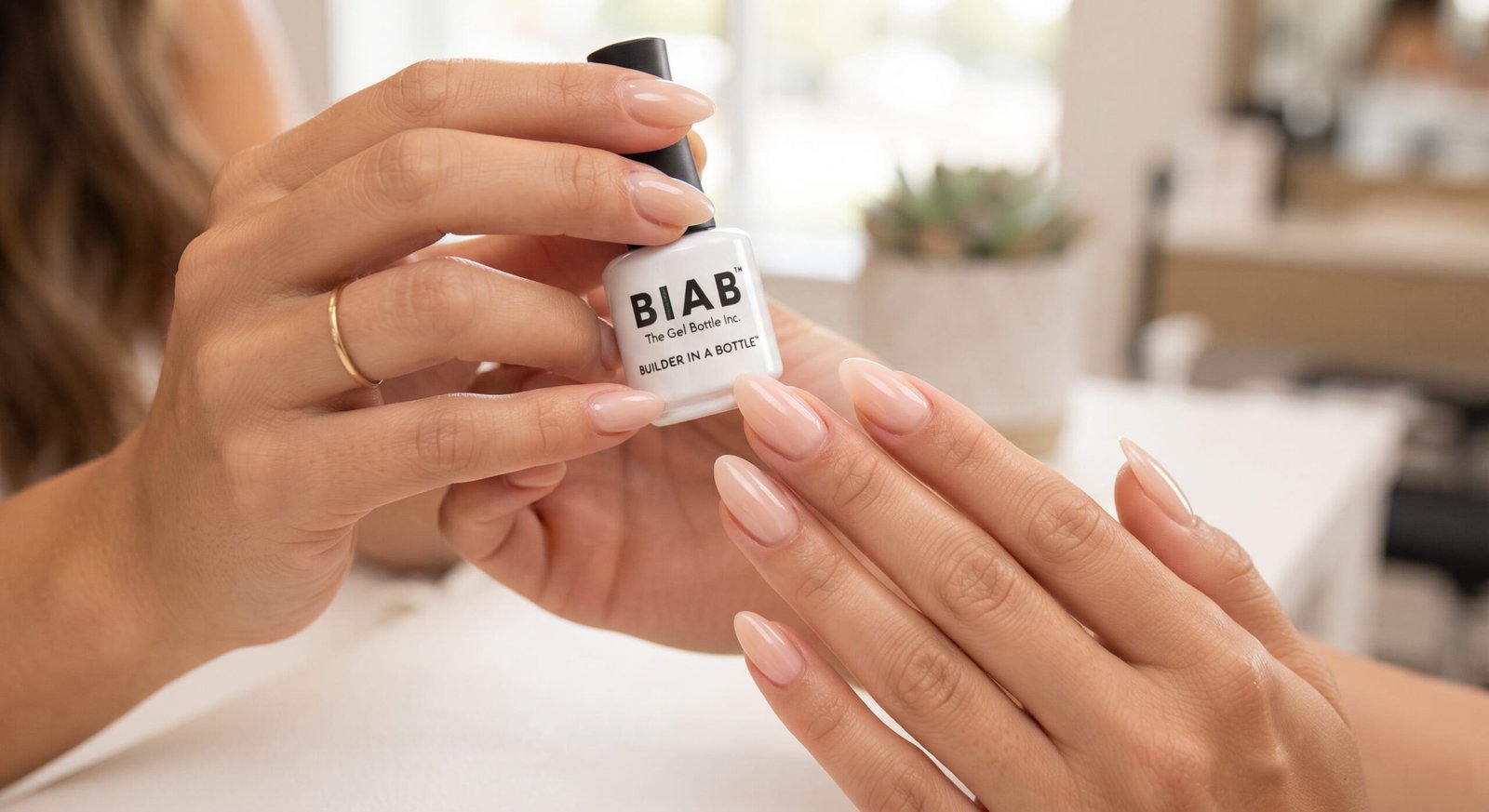
BIAB stands for Builder in a Bottle, a type of builder gel designed to create strength and structure on natural nails. Unlike traditional nail polish, which mainly adds color, BIAB products provide a thicker coating that can help protect the nail surface from everyday wear. They are available in several shades, including milky pink, nude, beige, and soft white, making them suitable for both minimalist and decorative manicures.
This guide explains what BIAB nails are, how they work, their advantages and disadvantages, popular designs, application steps, and aftercare tips.
What Are BIAB Nails?
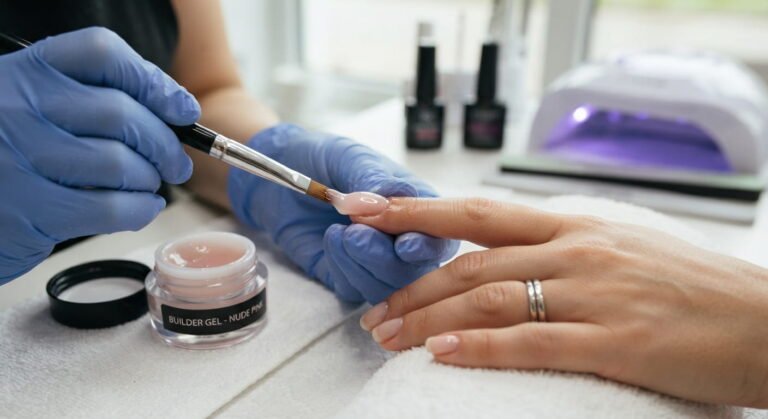
BIAB nails are created using a builder gel supplied in a bottle, usually with a brush for convenient application.
The builder gel creates a stronger, more structured coating than ordinary nail polish. Depending on the formula and application technique, it can provide a smooth finish, reinforce the natural nail, and help reduce everyday bending or breakage.
One reason this manicure is popular is its versatility. A clear or nude BIAB overlay can look understated and natural, while a colored topcoat, French tip, or nail art can create a more elaborate appearance.
It is important to understand that BIAB does not permanently repair damaged nails or make them grow faster biologically. Instead, it provides a protective layer that may help nails retain their length while the coating remains intact.
How Do BIAB Nails Work?
BIAB products contain gel-forming ingredients that harden when exposed to the appropriate curing light. Once cured correctly, the material forms a durable coating over the nail plate.
The coating adds structure and can help distribute everyday pressure across the nail. This may reduce the likelihood of minor bending or splitting compared with leaving fragile nails completely unprotected.
The final result depends on several factors:
- The condition of the natural nail.
- The quality and suitability of the builder gel.
- Proper preparation of the nail plate.
- Correct application thickness and structure.
- Appropriate curing according to product instructions.
- Regular maintenance and safe removal.
A professional nail technician can select a suitable formula and determine whether BIAB is appropriate for your nails.
BIAB Nails vs. Gel Nails
BIAB and traditional gel manicures share some similarities, but they are not exactly the same. Both generally require curing under a suitable lamp, and both can provide a glossy, long-lasting finish.
Here is a simple comparison.
| Feature | BIAB Nails | Traditional Gel Polish |
| Main purpose | Adds structure and reinforcement | Adds color and shine |
| Typical consistency | Thicker builder formula | Usually thinner |
| Natural nail overlay | Common use | Common use |
| Appearance | Natural, nude, or colored | Available in many colors |
| Nail extensions | Possible with suitable systems | Not generally the main purpose |
| Removal | Depends on the specific formula | Often soak-off, depending on the formula |
Benefits of BIAB Nails
BIAB manicures offer several advantages for people who want a polished appearance without relying on long artificial extensions.
1. Helps Protect Natural Nails
The builder layer adds reinforcement to the nail surface. For people whose nails bend or break during daily activities, this additional structure may help preserve their existing length.
However, protection depends on correct application and maintenance. A coating that lifts, cracks, or becomes excessively long can create additional stress rather than prevent damage.
2. Supports Natural Nail Growth
BIAB does not directly stimulate the nail matrix or accelerate biological growth. However, by helping protect the free edge from minor damage, it may allow natural nails to grow longer before breaking.
This can be especially appealing to people who prefer their own nails rather than artificial extensions.
3. Offers a Natural Appearance
The result can be suitable for work, formal events, weddings, and everyday wear.
4. Provides a Durable Finish
When applied and maintained correctly, builder gel can withstand everyday wear better than ordinary nail polish. Its durability varies with the formula, nail condition, lifestyle, and application quality.
People who frequently type, cook, clean, or perform other activities with their hands should still avoid using their nails as tools.
5. Works With Different Nail Shapes
BIAB can be used on short square nails, rounded nails, oval nails, and almond-shaped natural nails. The coating can also be combined with French tips, subtle glitter, or decorative designs.
This flexibility makes it suitable for both minimal and more fashionable manicures.
6. Can Reduce Minor Bending and Splitting
A correctly applied overlay can make the nail feel more stable. This may be useful for people whose natural nails are thin or flexible.
Nevertheless, persistent peeling, discoloration, or painful splitting should not simply be covered with builder gel. The underlying cause may require attention.
7. Allows Regular Maintenance
BIAB manicures can often be maintained through professional infills or rebalancing, depending on the product system and the condition of the existing coating. This may avoid removing the entire overlay at every appointment.
The technician should inspect the nails each time and remove or repair any compromised product safely.
Disadvantages and Potential Risks
Although BIAB can be an attractive manicure option, it is not completely risk-free.
Nail Thinning From Over-Filing
Aggressive filing or repeated removal can thin the natural nail plate. Excessive buffing and peeling off the product can also cause damage.
Choose a technician who prepares nails gently and follows the correct removal procedure.
Allergic Reactions
Some gel products contain acrylate or methacrylate ingredients that may cause allergic contact dermatitis, particularly when uncured material touches the skin. Symptoms can include itching, redness, swelling, or blistering around the fingers.
Proper application and complete curing are important. If you develop a suspected reaction, stop using the product and seek medical advice. Avoid further exposure until the cause has been assessed.
Lifting and Trapped Moisture
If the coating separates from the nail, water and debris can collect underneath. Do not glue lifted product back down or cover a suspicious area with additional gel.
Have the manicure assessed and removed safely. Green, yellow, or dark discoloration, pain, swelling, or discharge may require medical evaluation.
Maintenance Costs
BIAB usually requires a salon appointment or specialized products and equipment. Regular maintenance can cost more than a basic polish manicure.
Prices vary by salon, location, nail length, design complexity, and whether removal or repairs are included.
Not Suitable for Every Nail Condition
Nails that are severely damaged, painful, infected, or separating from the nail bed should be evaluated before applying a cosmetic coating. Covering an existing problem may delay appropriate care.
Popular BIAB Nail Designs
BIAB works well with a wide variety of colors and finishes. The best design depends on your personal style, preferred nail length, and occasion.
1. Classic Nude BIAB Nails
Nude shades create a clean, understated appearance. Choose a color that complements your skin tone, or select a sheer shade for a more translucent finish.
This style works well for daily wear and professional settings.
2. Milky Pink Nails
Milky pink BIAB creates a soft, elegant appearance without looking overly dramatic. It is particularly popular among people who like simple manicures with a glossy finish.
The color can be worn alone or paired with delicate nail art.
3. BIAB French Manicure
A French manicure combines a natural-looking base with white tips. BIAB provides the underlying structure, while the tips add a classic decorative finish.
For a modern version, try thin white lines, colored tips, or a soft ombré transition.
4. Short Square BIAB Nails
Short square nails are practical for people who use their hands frequently. A clear, pink, or beige builder overlay can make the shape look neat and balanced.
Keeping the free edge at a comfortable length can also reduce accidental snagging.
5. Almond BIAB Nails
Almond-shaped nails taper toward a rounded point. This shape creates an elongated appearance and works well with nude shades, subtle shimmer, and French tips.
The shape should be suitable for the natural nail length and strength.
6. Chrome BIAB Nails
Chrome powder creates a reflective, metallic finish over a suitable base. Popular options include pearl, champagne, rose gold, and silver effects.
Because chrome products vary, ask the technician which gel and topcoat system is compatible with the chosen effect.
7. Glitter BIAB Nails
Fine glitter can add sparkle without overwhelming the manicure. It can be applied to one or two accent nails or incorporated into a subtle gradient.
This design works well for celebrations, parties, and festive occasions.
8. Minimalist BIAB Nail Art
Small dots, thin lines, delicate flowers, and simple geometric patterns can give a natural manicure a personalized touch.
Minimalist designs are a good choice if you want something distinctive without covering the entire nail in decoration.
9. Milky White BIAB Nails
Milky white creates a soft, sophisticated look. It can be worn with a glossy topcoat for an elegant finish or paired with pearl details for a special occasion.
10. Seasonal BIAB Colors
Seasonal shades provide an easy way to refresh your manicure. Pastels work well in spring, coral and bright pink suit summer, warm brown and burgundy complement autumn, and deep red or metallic shades are popular in winter.
You can change the color while keeping the same basic overlay, provided the existing product is in good condition and the technician uses a compatible system.
How Are BIAB Nails Applied?
A professional BIAB manicure typically follows several steps. Exact procedures vary by product manufacturer, so the instructions for the chosen system should always take priority.
Step 1: Assess the Natural Nails
The technician examines the nails for damage, lifting, discoloration, and signs of infection. Any concerning condition should be addressed before cosmetic application.
Step 2: Shape the Nails
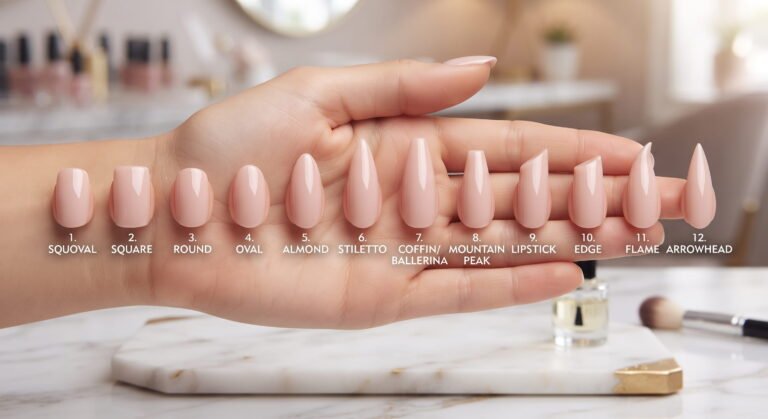
The nails are filed to the preferred length and shape. Common choices include square, squoval, oval, and almond.
The technician should select a shape that suits the nail’s existing length and strength.
Step 3: Prepare the Nail Surface
The nail plate is cleaned, and the cuticle area is prepared carefully. Any required surface preparation should be gentle because excessive filing can weaken the natural nail.
Step 4: Apply the Appropriate Base or Builder Layer
Depending on the system, a compatible base coat or a thin layer of builder gel may be applied first. The product should be kept off the surrounding skin.
Step 5: Build the Structure
The builder gel is applied to create an even overlay with appropriate support. The correct amount and placement depend on the product and nail shape.
Thick or uneven application may affect curing and the final result.
Step 6: Cure Under the Correct Lamp
The product is cured using a compatible lamp and the manufacturer’s specified curing time. A lamp that is unsuitable for the gel may not cure it adequately.
Do not rely on the surface feeling hard as proof that the product has fully cured.
Step 7: Refine the Shape if Needed
Some systems require light filing after curing to refine the structure. Others are designed to level with minimal filing.
Any refinement should avoid unnecessary contact with or abrasion of the natural nail.
Step 8: Apply Color and Topcoat
The technician may leave the builder gel in its natural shade or apply compatible gel color and a topcoat. Each layer must be cured as directed.
Step 9: Finish With Cuticle Care
Cuticle oil or an appropriate moisturizer can help keep the surrounding skin comfortable. The finished manicure should have smooth edges and no gel left on the skin.
How Long Do BIAB Nails Last?
BIAB nails commonly last around two to four weeks before maintenance is needed, although the exact interval varies. Some people need an appointment sooner because of rapid nail growth, lifting, or their daily activities.
Factors that affect longevity include:
- The natural condition of the nails.
- The technician’s preparation and application.
- Product compatibility and curing.
- Exposure to water and cleaning chemicals.
- Nail length and the amount of mechanical stress.
- Whether the manicure is maintained before significant lifting occurs.
Do not wait for a coating to become painful or badly damaged before seeking maintenance. A technician can advise when to rebalance or remove the product.
BIAB Nail Aftercare Tips
Good aftercare helps maintain the appearance of the manicure and reduces avoidable damage.
Use Cuticle Oil Regularly
Apply cuticle oil to the surrounding skin and nail edges as needed. It can help soften dry skin and improve comfort, although it does not repair structural damage to the nail plate.
Wear Gloves for Household Cleaning
Cleaning products and prolonged exposure to water can affect the surrounding skin and may contribute to lifting in some circumstances. Wear protective gloves when washing dishes or using household chemicals.
Avoid Picking or Peeling
Never pull off builder gel yourself. The product may remove layers of the natural nail when peeled away.
If the coating lifts, arrange professional assessment and safe removal.
Keep Nails at a Practical Length
Longer nails can experience more leverage when they strike a surface. If your nails repeatedly break, ask the technician to shorten the overlay and choose a shape that fits your lifestyle.
Avoid Using Nails as Tools
Use an appropriate tool to open packages, scrape labels, or perform other tasks. This reduces unnecessary pressure on the manicure.
Attend Maintenance Appointments
Have your nails checked at an appropriate interval based on growth and product condition. Do not apply another layer over lifting, damaged, or suspiciously discolored areas.
Give Damaged Nails a Break
If your natural nails become thin, painful, or unusually brittle, consider removing the coating safely and allowing the nails to recover. Persistent changes should be assessed by a healthcare professional.
How Are BIAB Nails Removed?
Removal depends on whether the specific builder gel is soak-off or file-off. Not all BIAB formulas can be removed in the same way.
For soak-off products, a trained technician may carefully file away the top layer before using the manufacturer’s recommended removal method. For harder file-off systems, controlled filing is generally required.
The aim is to remove the artificial product without filing deeply into the natural nail.
Avoid pulling, biting, or scraping off the coating. Do not force a product to lift from the nail plate. If removal causes pain or reveals a damaged nail, stop and seek professional assistance.
After removal, use moisturizer and cuticle oil, keep the nails at a manageable length, and avoid aggressive buffing. Recovery time varies according to the extent of damage because the visible nail plate must grow out.
BIAB Nails vs. Acrylic Nails
BIAB and acrylic manicures both add strength and structure, but they use different materials and application systems.
Acrylic systems generally combine a liquid monomer with polymer powder to create a material that hardens without the same lamp-curing process used by gel products. BIAB is a builder gel cured under a compatible lamp.
BIAB is often chosen for natural-nail overlays and a more understated appearance. Acrylic is commonly used for sculpted extensions and dramatic lengths, although the best option depends on the specific system and the technician’s skill.
Neither option is automatically healthier for everyone. Nail preparation, product exposure, maintenance, and removal technique have a major influence on nail health.
Are BIAB Nails Worth Trying?
BIAB may be worth considering if you prefer a natural-looking manicure, want additional support for fragile nails, or enjoy maintaining your own nail length. Its range of neutral shades and decorative possibilities makes it suitable for many occasions.
However, the technique is not a cure for nail damage, and it cannot guarantee stronger nails after removal. Repeated aggressive filing, improper curing, skin contact with uncured gel, and peeling off the coating can cause problems.
Choose a qualified nail technician, ask about the product being used, and follow the manufacturer’s aftercare and removal guidance. If you have existing nail disease, persistent discoloration, pain, or an allergic reaction, address the problem before applying another manicure.
Conclusion
BIAB nails offer a versatile option for people who want a neat, durable manicure with a natural finish. Builder gel can add structure to natural nails, help protect the free edge from everyday wear, and provide a smooth base for popular styles such as nude, milky pink, French, chrome, and minimalist designs.
The most important factors are safe application, appropriate curing, regular maintenance, and gentle removal. BIAB can help some people maintain their preferred nail length, but it does not make nails grow faster or guarantee that they will remain healthy.
If you are considering this manicure, discuss your nail condition and preferred look with a trained professional. With suitable products and careful maintenance, you can enjoy an attractive finish while making nail health a priority.
Frequently Asked Questions (FAQs)
1. What does BIAB stand for?
BIAB stands for Builder in a Bottle. It is a builder gel product designed to add structure and reinforcement to natural nails and is cured under a compatible nail lamp.
2. Are BIAB nails better than gel nails?
BIAB is designed to provide more structure than ordinary gel polish, while traditional gel polish mainly adds color and shine. The better choice depends on your nail condition, preferred finish, and the products being used.
3. Do BIAB nails help natural nails grow?
BIAB does not directly speed up nail growth. However, the protective overlay may help reduce minor breakage, allowing natural nails to retain more length.
4. How long do BIAB nails last?
They commonly last around two to four weeks before maintenance is needed. Nail growth, application quality, lifestyle, and product condition can change how long they remain in good shape.
5. Can BIAB nails damage natural nails?
They can contribute to damage if the nail surface is over-filed, the product is peeled off, or removal is performed incorrectly. Gentle preparation and proper removal help reduce these risks.
6. Can BIAB be applied to short nails?
Yes. A suitable length and shape depend on the condition of the nail plate.
7. Can you put nail polish over BIAB?
8. How often should BIAB nails be maintained?
Many people schedule maintenance every two to four weeks, depending on nail growth and the condition of the coating.
9. Can BIAB nails be removed at home?
Removal depends on the formula, and some builder gels require professional filing rather than soaking. Avoid peeling or scraping the product off, as this can damage the natural nail.
10. Are BIAB nails suitable for everyone?
No. People with nail infections, unexplained discoloration, significant nail damage, or suspected gel allergies should seek appropriate advice before applying BIAB. Anyone using these products should also avoid skin contact with uncured gel.