Korean Skincare: The Science Behind Healthy, Radiant Skin
Introduction
Over the past decade, Korean skincare has transformed from a regional beauty trend into a global skincare movement. From Seoul to New York, London, Dubai, and beyond, millions of people have embraced Korean skincare products for their innovative formulations, gentle ingredients, and focus on long-term skin health. Unlike routines that promise overnight transformations, Korean skincare emphasizes consistency, prevention, and maintaining a strong skin barrier to achieve naturally healthy, radiant skin.
At its core, Korean skincare is not about using the largest number of products. Instead, it is a personalized approach that combines effective cleansing, proper hydration, targeted treatments, and daily sun protection. This philosophy encourages people to understand their skin’s unique needs and choose products that support its natural function rather than overwhelm it.
What Is Korean Skincare?
Korean skincare, often referred to as K-Beauty, is a skincare philosophy and product category developed in South Korea. It combines traditional botanical ingredients with modern cosmetic science to create products that are effective, gentle, and suitable for a wide range of skin types.
Rather than focusing solely on treating visible skin problems, Korean skincare aims to prevent damage before it occurs. The primary goals are to maintain optimal hydration, strengthen the skin barrier, reduce inflammation, protect against environmental stressors, and promote healthy skin renewal.
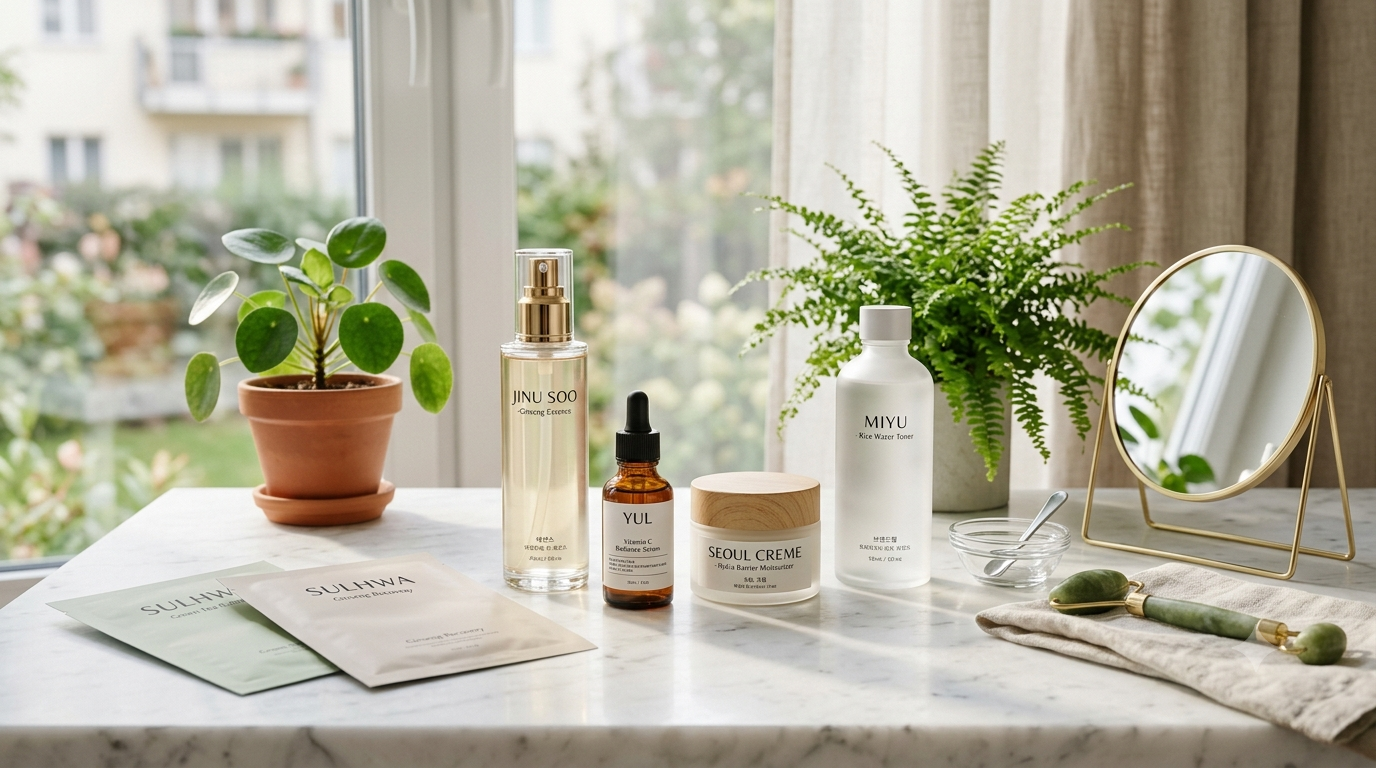
Today, Korean skincare includes cleansers, toners, essences, serums, ampoules, moisturizers, sunscreens, sheet masks, and targeted treatment products formulated with carefully selected active ingredients.
Why Korean Skincare Is Different
One of the defining features of Korean skincare is its emphasis on skin health instead of cosmetic perfection. The goal is not to hide imperfections but to improve the skin’s overall condition through daily care.
Korean skincare routines typically prioritize:
- Gentle cleansing that preserves the skin barrier.
- Continuous hydration to maintain moisture balance.
- Prevention of sun damage through daily sunscreen use.
- Lightweight formulations that layer comfortably.
- Ingredients chosen according to individual skin concerns.
- Long-term consistency rather than quick fixes.
This preventive approach has made Korean skincare popular among people seeking healthier skin without relying on harsh treatments.
The Science Behind Korean Skincare
Healthy skin depends on a well-functioning skin barrier. This outer protective layer helps retain moisture while defending against irritants, pollution, bacteria, and ultraviolet radiation. When the skin barrier becomes damaged, dryness, redness, irritation, and breakouts are more likely to occur.
Many Korean skincare products are designed to support barrier function using ingredients such as ceramides, hyaluronic acid, panthenol, and Centella Asiatica. These ingredients help replenish moisture, calm inflammation, and improve the skin’s natural ability to repair itself.
Modern Korean formulations also incorporate antioxidants that help reduce oxidative stress caused by environmental exposure, potentially minimizing premature signs of skin aging.
Key Ingredients Found in Korean Skincare
One reason for the worldwide success of Korean skincare is its thoughtful ingredient selection.
Centella Asiatica (Cica) helps calm irritated skin and supports barrier repair, making it particularly suitable for sensitive and acne-prone skin.
Niacinamide improves uneven skin tone, regulates excess oil production, minimizes the appearance of enlarged pores, and strengthens the skin barrier.
Hyaluronic Acid provides long-lasting hydration by attracting moisture into the skin, leaving it smoother and more supple.
Ceramides restore the skin’s protective barrier and reduce water loss, making them essential for dry and compromised skin.
Snail Mucin is valued for its hydrating and skin-conditioning properties, helping improve overall skin texture while supporting recovery from minor irritation.
Green Tea Extract offers antioxidant protection and helps soothe inflamed or oily skin.
Rice Extract has long been used in Korean beauty traditions to improve skin brightness and hydration.
Building an Effective Korean Skincare Routine
A successful skincare routine does not require ten different products. Most individuals can achieve excellent results with a simple routine that includes a gentle cleanser, moisturizer, sunscreen, and one or two targeted treatment products.
Morning routines should focus on cleansing, hydration, antioxidant protection, moisturizing, and sunscreen application.
Evening routines emphasize cleansing, repairing the skin barrier, replenishing moisture, and applying treatment products such as retinoids or pigmentation-correcting serums when appropriate.
Choosing Products for Your Skin Type
No single product is suitable for everyone. Oily skin often benefits from lightweight, non-comedogenic formulations containing niacinamide or salicylic acid. Dry skin generally requires richer moisturizers containing ceramides and hyaluronic acid. Sensitive skin responds well to fragrance-free products with soothing ingredients such as Centella Asiatica and panthenol.
Understanding your skin type is the first step toward selecting products that provide long-term benefits without causing irritation.
Conclusion
Korean skincare has earned its reputation because it combines innovation, gentle formulations, and a preventive philosophy focused on maintaining healthy skin. Rather than chasing unrealistic beauty standards, K-Beauty encourages consistent daily care, proper hydration, sun protection, and evidence-based ingredient selection.
The best skincare routine is always the one that matches your skin type, addresses your individual concerns, and can be maintained consistently over time. By choosing products thoughtfully and following healthy skincare habits, individuals can build a routine that supports stronger, healthier, and more radiant skin for years to come.
Frequently Asked Questions (FAQs) About Korean Skincare
1. What is Korean skincare?
Korean skincare, also known as K-Beauty, is a skincare approach that focuses on maintaining healthy skin through gentle cleansing, hydration, skin barrier protection, and daily sun protection. It emphasizes prevention rather than treating skin problems after they develop.
2. Why is Korean skincare so popular?
Korean skincare is popular because of its innovative formulations, high-quality ingredients, lightweight textures, and personalized routines. It focuses on achieving healthy, glowing skin through consistent daily care.
3. Is Korean skincare suitable for all skin types?
Yes. Korean skincare products are available for oily, dry, combination, normal, sensitive, and acne-prone skin. The key is selecting products based on your skin type and individual concerns.
4. Do I need to follow the 10-step Korean skincare routine?
No. The 10-step routine is optional. Many people achieve excellent results with a simple routine consisting of a cleanser, moisturizer, targeted serum, and sunscreen.
5. What are the most popular Korean skincare ingredients?
Some of the most popular ingredients include Centella Asiatica, snail mucin, niacinamide, hyaluronic acid, ceramides, green tea, rice extract, ginseng, propolis, panthenol, and peptides.
6. Can Korean skincare help with acne?
Yes. Many Korean skincare products contain ingredients such as salicylic acid, niacinamide, Centella Asiatica, tea tree, and heartleaf, which help reduce inflammation, control excess oil, and improve acne-prone skin.
7. Is Korean skincare good for sensitive skin?
Many Korean skincare products are specifically formulated for sensitive skin and contain soothing ingredients like Centella Asiatica, panthenol, ceramides, and mugwort. Choosing fragrance-free products may further reduce the risk of irritation.
8. Can Korean skincare reduce dark spots and pigmentation?
Yes. Ingredients such as niacinamide, vitamin C, rice extract, licorice root extract, and tranexamic acid may help brighten the complexion and gradually reduce the appearance of hyperpigmentation with regular use.
9. Is snail mucin safe for daily use?
Snail mucin is generally considered safe for most people and is valued for its hydrating and skin-conditioning properties. However, individuals with allergies or very sensitive skin should perform a patch test before regular use.
10. What is the purpose of an essence in Korean skincare?
An essence is a lightweight, hydrating product applied after toner. It helps increase skin hydration and prepares the skin to absorb serums and moisturizers more effectively.
11. Are Korean sunscreens effective?
Yes. Korean sunscreens are known for providing broad-spectrum UVA and UVB protection while offering lightweight, comfortable formulations suitable for everyday use. Product performance depends on the specific formula and proper application.
12. How long does it take to see results from Korean skincare?
Hydration may improve within a few days, while concerns such as acne, pigmentation, and fine lines often require several weeks or months of consistent skincare to show noticeable improvement.
13. Can I mix Korean skincare products with products from other brands?
Yes. Korean skincare products can generally be combined with products from other countries. Ensure the ingredients are compatible and avoid introducing multiple strong active ingredients at the same time without professional guidance.
14. Are Korean skincare products suitable for men?
Absolutely. Healthy skin is important for everyone, and Korean skincare products can be used by both men and women. Product selection should always be based on skin type and concerns rather than gender.
15. How can I identify authentic Korean skincare products?
Purchase products from authorized retailers, reputable pharmacies, or trusted online stores. Check for proper packaging, ingredient labels, batch numbers, and manufacturer information to reduce the risk of buying counterfeit products.
16. Can Korean skincare help slow skin aging?
Many Korean skincare products contain antioxidants, peptides, retinal, ceramides, and hydrating ingredients that support skin elasticity and help reduce the appearance of fine lines and wrinkles as part of a consistent skincare routine.
17. Is Korean skincare safe during pregnancy?
Some Korean skincare products are suitable during pregnancy, while others may contain ingredients, such as retinoids, that are generally avoided. Consult your healthcare provider or dermatologist before using new skincare products during pregnancy.
18. What is the most important step in a Korean skincare routine?
Daily sunscreen application is widely considered one of the most important steps because it helps protect the skin from UV damage, premature aging, and pigmentation. Consistent cleansing and moisturizing are also essential.
19. Can Korean skincare repair the skin barrier?
Many Korean skincare products contain ceramides, panthenol, Centella Asiatica, and hyaluronic acid, which help strengthen the skin barrier, improve hydration, and reduce irritation over time.
20. What is a dermatologist’s advice for beginners?
Start with a simple routine that includes a gentle cleanser, moisturizer, and broad-spectrum sunscreen. Introduce new products gradually, perform patch tests, and choose ingredients that match your skin type and specific concerns. Consistency is more important than using a large number of products.