Under Eye Filler: Benefits, Procedure, Risks and Results
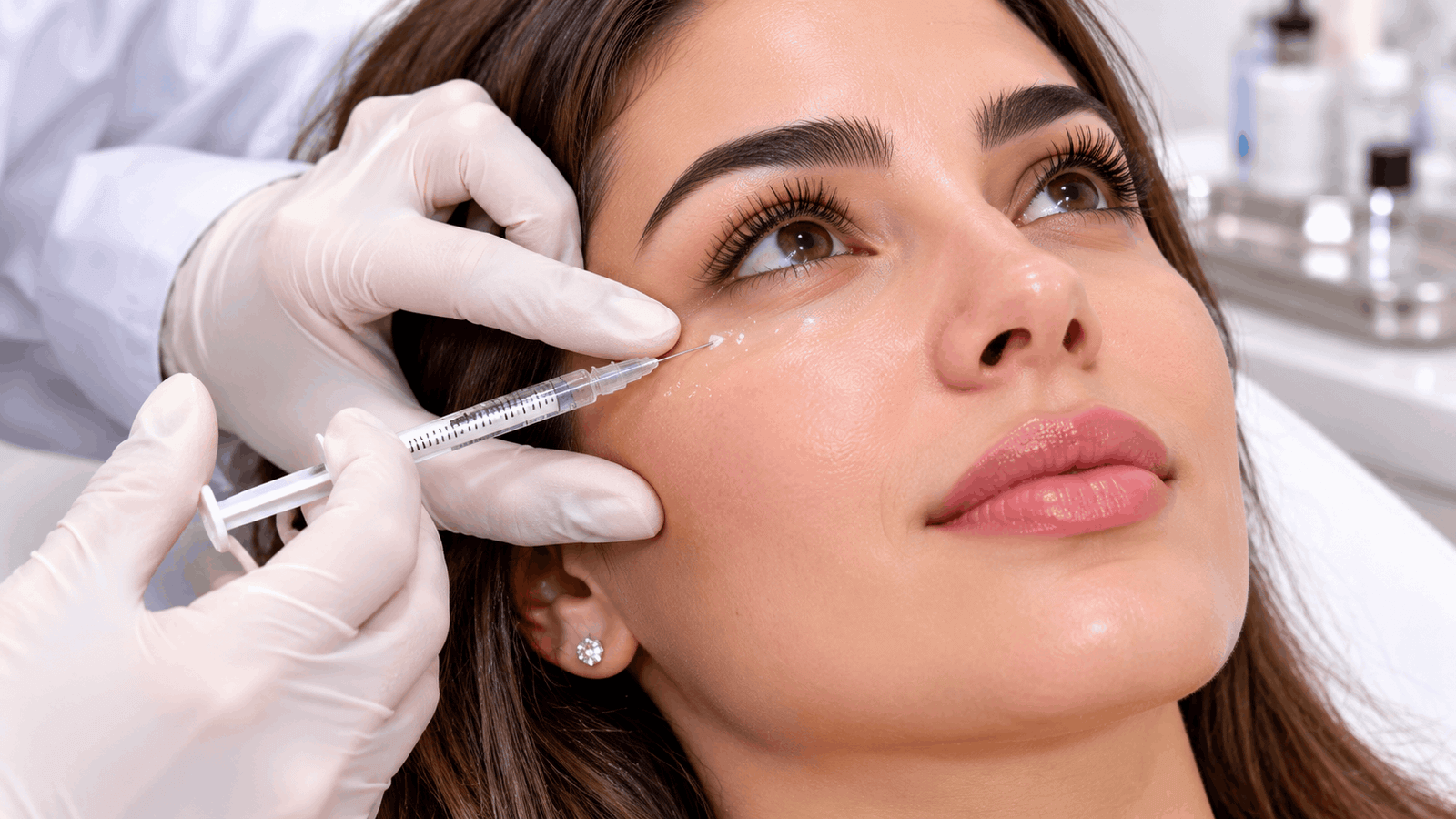
Dark circles, hollow areas, and tired-looking eyes can affect the overall appearance of the face. Even after getting enough sleep, some people continue to notice shadows or depressions beneath their eyes. Under eye filler is a cosmetic treatment designed to improve certain types of under-eye hollowness by restoring lost volume and creating a smoother transition between the lower eyelid and cheek.
This treatment has become popular among people who want a refreshed appearance without undergoing surgery. However, under-eye filler is a delicate procedure that requires careful patient selection, detailed anatomical knowledge, and an experienced medical professional. Not every dark circle or under-eye concern can be corrected with dermal fillers.
Understanding how the treatment works, its benefits, limitations, possible complications, and recovery process can help individuals make informed decisions.
What Is Under Eye Filler?
Under eye filler is a non-surgical cosmetic treatment that involves injecting a soft dermal filler beneath the lower eyelid to improve hollowing and volume loss. Most commonly, practitioners use hyaluronic acid (HA) fillers, a gel-like substance that attracts and holds water.
The treatment is primarily intended for tear trough deformities, which appear as hollows or grooves between the lower eyelids and upper cheeks.
As people age, changes in facial fat distribution, skin elasticity, bone structure, and connective tissue can make the under-eye area appear sunken. In carefully selected patients, a small amount of filler may soften these depressions and create a more rested appearance.
However, fillers do not treat every cause of under-eye darkness. Pigmentation, visible blood vessels, thin skin, allergies, and fluid retention may require different approaches.
Why Do People Choose Under Eye Filler?
The under-eye region is one of the first areas where certain signs of aging and facial volume changes become noticeable. People may consider treatment for several reasons:
- Hollow or sunken areas beneath the eyes
- Tear trough grooves
- Shadows caused by volume loss
- A tired-looking appearance associated with under-eye hollowness
- Mild contour irregularities between the lower eyelid and cheek
Some individuals naturally have deep tear troughs because of their facial anatomy, while others develop more noticeable hollows with age.
A consultation helps determine whether filler is appropriate or whether another treatment would provide a better result.
Benefits of Under Eye Filler
When performed on a suitable candidate, under-eye filler can offer several cosmetic improvements.
1. Reduces the Appearance of Under-Eye Hollows
One of the main benefits is the improvement of hollow areas beneath the eyes. Carefully placed filler can restore some lost volume and soften the appearance of deep grooves.
2. Creates a Smoother Under-Eye Contour
A visible depression between the lower eyelid and cheek can create an uneven facial contour. Filler may improve this transition and make the area appear smoother.
3. Provides a Refreshed Appearance
Under-eye hollowness can create shadows that make someone look tired. Improving the contour may produce a more rested appearance without significantly changing natural facial features.
4. Offers a Non-Surgical Option
Unlike surgical procedures, injectable filler does not require incisions or general anesthesia. Most treatments are performed in an outpatient clinical setting.
5. Provides Temporary Results
Hyaluronic acid fillers are gradually broken down by the body. This means the cosmetic effect is not permanent, and the treatment can be reassessed as facial features change.
Who Is a Good Candidate for Under Eye Filler?
The best candidates are generally adults with noticeable tear trough hollowness, relatively good skin quality, and minimal under-eye puffiness.
A medical professional should evaluate:
- The depth and shape of the tear trough
- Skin thickness and elasticity
- Existing under-eye bags
- Facial fat distribution
- Previous filler treatments
- Medical history and medications
- Individual expectations
People with significant fluid retention, prominent fat pads, or loose lower-eyelid skin may not be suitable candidates.
A patient with dark circles caused mainly by pigmentation may also see limited improvement because filler does not directly lighten the skin.
Who Should Avoid Under Eye Filler?
Under-eye filler is not appropriate for everyone. Treatment may be unsuitable for people with:
- Prominent under-eye bags or puffiness
- Significant fluid retention
- Very thin or fragile under-eye skin
- Active skin or eye-area infections
- Certain bleeding or clotting disorders
- A history of serious reactions to filler ingredients
- Unrealistic expectations about the treatment
People who are pregnant or breastfeeding should generally postpone elective cosmetic filler procedures because adequate safety evidence is limited.
A history of previous filler injections should always be discussed during consultation, particularly if the product, injection location, or amount is unknown.
Types of Fillers Used Under the Eyes
Hyaluronic acid fillers are commonly preferred for tear trough correction because they are available in different formulations and can be dissolved with an enzyme called hyaluronidase when clinically appropriate.
Hyaluronic Acid Fillers
HA fillers contain a substance naturally found in the body. Different products have different levels of firmness, elasticity, and water attraction.
For the under-eye area, practitioners generally select a soft, suitable formulation that can integrate naturally with surrounding tissues.
Why Filler Selection Matters
The under-eye area has thin skin and delicate anatomical structures. A product that works well in the cheeks or lips may not be appropriate beneath the eyes.
The choice should depend on the patient’s anatomy, skin quality, treatment goals, and the practitioner’s clinical judgment rather than brand popularity alone.
How Is the Under Eye Filler Procedure Performed?
<AsyncImage query=”professional aesthetic doctor preparing patient for under eye hyaluronic acid filler treatment clinical setting” aspectRatio=”16:9″ width=”100%”/>
The procedure usually takes around 20 to 45 minutes, although consultation and preparation may require additional time.
Step 1: Facial Assessment
The practitioner examines the under-eye region, cheek support, skin thickness, and tear trough anatomy. They also discuss the patient’s expectations and previous cosmetic treatments.
Step 2: Treatment Planning
The practitioner identifies whether the hollowing is suitable for filler correction. The type of filler, injection technique, and treatment amount are selected according to the individual anatomy.
Step 3: Cleansing and Preparation
The treatment area is cleaned using an appropriate antiseptic. A topical anesthetic may be used if needed, depending on the product and patient’s comfort.
Step 4: Filler Placement
A trained medical professional places the filler in carefully selected tissue planes using an appropriate needle or cannula technique.
The amount should be conservative because overfilling the under-eye area can create visible swelling, irregularities, or an unnatural appearance.
Step 5: Final Assessment
The practitioner checks the contour and symmetry. Aftercare instructions are provided, and a follow-up appointment may be arranged.
Under Eye Filler Before and After Results
<AsyncImage query=”natural under eye tear trough hyaluronic acid filler before and after clinical photography” aspectRatio=”16:9″ width=”100%”/>
Results may be visible immediately after treatment, although early swelling can affect the appearance.
As temporary swelling and minor bruising settle, the final contour becomes easier to assess. This may take several days, and sometimes longer.
A successful treatment generally aims to:
- Soften deep tear trough hollows
- Improve the transition between the lower eyelid and cheek
- Reduce shadows caused by volume loss
- Maintain natural facial expressions
- Preserve the patient’s original facial characteristics
Results vary according to anatomy, filler selection, injection technique, and individual response. Before-and-after photographs should be assessed carefully because lighting, camera angles, facial expressions, and makeup can influence the apparent difference.
How Long Does Under Eye Filler Last?
Under-eye filler results may last approximately 6 to 18 months, although some patients experience longer-lasting effects.
The duration depends on:
- The filler formulation
- The amount injected
- Individual metabolism
- Facial movement and anatomy
- Injection depth and placement
- Previous filler treatments
Hyaluronic acid does not disappear at the same rate in every person. Some filler may remain detectable longer than its visible cosmetic effect.
Repeat treatment should not be automatic. A practitioner should reassess the area before recommending additional filler.
Under Eye Filler Recovery and Aftercare
Most people can return to their normal daily activities shortly after treatment. However, temporary swelling, tenderness, redness, and bruising are possible.
The following precautions may help support recovery:
- Avoid rubbing or massaging the treated area unless your practitioner specifically instructs you to do so.
- Avoid strenuous exercise for the period recommended by your practitioner.
- Limit excessive heat exposure during the early recovery period.
- Avoid applying unnecessary pressure to the treated area.
- Follow the clinic’s instructions about makeup and skincare.
- Attend any recommended follow-up appointment.
- Report unusual pain, skin color changes, or visual symptoms immediately.
Do not attempt to correct lumps or unevenness by pressing or massaging the filler yourself.
Possible Side Effects and Risks of Under Eye Filler
The under-eye region is anatomically complex and contains important blood vessels. Although many treatments are uncomplicated, filler injections can cause both temporary side effects and rare serious complications.
Common Temporary Side Effects
- Mild swelling
- Bruising
- Redness
- Tenderness
- Temporary unevenness
- Small palpable lumps
These effects often improve as the treated area settles.
Tyndall Effect
The Tyndall effect occurs when hyaluronic acid filler is placed too superficially beneath thin skin. It can create a bluish or grayish appearance in the treated area.
Correct product selection and appropriate placement help reduce this risk.
Persistent Puffiness
Some patients develop prolonged swelling because hyaluronic acid attracts water or because the under-eye tissues are prone to fluid retention.
In people who already have under-eye bags or malar edema, filler may make the appearance worse.
Lumps and Irregularities
Visible or palpable lumps can develop because of product placement, excessive volume, swelling, or other tissue responses.
Assessment by an experienced medical professional is important rather than attempting home correction.
Vascular Complications
Although rare, accidental injection into or compression of a blood vessel can cause serious complications. These may include skin injury and, in extremely rare cases, vision loss.
Sudden vision changes, severe or unusual pain, skin blanching, or a dusky or mottled skin color after filler injection require immediate emergency medical assessment. Do not wait for a routine follow-up appointment.
Under Eye Filler vs. Tear Trough Surgery
Both treatments may address under-eye contour concerns, but they work differently.
| Feature | Under eye filler | Tear trough surgery |
|---|---|---|
| Treatment type | Injectable | Surgical |
| Main purpose | Restore volume in selected hollows | Address structural or fat-related concerns |
| Recovery | Usually shorter | Generally longer |
| Results | Temporary | May be longer-lasting |
| Invasiveness | Minimally invasive | Involves surgery |
| Suitability | Selected patients with hollowness | Selected patients with more significant structural concerns |
Surgery may be more appropriate for some people with prominent fat pads or under-eye bags. A specialist assessment is necessary to determine the most suitable approach.
Under Eye Filler Cost
The cost varies according to the country, clinic, practitioner experience, filler brand, and amount of product required.
In Pakistan, prices can differ considerably between aesthetic clinics in major cities and smaller practices. Internationally, the cost may be higher in locations with more expensive clinical services.
Before comparing prices, consider:
- Whether the quoted fee includes consultation
- The filler brand and product authenticity
- The amount of filler included
- The practitioner’s qualifications and experience
- Availability of emergency complication management
- Whether follow-up appointments are included
Choosing a provider based only on the lowest price is not advisable, particularly for a delicate treatment around the eyes.
How to Choose a Qualified Under Eye Filler Practitioner
The skill of the injector is one of the most important factors in under-eye filler treatment.
Look for a licensed and appropriately trained medical professional with experience in facial anatomy and injectable procedures.
Before proceeding, ask:
- What is the likely cause of my under-eye concern?
- Am I a suitable candidate for filler?
- Which filler product will be used?
- What are the possible complications?
- How are vascular emergencies managed?
- Is hyaluronidase available when appropriate?
- What alternatives would you recommend?
A responsible practitioner should explain both the benefits and limitations of treatment. They should also be comfortable advising against filler when the expected benefits do not justify the risks.
Conclusion
Under eye filler can improve selected cases of tear trough hollowness by restoring volume and creating a smoother transition between the lower eyelid and cheek. It is a non-surgical cosmetic option that may provide a refreshed appearance when performed on an appropriate candidate by an experienced medical professional.
However, the treatment is not suitable for every type of dark circle or under-eye bag. Temporary swelling, bruising, persistent puffiness, and rare serious vascular complications are important considerations. Careful assessment, conservative treatment planning, appropriate filler selection, and proper aftercare are essential for achieving natural-looking results while prioritizing patient safety.
Frequently Asked Questions
1. What is under eye filler?
Under eye filler is an injectable cosmetic treatment, usually using hyaluronic acid, to improve hollow areas beneath the eyes and soften tear trough depressions.
2. How long does under eye filler last?
Results commonly last around 6 to 18 months, but the duration varies according to the product, injection technique, and individual metabolism.
3. Does under eye filler remove dark circles?
It may improve shadows caused by hollowing and volume loss. However, it does not directly treat dark circles caused by pigmentation, visible blood vessels, or certain skin conditions.
4. Is under eye filler painful?
Most people experience mild discomfort rather than significant pain. Some products contain local anesthetic, and topical numbing may also be used.
5. How long does swelling last after under eye filler?
Mild swelling may improve over several days, although some individuals experience longer-lasting swelling. Persistent or worsening swelling should be evaluated by the treating professional.
6. Can under eye filler cause blindness?
Vision loss is an extremely rare but serious complication of facial filler injections. It can occur if filler enters or affects blood vessels connected to the eye’s circulation. Immediate emergency assessment is essential if vision symptoms develop.
7. Who should not get under eye filler?
People with prominent under-eye bags, significant fluid retention, active infections, or unsuitable anatomy may not be good candidates. A medical assessment is necessary before treatment.
8. Can under eye filler be dissolved?
Most hyaluronic acid fillers can be treated with an enzyme called hyaluronidase. However, dissolving filler is a medical procedure and does not guarantee reversal of every complication.
9. Is under eye filler better than surgery?
Neither option is universally better. Filler may suit selected patients with hollowing, while surgery may be more appropriate for certain cases involving prominent fat pads or structural changes.
10. Can under eye filler look natural?
Yes, carefully selected patients may achieve natural-looking results with conservative treatment. Excessive filler or unsuitable placement can create puffiness, unevenness, and an unnatural appearance.