Vegan Skin Care Line: Complete Guide to Vegan Skincare
Introduction
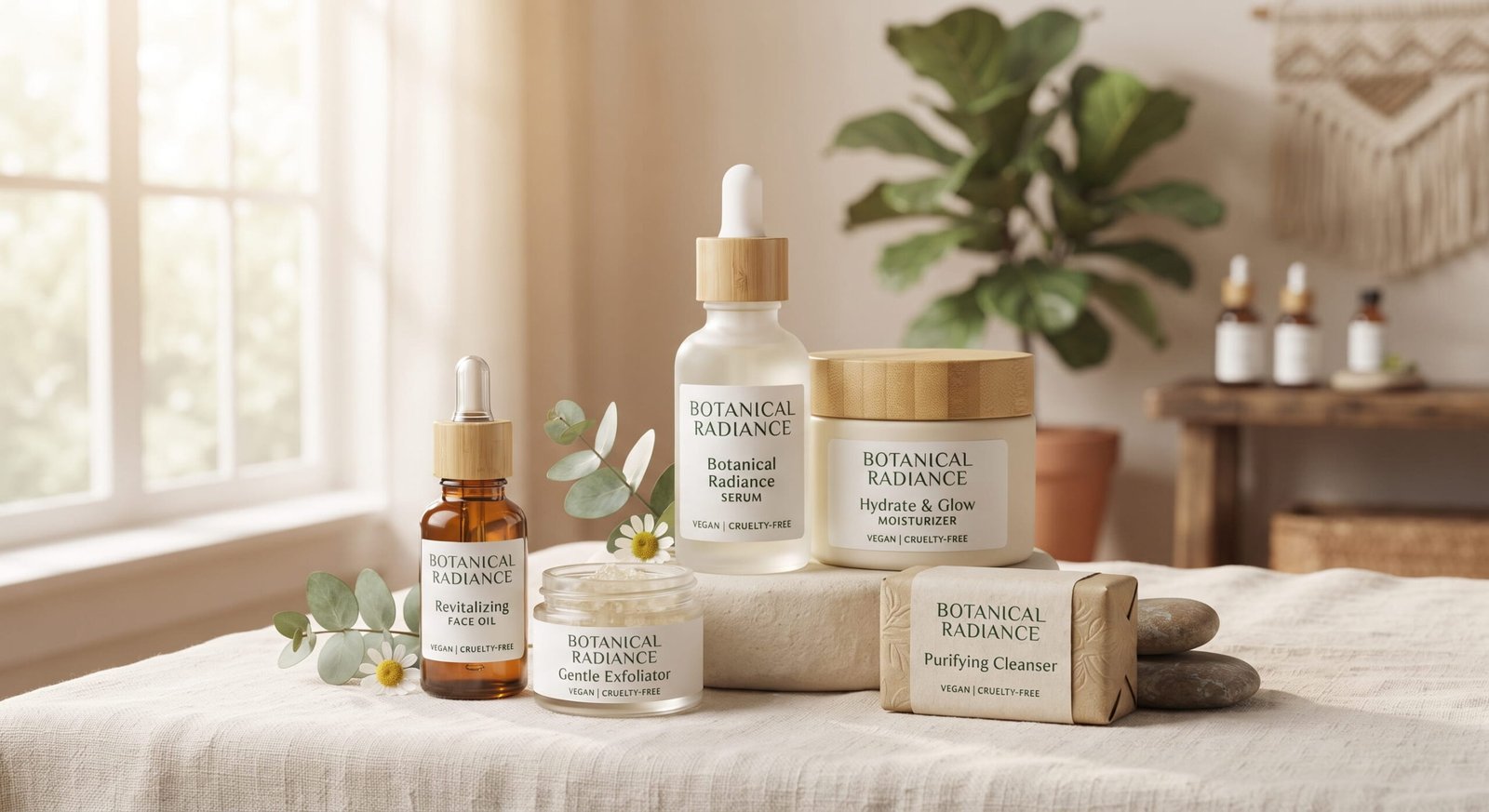
A vegan skin care line is a collection of skincare products formulated without ingredients derived from animals or animal by-products. As more consumers pay attention to ingredient sourcing, ethical production, and transparent beauty practices, vegan skincare has become an increasingly popular choice.
Vegan skincare can include cleansers, toners, serums, moisturizers, facial oils, masks, sunscreens, and other products. However, the word “vegan” describes the source of ingredients rather than automatically guaranteeing that a product is natural, organic, gentle, or cruelty-free. Dermatology literature also emphasizes that terms such as vegan, natural, clean, and cruelty-free can have different meanings and should not be treated as interchangeable.
The best vegan skin care line is not simply one with a vegan label. It should also offer well-formulated products that match your skin type and concerns.
What Is a Vegan Skin Care Line?
A vegan skin care line is a skincare collection made without animal-derived ingredients.
Traditional cosmetics may contain ingredients such as:
- Beeswax
- Honey
- Lanolin
- Collagen derived from animals
- Carmine
- Certain animal-derived proteins
- Other animal by-products
Vegan formulations use plant-derived, mineral, fermentation-derived, or synthetic alternatives instead.
It is important to understand that vegan does not automatically mean cruelty-free. A product may contain no animal-derived ingredients but still have a separate animal-testing policy. The FDA also notes that terms such as “cruelty-free” and “not tested on animals” do not have standardized legal definitions in the United States.
Vegan vs. Cruelty-Free Skincare
These two terms are often confused.
Vegan skincare refers primarily to the ingredients used in a formula.
Cruelty-free skincare generally refers to animal testing practices.
Therefore, a genuinely vegan and cruelty-free skin care line should satisfy both criteria.
When shopping, check the brand’s ingredient information and animal-testing policy rather than relying only on attractive packaging or marketing language.
Common Ingredients in Vegan Skincare
Vegan skincare can contain many effective ingredients that are also found in conventional skincare.
Hyaluronic Acid
Hyaluronic acid is widely used in moisturizers and serums because it helps support skin hydration. It can be particularly useful for dry or dehydrated skin.
Aloe Vera
Aloe is commonly included in lightweight moisturizers, gels, and soothing products. It can provide a refreshing feel and help support comfortable skin.
Niacinamide
Niacinamide is a popular skincare ingredient used in products designed for uneven tone, excess oil, and visible pores. It can be incorporated into vegan formulations without using animal-derived ingredients.
Plant Oils
Vegan products may use botanical oils such as jojoba, sunflower, rosehip, squalane from non-animal sources, or other plant-derived oils.
However, “plant-based” does not automatically mean every ingredient will suit every skin type.
Ceramides
Ceramides are important components of the skin barrier and are frequently used in moisturizers designed to support dry or sensitive skin. The American Academy of Dermatology also recommends barrier-supportive ingredients such as ceramides for dry or sensitive skin.
Vitamin C
Vitamin C is commonly used in brightening and antioxidant-focused skincare. Vegan formulations can use vitamin C derivatives or other compatible forms without animal-derived ingredients.
Benefits of Choosing a Vegan Skin Care Line
One major reason people choose vegan skincare is alignment with personal ethical preferences. Others appreciate brands that emphasize plant-based ingredients and transparent formulation practices.
Potential advantages include:
1. No Animal-Derived Ingredients
Vegan skincare allows consumers to avoid ingredients sourced from animals or animal by-products.
2. Wide Variety of Formulas
Vegan skincare is no longer limited to basic creams. Consumers can find vegan cleansers, retinoid products, exfoliants, moisturizers, sunscreens, masks, and serums.
3. Plant-Based Ingredient Options
Many vegan formulas use botanical ingredients that provide antioxidants, emollients, and other skincare-supporting properties.
Research on plant-based foods has identified compounds such as vitamin C, vitamin E, beta-carotene, and polyphenols as potentially relevant to skin health, although eating plant-based foods and applying plant-derived skincare are not the same thing.
4. More Ingredient Awareness
Choosing vegan products can encourage consumers to pay closer attention to ingredient lists, formulation quality, certifications, and brand transparency.
Is Vegan Skincare Better for Your Skin?
Not necessarily.
A vegan product can be excellent, average, irritating, or unsuitable depending on its formulation. The absence of animal-derived ingredients does not automatically make a skincare product more effective.
For example, a vegan exfoliating product containing strong acids could still irritate sensitive skin if overused.
Similarly, a non-vegan moisturizer may be highly effective for dry skin.
The most important factors are the ingredients, concentrations, formulation, skin type, and how the product is used.
Vegan Skincare for Different Skin Types
Vegan Skincare for Dry Skin
Dry skin generally benefits from products that help reduce moisture loss and support the skin barrier.
Look for:
- Ceramides
- Glycerin
- Hyaluronic acid
- Squalane
- Gentle cleansers
- Rich moisturizers
Avoid building a routine around excessive exfoliation, especially when the skin is already dry or irritated.
Vegan Skincare for Oily Skin
People with oily skin may prefer lightweight, non-comedogenic formulas.
Useful product categories include:
- Gel cleansers
- Lightweight moisturizers
- Niacinamide serums
- Water-based hydrators
- Appropriate chemical exfoliants
Using too many drying products can actually leave skin irritated and uncomfortable.
Vegan Skincare for Acne-Prone Skin
A vegan label does not determine whether a product will treat acne.
Instead, look at proven acne-focused ingredients such as salicylic acid, benzoyl peroxide, or retinoids where appropriate. Product selection should be based on the individual’s skin and acne severity.
If acne is persistent, painful, scarring, or widespread, professional dermatological evaluation may be more appropriate than continually changing skincare products.
Vegan Skincare for Sensitive Skin
Sensitive skin requires a more careful approach.
Choose products with:
- Simple formulations
- Gentle cleansers
- Moisturizers containing barrier-supportive ingredients
- Minimal unnecessary fragrance
- Fewer potentially irritating actives
Patch testing a new product can also be useful, particularly if you have a history of reactions.
How to Build a Vegan Skincare Routine
You do not need dozens of products to create an effective routine.
Morning Routine
A simple morning routine could include:
- Gentle cleanser
- Hydrating or treatment serum
- Moisturizer
- Broad-spectrum sunscreen
Sunscreen is particularly important when using exfoliating acids or other ingredients that may increase sensitivity to sunlight.
Evening Routine
A basic evening routine may include:
- Cleanser
- Treatment serum or targeted active
- Moisturizer
If you use an exfoliant or retinoid, introduce it gradually instead of adding several active ingredients simultaneously.
How to Choose the Best Vegan Skin Care Line
With hundreds of products available, choosing a brand can be confusing.
Check the Ingredient List
Do not choose a product simply because the front label says “vegan.” Look at the complete ingredient list and determine whether the formula addresses your actual skincare needs.
Look for Transparency
A reputable brand should provide clear information about its ingredients, product instructions, manufacturing standards, and claims.
Consider Your Skin Type
A vegan product designed for dry skin may feel too rich on oily skin. Likewise, an acne-focused product may be too irritating for someone with a compromised skin barrier.
Research Certifications
If vegan status is particularly important to you, look for credible third-party certification or detailed information explaining how the brand defines and verifies its vegan claim.
Don’t Confuse “Natural” With “Safe”
Natural ingredients can cause irritation or allergy, just as synthetic ingredients can. The source of an ingredient alone does not determine its safety. FDA guidance similarly explains that the source of a cosmetic ingredient does not automatically determine whether it is safer.
Vegan Skin Care Line for a Minimalist Routine
You can create an effective routine with only a few products.
A minimalist vegan routine might contain:
Cleanser: Removes dirt, oil, sunscreen, and makeup.
Moisturizer: Helps maintain hydration and support the skin barrier.
Treatment: Choose one targeted ingredient according to your concern.
Sunscreen: Helps protect skin from UV exposure.
This approach can be easier to maintain than using a large number of products.
Are Vegan Skin Care Products Good for Sensitive Skin?
Some vegan products can be excellent for sensitive skin, but vegan status alone does not guarantee gentleness.
Sensitive skin can react to fragrance, essential oils, preservatives, exfoliating acids, or other ingredients regardless of whether they are plant-derived or synthetic.
If your skin frequently burns, stings, becomes red, or develops a rash after using cosmetics, simplify your routine and consider speaking with a dermatologist.
Vegan Skincare and Clean Beauty
Vegan skincare and clean beauty are related marketing concepts, but they are not identical.
A vegan product does not necessarily meet a particular “clean beauty” standard, and “clean” products are not automatically vegan.
There is also no single universal definition that makes every marketing term on a cosmetic package equivalent. Dermatology literature recommends understanding these claims rather than assuming that terms such as vegan, natural, organic, clean, and cruelty-free mean the same thing.
Common Mistakes When Using Vegan Skincare
Using Too Many Products
Adding multiple serums, exfoliants, masks, and treatments at once can increase irritation.
Assuming Plant-Based Means Gentle
Some botanical ingredients can still trigger sensitivity or allergic reactions.
Ignoring Sunscreen
A good skincare routine should not overlook daily sun protection.
Changing Products Too Frequently
Give a new routine reasonable time unless irritation occurs.
Following Trends Instead of Skin Needs
The most popular vegan ingredient may not be the right ingredient for your skin.
Can Vegan Skincare Help With Anti-Aging?
Vegan skincare can contain many ingredients commonly used in anti-aging routines, including retinoids, vitamin C, peptides, niacinamide, moisturizers, and sunscreen.
However, the vegan status of a product does not make it inherently more effective against wrinkles.
For long-term skin health, consistent sun protection and a well-designed skincare routine are more important than whether a product is marketed as vegan.
Vegan Skincare and the Skin Barrier
The skin barrier helps retain moisture and protect the skin from external irritants.
When the barrier becomes compromised, people may experience dryness, roughness, redness, or increased sensitivity.
A barrier-friendly routine generally focuses on gentle cleansing, appropriate moisturization, and avoiding unnecessary over-exfoliation.
Ingredients such as ceramides, glycerin, and hyaluronic acid are commonly used in products designed for dry or sensitive skin.
Final Thoughts
A vegan skin care line can be an excellent choice for consumers who want to avoid animal-derived ingredients while maintaining a modern skincare routine. However, vegan does not automatically mean better, safer, natural, cruelty-free, or suitable for every skin type.
The best approach is to evaluate the complete formula, understand your skin’s needs, check the brand’s claims, and introduce new products gradually. Whether you have dry, oily, sensitive, acne-prone, or combination skin, an effective vegan routine can be built around the same fundamental principles: gentle cleansing, appropriate treatment, moisturization, and consistent sun protection.
FAQs About Vegan Skin Care Line
1. What is a vegan skin care line?
A vegan skin care line consists of products formulated without animal-derived ingredients or animal by-products.
2. Is vegan skincare the same as cruelty-free skincare?
No. Vegan refers to the ingredients, while cruelty-free generally refers to animal-testing practices. A product can be vegan without necessarily being cruelty-free.
3. Is vegan skincare better than regular skincare?
Not automatically. Effectiveness depends on the formula, ingredients, concentration, skin type, and correct use.
4. Is vegan skincare suitable for sensitive skin?
It can be, but vegan status does not guarantee that a product is gentle. Sensitive skin may still react to fragrance, essential oils, acids, or botanical ingredients.
5. Can vegan skincare help acne?
Some vegan products contain established acne-focused ingredients such as salicylic acid or retinoids. However, the vegan label itself does not treat acne.
6. Can vegan skincare help dry skin?
Yes. Vegan moisturizers may contain ingredients such as glycerin, hyaluronic acid, ceramides, and plant-derived emollients that support hydration.
7. Does vegan skincare contain natural ingredients?
It can, but vegan does not mean natural. Vegan formulas may contain plant-derived, mineral, fermentation-derived, or synthetic ingredients.
8. Is vegan skincare always organic?
No. Vegan and organic are separate concepts. A vegan product does not have to be made entirely from organically grown ingredients.
9. How do I know whether a skincare product is vegan?
Check the manufacturer’s ingredient information and vegan policy. When possible, look for credible third-party vegan certification.
10. What products should a vegan skincare routine include?
A simple routine can include a gentle cleanser, moisturizer, sunscreen, and one targeted treatment based on your individual skin concerns.