Anti-Inflammatory Diet: Better Health by Reducing Inflammation
Introduction
It is normal to experience inflammation when your body is protecting you from injury or infection. This type of inflammation is only temporary and helps to protect and heal. If inflammation persists, it can cause long-term damage to the body and lead to life-threatening conditions like heart disease, type 2 diabetes, arthritis, obesity, Alzheimer’s, and even cancer.
Lifestyle choices can lead to chronic inflammation. A modern diet full of processed foods, sugars, and an absence of nutrients coupled with unhealthy habits like stress, lack of sleep, and no physical activity can leave your immune system in a constant state of low-level inflammation.
An anti-inflammatory diet can be a positive change while also being a practical way to handle chronic inflammation. This type of diet focuses on the type of food you eat instead of restrictive eating. It encourages foods that heal the body like whole foods and foods that are packed with nutrients and antioxidants. This type of diet can improve the health of your immune system and gut and helps to reduce inflammation. Most importantly, it can help to promote a healthy lifestyle.
The anti-inflammatory diet aims to become an eating pattern for life whereas fad diets are intended to be of the short term. It encourages participants to eat a wide range of different foods including colorful vegetables and fruits, whole grains, healthy fats, lean proteins, herbs, and spices. The anti-inflammatory diet discourages processed foods and foods with added sugars. The anti-inflammatory diet, by its nature, supports the maintaining of a healthy weight, healthy digestion, and an improved sense of health.
Making anti-inflammatory diet choices can be one of a number of actions taken to promote health.
What Is an Anti-Inflammatory Diet?
Believers of the anti-inflammatory diet advocate the consumption of certain foods that are thought to work against inflammation and the avoidance of foods believed to cause inflammation. Diet is a flexible way of eating that encourages the consumption of fresh foods that are minimally processed.
The anti-inflammatory diet encourages eating the following foods:
- Vegetables and fruits
- Whole grains
- Legumes
- Nuts and seeds
- Fatty fish and fish oils
- Herbs, spices, and lean proteins
- Water
The anti-inflammatory diet encourages the avoidance of refined carbohydrates, processed meats, and fried highly processed snack foods.
encourages self healing.
Understanding Inflammation
The inflammation that many people are concerned about is not, in fact, always bad. The body has several mechanisms to protect itself and inflammation is one of those mechanisms.
For instance, after an injury, redness, warmth, and swelling may signal a cut finger as a tissue repair by the immune system.
When the cause is unclear, prolonged inflammation becomes a problem. Chronic inflammation negatively affects healthy tissue. Within a certain time frame, chronic inflammation can support the growth of chronic diseases.
Chronic inflammation can cause the following:
- Fatigue
- Joint Pain
- Muscle Pain
- Headaches
- Digestive Discomfort
- Brain Fog
- Skin Issues
- Weight Gain
- Sleep Issues
If you undergo any of the symptoms above, chronic inflammation may be the cause, and changing to an anti-inflammatory diet may help.
Factors Predisposing to Chronic Inflammation
Chronic Inflammation is the by-product of many lifestyle factors. Here are a few:
Chronic Stress
Production of Cortisol increases due to stress and can alter some immune functions over time.
Poor Sleep
Inflammation can occur by a lack of sleep (seven hours or more).
Smoking and Excess Alcohol
Both can cause cell damage and chronic inflammation.
What is the Mechanism behind an Anti-inflammatory Diet?
The anti-inflammatory diet helps the immune system by the coalescing of nutrients.
Some of the important mechanisms are:
- Antioxidants to fight free Radicals.
- Foods that are high in fiber to help Gut Health.
Includes omega-3 fatty acids that lower concentrations of inflammatory compounds.
- Maintains stable blood glucose levels.
- Contributes to healthy body weight.
- Promotes heart health.
Along with regular exercise and healthy living habits, these dietary changes improve overall health.
Anti-inflammatory Diet What Foods to Eat
Green Vegetables
Dark leafy greens include the most nutrient dense foods.
The dark leafy greens of the diet include:
- Spinach
- Kale
- Swiss chard
- Collard greens
- Arugula
These contain Vitamins A, C, K, folate, magnesium and antioxidants.
Colorful Vegetables
Colored vegetables include certain inflammatory fighting plant compounds called phytonutrients.
Vegetables to include are:
- Broccoli
- Cauliflower
- Bell peppers
- Carrots
- Tomatoes
- Beets
- Sweet potatoes
- Brussel Sprouts
Aim to eat different colors of veggies every day.
Fruits that are Antioxidants
Fruits contain many natural antioxidants that help protect against damage.
The fruits to include are:
- Blue berries
- Strawberries
- Raspberries
- Cherries
- Oranges
- Apples
- Pomegranate
- Grapes
- Kiwi
These contain immune supporting compounds and reduce oxidative stress.
Healthy Fats
Healthy fats are not harmful and help reduce inflammation. Foods to include are:
Extra virgin olive oil, avocados, almonds, walnuts, pistachios, chia seeds, flax seeds, and pumpkin seeds.
These contain omega-3’s, antioxidants, Vitamin E and monounsaturated fats.
Fatty Fish
Fatty fish are a great source of omega-3’s and should include the following in the diet:
- Salmon
- Sardines
- Mackerel
- Trout
- Herring
- Tuna
It is recommended to include fatty fish at least twice every week.
Whole Grains
Compared to refined grains, whole grains have a higher nutritional value and contain higher amounts of dietary fiber.
- Healthy Grains
- Brown rice
- Quinoa
- Oats
- Barley
- Whole wheat
- Bulgur
Healthy grains contain fiber. Fiber promotes digestion and good gut bacteria, which regulate inflammation.
Healthy Legumes
Legumes are also rich in plant protein. Beans and lentils are excellent choices due to their richness in fiber, iron, magnesium, and antioxidants.
- Lentils
- Chickpeas
- Black beans
- Kidney beans
- Pinto beans
Eating legumes regularly may improve heart health and may help with better blood sugar.
Healthy Herbs and Spices
Natural herbs and spices have compounds which are anti-inflammatory. Some of the healthiest herbs include:
- Turmeric
- Ginger
- Garlic
- Cinnamon
- Rosemary
- Oregano
- Basil
- Thyme
Turmeric and ginger contain anti-inflammatory compounds, curcumin and gingerol, respectively.
Healthy Beverages
Green Tea
Green tea is a good choice as it is rich in the anti-oxidative and anti-inflammatory polyphenol, EGCG. Switching to green tea from sugary drinks is a healthier choice.
Healthy Fermented Foods
Fermented foods are rich in probiotics and good for a healthy gut, which regulates inflammation.
- Yogurt
- Kefir
- Kimchi
- Sauerkraut
- Miso
These foods contain healthy balanced gut bacteria which support good health of the gut and immune systems.
What Not to Eat on an Anti-Inflammatory Diet
Your body needs good nutrition to heal, and to be healthy you need to stop eating bad food as well. A lot of processed food has high sugar levels, bad fats, bad carbs, and lots of artificial food additives; all of which lead to chronic inflammation.
1. Sugary Foods and Drinks
High levels of sugar in your diet causes inflammation and insulin resistance.
Try to have as few soft drinks, energy drinks, sugar filled coffees, candy, cakes, cookies, ice cream, and sugary breakfast cereals as possible.
A better choice are fresh fruits, infused water, or unsweetened herbal tea.
2. Refined Carbs
Because refined grains have been stripped of fiber and nutrients, processed foods are not as healthy as whole grains.
Some examples of refined carbs are white bread, white rice, regular pasta, pastries, and crackers made of refined flour.
3. Processed Meats
Bad fats and sodium levels are high in processed meats.
Some examples of bad meats are sausages, hot dogs, bacon, salami, ham, and all deli meats.
A healthy substitute choice would be easy to prepare beans and lentils.
4. Deep Fried Foods
Bad fats and deep fried foods are a bad combination. Eating too much of these foods will become a cause for inflammation.
Some examples are fried foods in general, french fries, and potato chips.
Cooking foods by baking, grilling, steaming, or roasting will prevent bad fats.
5. Processed Snacks
Packaged snacks have a lot of bad oils, sugars, preservatives, and a lot of sodium.
Processed snacks include but are not limited to chips, instant noodles, packaged cookies, popcorn with artificial butter, and sweet snack bars.
6. Excess Alcohol
Many negative health impacts are caused by too much alcohol including inflammation.
If you choose to drink, do so in moderation.
Benefits of an Anti-Inflammatory Diet
Heart Health
Heart disease represents one of the top killer diseases in the world. Anti-inflammatory diets improve cardiovascular health and cholesterol and blood pressure levels and decrease the inflammation of blood vessels.
Barrier and circulatory protective foods include olive oil, fatty fish, oats, nuts and leafy greens.
Weight Control
Whole foods have more fiber, protein and healthy fats vs highly processed foods.
The combination of:
- Cravings
- Appetite
- Bodily Energy
- Metabolism
- Speed and health
Supports weight control. Weight control reduces the inflammation of excess body fat.
Blood Glucose Control
Sharp increases of blood glucose after the consumption of foods can be caused by a lack of fiber.
Including legumes and whole grains with healthy fats and veggies can decrease the risk of type 2 diabetes and improve insulin resistance.
Brain Health
Memory and cognitive loss are linked to inflammation. Anti-inflammatory diets can help retain brain function and aging by including the nutrients of:
- Salmon
- Walnuts
- Blueberries
- Olive oil and leafy greens.
- Healthy Digestion
Healthy and balanced gut microbiomes can be achieved and maintained by the nourishment of gut flora using fiber and providing a probiotic environment via fermented foods.
Bodily improvements are:
- Improved nutrient absorption and immunity
- Reduced bloating
- Regular bowel movements
- All resulting from better digestion.
- Stronger Immune System
A collection of anti-inflammatory diets can assist the immune system by providing a collection of:
- Vitamin C
- Vitamin E
- Zinc
- Selenium
Omega 3 fatty acids from a multitude of foods.
May Reduce Joint Pain
People with inflammatory joint conditions report fewer symptoms when following an anti-inflammatory eating pattern. Including omega-3 fatty acids and antioxidants may decrease joint stiffness and may increase the range of joint mobility.
Supports Healthy Skin
Inflammation in the body may spread to the skin and contribute to acne, eczema, and rosacea, in addition to premature aging of the skin. Increasing antioxidant-rich foods and drinking adequate water may foster healthier skin.
Anti-Inflammatory Diet for Weight Loss
The anti-inflammatory diet is not a weight-loss diet; however, many individuals lose weight on this diet. The diet emphasizes the following food groups:
- vegetables,
- fruits,
- lean proteins,
- healthy fats, and
- whole grains.
These food groups promote satiety and have a high nutrient density, which can facilitate a calorie deficit without causing an individual to feel deprived. The diet is designed to foster weight loss and reduce inflammation, which together create a healthy positive feedback cycle.
Anti-Inflammatory Diet and Chronic Disease Prevention
Anti-inflammatory diets have been shown to reduce the risk of chronic conditions. Some of the conditions include:
- heart disease,
- stroke,
- type 2 diabetes,
- hypertension,
- certain cancers,
- Alzheimer’s disease,
- metabolic syndrome, and
- fatty liver disease.
There is no diet that can completely prevent chronic conditions, but eating healthy food consistently can reduce the risk of developing chronic conditions the most.
One-Day Anti-Inflammatory Meal Plan
Breakfast:
Greek yogurt with blueberries, strawberries, walnuts, and chia seeds.
- Green tea.
- Mid-Morning Snack:
- Apple with almond butter.
Lunch:
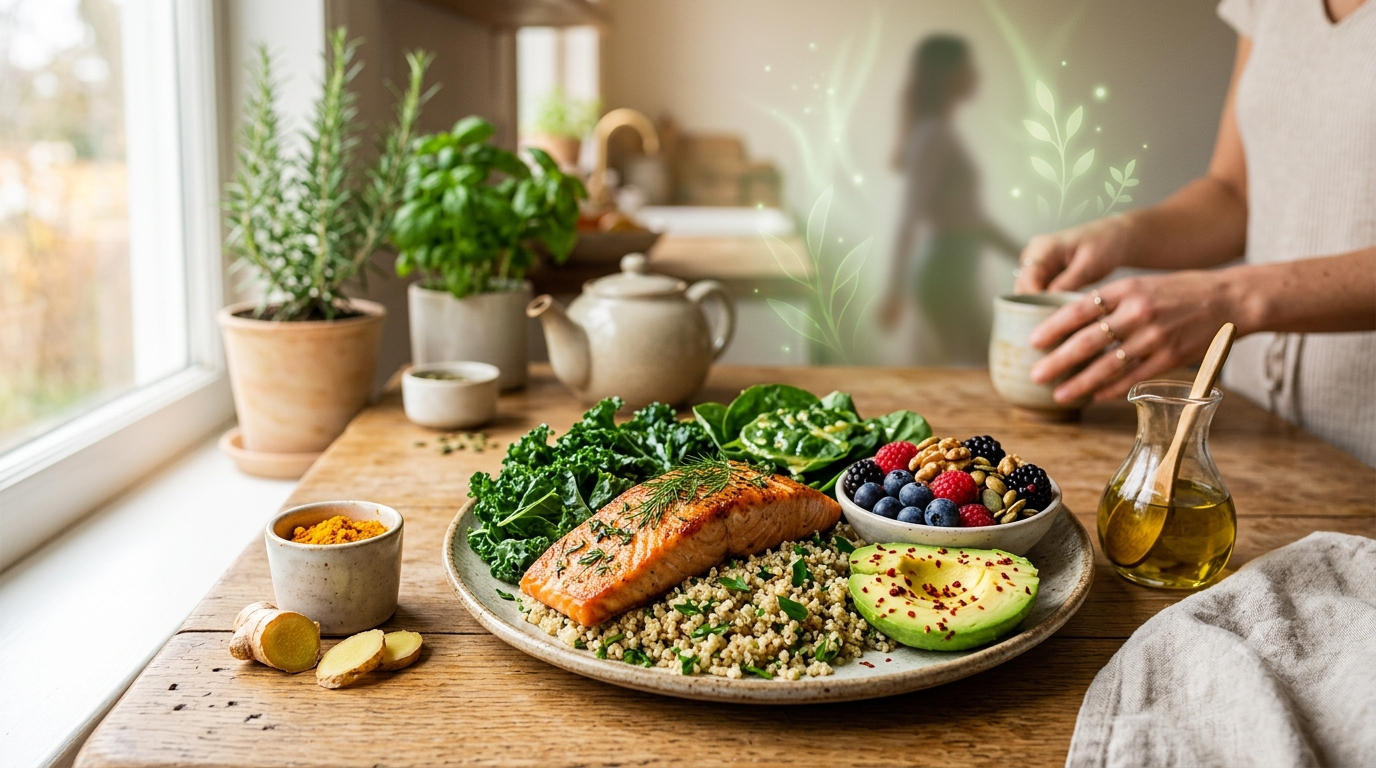
Grilled salmon with quinoa and large mixed green salad drizzled with olive oil and lemon juice.
- Afternoon Snack:
- Cut veggies with hummus.
Dinner:
Grilled chicken breast with roasted broccoli and sweet potatoes as well as steamed spinach.
- Evening Snack
- Fresh berries or unsalted almonds.
Lifestyle Habits That Help Reduce Inflammation
Healthy eating works best with other good lifestyle habits.
You should:
- Exercise at least 150 minutes each week.
- Sleep 7-9 hours each night.
- Drink enough water each day.
- Manage stress with meditation, deep breathing, or yoga.
- Avoid smoking.
- Maintain healthy body weight.
In combination with each other, these habits help reduce inflammation even further.
Conclusion
Anti-inflammatory diets don’t just focus on the food—it’s a change in lifestyle for long-term health. It benefits users with whole foods that are processed the least. Anti-inflammatory diets pose the least threat with fruits and vegetables, legumes, whole grains, fatty fish, nuts, seeds, and extra virgin olive oil (EVOO). Anti-inflammatory diets help chronic inflammation and reduce illness.
Adding workouts and anti-inflammatory diets with sleep and hydration also help manage your weight and improve your inflammation. The key is not making a perfect diet, but an effective one. This diet is sustainable with small incremental changes. It can improve inflammation, and chronic illness, and is an easy change in lifestyle.
Making the correct food choices at the appropriate times positively impacts your future. It improves health one meal at a time.