Mediterranean Diet: Weight Loss and Long-Term Wellness

What Is the Mediterranean Diet?
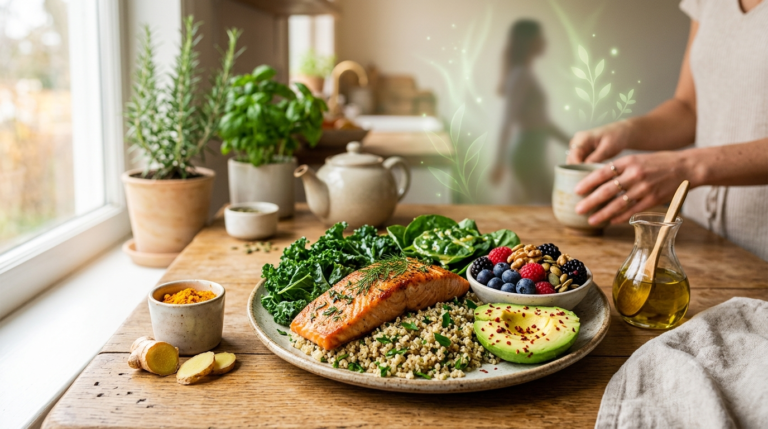
The Mediterranean diet focuses on health-promoting foods based on the dietary customs of Greece, southern Italy, Spain, and southern France. The Mediterranean diet encourages constituents of traditional Mediterranean foods and healthcare habits, but excludes processed foods, sugar, and red meat. Some of the constituents include:
- Vegetables
- Fruits
- Whole grains
- Legumes
- Nuts
- Seeds
- Olive oil (as primary fat)
- Fish
- Seafood
- Herbs
- Spices
- Dairy
- Poultry
- Eggs
Mindful eating also includes:
- Self-prepared meals (home-cooked)
- Shared meal (eaten in the company of others)
- Meal consumption (presence and participation of physically active individuals)
Mindful eating
This diet and lifestyle approach is sustainable and easy to adopt on a long-term basis.
The History Behind the Mediterranean Diet
Mediterranean diet customs began to be noticed and recorded in the late 1950s, when the customs began to spread to other countries, after noticing that the peoples of these countries had lower heart disease rates and therefore consumed lower dietary fats.
Ancel Keys, a nutrition scientist, used the Mediterranean diet as the subject of his Seven Countries dietary study, to demonstrate that the peoples of countries that consumed Mediterranean diets of vegetables, olive oil, legumes, and fish had a better heart health than the peoples of the countries that had the highest saturated fats and processed food diets.
The decades of new research studying the effects of the Mediterranean diet on health keeps them at the forefront of modern healthcare studies, placing the Mediterranean diet among the most studied diets in the world.
In the modern healthcare system, the Mediterranean diet is framed as a new normal for patients as a health style approach to eating rather than as a restrictive diet.
What is the Mediterranean Diet?
The Mediterranean diet centers quality foods over food restrictions.
The key elements are:
Plant-Based Foods
The focus of the Mediterranean diet is of course the plants – vegetables, fruits, legumes, whole grains, and nuts. All are encouraged to make up the majority of daily meals, and rightly so as the plants are a great source of powerful nutrients and antioxidants.
Healthy Fats
In the Mediterranean diet, olive oil serves in the place of butter or margarine, and along with other healthy fats is inflammation reducing and brain function enhancing.
Regular Fish
Fatty fish such as salmon, sardines, tuna, mackerel, and trout are encouraged to be eaten at least twice every week.
Moderate Dairy
There is an emphasis on including yogurt and cheese, especially, in small amounts.
Yogurt
Greek yogurt is a favorite especially in the Mediterranean diet because of its: Protein Calcium Probiotics
Processed Foods
Highly processed foods and fast food are to be avoided in the diet. Making the swap of the highly processed foods for whole, fresh foods also makes a much more flavorful and health promoting change to eating.
- The Mediterranean Diet – Food
- Everyday Foods
- Vegetables
The Mediterranean Diet includes many types and colors of vegetables. Some include:
- spinach, broccoli, tomatoes, cucumbers, bell peppers, eggplant, zucchini, carrots, kale, cauliflower
- Fruits
- Fruit makes excellent dessert and snack options.
Some fruits include:
- apples, oranges, berries, grapes, figs, pomegranates, pears, peaches, melons
Whole Grains
how ever Whole and less-processed grains like the following are preferred
- brown rice, oats, whole wheat bread, barley, quinoa, bulgur, whole wheat pasta
Healthy Proteins
the Healthy protein options are:
- lentils, chickpeas, beans, salmon, tuna, sardines, eggs, skinless chicken, turkey
Healthy Fats
This diet prefers healthy fats like:
- extra virgin olive oil, almonds, walnuts, pistachios, sunflower seeds, pumpkin seeds, avocados
although Foods to Enjoy Occasionally
These foods are also perfectly healthy, but should be eaten in moderation.
Cheese, yogurt, eggs, poultry
These can be eaten in small portions several times per week.
Foods to Avoid
Although the Mediterranean Diet doesn’t have a strict no-food policy, thus it does recommend avoiding:
- soda, candy, pastries, white bread, processed meats, bacon, sausages, fast food, deep fried foods, chips, butter, highly processed snacks
- Eliminating these foods will help decrease daily saturated fat, added sugar, and sodium intake.
Why Olive Oil is the Foundation of the Mediterranean Diet
Extra virgin olive oil is much more than just cooking oil. It is the foundation of the Mediterranean Diet.
It contains a variety of healthy compounds, including:
- Monounsaturated fats
- Vitamin E
- Polyphenols
- Powerful antioxidants
- It has been suggested that olive oil
- Helps lower LDL (“bad”) cholesterol
- Helps raise HDL (“good”) cholesterol
- Helps reduce inflammation
- Helps improve the function of blood vessels
- Helps improve heart health
For the best heart health, use extra virgin olive oil, not the refined type.
Top Health Benefits of the Mediterranean Diet
1. Heart Health
There are many reasons the Mediterranean diet is highly rated.Also Heart disease is still one of the leading causes of death worldwide and this diet can help maintain heart health.
- Research suggests that this diet can
- Lower blood pressure
- Lower bad cholesterol
- Increase circulation
- Lower inflammation
- Lower the risk of heart attacks and strokes
Healthy fats and fiber, combined with the antioxidant fruits and vegetables, are believed to be the cause of these benefits.
The Mediterranean Diet and Weight Loss
One of the most sustainable and effective methods for healthy eating and weight loss is the Mediterranean diet. Unlike restrictive eating plans that eliminate food groups or have you constantly counting calories, this diet promotes balanced meals with nutrient-dense, meanwhile whole foods. This promotes healthy habits that are more easily continued, making long-term weight management more successful.
How the Mediterranean Diet Aids Weight Loss
Meanwhile the Mediterranean Diet was not created to aid in weight loss, people do lose weight on it. Weight loss on the Mediterranean diet occurs due to the natural elimination of ultra-processed foods, added sugars, and refined carbs, as well as an increase in foods that foster fullness and provide energy.
The Mediterranean Diet Helps With Weight Loss
1. High Fiber Vegetables
This diet also encourages the consumption of high-fiber foods such as beans, lentils, and whole grains. They slow digestion and help retain fullness for longer, thus discouraging snacking.
2. Healthy Fats
This diet also includes moderate amounts of extra virgin olive oil, nuts, and seeds. This heart-healthy fat also improves the satisfaction of this diet, and along with the healthy balance, reduces cravings.
3. Lean Protein Helps Preserve Muscle
Specially Eating protein helps maintain muscle mass during weight loss. Greek yogurt, fish, and legumes are also protein sources that also help you feel full.
4. Fewer Processed Foods
The Mediterranean Diet replaces processed foods with whole foods, reducing added sugars, unhealthy fats, and superfluous calories.
5. Encourages Mindful Eating
A Mediterranean lifestyle involves slow eating and relishfully savoring meals, and paying close attention to hunger and fullness cues. Such behaviors help manage portions and prevent overeating.
Tips for Losing Weight on the Mediterranean Diet
- Fill half of your plate with vegetables that are not starchy.
- Select whole grains and pass on refined grains.
- Have at least two meals of fish within the week.
- Practice moderation with extra virgin olive oil.
- Make lentils and beans a regular part of your diet.
Fresh fruits and unroasted nuts are acceptable snacks, while retaining moderation and reserve of processed snacks.
but Soda and other drinks with excessive sugar are to be avoided, with the exception of water.
You can Choose fun exercises and make them a part of your routine. Walking and strength exercises are good examples.
Aim to get good sleep. Good sleep helps curb extra hunger and cravings.
Sample Weight Loss Day
Breakfast: Greek yogurt with berries and chia seeds, walnuts.
Snack: An apple and some almond butter.
Lunch: Grilled chicken with salad mixed with olive oil and some lemon juice and a little bit of quinoa.
Snack: Carrot and cucumber slices with some hummus.
Dinner: Brown rice with roasted veggies and baked salmon.
Dessert: Some fruit!
Diabetes Management with the Mediterranean Diet
The Mediterranean diet is one of the best eating patterns available for pre-diabetics and those who suffer from type 2 diabetes. This diet does not center around strict limitations on the types of foods that can be consumed. Instead, it focuses on incorporating wholesome and nutrient-dense foods to balance meals that can stabilize blood sugar and enhance metabolic health.
It is noted that the Mediterranean diet can help improve the control of blood glucose, reduce insulin resistance, and lower the occurrence of health complications associated with diabetes. This is why so many health care providers suggest it to their patients as part of a comprehensive diabetes management plan that also includes physical exercise, proper sleep, and the use of medication when necessary.
How the Mediterranean Diet Helps Manage Diabetes
1. Better Control of Blood Sugar
The Mediterranean diet is full of fibrous foods and is naturally full of vegetables and fruits. Because of the high fiber consumption, fast digestion and the absorption of the carbohydrates is prevented, and the spike in blood glucose after meals is not an issue.
The foods mentioned, along with lentils, chickpeas, oats, and quinoa, are not only beneficial to blood glucose control, but also provide a slower and more steady source of energy.
2. Improved Sensitivity to Insulin
Type 2 diabetes is largely characterized by insulin resistance. Incorporating healthy fats in the diet, particularly from foods like extra virgin olive oil, nuts and seeds, and fatty fish, may help improve the response of the insulin to the glucose in the blood, and allow a faster transport of blood glucose to the body cells.
Better insulin sensitivity will translate to improved levels of blood sugar.
3. Helps with Weight Loss
Insulin resistance is often linked specially with excess weight. The Mediterranean diet focuses on wholesome food and encourages a slow, steady weight loss, as portions of processed, less nutrient-dense food, are minimized.
Even small weight loss can also help control blood glucose and may lower the need for some diabetes medications on the other hand.
4. Helps with Weight Loss
The Mediterranean diet is rich in antioxidants and has anti-inflammatory food, such as:
- Extra virgin olive oil
- Berries
- Tomatoes
- Green leafy vegetables
- Nuts
- Fatty fish
- Herbs and spices
5. Helps with Heart Health
Diabetes has a higher incidence of heart disease. The Mediterranean diet helps heart health by:
- Also Lowering LDL “bad” cholesterol
- Also Higher HDL “good” cholesterol
- Also Lowering blood pressure
- Also Improving blood vessels
- Also Lowering triglycerides
Caring for heart health is also an important part of managing diabetes in the long term.
Eat More
Vegetables
Leafy greens such as spinach and cruciferous vegetables like cauliflower and broccoli are great options. Bell peppers, tomatoes, and cucumbers make great additions as well.
Whole Grains
Whole oats, brown rice, quinoa, barley and whole wheat breads are great to add to your diet.
Lean Proteins
Lentils, chickpeas, and black beans offer great vegetarian options as do fish, skinless poultry, and eggs.
Healthy Fats
Using extra virgin olive oil, nuts, and avocados are great ways to incorporate healthy fats into your diet.
Low Glycemic Fruit
Berries, apples, pears, peaches, and oranges are great fruits to eat as they are low in glycemic index.
Eat Less
Some foods should be limited to give yourself a better chance at normalizing blood sugars.
These are:
Sugary and refined foods, snacks, sweets, fried and processed foods.
Sample Meal Plan
Breakfast: Greek yogurt with blueberries, chia seeds, and chopped walnuts.
Lunch: Salmon with quinoa and green salad with olive oil and lemon.
Snack: Hummus with cucumbers and carrots.
Dinner: Chicken with Roasted Veggies and Broccoli.
Dessert: Berries.
Tips for Success
- Fill your plate half full with vegetables (not starchy).
- Choose whole grains over refined ones.
- Add a source of lean protein to every meal.
- Replace butter with olive oil.
- (Especially) watch serving sizes (for fruit, grains, and nuts).
- Choose water over sugar sweetened beverages.
- Regular movement (exercise) in addition to healthy eating is beneficial.