Diet Balancer – A Guide to a Balanced and Healthy Diet

Introduction
Healthy eating is essential to overall health. Our food provides our bodies with the energy and nutrients they need to perform daily tasks, repair tissue, maintain immunity and carry out normal body functions. Maintaining a healthy diet doesn’t mean only eating salads, or completely avoiding carbs and fats. It is better to create a balanced diet that includes nutritious foods in appropriate portions.
A Diet Balancer can be used to organize daily meals in a way that ensures the body gets an adequate combination of nutrients, including vitamins, minerals and healthy fats. This can be particularly useful for those who wish to improve their eating habits or manage their weight. It may also help them increase their energy levels, or develop a healthier lifestyle.
This guide will help you understand what a diet balancer is, the importance of a healthy diet, which foods to include, how to balance your meals, the common mistakes to avoid and how diet balancing supports weight management.
What is a diet balancer?
Diet balancers can be a method of nutrition, a meal-planning technique, or a digital tool that helps people to create balanced meals.
It is important to avoid a diet that is too focused on one group of food while lacking in another. A meal consisting only of bread and tea, for example, may contain carbohydrates, but little in the way of protein, fiber or micronutrients. Additions such as eggs, fruits, vegetables or yogurt will make a meal nutritionally more complete.
A balanced diet includes:
- Protein
- Healthy carbohydrates
- Healthy fats
- Vegetables
- Fruits
- Fiber
- Vitamins and minerals
- Adequate fluids
Individuals have different nutritional needs. Dietary requirements can be affected by age, gender, size, activity level, lifestyle and health conditions.
Why is a balanced diet important?
To function correctly, the body needs a variety of nutrients. Variety is key to a healthy diet because no single food can provide everything your body requires.
A balanced diet can help support:
- Normal energy levels
- Healthy Body Weight
- Muscle maintenance
- Normal digestion
- Immune function
- Bone health
- Heart health
- Healthy hair and skin
- Well-being in terms of both physical and mental health
Eating foods rich in nutrients can also make meals more filling and reduce the need for highly processed food.
A Balanced Diet Must Include Protein
The role of protein in the maintenance and repair of body tissues is crucial. It’s also found in hormones, muscle, skin and other tissues.
Common protein-rich foods include:
- Eggs
- Chicken
- Fish
- Lean meat
- Milk
- Yogurt
- Cottage cheese
- Lentils
- Chickpeas
- Beans
- Peanuts
- Almonds
- Seeds
Vegetarians can get their protein from legumes and dairy products as well as eggs, nuts, seeds, soybeans, and other plant sources.
Include a source of protein with your meals to improve satisfaction and maintain muscle mass.
Carbohydrates in a balanced diet
Carbohydrates provide a significant source of energy. Not all carbohydrates are created equal.
You can make better choices by:
- Whole-wheat Roti
- Oats
- Brown rice
- Barley
- Whole grain bread
- Potatoes
- Sweet potatoes
- Beans
- Lentils
- Fruits
- Vegetables
It is best to consume less highly refined foods, and foods with large amounts of added sugar.
Most healthy people do not need to eliminate all carbohydrates. Focus on the quality of food, the portion size and the overall balance in the meal.
Healthy Fats
Dietary fats are essential nutrients. It is essential for cell structure and helps the body absorb vitamins.
Healthy fats can be found in:
- Olive oil
- Nuts
- Seeds
- Avocado
- Peanuts
- Fatty fish
Foods containing excess saturated or trans fats must be restricted.
Even if the fat is nutritious, it should be consumed in reasonable quantities.
Fruits and Vegetables
Fruits and vegetables are essential components of a healthy eating plan. They are rich in fiber, vitamins, minerals and many plant compounds.
Include different colors and types of vegetables.
- Spinach
- Carrots
- Tomatoes
- Broccoli
- Cauliflower
- Cucumber
- Cabbage
- Bell peppers
- Green beans
Fruits include oranges, bananas, guava papaya berries, watermelon pears and seasonal fruits.
Whole fruit is a healthier choice for everyday than fruit juice, as it contains more fiber and tends to be filling.
The Importance Of Fiber
A healthy diet is important for fiber. Fiber is found naturally in plant foods. It supports a normal digestive system.
Some good sources are:
- Vegetables
- Fruits
- Whole grains
- Beans
- Lentils
- Chickpeas
- Nuts
- Seeds
Increase fiber slowly while drinking enough fluids to support a comfortable digestion.
How to build a balanced plate
Divide the plate into food groups to help balance your meal.
The following can be found on a practical plate:
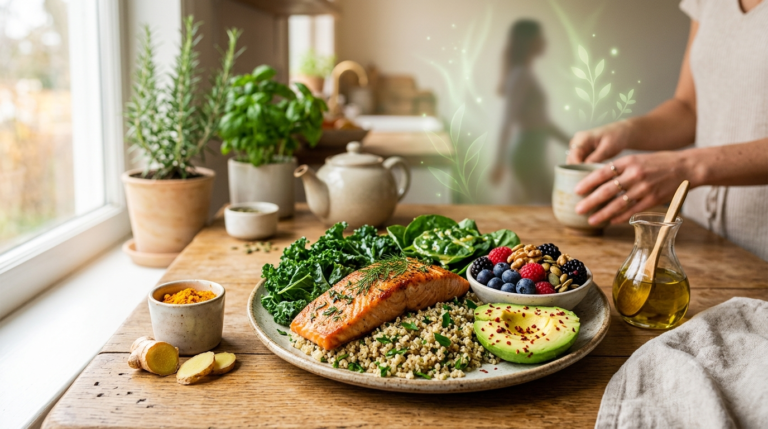
Half: salad and vegetables One quarter: food rich in protein
A quarter: whole grain or other nutritious carbohydrate
Add a healthy fat to the mix and choose a beverage.
Lunch could consist of grilled chicken with vegetables, a salad, moderate amount of rice and plain yogurt.
Healthy eating can include traditional foods. When prepared correctly and consumed in the right portions, Pakistani food such as lentils, chana beans, vegetables roti rice, yogurt eggs, fish and seasonal fruits provide excellent nutrition.
Diet Balancer for Weight Management
People search for diet balancers to help them lose weight. A balanced diet may help with weight management but it does not cause fat loss.
Weight management strategies can include:
- Controlling portion size
- Eat more vegetables
- Including adequate protein
- Choosing high-fiber foods
- Sugary drinks should be limited
- Reducing frequent deep-fried foods
- Slowly eating
- Keep physically active
- Sleeping enough is important
- Consistency is key
It is not necessary to eliminate all rice, roti or potatoes from your diet. It is more important to consider your overall dietary intake, and the portion sizes you consume than to avoid a specific food.
Sample One-Day Balanced Meal Plan
Breakfast
- Two eggs
- One serving of whole-wheat Roti or oatmeal
- Fruits – One piece
- Tea or milk without sugar
Snack for Mid-Morning
- One fruit
- Nuts in a small handful
Lunch
- Grilled fish, chicken, lentils or beans
- Two small rotis made from whole wheat or a modest serving of rice
- Mixed vegetables
- Fresh salad
- Plain yogurt
Evening Snack
- Fruit or yogurt
- Nuts or seeds in small quantities
Dinner
- You can eat chicken, fish, lentils or beans
- Cooked vegetables
- Salad
- Roti or other whole grain carbohydrate is a good choice for a moderate portion.
You can drink water throughout the day, depending on your individual needs.
This is not a medical diet plan, but a generalized example.
Common Diet Balancing Mistakes
Even those who try to eat healthily can make mistakes.
Avoiding all carbohydrates
Carbohydrates are a good source of energy and they can be incorporated into a healthy diet. Focus should be placed on nutrient-dense sources and portion sizes.
Eat Too Many “Healthy Foods”
Even healthy foods can provide significant calories. Avocados, nuts, seeds, oils and avocados are all nutritious, but they should not be consumed in excess.
Ignoring Protein
It is possible that meals that are primarily carbohydrates do not contain enough protein. Additions such as eggs, yogurts, lentils, beans, fish or lean meats can help improve the balance of a meal.
Too Much Sugar in Drinks
Soft drinks, juices sweetened with sugar, and other sugary drinks can contain a lot of calories. In general, water is a healthier choice for everyday consumption.
You Can’t Rely Too Much on Supplements
In certain circumstances, supplements can be helpful. However, they shouldn’t replace a varied and healthy diet. Healthy eating should be based on foods that are rich in nutrients.
Following Extreme Diets
Extremely restrictive diets can be hard to maintain, and they may reduce the variety of foods. For long-term health, sustainable eating habits are more beneficial.
Dietary Balancer and Hydration
Water is a vital part of any diet. Water is used by the body for many functions, including temperature regulation, digestion and circulation.
Fluid requirements can vary depending on climate, physical activity and age.
People who live in hot climates and exercise heavily may require more fluids than those who are mostly sedentary or in a cooler climate.
Can a Diet Balancing Product be used by everyone?
Although the basic principles of balanced nutrition can be helpful for many peoples, nutritional needs are different for each person.
Certain medical conditions such as food allergies, kidney problems, gastrointestinal disorders, diabetes or other health concerns can require specific dietary changes.
Those with nutritional deficiencies, such as athletes, pregnant women, nursing mothers, children and older adults, may have specific requirements.
If you have a medical condition, it is important to discuss major dietary changes. This should be done with a registered dietitian or qualified healthcare professional.
Tips to Maintain a Balanced diet
It is not difficult to create a healthy diet. It can be made easier by adopting the following habits:
- Plan meals in advance.
- Healthy foods should be available in your home.
- Include vegetables in main meals.
- Instead of juice, choose whole fruits.
- Include protein in your meals.
- Whole grains are better for you.
- Limit foods that are highly processed.
- Reduce the amount of sugar added.
- Regularly drink water.
- Attention to the portion size
- Slow down and eat mindfully.
- Regular physical activity is important.
Consistently small improvements can last longer than drastic changes.
Frequently Asked questions(FAQs)
1.What is a Diet Balancer?
Diet balancers are a guide or method that help organize meals to include a combination of healthy fats, protein, carbohydrates and fiber. They also contain vitamins, minerals and fluids.
2.Can a balanced diet help you lose weight?
Balanced eating, when combined with physical activity and healthy lifestyle habits, can help you lose weight.
3.Can I lose weight by stopping rice consumption?
No. A balanced diet can include rice. The size of the portion and the composition of the entire meal are both important.
4.Are carbohydrates harmful to health?
No. Carbohydrates are a good source of energy. Whole grains, beans, fruits and vegetables, as well as legumes are more nutritious than highly processed carbohydrate food.
5.What foods are high in protein?
Protein-rich foods include eggs, fish, poultry, lean beef, milk, yogurts, lentils and chickpeas.
6.Can Pakistani food form part of a healthy diet?
Yes. A balanced diet can include traditional foods like dal, vegetables, chana and rice, as well as yogurt, eggs, seasonal fruits, roti and chana.
7.Fruit is good for weight loss?
Whole fruits are a great addition to a healthy diet. They are rich in fiber and essential nutrients. The amount needed to satisfy an individual’s dietary needs can vary.
8. Should I be taking a multivitamin supplement?
Not everyone requires a multivitamin. In some cases, supplements may be prescribed. However, they shouldn’t replace a healthy diet.
9.How do I balance my diet?
Start with the next meal. Include a source of protein, vegetables or fruits, a nutritious carbohydrate and a small amount of healthy fat. You can gradually improve the quality of your meals.
10.What is the simplest rule to balance a plate?
Simple solutions include making vegetables the main part of your plate, adding a source of protein, including an appropriate amount carbohydrate, and using healthy fats in moderate amounts.
Conclusion:
A balancer is a practical and simple way to approach healthy eating. In lieu of extreme diets, or removing certain food groups completely, the goal should be to create meals that contain a variety of nutritious foods in appropriate portion sizes.
A balanced diet can include vegetables, fruits and fiber as well as protein, whole grain carbohydrates, healthy fats. Healthy eating can be made more affordable, familiar and sustainable by including traditional foods.
Consistency is more important than perfection for weight loss and overall wellness. Focus on creating long-term eating habits by making small changes and improving your meals gradually.
Before making any major changes to your diet, consult a registered dietitian or a healthcare professional if you have a medical condition or nutritional deficiency.