Lip Filler: Benefits, Procedure, Cost, Risks, and Aftercare
Introduction
Lip filler is a popular cosmetic treatment used to enhance lip volume, improve symmetry, define the lip border, and create a more balanced appearance. Modern lip enhancement does not always mean dramatically larger lips. Many people choose a subtle amount of filler to restore lost volume, improve lip shape, or create better facial proportions.
Most modern lip fillers are made with hyaluronic acid (HA), a naturally occurring substance that helps attract and retain water in the skin. When injected carefully by a qualified medical professional, HA filler can provide temporary enhancement and can generally be adjusted or reversed with an appropriate enzyme if necessary.
However, lip filler is still a medical procedure. Swelling, bruising, tenderness, lumps, and asymmetry can occur, while rare complications such as vascular occlusion can be serious. Understanding the procedure, realistic results, risks, and aftercare is essential before treatment.
What Is Lip Filler?
Lip filler is an injectable dermal filler placed into specific areas of the lips to alter their shape, volume, or definition.
It may be used to:
- Add subtle lip volume
- Improve lip symmetry
- Define the vermilion border
- Enhance the Cupid’s bow
- Improve lip hydration and softness
- Restore age-related volume loss
- Improve proportions between the upper and lower lips
- Correct certain cosmetic irregularities
The goal can range from an extremely subtle enhancement to a more noticeable change.
A good treatment plan should be based on the individual’s natural lip anatomy rather than applying the same amount of filler to everyone.
What Is Lip Filler Made Of?
The most common modern lip fillers are hyaluronic acid-based dermal fillers.
Hyaluronic acid is a gel-like substance that can hold water and provide volume when injected into tissue.
Different fillers have different characteristics, including:
- Thickness
- Elasticity
- Water attraction
- Longevity
- Degree of flexibility
For lips, practitioners often prefer products designed specifically for the delicate and mobile lip area.
Why Do People Get Lip Filler?
People choose lip filler for different reasons.
1. Adding Volume
Some people naturally have thin lips and want greater fullness.
2. Restoring Lost Volume
Lips can become thinner with age.
3. Improving Symmetry
Small differences between the two sides of the lips are normal, but filler can sometimes improve noticeable asymmetry.
4. Defining the Lip Border
Filler can be placed strategically to enhance the outline of the lips rather than simply increasing their size.
5. Creating Better Facial Proportions
The lips should complement the chin, nose, cheeks, and overall facial structure.
For this reason, the best result isn’t necessarily the largest possible lips.
Lip Filler Before and After
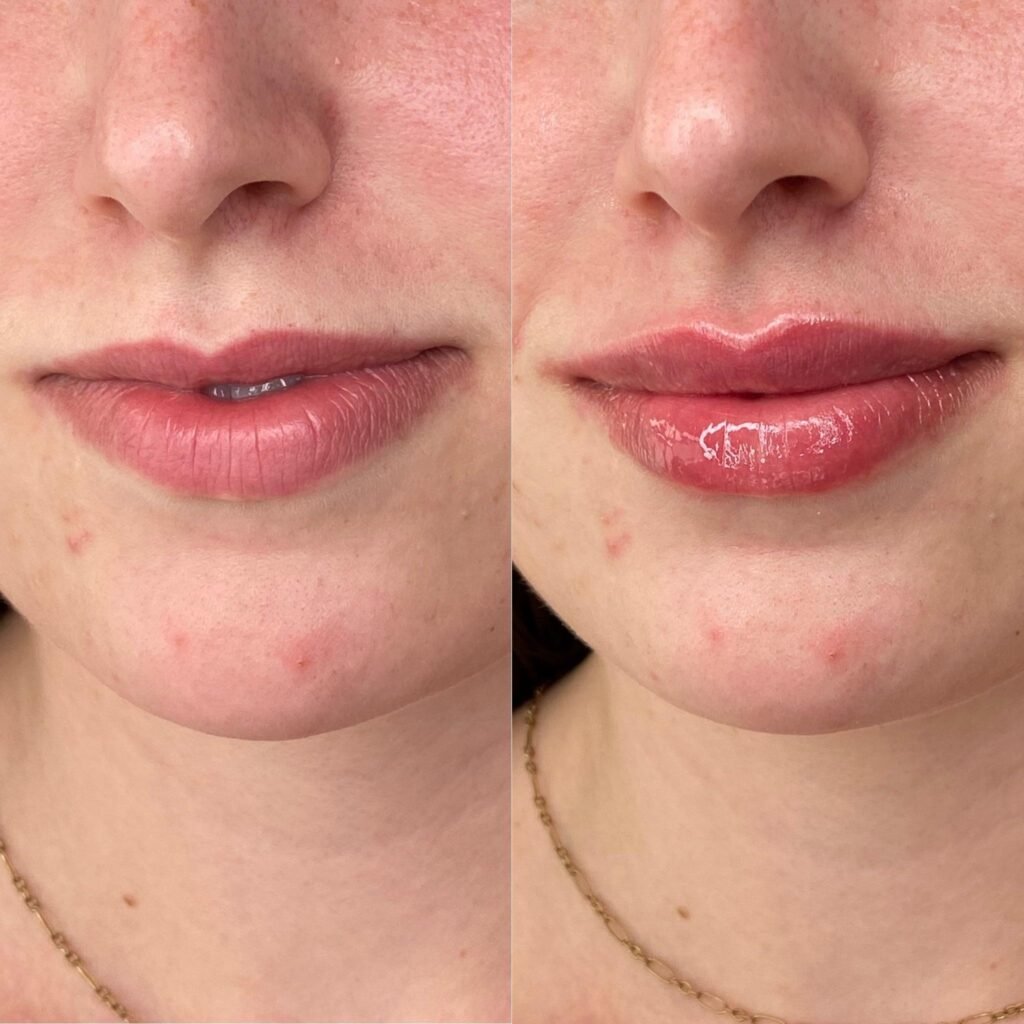
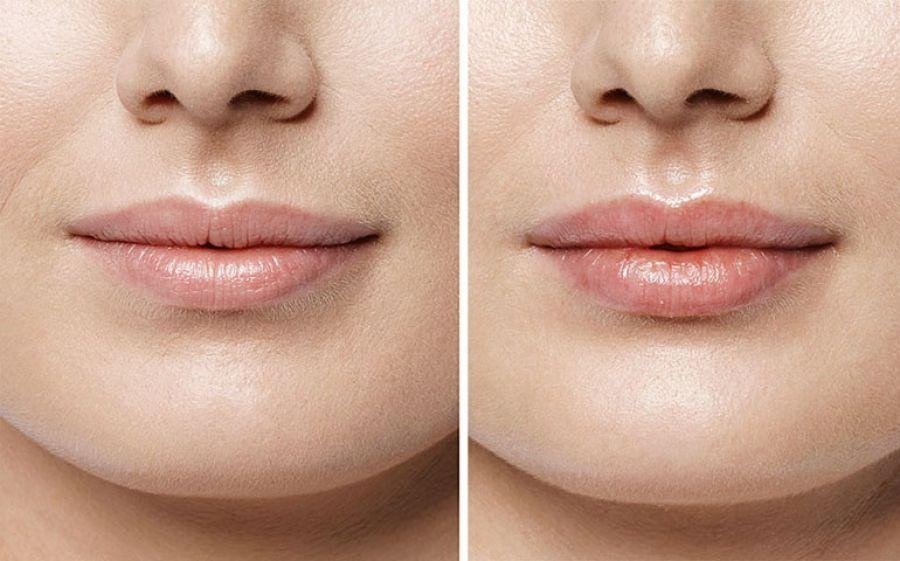
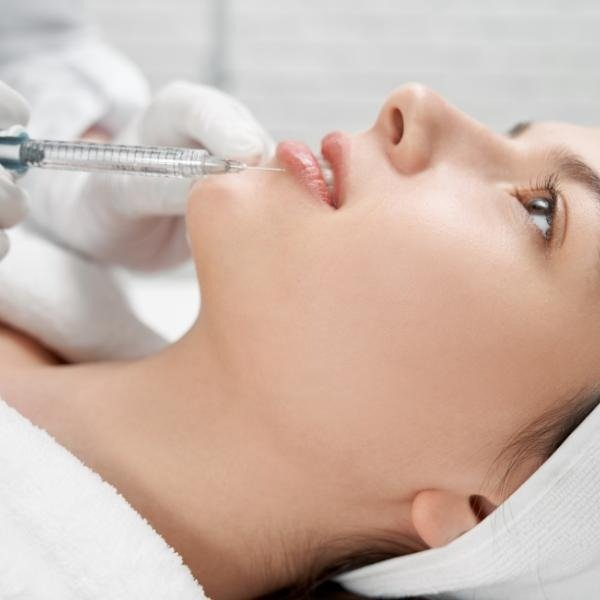
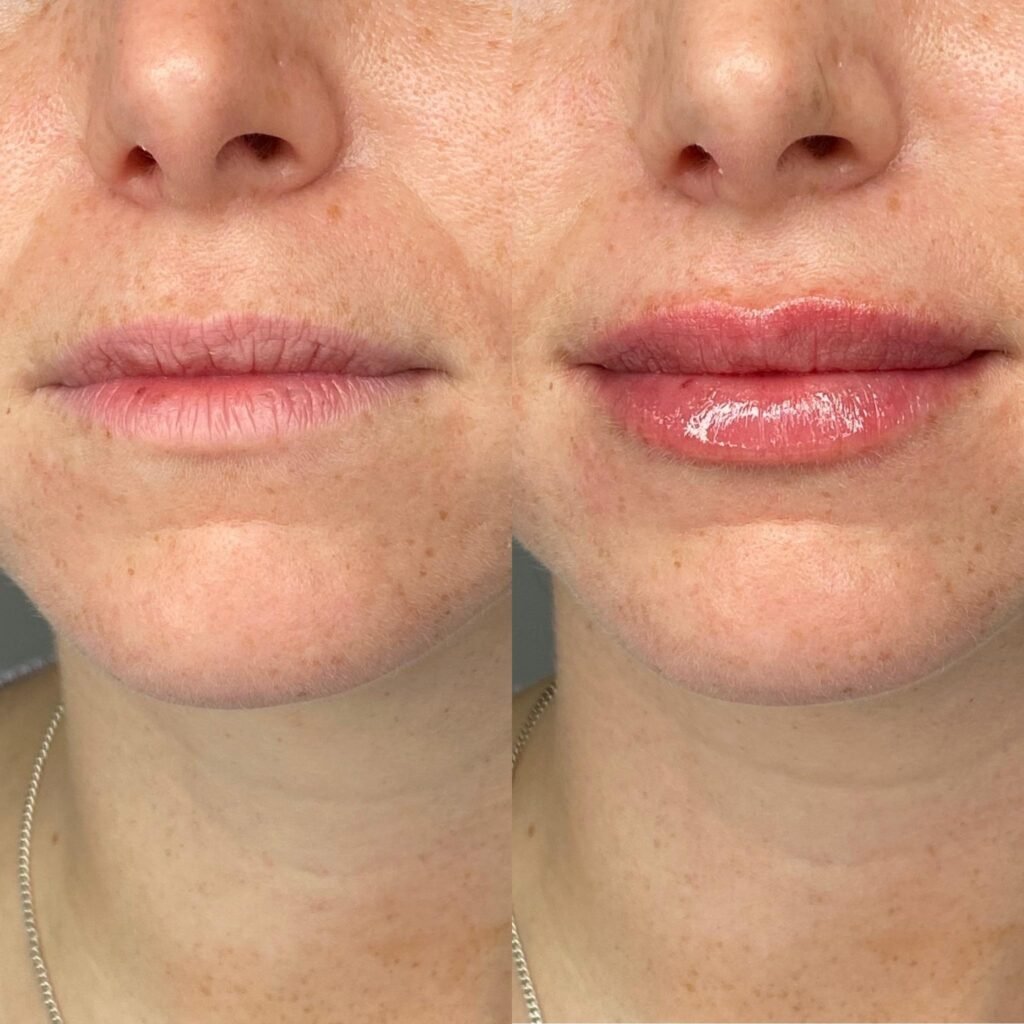
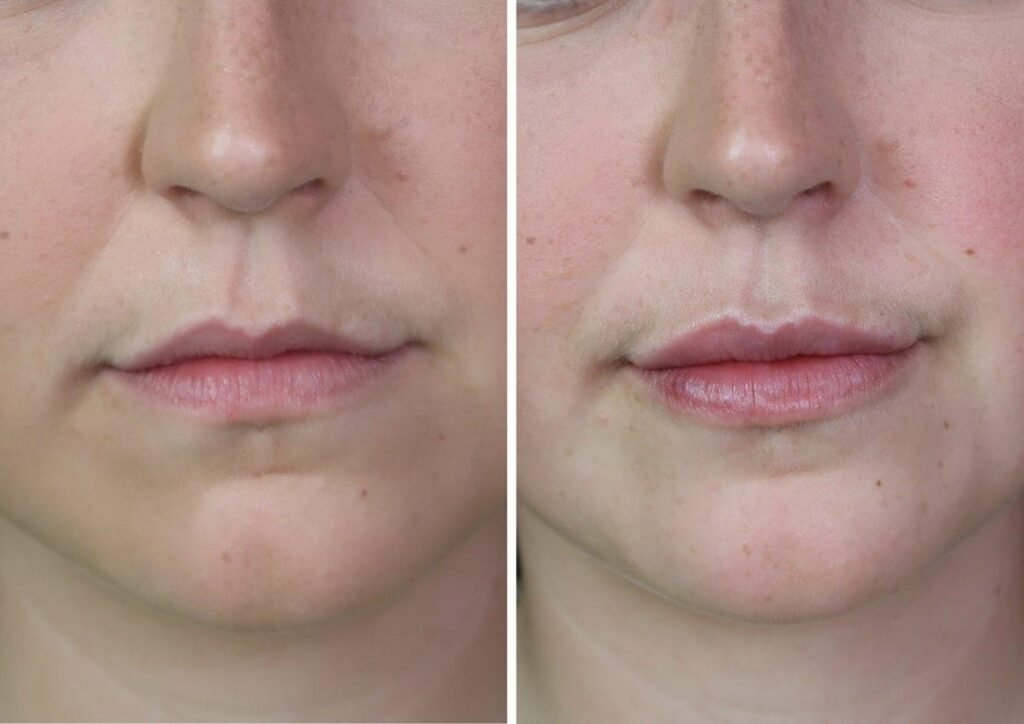
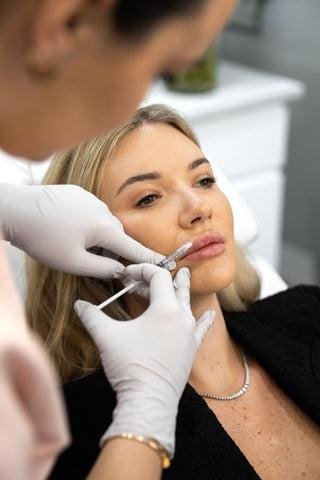
Results vary significantly between individuals.
Factors affecting the final appearance include:
- Starting lip shape
- Amount of filler used
- Injection technique
- Type of filler
- Tissue characteristics
- Swelling
- Individual healing response
Immediately after treatment, lips can look considerably larger because of swelling. The early appearance should therefore not be considered the final result.
How Does Lip Filler Work?
During treatment, a qualified injector places small amounts of filler into selected areas of the lips.
The filler adds volume and changes the contours of the tissue.
Depending on the treatment goal, the injector may focus on:
- The vermilion border
- The body of the upper lip
- The lower lip
- Cupid’s bow
- Lip corners
- Areas of asymmetry
The exact injection technique should be individualized.
What Happens During a Lip Filler Appointment?
A typical appointment begins with a consultation.
Step 1: Assessment
The practitioner evaluates your lips, facial proportions, medical history, medications, allergies, and aesthetic goals.
Step 2: Treatment Planning
The practitioner determines where and how much filler may be appropriate.
Step 3: Cleaning
The treatment area is cleansed carefully.
Step 4: Numbing
Many lip fillers contain lidocaine, and topical anesthetic may also be used to improve comfort.
Step 5: Injection
The filler is injected using a needle or cannula depending on the practitioner’s technique and treatment plan.
Step 6: Assessment
The lips are examined for symmetry and appearance.
The entire appointment may be relatively short, although consultation and preparation add to the total time.
Does Lip Filler Hurt?
Some discomfort is possible because the lips contain many nerve endings.
Patients may experience:
- Pinching
- Pressure
- Stinging
- Temporary tenderness
Topical anesthetic and filler formulations containing lidocaine can make treatment more comfortable.
Pain levels vary from person to person.
How Long Does Lip Filler Last?
HA lip filler is temporary.
The duration varies depending on:
- Filler formulation
- Amount injected
- Metabolism
- Injection technique
- Movement of the lips
- Individual biology
Many lip fillers last approximately 6–12 months, although some results may persist longer or disappear sooner.
Because the lips move constantly, lip filler may not last as long as filler placed in some less-mobile facial areas.
When Will You See Lip Filler Results?
You can usually see increased volume immediately after treatment.
However, early swelling can make the lips appear larger or less symmetrical than they will eventually look.
As swelling settles, the appearance becomes more representative of the final result.
A follow-up appointment may be recommended after the initial healing period if additional refinement is needed.
Lip Filler Swelling
Swelling is one of the most common effects after lip filler.
It may be most noticeable during the first few days and gradually improve.
Other common temporary effects include:
- Bruising
- Redness
- Tenderness
- Mild firmness
- Sensitivity
The amount of swelling varies between individuals.
People with a history of significant swelling or bruising should discuss this with their practitioner before treatment.
Lip Filler Aftercare
Your injector should provide specific aftercare instructions, but common recommendations may include:
Use a Cool Compress
A wrapped cold compress may help reduce discomfort and swelling.
Don’t apply ice directly to the skin.
Avoid Excessive Pressure
Don’t repeatedly press, squeeze, or massage the lips unless your practitioner specifically instructs you to do so.
Stay Hydrated
Adequate fluid intake is generally helpful during recovery.
Avoid Strenuous Exercise Initially
Your practitioner may recommend temporarily avoiding vigorous exercise because it can increase circulation and potentially worsen swelling or bruising.
Follow Your Practitioner’s Instructions
Individual aftercare can differ depending on the product, injection technique, and your medical history.
What Should You Avoid After Lip Filler?
Depending on your practitioner’s advice, you may be asked to temporarily avoid:
- Excessive heat
- Saunas
- Heavy exercise
- Alcohol
- Significant pressure on the lips
- Unnecessary manipulation of the treated area
Your injector’s specific instructions should take priority.
Lip Filler Side Effects
Most side effects are temporary.
Common effects include:
- Swelling
- Bruising
- Redness
- Tenderness
- Mild pain
- Itching
- Temporary lumps or firmness
These generally improve as the treatment area heals.
Serious Lip Filler Complications
Although uncommon, injectable fillers can cause serious complications.
One of the most important is vascular occlusion, which occurs when filler enters or compresses a blood vessel and interferes with blood flow.
Potential warning signs can include:
- Severe or increasing pain
- Pale or white skin
- Unusual discoloration
- Dusky or bluish skin
- Skin that becomes unusually cool
- Changes extending beyond the injection area
Vascular complications can potentially cause tissue damage and require urgent medical treatment.
Can Lip Filler Cause Lumps?
Yes.
Small areas of firmness or lumps can occur after injection, particularly while swelling is settling.
Not every lump means something has gone wrong.
Don’t aggressively massage the filler yourself unless you have been specifically instructed to do so.
Can Lip Filler Be Reversed?
One advantage of hyaluronic acid filler is that it can generally be broken down using hyaluronidase when clinically appropriate.
This does not mean reversal should be considered an effortless “undo button.”
Hyaluronidase treatment should be performed by an appropriately qualified medical professional because the underlying problem first needs to be identified.
Who Is a Good Candidate for Lip Filler?
A suitable candidate is generally someone who:
- Has realistic expectations
- Wants temporary enhancement
- Understands potential risks
- Is in suitable general health
- Has discussed relevant medical history with the injector
- Chooses an appropriately qualified practitioner
The decision should be individualized rather than based purely on trends or social-media images.
Who Should Avoid or Postpone Lip Filler?
Treatment may need to be postponed or avoided in certain circumstances.
Tell your practitioner if you have:
- An active cold sore
- Infection around the mouth
- Significant skin inflammation
- Certain allergies
- A history of severe reactions
- Relevant bleeding problems
- Certain autoimmune or medical conditions
- Previous complications from fillers
People with recurrent cold sores should specifically discuss their history with their healthcare professional because lip injections may trigger an outbreak.
Pregnancy and breastfeeding are also situations where elective cosmetic filler is generally approached cautiously because adequate safety data are lacking.
Lip Filler and Cold Sores
Lip injections can potentially trigger herpes labialis in people with a history of cold sores.
If you frequently develop cold sores, tell your practitioner before treatment.
They may recommend an appropriate preventive strategy based on your medical history.
Never hide a history of cold sores from your injector.
Lip Filler vs. Lip Flip
They are completely different treatments.
Lip Filler
Uses injectable filler to add volume and/or shape.
Lip Flip
Uses small amounts of botulinum toxin to relax selected muscles around the upper lip, allowing the lip to roll slightly outward.
A lip flip generally does not add the same physical volume as dermal filler.
The best choice depends on whether the goal is more volume or a subtle change in lip position.
Lip Filler vs. Lip Implants
It is temporary and injectable.
Lip implants involve a surgical procedure in which a solid implant is placed into the lips.
Filler is generally chosen by people who want a less permanent and adjustable approach.
Surgical implants have different risks, recovery requirements, and considerations.
How Much Lip Filler Do You Need?
There is no universal amount.
The appropriate quantity depends on:
- Natural lip size
- Desired result
- Facial proportions
- Previous filler
- Tissue characteristics
- Treatment goals
A conservative approach can often produce a more natural result.
Adding too much filler can increase the risk of an overfilled appearance.
How to Get Natural-Looking Lip Filler
If your goal is subtle enhancement, communicate this clearly during consultation.
Ask for:
- Gradual enhancement
- Preservation of your natural lip shape
- Balanced upper and lower lips
- Attention to facial proportions
- Conservative treatment initially
A skilled injector should evaluate your face as a whole rather than focusing only on lip size.
Choosing a Lip Filler Provider
This may be the most important part of the process.
Look for a qualified medical professional with appropriate training and experience in injectable treatments.
Ask:
- What professional qualifications do you have?
- How often do you perform lip filler?
- What product will you use?
- Is the product approved for its intended use?
- What are the possible complications?
- How do you manage vascular occlusion?
- What happens if I develop a complication?
- Can I see examples of your own work?
Be cautious about choosing a provider solely because they offer the lowest price.
Why Injector Experience Matters
The lips contain an intricate network of blood vessels and are highly mobile.
Good results require more than simply injecting filler.
The injector needs to understand:
- Facial anatomy
- Appropriate injection planes
- Product characteristics
- Symmetry
- Vascular anatomy
- Complication recognition
- Emergency management
Experience and proper medical training are therefore important safety considerations.
How Much Does Lip Filler Cost?
The cost varies considerably by location, practitioner, product, and amount used.
Pricing may be based on:
- Syringe
- Treatment area
- Product brand
- Injector experience
- Geographic location
A very low price should not automatically be considered a bargain.
When comparing costs, consider the provider’s qualifications, product authenticity, clinical setting, follow-up care, and complication management.
Can You Wear Makeup After Lip Filler?
Your practitioner may recommend waiting for a period after treatment before applying makeup around injection sites.
Follow the specific instructions you receive.
When you resume makeup, use clean products and avoid aggressive rubbing around the lips.
How to Maintain Lip Filler Results
You don’t need to constantly add filler to maintain your appearance.
When the effect gradually diminishes, you can discuss whether another treatment is appropriate.
Avoid automatically topping up filler simply because a particular time period has passed.
Your lips should be reassessed before additional filler is injected.
What Makes Lip Filler Look Unnatural?
An unnatural result can be associated with:
- Too much filler
- Poor placement
- Excessive focus on volume
- Inadequate assessment of facial proportions
- Repeated injections without reassessment
The goal should be enhancement rather than following a one-size-fits-all trend.
Conclusion
Lip filler can be an effective way to enhance lip volume, definition, symmetry, and facial proportions when performed appropriately. Most modern lip fillers use hyaluronic acid, which provides temporary results and offers an important advantage: it can generally be broken down with hyaluronidase when medically necessary.
Swelling, bruising, tenderness, and temporary firmness are common after treatment, while serious complications such as vascular occlusion are uncommon but potentially severe. For this reason, choosing a qualified, experienced medical injector is more important than choosing a cheap treatment or chasing a particular social-media trend.
The most attractive result is not necessarily the biggest lips. A conservative, personalized approach can preserve your natural anatomy while providing the enhancement you want.
Before treatment, discuss your medical history, allergies, medications, previous filler, cold-sore history, expectations, and possible complications with your practitioner. After treatment, follow their aftercare instructions and seek urgent medical attention if you experience severe or worsening pain, unusual skin discoloration, or other signs of a possible vascular complication.
When performed carefully and for the right reasons, lip filler can provide a subtle or noticeable enhancement while allowing you to maintain control over your appearance as the treatment gradually wears off.
Frequently Asked Questions(FAQs)
1. How long does lip filler last?
Most hyaluronic acid lip fillers provide temporary results, commonly lasting around 6–12 months. The exact duration varies according to the product, individual metabolism, and other factors.
2. Is lip filler painful?
Some discomfort, pressure, pinching, or stinging can occur. Many fillers contain lidocaine, and topical numbing can also be used to improve comfort.
3. How long does lip filler swelling last?
Swelling is usually most noticeable shortly after treatment and gradually decreases over the following days. The exact recovery time varies between individuals.
4. Can lip filler look natural?
Yes. Natural-looking results are possible when the treatment is conservative and tailored to the individual’s facial proportions and existing lip anatomy.
5. Can lip filler be removed?
Hyaluronic acid filler can generally be broken down with hyaluronidase when clinically appropriate. A qualified medical professional should assess the situation before attempting reversal.
6. What are the risks of lip filler?
Common effects include swelling, bruising, tenderness, and temporary firmness. Rare but serious complications can include vascular occlusion and tissue injury.
7. Can I get lip filler if I have cold sores?
You should tell your practitioner if you have a history of cold sores. Lip injections may trigger an outbreak, and your healthcare professional can advise you about prevention.
8. How much lip filler should I get?
There is no standard amount for everyone. The appropriate quantity depends on your anatomy, desired result, previous treatments, and facial proportions.
9. When can I see the final lip filler result?
You can see increased volume immediately, but swelling can temporarily distort the appearance. The final result becomes clearer after the initial swelling has settled.
10. What should I do if I have severe pain after lip filler?
Severe or increasing pain, unusual whitening or darkening of the skin, or other sudden changes after filler can indicate a serious complication. Contact your injector immediately and seek urgent medical evaluation rather than waiting for the symptoms to resolve.