Pattern: Meaning, Types, Examples, and How Patterns Shape
Introduction
Patterns are an important part of everyday life. From the designs on clothing and home decorations to repeated behaviors, mathematical sequences, and shapes found in nature, patterns help us recognize similarities, understand information, and make sense of the world around us. We encounter them in almost every activity, even when we do not consciously notice them.
The word pattern can have different meanings depending on the context.
Understanding patterns can improve observation, creativity, problem-solving, and decision-making. This guide explains what a pattern means, explores its different types, provides practical examples, and discusses how patterns influence everyday life.
What Is a Pattern?
A pattern is an arrangement, design, sequence, or behavior that follows a recognizable structure or repeats in a particular way. It may involve colors, shapes, numbers, sounds, movements, or actions.
Patterns do not always involve repetition. Some develop through gradual changes, predictable relationships, or organized structures. The arrangement of branches on a tree, the formation of a spiral shell, and the progression of a musical melody can all demonstrate patterns.
Recognizing these structures helps people predict what may happen next, organize information, and identify connections between different things.
Why Are Patterns Important?
Patterns help simplify complicated information.
clothing designer can use repeating shapes to create a balanced fabric design. A doctor may examine patterns in symptoms over time as one part of evaluating a patient’s condition.
Patterns are useful for several reasons:
- Recognition: They help us identify familiar shapes, objects, and arrangements.
- Prediction: Repeated sequences may help us anticipate what comes next.
- Learning: They make complicated concepts easier to understand.
- Creativity: They provide a foundation for creating designs, music, and artwork.
- Organization: They help arrange information into understandable structures.
- Problem-solving: They allow us to identify relationships and develop solutions.
Common Types of Patterns
1. Visual Patterns
13
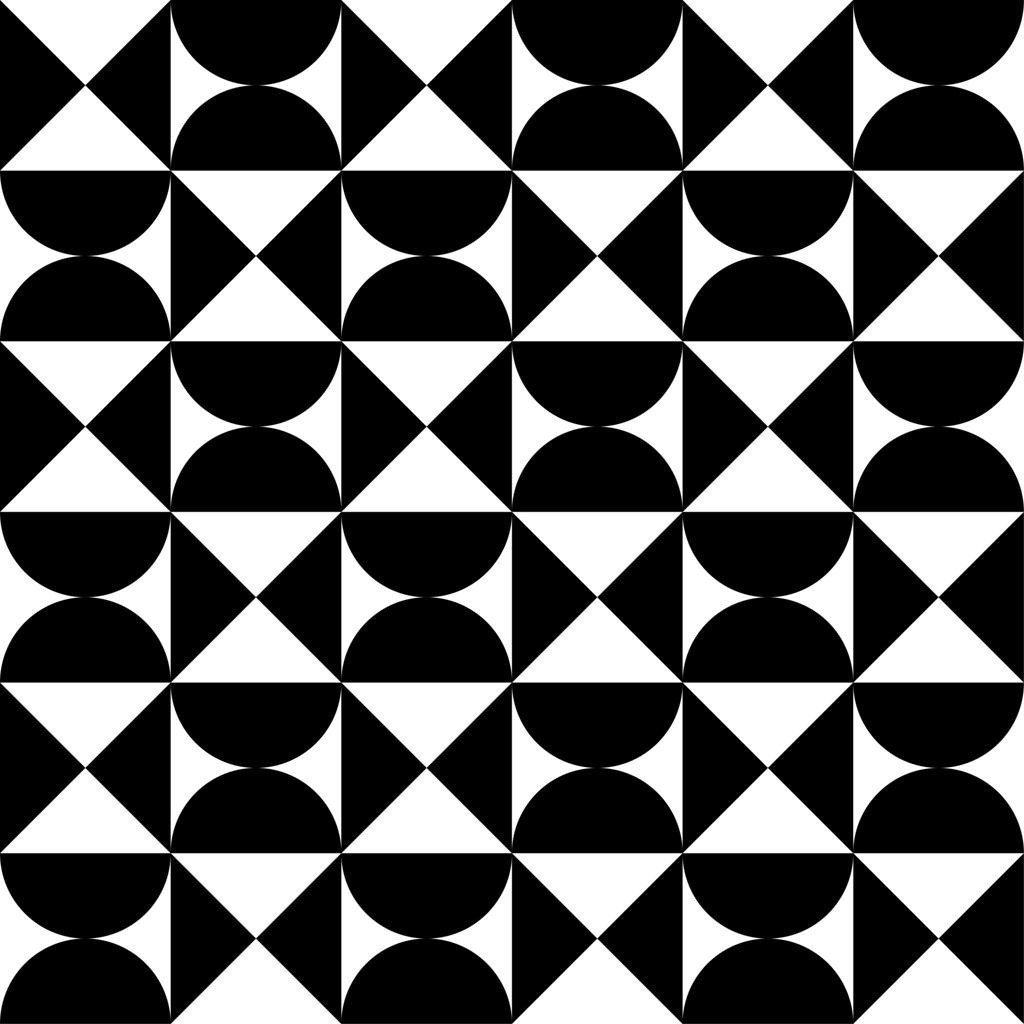
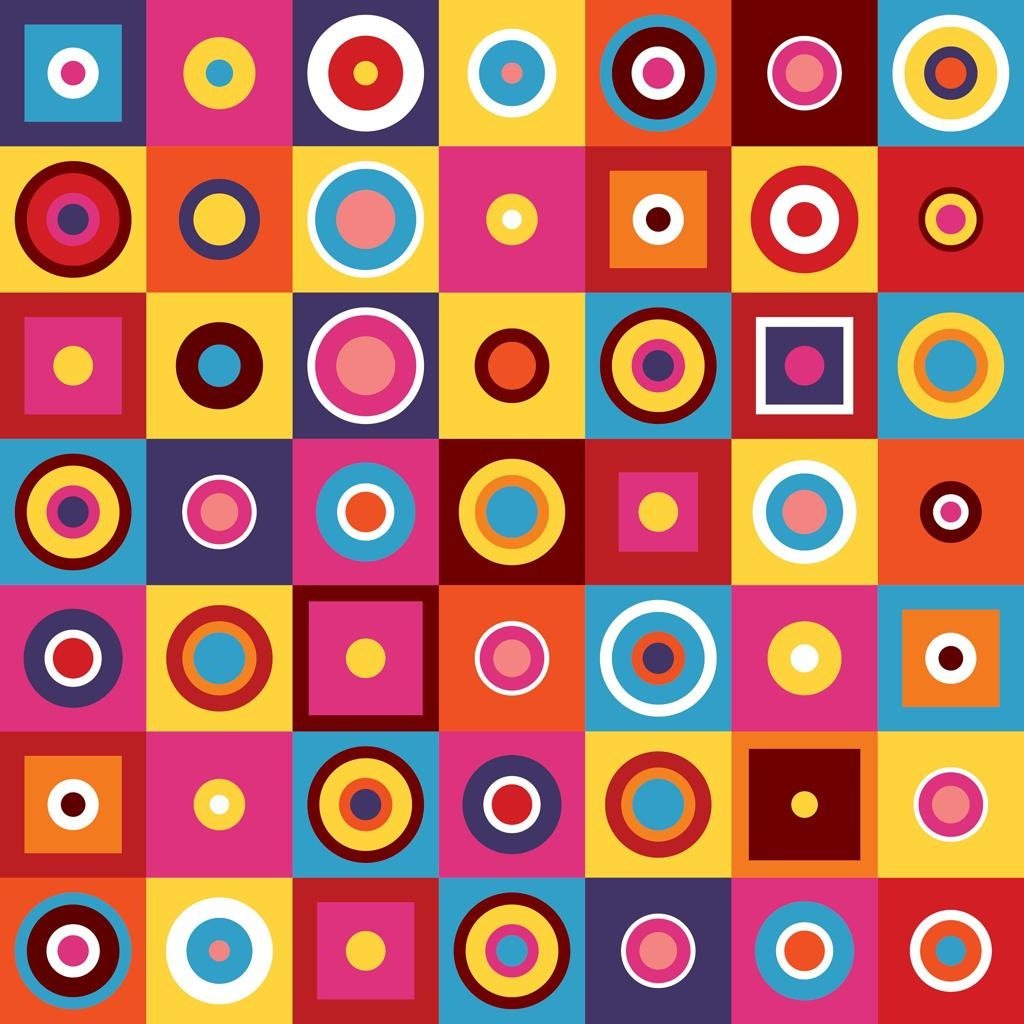
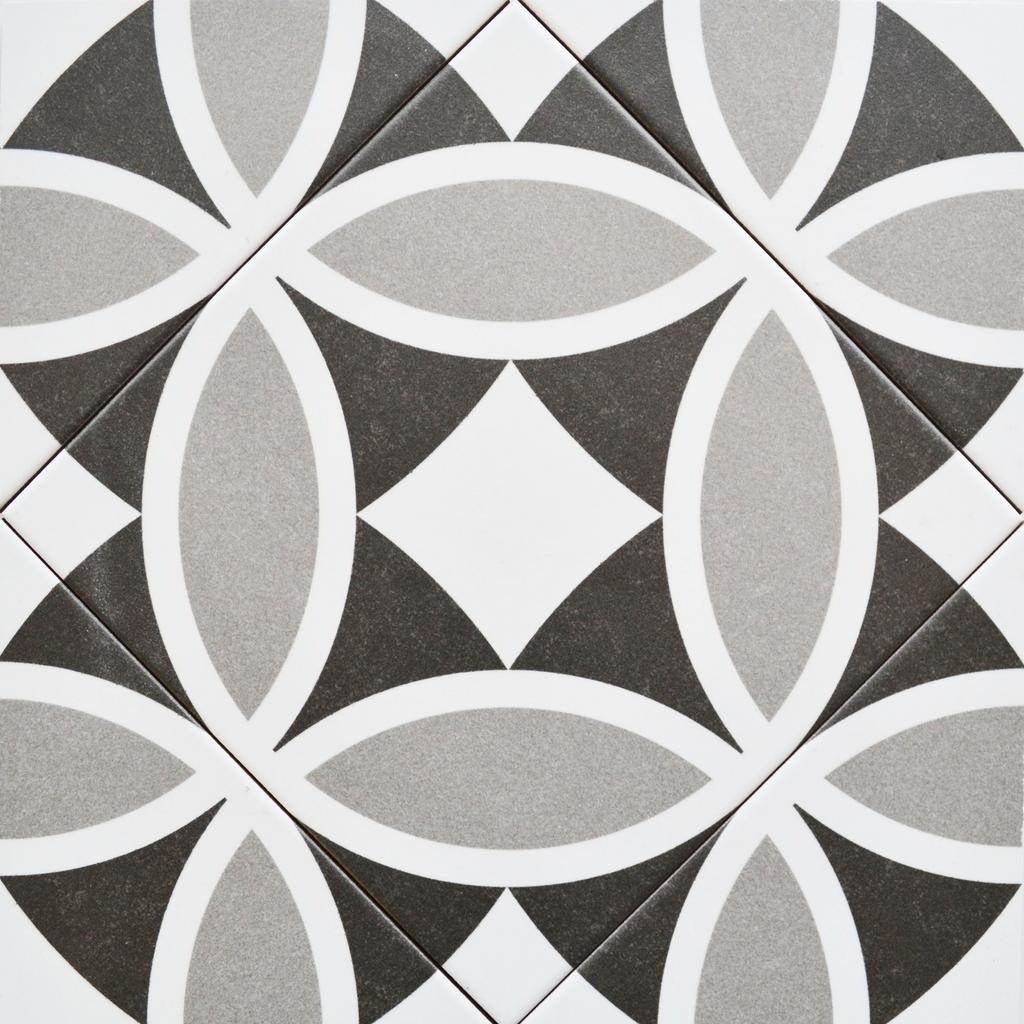
Visual patterns are arrangements that can be recognized through sight. They may use repeated colors, lines, shapes, textures, or objects.
Common examples include:
- Stripes on clothing
- Repeated circles on wallpaper
- Geometric floor tiles
- Checkerboard designs
- Symmetrical artwork
- Repeated shapes in graphic design
Visual patterns are frequently used in advertising, product packaging, interior decoration, and digital interfaces. Designers use them to create consistency, highlight important elements, and make visual compositions more attractive.
Some visual patterns are symmetrical, meaning that one side resembles the other.
2. Mathematical Patterns
Mathematical patterns follow rules involving numbers, shapes, quantities, or relationships. They are essential to arithmetic, algebra, geometry, and more advanced mathematical subjects.
Consider the sequence:
2, 4, 6, 8, 10
Each number increases by two. Once the rule is identified, the next number is easy to determine.
3, 6, 12, 24, 48
In this sequence, each number is multiplied by two.
3. Patterns in Nature

9
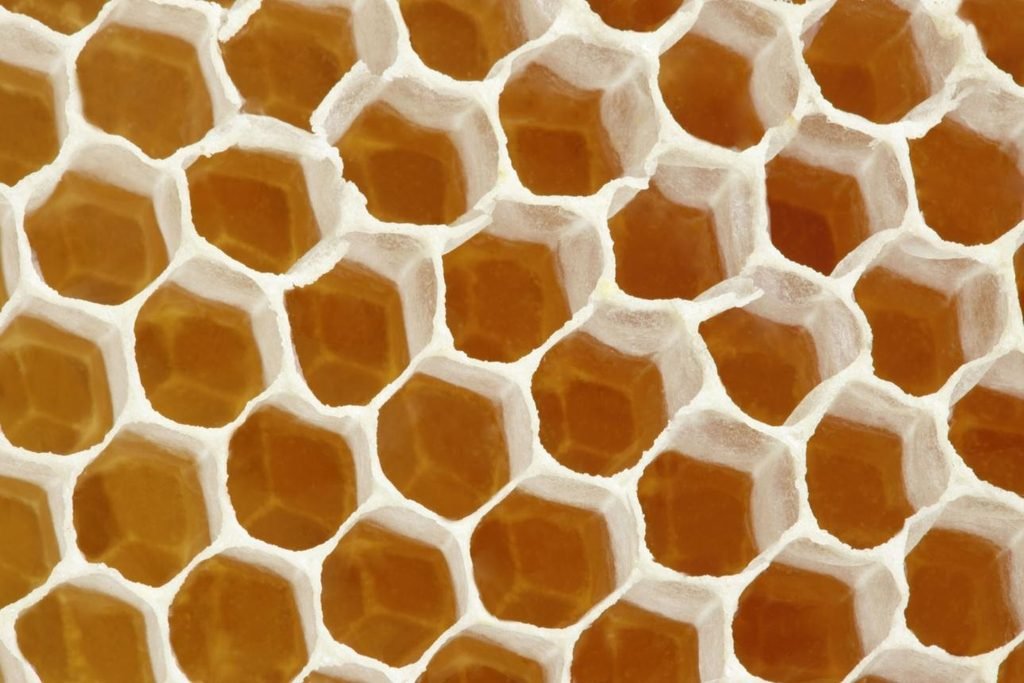
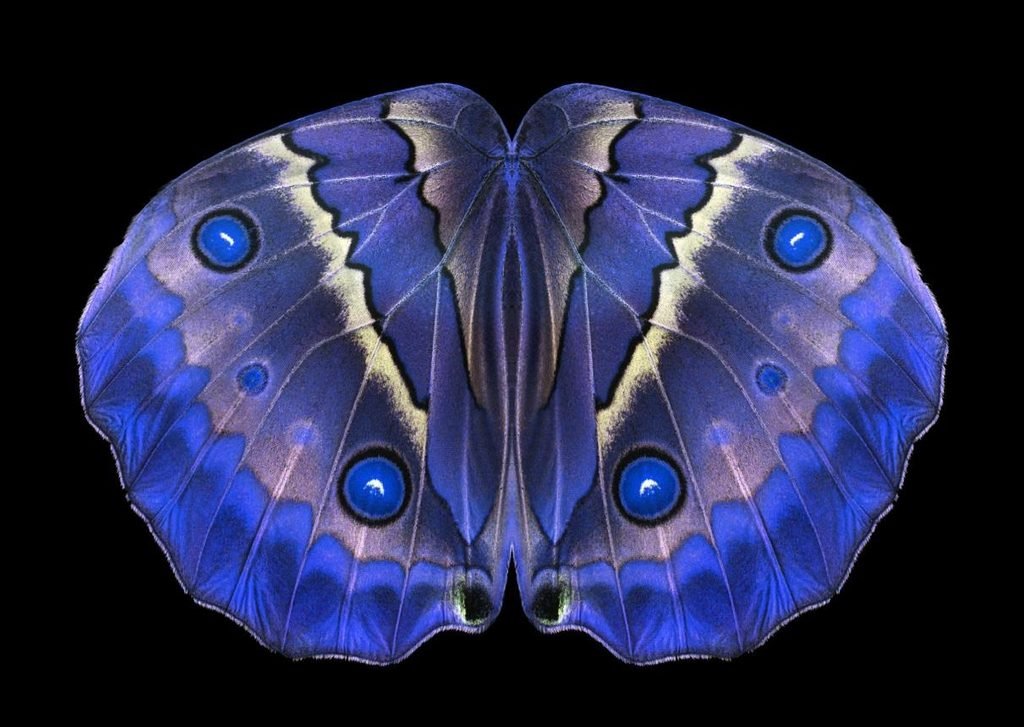
Nature contains many fascinating arrangements that develop through biological growth, physical processes, and environmental conditions.
Examples include:
- The spiral structure of certain shells
- Hexagonal honeycomb cells
- Symmetrical butterfly wings
- Branching patterns in trees
- Ripples spreading across water
- Repeated markings on animal coats
These structures are not all created through the same process. Some arise from genetics, some from physical forces, and others from interactions between organisms and their surroundings.
Studying natural patterns helps scientists investigate biological development, ecosystems, weather processes, and the physical properties of materials.
4. Behavioral Patterns
Behavioral patterns are repeated actions or responses that occur under similar circumstances. They can involve individuals, families, groups, or communities.
It is important to remember that repeated behavior does not automatically reveal someone’s personality or intentions. Understanding behavior requires considering the surrounding circumstances.
5. Fashion and Clothing Patterns
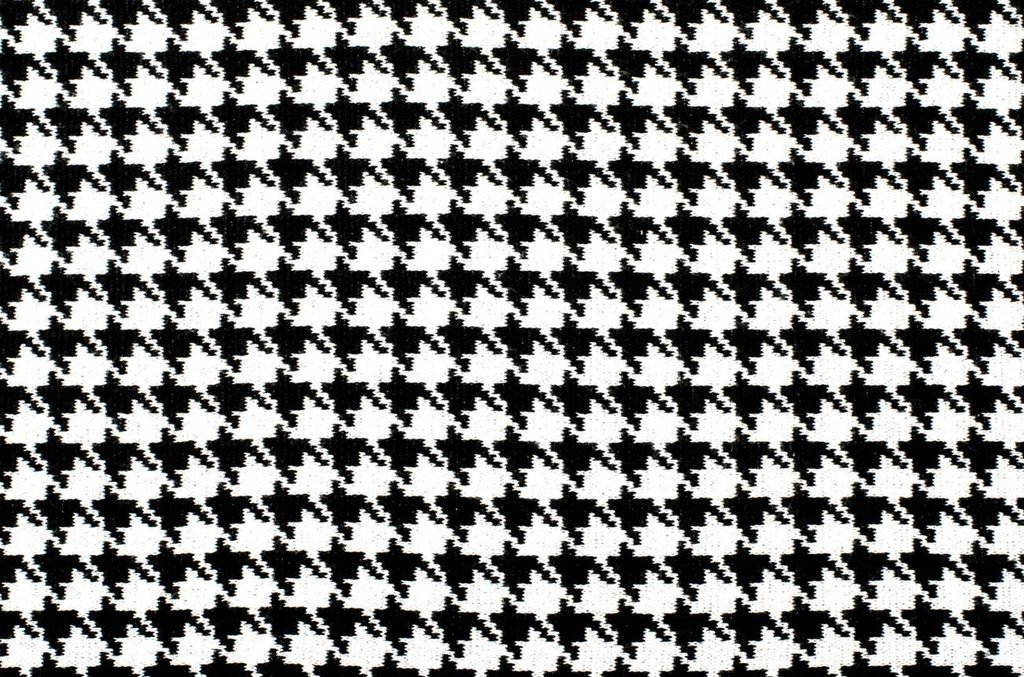

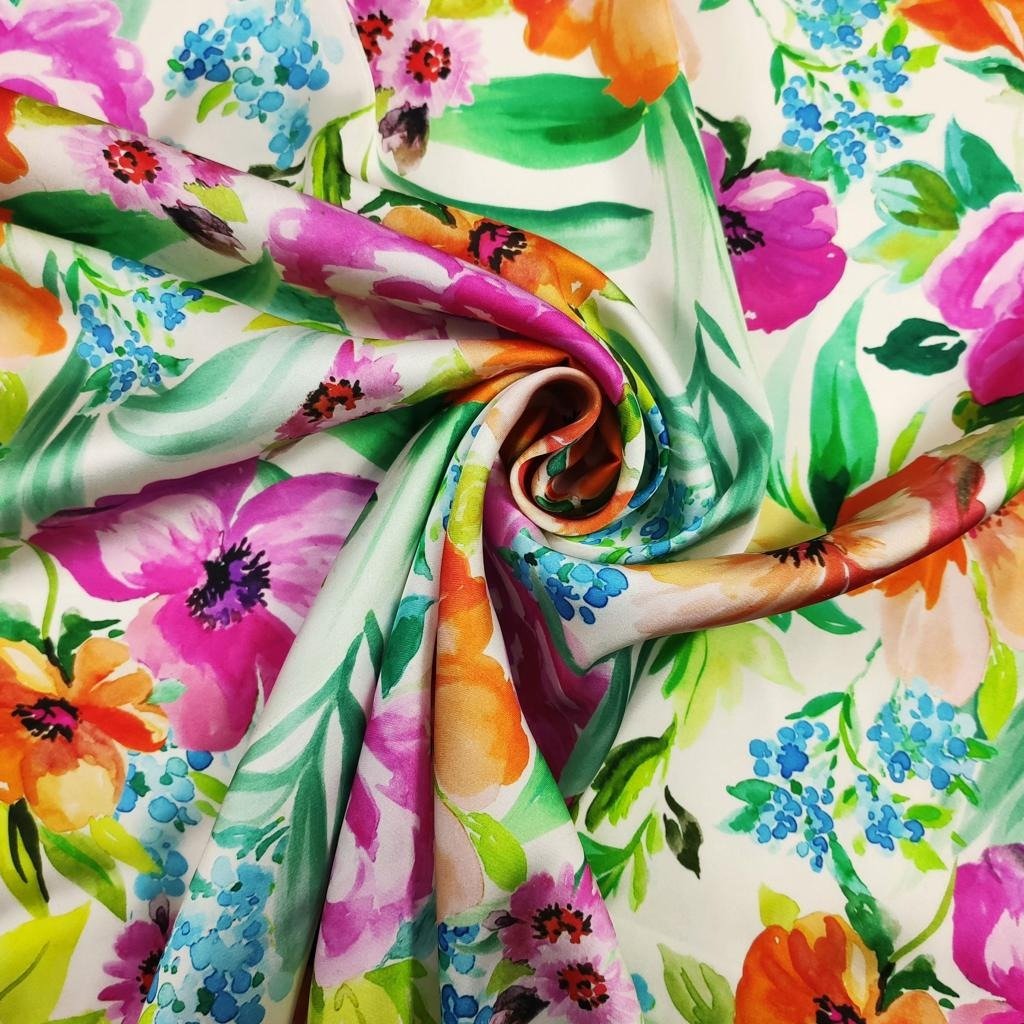
8
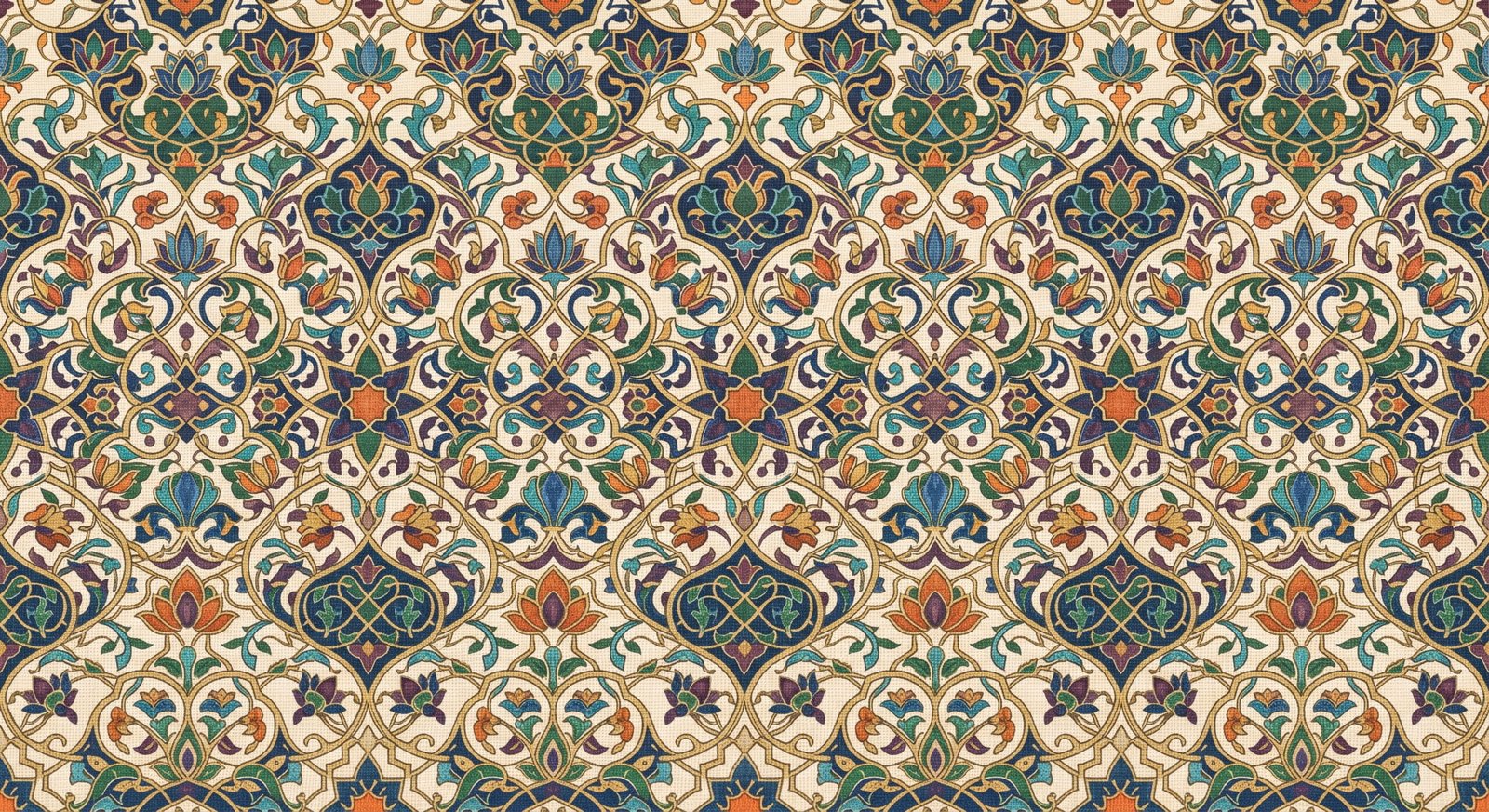
In fashion, a pattern usually refers to a printed, woven, or otherwise arranged design on fabric. Patterns can change the appearance of clothing and influence its overall style.
Popular examples include:
- Floral: Designs featuring flowers, leaves, or plants.
- Stripes: Parallel lines arranged horizontally, vertically, or diagonally.
- Checks: Repeated squares or intersecting lines.
- Polka dots: Repeated circular spots.
- Animal prints: Designs inspired by animal markings.
- Geometric: Shapes arranged in repeated or organized formations.
- Abstract: Designs that do not represent specific recognizable objects.
Patterns can be bold, subtle, traditional, modern, or seasonal. Sewing patterns commonly include measurements, cutting instructions, and construction steps.
6. Patterns in Art and Design
Artists use patterns to create rhythm, balance, texture, and visual interest.
Patterns appear in traditional crafts, pottery, architecture, textile design, illustration, and modern digital artwork.
An illustrator might use lines and dots to suggest texture. An architect may incorporate repeated arches or windows to create a consistent building exterior.
Slight variations can make a design feel more natural and less mechanical.
7. Sound and Music Patterns
Music contains patterns in rhythm, melody, harmony, and structure.
A simple rhythm might alternate a strong beat with a weaker beat.
Speech contains recurring sound structures, and many languages use predictable grammatical arrangements. Recognizing these patterns helps people learn pronunciation, understand spoken communication, and develop reading skills.
8. Patterns in Technology and Programming
In technology, patterns are used to organize information, structure software, and solve recurring problems.
Software developers often use established design patterns to address common programming challenges. Examples include the Observer pattern, Factory pattern, and Strategy pattern.
These patterns describe general approaches to organizing code.
This consistency helps visitors understand where to find information.
In data analysis, repeated trends may reveal changes in customer behavior, business performance, or system activity.
How to Recognize a Pattern
Identifying a pattern involves observing similarities, comparing elements, and looking for a rule that explains their arrangement.
- Observe carefully. Examine the objects, numbers, actions, or events involved.
- Identify similarities. Look for repeated colors, shapes, intervals, actions, or relationships.
- Compare differences. Notice what changes from one element to the next.
- Find the rule.
- Test your explanation
Each number increases by five. Applying the rule produces 25 as the next number.
More complicated patterns may have several possible explanations.
Patterns in Everyday Life
Patterns are not limited to classrooms or creative activities. They influence the way people organize their routines and understand their surroundings.
Daily routines
Consistent routines can reduce the number of decisions required each day.
Shopping habits
. Such information can help businesses manage inventory and plan promotions.
Health and wellness
Healthcare professionals may examine patterns in sleep, symptoms, physical activity, or measurements over time.
Learning and education
Students frequently use patterns to understand spelling, grammar, mathematics, and scientific concepts. Recognizing a familiar structure can make new information easier to process.
Weather and seasons
Seasonal changes and recurring weather conditions can be studied using historical observations.
Pattern vs. Trend: What Is the Difference?
| Feature | Pattern | Trend |
| Meaning | A recognizable arrangement or relationship | A general direction of change |
| Repetition | May repeat or follow a rule | Often observed over time |
| Example | Alternating light and dark stripes | Gradually increasing sales |
| Main use | Identifying structure | Understanding direction |
A trend, by contrast, usually describes a general movement in a particular direction.
Benefits of Understanding Patterns
Recognizing patterns can support several practical skills.
Improved problem-solving: Identifying a repeated relationship may reveal a simpler way to approach a difficult task.
Stronger mathematical reasoning: Understanding sequences and relationships supports the study of algebra, geometry, and statistics.
Greater creativity: Artists, writers, musicians, and designers use established structures as starting points for original work.
Better organization: Repeated systems can make everyday responsibilities easier to manage.
Informed observation: Comparing events over time can help people notice meaningful changes and ask more useful questions.
Improved learning: Familiar structures make it easier to connect new concepts with information already understood.
The value of a pattern depends on its context.
Can Patterns Be Misleading?
Additional evidence is needed to establish a reliable relationsh
To avoid misleading conclusions, consider the quality of the evidence, examine alternative explanations, and distinguish genuine repetition from coincidence.
How to Practice Pattern Recognition
Pattern recognition can be developed through simple activities at home, in school, or at work.
- Complete number sequences and explain the rule behind each answer.
- Identify repeated shapes and colors in fabrics, buildings, and artwork.
- Practice puzzles involving shapes, letters, and logical relationsh
- Keep a journal of routines to identify repeated habits.
- Create an original design using repeated elements and deliberate variations.
For children, sorting objects by color, shape, or size is a useful starting point. Older students can explore numerical sequences, geometric arrangements, and logic problems. Adults can practice by analyzing data, learning a musical rhythm, or developing a consistent organizational system.
Conclusion
Patterns are recognizable arrangements, sequences, or behaviors that help us understand relationships in the world. They appear in mathematics, nature, fashion, art, music, technology, education, and everyday routines.
Learning to recognize patterns can improve logical reasoning, creativity, organization, and problem-solving.
Repetition does not always indicate a meaningful relationship, and a familiar arrangement does not guarantee what will happen next. By observing evidence, testing possible rules, and considering context, we can use patterns more effectively in daily life.
Frequently Asked Questions (FAQs)
1. What does the word pattern mean?
A pattern is an arrangement, sequence, or behavior that follows a recognizable structure. It may involve repeated elements, predictable changes, or relationships between different things.
2. What are the main types of patterns?
Common types include visual, mathematical, natural, behavioral, fashion, artistic, musical, and technological patterns. Each type has different characteristics and applications.
3. What is an example of a simple pattern?
A numerical example is 2, 4, 6, 8, where each number increases by two.
4. Why are patterns important in mathematics?
Mathematical patterns help students identify rules, understand numerical relationships, predict missing values, and solve problems.
5. What are some examples of patterns in nature?
Examples include honeycomb cells, spiral shells, symmetrical butterfly wings, branching trees, and ripples on water. These structures arise through different biological and physical processes.
6. What is a pattern in fashion?
In fashion, a pattern usually means a design printed, woven, or arranged on fabric. Stripes, checks, floral prints, polka dots, and animal-inspired designs are common examples.
7. How are patterns different from trends?
Patterns can repeat without producing an upward or downward trend.
8. Can patterns help improve learning?
Yes. Recognizing repeated structures can help students understand mathematical sequences, spelling rules, grammatical arrangements, and scientific relationships.
10. How can I improve my pattern-recognition skills?
Practice number sequences, solve puzzles, compare shapes, observe natural structures, and look for repeated relationships in everyday activities. Explaining the rule behind a pattern can help strengthen your understanding.