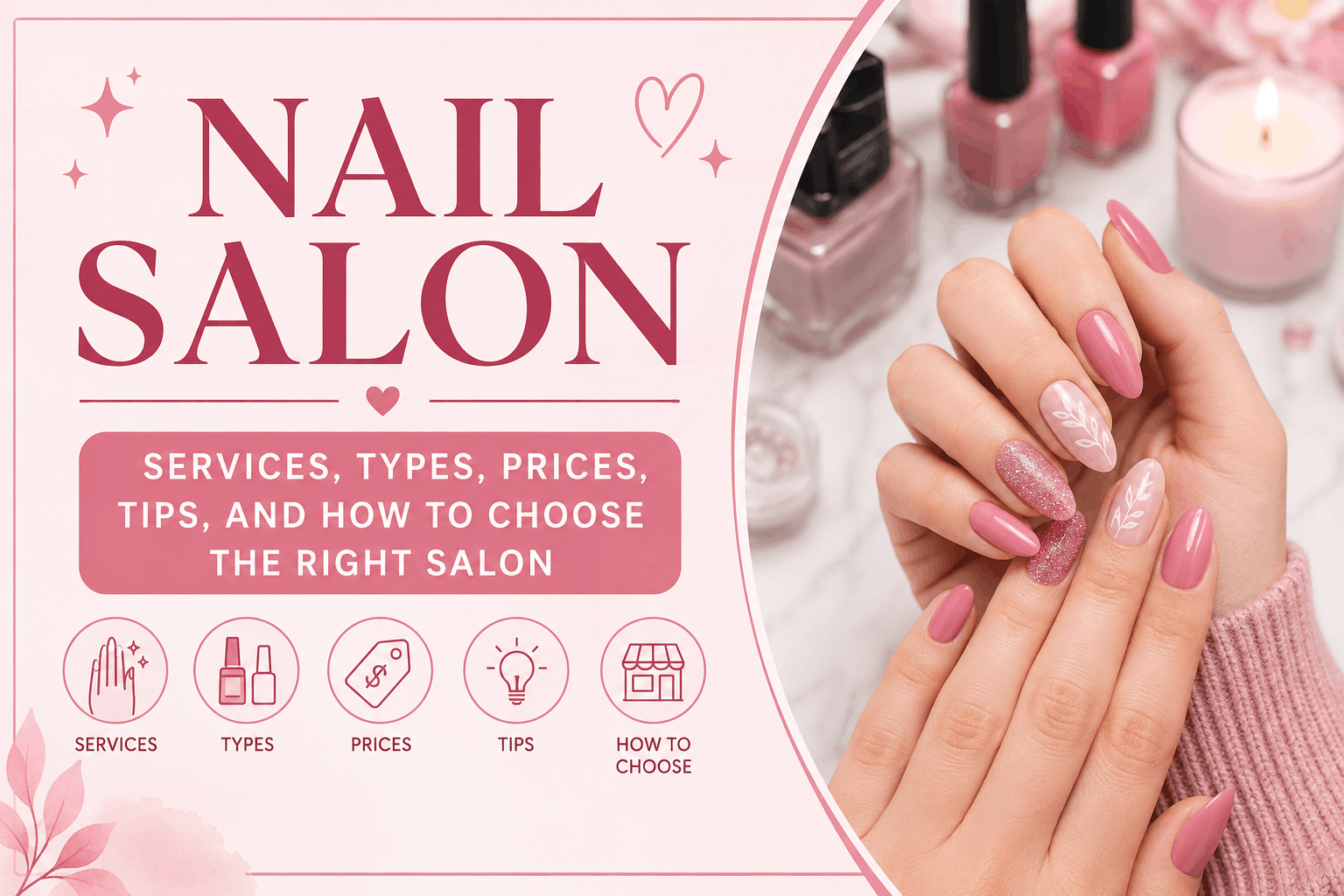
Nail Salon: Services, Tips, and How to Choose the Right Salon
Introduction
A nail salon is a professional beauty service where people can have their fingernails and toenails cleaned, shaped, polished, decorated, and cared for. Modern nail salons offer much more than a basic manicure or pedicure. Depending on the salon, customers may choose from gel nails, acrylic nails, dip powder, nail art, extensions, French manicures, spa pedicures, and other treatments.
For many people, visiting a nail salon is both a beauty routine and a relaxing experience. A professional manicure can make the hands look neat and polished, while a pedicure can improve the appearance of the feet and toenails. Nail services are also popular before weddings, parties, vacations, holidays, and other special occasions.
However, choosing a good nail salon is about more than finding attractive designs or low prices. Hygiene, product quality, technician experience, ventilation, sterilization practices, and proper nail care are all important.
This guide explains common nail salon services, different types of manicures and pedicures, nail extensions, nail art, prices, salon hygiene, preparation tips, aftercare, and how to choose a safe and reliable nail salon.
What Is a Nail Salon?
A nail salon is a beauty establishment specializing in the care and appearance of fingernails and toenails.
Common services may include:
- Manicure
- Pedicure
- Gel manicure
- Acrylic nails
- Dip powder nails
- Nail extensions
- French manicure
- Nail art
- Nail polish application
- Nail shaping and trimming
- Cuticle care
- Foot spa treatments
- Nail removal
Some salons focus mainly on nails, while others offer additional beauty services such as waxing, facials, eyelash treatments, or massages.
The services available vary from one salon to another, so checking the menu before booking can help you choose the right option.
Popular Nail Salon Services
1. Basic Manicure
A basic manicure is one of the most traditional nail salon services.
It usually involves:
- Removing old polish
- Cleaning the nails
- Trimming and shaping the nails
- Caring for the cuticles
- Applying nail polish
- Applying a top coat
A basic manicure is suitable for someone who wants clean, neat, naturally polished nails without extensions or complicated designs.
2. Pedicure
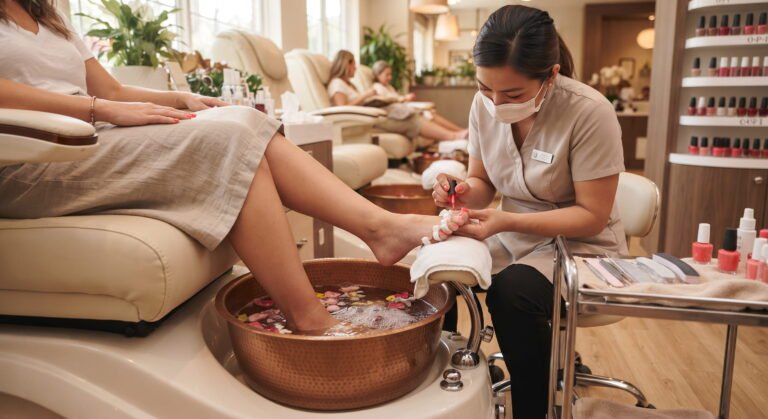
A pedicure focuses on the toenails and feet.
A typical pedicure may include:
- Foot soaking
- Toenail trimming
- Nail shaping
- Cuticle care
- Gentle exfoliation
- Foot massage
- Moisturizer
- Nail polish
Pedicures can leave the feet feeling softer and looking more polished.
People with diabetes, poor circulation, neuropathy, or certain foot conditions should ask their healthcare professional about appropriate foot-care practices before receiving salon pedicures.
3. Gel Manicure
A gel manicure uses gel-based nail products that are cured under a UV or LED lamp.
Gel manicures are popular because they typically provide a glossy finish and can last longer than traditional nail polish.
Benefits may include:
- Long-lasting color
- Glossy appearance
- Faster drying after curing
- Large range of colors
- Attractive finish
Gel removal should be performed carefully. Picking or peeling gel polish from the natural nail can cause damage.
4. Acrylic Nails
Acrylic nails are created by combining a liquid monomer with a powder polymer to form a durable artificial nail enhancement.
They can be used to:
- Add length
- Change nail shape
- Create decorative designs
- Strengthen the appearance of short nails
Acrylic nails require maintenance as the natural nail grows.
Improper application or removal can weaken or damage the natural nail.
5. Dip Powder Nails
Dip powder manicures involve applying a bonding product and colored powder to the nail.
They are often marketed as a durable alternative to traditional polish.
Dip powder nails can provide:
- A strong finish
- Long-lasting color
- A smooth appearance
- Many color options
Proper removal is important to minimize unnecessary damage to the natural nail.
6. French Manicure
A French manicure is a classic nail style traditionally featuring a natural or light-colored base with white tips.
Modern versions can include different colors, shapes, finishes, and decorative details.
French nails remain popular because they can look elegant and work well for everyday wear or special occasions.
7. Nail Art
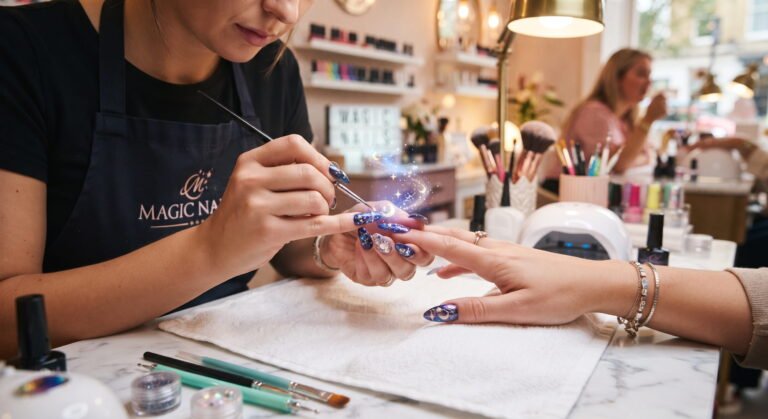
Nail art allows customers to personalize their manicure.
Popular designs include:
- Floral patterns
- Abstract lines
- Glitter
- Rhinestones
- Chrome finishes
- Animal prints
- Minimalist designs
- Seasonal themes
- Geometric patterns
- Ombre effects
The complexity of the design can affect the total cost and appointment time.
Nail Shapes at a Nail Salon
Choosing the right nail shape can change the overall appearance of your hands.
Round
Round nails follow the natural curve of the fingertip and are practical for shorter nails.
Square
Square nails have straight edges and a flat tip. They are particularly popular with acrylic and gel enhancements.
Squoval
Squoval combines a square shape with softly rounded corners.
It offers a balanced and versatile appearance.
Almond
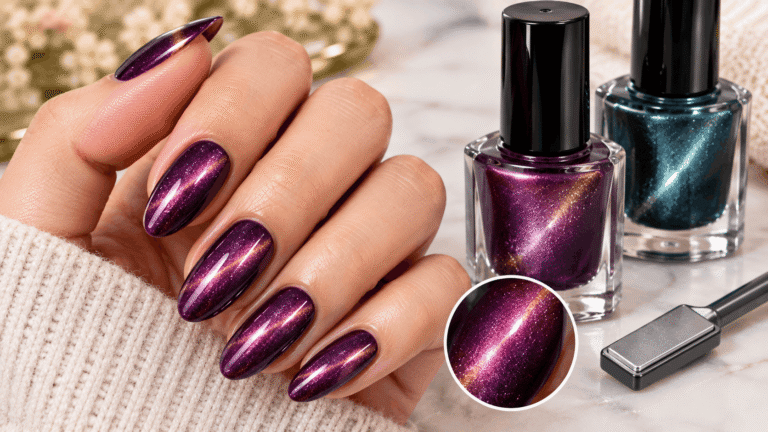
Almond-shaped nails taper toward the tip and have a rounded point.
They can create the appearance of longer fingers.
Coffin
Coffin nails have tapered sides and a flat tip.
They are especially popular with longer artificial nails.
Stiletto
Stiletto nails are long and sharply pointed.
They create a dramatic appearance but may be less practical for everyday activities.
How to Choose a Nail Salon
Finding a good nail salon requires more than looking at photographs on social media.
Check Cleanliness
The salon should appear clean and organized.
Pay attention to:
- Workstations
- Tools
- Chairs
- Foot baths
- Towels
- Waste disposal
- General cleanliness
Ask About Tool Sterilization
Proper cleaning and sterilization of reusable instruments are important for reducing the risk of infection.
Do not hesitate to ask how tools are cleaned and sterilized between customers.
Observe the Technician
A good nail technician should work carefully rather than rushing through the appointment.
They should also pay attention to your natural nails and avoid unnecessary injury to the cuticles or surrounding skin.
Check Reviews
Online reviews can help identify patterns in customer experiences.
Look for comments about:
- Hygiene
- Service quality
- Appointment timing
- Nail durability
- Technician professionalism
- Customer service
One negative review does not necessarily define a salon, but repeated complaints about hygiene or poor treatment are worth taking seriously.
Compare Services and Prices
Before booking, check whether the advertised price includes removal, nail art, extensions, or other additions.
A low starting price can become considerably higher once extras are added.
Nail Salon Hygiene: Why It Matters
Hygiene is one of the most important factors when choosing a nail salon.
Nail tools can come into contact with skin, nails, and sometimes small cuts. If equipment is not properly cleaned and disinfected or sterilized when required, microorganisms can potentially spread.
A professional salon should have appropriate procedures for reusable instruments and foot-spa equipment.
Ideally:
- Reusable tools are properly cleaned between customers.
- Single-use items are discarded after use.
- Work surfaces are cleaned regularly.
- Towels are changed between clients.
- Foot baths are properly cleaned.
- Technicians wash or sanitize their hands.
- Products are stored appropriately.
If you notice visibly dirty equipment or questionable hygiene practices, consider choosing another salon.
Can Nail Salons Cause Infections?
Nail services can occasionally be associated with infections or other nail problems, particularly when hygiene is poor or the skin is injured.
Potential problems include:
- Bacterial infections
- Fungal infections
- Irritation
- Allergic reactions
- Nail damage
- Inflammation around the nail
Cuticles help protect the area around the nail. Cutting them too aggressively can create openings through which microorganisms may enter.
For this reason, aggressive cuticle cutting should be avoided.
How to Prepare for a Nail Salon Appointment
A little preparation can make your appointment easier.
Avoid Cutting Your Cuticles
Do not aggressively cut or push your cuticles immediately before the appointment.
Remove Old Polish if Necessary
Some salons provide removal as part of the service, while others charge separately.
Consider Your Desired Style
If you want nail art, save a few reference pictures so the technician understands your preferred design.
Mention Allergies
Tell the technician about any known allergies or previous reactions to nail products.
Don’t Hide Nail Problems
If your nails are painful, swollen, discolored, cracked, or showing signs of infection, mention it rather than covering the problem with polish or artificial nails.
How Long Does a Nail Salon Appointment Take?
Appointment times vary according to the service.
A simple manicure may take around 30 to 60 minutes.
A pedicure may take approximately 45 to 90 minutes.
Gel manicures, acrylic extensions, detailed nail art, and other advanced services may take longer.
Complex nail designs can require significantly more time than a simple single-color manicure.
How Much Does a Nail Salon Cost?
The cost of nail salon services varies significantly depending on:
- Location
- Salon reputation
- Technician experience
- Type of service
- Products used
- Nail length
- Nail art
- Removal
- Extensions
- Additional treatments
A basic manicure is usually less expensive than gel, acrylic, dip powder, or elaborate nail-art services.
Before your appointment, ask for the total estimated price so there are no surprises.
Nail Salon for Special Occasions
Nail appointments are especially popular before important events.
Weddings
Brides often choose elegant styles such as:
- French manicure
- Nude nails
- Soft pink
- Pearlescent finishes
- Minimal nail art
Parties
Bold colors, glitter, chrome, and decorative designs can create a more dramatic look.
Vacations
Long-lasting gel or other durable options may be convenient for people who want their manicure to remain polished during travel.
Holidays
Seasonal nail art can incorporate colors and designs associated with Christmas, Halloween, Valentine’s Day, or other celebrations.
Nail Salon for Men
Nail salons are not exclusively for women.
Men may visit salons for:
- Nail trimming
- Nail shaping
- Cuticle care
- Manicures
- Pedicures
- Foot care
- Clear polish
- Basic grooming
A clean and well-maintained manicure can be part of a simple personal grooming routine.
How Often Should You Visit a Nail Salon?
There is no universal schedule.
The frequency depends on the service and how quickly your nails grow.
People who regularly wear gel, acrylic, or other enhancements may need maintenance appointments every few weeks.
If your natural nails become thin, brittle, painful, or damaged, taking a break from enhancements may be helpful.
Regular professional services are not necessary for everyone. Many people can maintain healthy-looking nails with basic home care.
Nail Salon Aftercare
Good aftercare can help maintain your manicure and protect your natural nails.
Moisturize
Use hand cream and cuticle moisturizer regularly.
Don’t Pick Your Polish
Peeling gel, acrylic, or other nail products can remove layers of the natural nail.
Protect Your Hands
Use gloves when cleaning with harsh chemicals or doing tasks that expose your nails to prolonged water or detergents.
Give Damaged Nails a Break
If your natural nails become weak or painful, consider removing artificial products and allowing them to recover.
Keep Nails Clean and Dry
Good nail hygiene helps reduce the risk of problems around the nail.
Signs You Should Avoid a Nail Appointment
You should consider postponing a cosmetic nail service if you have:
- Open cuts around the nail
- Significant swelling
- Severe nail pain
- Suspected fungal infection
- Pus or drainage
- Active skin infection
- Unexplained major nail changes
Covering a potentially infected nail with polish or artificial products can make the problem harder to notice.
If you suspect a nail infection, consult a healthcare professional.
Gel, Acrylic, or Regular Polish: Which Is Best?
The best option depends on your priorities.
Regular polish is simple and easy to remove but generally does not last as long.
Gel polish provides a durable, glossy finish and is popular for longer-lasting manicures.
Acrylic can provide significant length and structure but requires more maintenance and careful removal.
If protecting the natural nail is your priority, discuss your options with an experienced technician and avoid unnecessary filing or aggressive removal.
Nail Salon Tips for Healthy Natural Nails
Even if you regularly visit a salon, natural nail care remains important.
Helpful habits include:
- Keep nails clean and dry.
- Avoid biting your nails.
- Moisturize the hands and cuticles.
- Avoid using nails as tools.
- Do not pull off artificial products.
- Avoid excessive filing.
- Give damaged nails time to recover.
- Choose reputable salons with good hygiene practices.
Healthy nails generally require consistent care rather than constant cosmetic treatment.
Common Nail Salon Mistakes
Choosing a Salon Only Because It Is Cheap
Price matters, but hygiene and service quality should also be considered.
Ignoring Poor Hygiene
A beautiful salon is not necessarily a hygienic salon. Look closely at tools and work areas.
Picking Off Gel or Acrylic
This can damage the natural nail surface.
Allowing Aggressive Cuticle Cutting
Injuring the cuticle area can increase irritation and infection risk.
Trying a New Design Right Before an Important Event
A new product or style may not turn out as expected. If the event is important, choose a design and service you already know works well for you.
Hiding Nail Problems
If a nail looks infected, painful, or unusually discolored, do not simply cover it with artificial products.
Final Thoughts
A nail salon can provide convenient professional care for manicures, pedicures, gel nails, acrylics, nail art, extensions, and other beauty services. The right treatment can make your hands and feet look polished while also providing a relaxing self-care experience.
However, the quality of a nail salon is not determined only by attractive designs or affordable prices. Cleanliness, proper tool handling, technician experience, product quality, and careful treatment of the natural nail are equally important.
Before booking an appointment, consider your desired service, nail condition, budget, and the salon’s hygiene practices. Avoid salons that appear unclean or use questionable equipment, and never hesitate to ask how reusable tools are cleaned.
Whether you prefer a simple natural manicure, classic French tips, long acrylic nails, gel polish, or detailed nail art, choosing a reputable salon and following good aftercare can help you enjoy beautiful nails while minimizing unnecessary damage.
FAQs About Nail Salons
1. What services does a nail salon offer?
Most nail salons offer manicures, pedicures, gel polish, acrylic nails, nail extensions, nail art, polish removal, and cuticle care. Services vary by salon.
2. How much does a nail salon visit cost?
Prices depend on the salon, location, treatment, products, nail length, and additional services. Basic manicures usually cost less than gel, acrylic, or detailed nail-art services.
3. How often should I go to a nail salon?
It depends on the service and your nail growth. People with gel or acrylic enhancements often schedule maintenance every few weeks, while basic manicures can be done less frequently.
4. Are nail salons safe?
A reputable nail salon can be safe when proper hygiene, cleaning, disinfection, sterilization, and safe product-handling procedures are followed.
5. How can I tell if a nail salon is hygienic?
Look for clean workstations, properly maintained tools, fresh towels, clean foot baths, good hand hygiene, and appropriate handling of reusable and single-use equipment.
6. What is better: gel or acrylic nails?
Neither is universally better. Gel is popular for its glossy, durable finish, while acrylic is often chosen for added length and structure. Proper application and removal are important with both.
7. Can I get a manicure if my nail is infected?
It is better to postpone cosmetic treatment if you have a suspected nail or skin infection. Seek appropriate medical advice rather than covering the affected area with polish or artificial nails.
8. How long does a manicure take?
A basic manicure may take around 30 to 60 minutes. Gel, acrylic, extensions, and detailed nail art can take longer.
9. How do I protect my natural nails after a salon visit?
Moisturize your hands and cuticles, avoid picking off nail products, protect your hands from harsh chemicals, and take a break from enhancements if your nails become weak or damaged.
10. Should I make an appointment at a nail salon?
Making an appointment is usually helpful, especially for detailed services, acrylics, extensions, nail art, or appointments before special events. It can help ensure that enough time is reserved for your chosen treatment.