Beauty Store: The Complete Guide to Beauty Products, Shopping
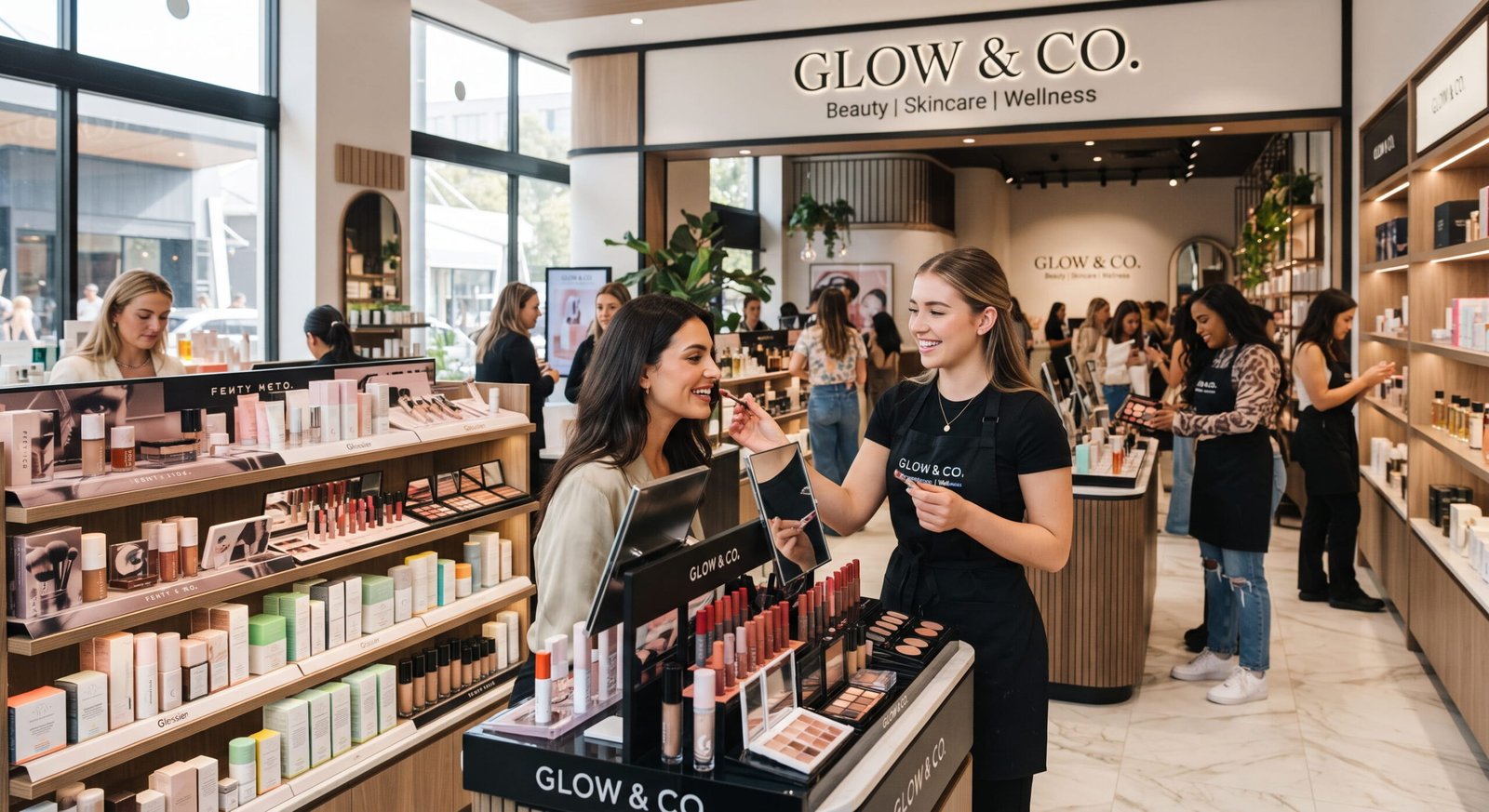
A beauty store is no longer simply a place where people purchase lipstick, shampoo, or perfume. Modern beauty stores have become complete destinations for skincare, makeup, haircare, nail products, body care, fragrances, beauty accessories, personal grooming products, and professional tools.
The beauty industry has also changed dramatically over the years. Customers today have access to more brands, ingredients, product formats, and specialized formulas than ever before. Instead of choosing products only because of attractive packaging, many shoppers now pay attention to ingredients, skin type, hair texture, product claims, formulation, price, and reviews.
This variety is useful, but it can also make beauty shopping confusing. Walking into a beauty store and seeing hundreds of cleansers, moisturizers, serums, foundations, shampoos, masks, brushes, and styling products can leave even experienced shoppers wondering where to begin.
The solution is not necessarily buying more products.
This comprehensive guide explains what a beauty store offers, how different product categories work, how to shop intelligently, what to consider before buying skincare or makeup, how to choose haircare products, how online and physical beauty stores differ, and how to buil
What Is a Beauty Store?
A beauty store is a retail business that sells products related to personal appearance, grooming, skincare, haircare, cosmetics, fragrance, body care, and beauty routines.
Some stores are general beauty retailers carrying a broad selection of products, while others specialize in particular categories. For example, one store may focus mainly on professional salon supplies, another may specialize in Korean skincare, and another may concentrate on cosmetics or natural beauty products.
A typical beauty store may include products such as:
- Facial cleansers
- Moisturizers
- Facial serums
- Sunscreens
- Exfoliators
- Face masks
- Body lotions
- Body washes
- Hair shampoos
- Conditioners
- Hair masks
- Hair oils
- Styling creams
- Hair gels
- Hair sprays
- Makeup
- Nail polish
- Press-on nails
- Nail care products
- Makeup brushes
- Hair tools
- Perfumes
- Body mists
- Beauty accessories
- Personal grooming products
Larger beauty stores may also have separate sections for professional stylists, makeup artists, nail technicians, estheticians, or salon owners.
The main purpose is convenience: instead of searching through many different retailers, customers can compare multiple beauty products in one location.
Why Are Beauty Stores So Popular?
The popularity of beauty stores is closely connected to the growing variety of beauty routines. People no longer follow one universal approach to skincare, makeup, or haircare.
Someone with oily skin may look for lightweight skincare, while someone with dry skin may prefer richer moisturizing formulas. A person with curly hair may need products that support curl definition and moisture, whereas someone with fine straight hair may prefer lightweight products that do not weigh the hair down.
Beauty stores make it easier to explore these differences.
Wide Product Selection
A major benefit is variety. Customers can compare different brands, textures, finishes, ingredients, shades, and price points.
Convenience
A beauty store can bring skincare, makeup, haircare, and body care together in one shopping experience.
Product Discovery
Customers can discover products they may not have considered before, including new formulas, tools, or beauty categories.
Different Price Ranges
Many stores offer products at different price levels, making beauty shopping accessible to people with different budgets.
Professional Products
Some beauty stores provide professional products that are commonly used by salons, hairstylists, makeup artists, and other beauty professionals.
Main Categories Found in a Beauty Store
Understanding product categories makes shopping much easier. Instead of looking at every item randomly, you can go directly to the section that matches your needs.
1. Skincare Products
Skincare is one of the largest categories in modern beauty stores.
A skincare section may include:
- Cleansers
- Toners
- Moisturizers
- Serums
- Face oils
- Exfoliants
- Face masks
- Eye products
- Sunscreens
- Spot treatments
- Barrier-supporting products
- Hydrating treatments
The right skincare routine depends on individual skin characteristics and concerns.
For example, someone experiencing dryness may focus on gentle cleansing and moisturization. Someone dealing with excess oil may prefer lightweight formulas. People with sensitive skin often need to pay closer attention to potentially irritating ingredients.
Why Skin Type Matters
Skin type can influence how a product feels and performs.
Common categories include:
Dry skin: Often feels tight, rough, or uncomfortable and may benefit from richer moisturizing products.
Oily skin: May produce more sebum and can appear shiny, especially around the forehead, nose, and chin.
Combination skin: Often has both oily and dry areas.
Normal skin: Generally has relatively balanced oil and moisture levels.
Sensitive skin: May react more easily to certain ingredients, environmental factors, or aggressive skincare routines.
These categories are useful starting points, but real skin is more complicated than a single label. Weather, age, hormones, medications, stress, and other factors can change how skin behaves.
How to Choose Skincare in a Beauty Store
Buying skincare should begin with the problem you are trying to address.
Instead of asking, “What is the most popular serum?” ask:
- What does my skin need?
- Is my main concern dryness?
- Am I trying to improve uneven tone?
- Do I experience breakouts?
- Is my skin easily irritated?
- Do I need daily sun protection?
- Is my current routine too complicated?
This approach can prevent unnecessary purchases.
Start With the Basics
A simple routine may be more practical than a shelf full of products.
Many people can build a basic routine around:
- A suitable cleanser
- A moisturizer
- Broad-spectrum sunscreen during daytime
Other products can be introduced when there is a specific reason to use them.
Cleansers
A cleanser removes dirt, excess oil, makeup, sunscreen residue, and other substances from the skin.
Beauty stores may carry:
- Gel cleansers
- Cream cleansers
- Foaming cleansers
- Oil cleansers
- Micellar products
- Balm cleansers
The best cleanser depends on your skin and what you are trying to remove.
A cleanser that leaves the skin extremely tight or uncomfortable may be too harsh for some people. On the other hand, someone with very oily skin may prefer a lighter cleansing texture.
Moisturizers
Moisturizers help support skin hydration and the skin barrier.
They can have different textures, including:
- Creams
- Lotions
- Gels
- Balms
- Emulsions
People with dry skin often prefer richer textures, while those with oily skin may find lightweight gel or lotion formulas more comfortable.
A moisturizer does not need to be expensive to be useful. The important question is whether it suits your skin and can be used consistently.
Facial Serums
Serums are concentrated skincare products designed around particular ingredients or concerns.
Common serum categories include products focused on:
- Hydration
- Antioxidant support
- Uneven skin tone
- Texture
- Fine lines
- Oil control
- Blemishes
Because different active ingredients can have different effects, introducing multiple strong products at the same time is not always a good strategy.
A gradual approach makes it easier to understand how your skin responds.
Sunscreen
Sunscreen is an important daytime skincare product because ultraviolet radiation can contribute to sunburn, premature skin aging, and skin damage.
Beauty stores offer sunscreens in various textures:
- Cream
- Lotion
- Gel
- Fluid
- Stick
- Spray
Some are tinted, while others are designed to disappear more easily on the skin.
When choosing sunscreen, consider the level of protection, formulation, finish, comfort, and whether you will realistically use it every day.
Face Masks
Face masks can provide a more targeted skincare experience.
Common types include:
- Hydrating masks
- Clay masks
- Sheet masks
- Cream masks
- Overnight masks
- Gel masks
Masks can be enjoyable additions to a routine, but they do not necessarily need to replace basic skincare.
A mask should complement your routine rather than create unnecessary complexity.
Body Care in a Beauty Store
Beauty stores often include an extensive body-care section.
Products may include:
- Body wash
- Body lotion
- Body cream
- Body oil
- Body scrub
- Hand cream
- Foot cream
- Bath products
- Deodorant
- Body mist
Body skin can become dry because of weather, frequent bathing, hot water, harsh cleansers, or other factors.
Using a suitable moisturizer after bathing can help maintain comfortable, soft-feeling skin.
Makeup Products
Makeup remains one of the most recognizable categories in a beauty store.
A makeup section may include:
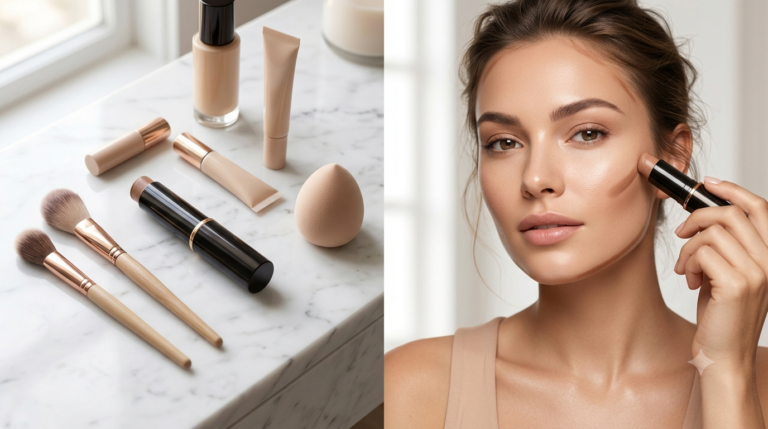
- Foundation
- Skin tint
- Concealer
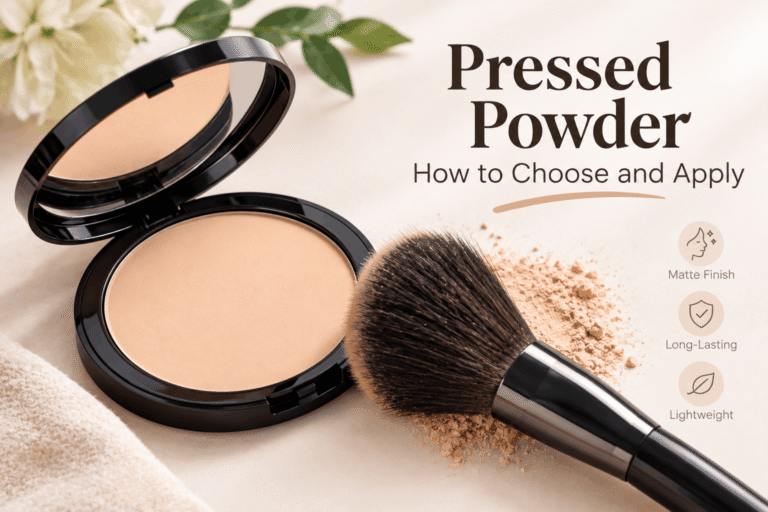
- Powder
- Blush
- Bronzer
- Highlighter
- Eyeshadow
- Eyeliner
- Mascara
- Lipstick
- Lip gloss
- Lip liner
- Setting spray
- Makeup primer
The beauty of makeup is that there is no single correct way to use it. Some people prefer a minimal appearance, while others enjoy detailed and creative looks.
Foundation
Foundation helps create a more even-looking complexion and comes in many different formulations.
Common finishes include:
- Matte
- Natural
- Satin
- Radiant
- Dewy
Foundation can also vary in coverage from sheer to full.
Choosing the right shade is particularly important. Whenever possible, testing a shade on an appropriate area and checking it under natural-looking light can help avoid a poor match.
Concealer
Concealer is commonly used to provide additional coverage in targeted areas.
People may use it around:
- Under-eye areas
- Blemishes
- Redness
- Uneven pigmentation
Some concealers are lightweight and natural, while others offer heavier coverage.
The ideal formula depends on the area where it will be used and the desired finish.
Blush
Blush adds color to the cheeks and can make a makeup look appear more lively.
Popular blush formats include:
- Powder blush
- Cream blush
- Liquid blush
- Stick blush
Pink, peach, coral, rose, berry, and neutral tones are among the many possibilities.
The best shade depends on personal preference, complexion, and the overall makeup look.
Lip Products
A beauty store can offer an enormous range of lip products.
These may include:
- Lip balm
- Lip liner
- Lipstick
- Lip gloss
- Lip tint
- Lip oil
- Liquid lipstick
Lip products can completely change the appearance of a makeup look without requiring a full face of cosmetics.
A neutral lip may work well for everyday wear, while stronger shades can create a more dramatic appearance.
Eye Makeup
Eye makeup includes products such as:
- Mascara
- Eyeliner
- Eyeshadow
- Brow pencils
- Brow gels
- Brow powders
- Lash products
Different formulas provide different results. For example, mascara may focus on length, volume, curl, or separation.
When using eye products, hygiene is especially important because the eye area is delicate.
Makeup Brushes and Tools
The beauty store experience is not complete without accessories and tools.
Common makeup tools include:
- Foundation brushes
- Powder brushes
- Blush brushes
- Eyeshadow brushes
- Blending brushes
- Sponges
- Eyelash curlers
- Tweezers
- Makeup organizers
A good brush does not need to be extremely expensive to be useful. Shape, softness, density, and intended purpose matter.
Cleaning reusable makeup tools regularly can also help maintain better hygiene.
Haircare Products
Haircare is another major beauty store category.
Products may include:
- Shampoo
- Conditioner
- Hair masks
- Leave-in conditioners
- Hair oils
- Serums
- Curl creams
- Hair gels
- Mousses
- Styling sprays
- Heat protectants
- Dry shampoos
Choosing haircare starts with understanding your hair rather than simply following trends.
Shampoo
Shampoo cleanses the scalp and hair.
There are different types for different needs, such as:
- Moisturizing shampoos
- Clarifying shampoos
- Volumizing shampoos
- Color-care shampoos
- Curl-focused shampoos
- Scalp-care shampoos
The scalp is particularly important when choosing shampoo because excessive buildup, oil, dryness, or irritation may affect comfort and styling.
Conditioner
Conditioner helps make hair feel smoother and easier to manage.
It may reduce the feeling of dryness and improve detangling.
People with dry or curly hair may prefer richer conditioners, while those with fine hair may want a lighter product.
Hair Masks
Hair masks are generally more intensive conditioning products.
They can be useful when hair feels dry, rough, or difficult to manage.
How often a hair mask should be used depends on the product and the condition of the hair. Using too many heavy products may leave some hair types feeling weighed down.
Products for Curly Hair
Curly hair has specific styling needs because curl patterns can lose definition when hair becomes dry or is handled excessively.
Beauty stores may offer:
- Curl creams
- Curl gels
- Leave-in conditioners
- Lightweight oils
- Defining mousses
- Deep-conditioning treatments
A useful curly-hair routine often focuses on moisture, definition, gentle handling, and a suitable styling method.
Hair Styling Products
Styling products can help create different finishes.
Examples include:
Hair gel: Often used for hold and definition.
Mousse: Can provide volume and lightweight styling support.
Hair spray: Commonly used to help maintain a finished hairstyle.
Wax or pomade: Often used for controlled styling and texture.
Curl cream: Designed to enhance and define curls.
The right product depends on the desired hairstyle and hair texture.
Hair Tools
Beauty stores may also sell electrical styling tools such as:
- Hair dryers
- Straighteners
- Curling irons
- Curling wands
- Hot brushes
- Diffusers
Heat styling can change the appearance of hair, but excessive heat may contribute to damage. Using appropriate heat settings and protective products can be part of a more careful styling routine.
Nail Care Products
Nails have become an important part of modern beauty culture.
A beauty store may offer:
- Nail polish
- Gel polish
- Press-on nails
- Nail files
- Buffers
- Cuticle oils
- Nail strengtheners
- Nail art brushes
- Nail stickers
- Manicure tools
Nail products allow customers to create everything from simple, clean manicures to elaborate designs.
Nail Shapes
Different nail shapes can create different visual effects.
Popular shapes include:
- Round
- Oval
- Square
- Squoval
- Almond
- Coffin
- Stiletto
- Duck nails
The most suitable shape can depend on natural nail length, lifestyle, personal taste, and the desired manicure design.
Press-On Nails
Press-on nails have become popular because they offer a quick way to create a polished manicure at home.
They are available in:
- Short styles
- Medium lengths
- Long designs
- French tips
- Chrome finishes
- Floral designs
- Minimalist patterns
- Glitter styles
- Seasonal designs
Good application and appropriate sizing can improve the appearance and comfort of press-on nails.
Gel and Acrylic Nail Products
Some beauty stores sell products for gel or acrylic manicures.
These systems can provide long-lasting nail designs but require appropriate application and removal techniques.
Improper removal, aggressive filing, or repeated damage to the natural nail can cause problems. Professional services may be preferable when a person is inexperienced with chemical or artificial nail systems.
Beauty Accessories
Accessories can make beauty routines more organized and convenient.
Common products include:
- Cosmetic bags
- Makeup organizers
- Mirrors
- Hair clips
- Headbands
- Scrunchies
- Travel containers
- Beauty sponges
- Brushes
- Combs
- Hair rollers
These products may seem simple, but they can make everyday routines much easier.
Fragrances and Perfumes
Fragrance is another major beauty-store category.
A store may offer:
- Eau de parfum
- Eau de toilette
- Body mist
- Perfume oils
- Colognes
- Fragranced lotions
Fragrance preferences are highly personal.
Some people enjoy fresh citrus scents, while others prefer floral, woody, spicy, sweet, or musky compositions.
Because fragrance develops differently on individual skin, testing before buying can be useful.
How to Test a Beauty Product
Testing a product can be helpful, but not every beauty product should be tested casually in a store.
For makeup, testers may help you understand:
- Color
- Texture
- Finish
- Coverage
For skincare, it is generally better to check the ingredient list and follow appropriate usage instructions rather than applying large amounts to the face simply to test a product.
If you have a history of skin sensitivity or reactions, introducing products carefully is particularly important.
How to Read Beauty Product Labels
Beauty labels can look complicated, but learning a few basics can make shopping easier.
Look for:
- Product name
- Intended use
- Ingredient list
- Directions
- Warnings
- Size or quantity
- Manufacturer information
- Expiration or period-after-opening information where applicable
Marketing language can sometimes sound impressive without explaining exactly what a product will do.
Reading the actual product information can provide a clearer picture.
Ingredients Matter More Than Hype
Beauty trends change rapidly.
One month, a particular ingredient may be everywhere on social media. The next month, another ingredient may become popular.
Popularity alone does not mean that a product is right for everyone.
Instead, consider:
- What the ingredient is intended to do
- Whether the formulation suits your skin
- Whether the product is appropriate for your concern
- How often it should be used
- Whether it fits with your existing routine
The goal is not to collect trendy ingredients. The goal is to build a routine that works for you.
How to Shop for Sensitive Skin
People with sensitive skin may need to be more selective.
A practical approach is to:
- Choose simpler routines.
- Introduce new products gradually.
- Avoid products that have previously caused reactions.
- Follow usage instructions.
- Consider fragrance-free options when fragrance is a known trigger.
- Avoid combining many strong active products immediately.
If a product causes significant or persistent irritation, stop using it and seek appropriate professional advice.
Beauty Products for Dry Skin
Dry skin often benefits from products that support hydration and the skin barrier.
A beauty store may offer:
- Cream cleansers
- Rich moisturizers
- Hydrating serums
- Body creams
- Facial oils
- Gentle exfoliating products
However, more moisture is not always better. A suitable product should feel comfortable without causing unnecessary congestion or irritation.
Beauty Products for Oily Skin
Oily skin can benefit from lightweight textures.
Common choices include:
- Gel cleansers
- Lightweight moisturizers
- Non-comedogenic products
- Lightweight sunscreens
- Oil-control products
One common mistake is assuming oily skin does not require moisturizer. Overly aggressive cleansing can leave skin uncomfortable and may encourage people to use increasingly harsh products.
A balanced approach is usually more practical.
Beauty Products for Acne-Prone Skin
People prone to acne often need to pay attention to product selection.
Heavy or unsuitable products may contribute to clogged pores in some individuals.
When shopping, consider products labeled appropriately for acne-prone or blemish-prone skin, but remember that labels alone do not guarantee a result.
Persistent or severe acne may require professional dermatological care rather than relying only on cosmetic products.
Beauty Store Shopping for Men
Beauty stores are not only for women.
Men can find products for:
- Skincare
- Haircare
- Beard care
- Shaving
- Fragrance
- Body care
- Grooming
- Sunscreen
- Makeup
- Hair styling
Modern beauty and grooming categories increasingly overlap.
Beauty Products for Teenagers
Teenagers may be interested in skincare, makeup, haircare, and fragrances.
However, younger skin does not necessarily need a complicated routine.
A simple approach can focus on:
- Gentle cleansing
- Moisturizing when needed
- Sun protection
- Avoiding unnecessary harsh products
Introducing numerous active ingredients simply because they are trending online can sometimes create irritation rather than improving the skin.
Professional Beauty Stores
These stores may carry:
- Salon shampoos
- Professional hair color
- Styling tools
- Clippers
- Professional dryers
- Manicure equipment
- Nail products
- Makeup products
- Salon disposables
- Beauty accessories
Professional products may require greater knowledge because certain formulas and tools are intended for trained users.
Beauty Store for Makeup Artists
Makeup artists often need a different type of beauty shopping experience.
They may look for:
- Multiple foundation shades
- Concealers
- Setting products
- Long-wear formulas
- Professional brushes
- Disposable applicators
- Palettes
- Makeup removers
- Sanitizing supplies
- Organizers
A professional kit also needs careful organization and hygiene because products may be used across multiple clients.
Beauty Store for Hair Stylists
Hair professionals may require products that are not always necessary for everyday consumers.
A salon-oriented beauty store may carry:
- Professional hair color
- Developers
- Bleaching products
- Foils
- Brushes
- Combs
- Cutting tools
- Styling products
- Professional dryers
- Straighteners
- Curling tools
Professionals should follow product instructions and appropriate safety practices.
Online Beauty Stores
Online beauty shopping has changed how people discover and purchase products.
Instead of visiting a physical shop, customers can browse hundreds or thousands of products from a computer or smartphone.
Advantages may include:
- Convenience
- Larger product selection
- Easy price comparison
- Customer reviews
- Detailed product descriptions
- Home delivery
- Access to brands unavailable locally
However, online shopping also has disadvantages.
Customers cannot always test shades, smell fragrances, or physically inspect packaging before buying.
How to Choose a Reliable Online Beauty Store
Before ordering online, check:
Store Reputation
Look for a retailer with clear contact information and an established reputation.
Product Authenticity
Be cautious of unusually low prices that appear unrealistic.
Return Policy
Read the store’s return and exchange rules before ordering.
Product Information
A trustworthy store should provide useful information about products rather than only attractive pictures.
Customer Support
Clear communication and accessible customer service can be valuable if an order arrives damaged or incorrect.
Physical Beauty Store vs. Online Beauty Store
Both options can be useful.
| Feature | Physical Beauty Store | Online Beauty Store |
| Product testing | Often possible for selected products | Usually not possible |
| Convenience | Requires a visit | Shop from home |
| Product selection | Depends on store size | Often broader |
| Shade matching | Easier to assess physically | More difficult |
| Price comparison | Requires checking products | Usually easier |
| Immediate purchase | Often available | Requires delivery |
| Customer assistance | In-person | Chat/email/support |
The best option depends on what you are buying.
For example, fragrance and foundation may benefit from physical testing, while repeat purchases of familiar skincare products may be convenient online.
How to Save Money at a Beauty Store
Beauty shopping can become expensive when purchases are driven by impulse.
A few habits can help control spending.
Make a List
Write down what you actually need before shopping.
Finish Products
If a product works well for you, there may be no reason to replace it with something new simply because another product is trending.
Compare Sizes
Sometimes the larger product offers better value, but not always. Compare price per quantity when possible.
Avoid Duplicate Products
Owning five similar moisturizers does not necessarily improve your skincare routine.
Watch for Genuine Discounts
Promotions can be useful when you already need the product.
Consider Multipurpose Products
Some products can serve more than one purpose, reducing the number of items required.
Common Beauty Shopping Mistakes
Buying Because of Viral Popularity
Social media can introduce people to interesting products, but popularity is not the same as suitability.
Ignoring Your Skin Type
A product that looks excellent on another person may not perform the same way for you.
Buying Too Many Actives
Using several strong skincare ingredients at once can increase the chance of irritation.
Choosing Foundation Without Proper Shade Matching
A foundation that is too light, too dark, too pink, or too yellow can make the overall makeup look less natural.
Ignoring Product Expiration
Old beauty products may change in texture, smell, or performance.
Using Dirty Brushes
Makeup tools can accumulate makeup residue, oil, and other debris. Regular cleaning is an important part of good beauty hygiene.
Beauty Product Hygiene
Hygiene is often overlooked when discussing beauty shopping.
Products such as mascara, eyeliner, lip products, makeup brushes, sponges, and facial tools require appropriate care.
Avoid sharing products that directly contact the eyes, lips, or skin whenever possible.
Reusable tools should be cleaned according to their material and product instructions.
If a cosmetic changes significantly in smell, color, texture, or appearance, it may be time to replace it.
How to Organize a Beauty Collection
A large beauty collection can quickly become messy.
Try organizing products by category:
1: Skincare
- Cleanser
- Serum
- Moisturizer
- Sunscreen
2: Makeup
- Foundation
- Concealer
- Blush
- Powder
3: Eye and Lip Products
- Mascara
- Eyeliner
- Eyeshadow
- Lip products
Drawer 4: Haircare
- Styling products
- Hair oils
- Accessories
Drawer 5: Nail Products
- Nail polish
- Files
- Tools
- Nail art
Keeping frequently used products accessible can make routines faster.
Minimalist Beauty Shopping
A minimalist beauty routine focuses on using fewer products while choosing them carefully.
This approach can have several benefits:
- Less clutter
- Lower spending
- Easier routines
- Fewer unnecessary product combinations
- Less product waste
Minimalism does not mean using the same products as everyone else. It means purchasing intentionally.
For example, someone may need a cleanser, moisturizer, sunscreen, shampoo, conditioner, and a few makeup products. Another person may have additional needs.
The goal is usefulness rather than quantity.
Building a Beauty Store Shopping List
A practical shopping list might look like this:
Skincare
- Gentle cleanser
- Moisturizer
- Sunscreen
Makeup
- Foundation or skin tint
- Concealer
- Blush
- Mascara
- Lip product
Haircare
- Shampoo
- Conditioner
- Styling product
Body Care
- Body wash
- Lotion
Nails
- Nail file
- Nail polish
- Cuticle care
This basic list can then be expanded based on personal requirements.
Seasonal Beauty Shopping
Beauty needs can change with the seasons.
Summer
People may prefer:
- Lightweight moisturizers
- Sweat-resistant makeup
- Sunscreen
- Lightweight hair products
- Fresh fragrances
Winter
Cold weather may increase interest in:
- Rich moisturizers
- Lip balms
- Body creams
- Hydrating hair masks
- Gentle cleansers
Spring
Spring can be a good time to reorganize beauty products, check expiration dates, and simplify routines.
Autumn
People may transition toward richer textures and different makeup shades as weather changes.
Beauty Trends and Social Media
Social media has dramatically influenced beauty shopping.
Platforms can quickly turn a product, makeup technique, hairstyle, or nail design into a trend.
This can be helpful because people discover creative ideas quickly.
However, social media content may also encourage unrealistic expectations.
A filter, professional lighting, editing, or carefully staged image can make a beauty result appear very different from everyday reality.
When shopping based on online content, consider the difference between inspiration and expectation.
Natural and Organic Beauty Products
Many beauty stores now include products marketed as natural, botanical, clean, or organic.
These labels can be appealing, but “natural” does not automatically mean a product will be suitable for every person.
Plant extracts and essential oils can also cause irritation or allergic reactions in susceptible individuals.
Instead of choosing a product solely because it sounds natural, evaluate the actual formulation and whether it suits your needs.
Korean Beauty Stores
Korean beauty, often called K-beauty, has become widely recognized for its skincare-focused approach.
Beauty stores specializing in Korean products may offer:
- Cleansers
- Essences
- Toners
- Serums
- Sheet masks
- Sunscreens
- Moisturizers
- Makeup
K-beauty often emphasizes hydration, gentle layering, innovative textures, and consistent skincare.
However, not every person needs a long multi-step routine. Products should still be selected according to individual needs.
Luxury Beauty Stores
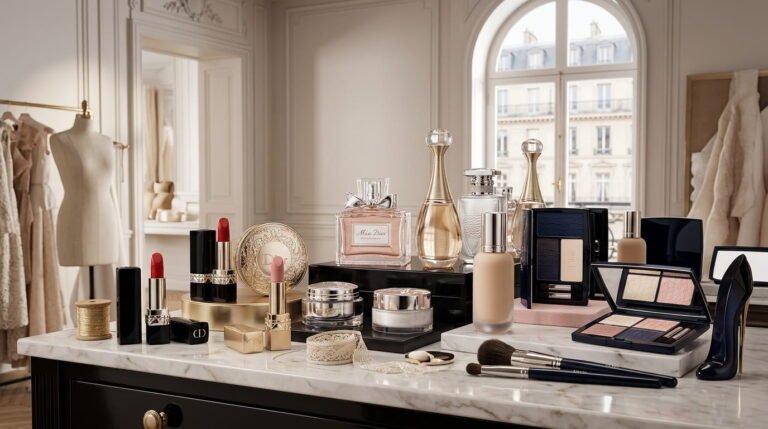
Luxury beauty stores typically carry premium skincare, makeup, fragrances, and accessories.
These products may feature:
- Premium packaging
- Specialized formulations
- Exclusive collections
- High-end fragrances
- Designer branding
Luxury can be enjoyable, but a premium price does not guarantee that a product will be suitable for every skin type or beauty routine.
Affordable Beauty Stores
Affordable beauty stores make it possible to build useful routines without spending large amounts.
Budget-friendly shopping can focus on:
- Basic skincare
- Everyday makeup
- Haircare
- Nail products
- Accessories
When shopping on a budget, prioritize products that have a clear purpose and that you will actually use.
Beauty Store Products for Travel
Travel-size beauty products can make packing easier.
Useful travel categories include:
- Mini cleanser
- Moisturizer
- Sunscreen
- Shampoo
- Conditioner
- Body wash
- Toothbrush and toothpaste
- Makeup essentials
- Hair accessories
Travel containers can also reduce the need to carry full-size products.
Always follow applicable travel and airline rules for liquids when flying.
How to Create a Beauty Routine
A routine should be realistic enough to follow consistently.
Morning Routine
A simple morning routine might include:
- Cleanse or rinse as appropriate.
- Apply selected skincare products.
- Moisturize.
- Apply sunscreen.
- Apply makeup if desired.
Evening Routine
An evening routine may include:
- Remove makeup and sunscreen.
- Cleanse.
- Apply selected treatment products.
- Moisturize.
Haircare and body care can be added according to personal needs.
Beauty Store Shopping for Special Occasions
Weddings, parties, vacations, birthdays, and professional events can encourage people to purchase additional beauty products.
Before buying everything at once, decide what the final look should be.
For example, if the goal is a polished makeup appearance, you may need:
- Base product
- Concealer
- Blush
- Eye makeup
- Mascara
- Lip color
- Setting product
A practice session before the event can help you determine which products actually work together.
Beauty Store for Bridal Shopping
Bridal beauty shopping often includes skincare, makeup, haircare, fragrance, and nail products.
A bride may consider:
- Long-wear makeup
- Hydrating skincare
- Sunscreen
- Haircare
- Hair accessories
- Nail products
- Fragrance
- Makeup tools
It is generally better not to introduce several unfamiliar skincare products immediately before an important event. New products can sometimes cause unexpected irritation.
Beauty Store for Everyday Makeup
Everyday makeup does not need to be complicated.
A simple look can include:
- Lightweight base
- Concealer
- Blush
- Mascara
- Brow product
- Lip color
This can be adjusted according to personal preference.
Some people may prefer only sunscreen and lip balm, while others enjoy a more complete makeup routine.
How Beauty Stores Help Beauty Professionals
Beauty stores can play an important role in the professional beauty industry.
Hairdressers, makeup artists, nail technicians, and salon owners often need reliable access to products and tools.
A professional beauty store can help them:
- Restock supplies
- Compare brands
- Discover new products
- Purchase equipment
- Prepare client kits
- Maintain salon inventory
For professionals, consistency and product reliability can be more important than simply following trends.
What Makes a Good Beauty Store?
A successful beauty store should focus on more than having a large inventory.
Important qualities include:
Product Authenticity
Customers want confidence that products are genuine.
Clear Information
Products should have understandable descriptions and instructions.
Good Organization
Categories should be easy to navigate.
Helpful Service
Staff should be able to provide basic product information without pressuring customers.
Fair Pricing
Prices should be transparent.
Variety
Different skin types, hair textures, budgets, and preferences should be represented.
Clean Environment
A clean and organized store creates a better shopping experience.
Beauty Store Customer Service
Customer service can make a major difference.
A helpful beauty-store employee may ask:
- What type of product are you looking for?
- What is your skin type?
- What finish do you prefer?
- What is your hair texture?
- What is your budget?
- Have you used this type of product before?
Good assistance should help customers understand their options rather than pushing them toward unnecessary purchases.
The Future of Beauty Stores
The beauty industry continues to evolve.
Future beauty stores may increasingly combine physical shopping with digital tools, personalized recommendations, online ordering, virtual consultations, and technology-assisted product discovery.
Personalization is also becoming more important. Customers want products that fit their specific skin, hair, lifestyle, and preferences rather than generic solutions.
At the same time, simplicity is becoming valuable. More consumers are questioning whether they truly need large collections of products.
The future of beauty shopping may therefore involve both greater choice and smarter selection.
How Technology Is Changing Beauty Shopping
Technology has already changed how customers discover products.
People can now:
- Compare products online
- Read reviews
- Watch tutorials
- Explore ingredient information
- Save products for later
- Order from mobile devices
- Receive personalized recommendations
Virtual try-on technology may also help customers explore makeup shades and appearances before buying.
However, technology should support decision-making rather than replace careful consideration.
Beauty Reviews: How Much Should You Trust Them?
Reviews can be useful, but they should not be treated as absolute proof that a product will work for you.
A review may reflect one person’s:
- Skin type
- Hair type
- Climate
- Age
- Preferences
- Existing routine
Another person may experience a completely different result.
When reading reviews, look for patterns rather than relying on one extremely positive or negative comment.
Beauty Store Marketing Claims
Beauty products often use phrases such as:
- Glow boosting
- Deep hydration
- Smoothing
- Brightening
- Volumizing
- Strengthening
- Radiance enhancing
- Anti-aging
These phrases can be helpful for understanding the intended positioning of a product, but they should not replace reading the actual product information.
Consumers should distinguish between cosmetic marketing language and medically established claims.
How to Avoid Beauty Product Waste
The beauty industry produces a large number of products, and unused cosmetics can contribute to waste.
You can reduce unnecessary purchases by:
- Buying only what you need
- Finishing products
- Avoiding duplicates
- Choosing appropriate sizes
- Storing products correctly
- Sharing less cautiously with hygiene-sensitive products
- Planning purchases
Before buying a new moisturizer, for example, check whether you already have two similar products at home.
Beauty Store Shopping on a Budget
A limited budget does not mean you need to abandon beauty routines.
Start with essential categories.
One
- Cleanser
- Moisturizer
- Sunscreen
Two
- Shampoo
- Conditioner
- Body cleanser
Three
- Basic makeup products
- Nail products
- Styling products
Four
- Trend products
- Specialty treatments
- Luxury items
This method helps ensure that essential products receive priority.
Beauty Store Gift Shopping
Beauty products can make useful gifts when you understand the recipient’s preferences.
Good gift categories may include:
- Fragrance
- Body-care sets
- Makeup bags
- Nail sets
- Hair accessories
- Beauty tools
- Skincare gift sets
When gifting skincare or makeup, avoid assuming someone’s skin type or shade unless you know it well.
Beauty Gift Sets
Gift sets can be convenient because they combine multiple products.
They may include:
- Body wash and lotion
- Shampoo and conditioner
- Lip products
- Mini fragrances
- Skincare products
- Makeup collections
Before buying a gift set, check the individual products and whether the recipient is likely to use them.
Beauty Store for Self-Care
Beauty routines are often connected to self-care.
Taking time to wash your face, style your hair, apply moisturizer, paint your nails, or use a favorite fragrance can create a relaxing personal ritual.
Self-care does not need to be expensive.
A simple routine that makes you feel comfortable and confident can be just as meaningful as a large collection of premium products.
Beauty and Confidence
Beauty products can influence how people express themselves.
Makeup, hairstyles, skincare, nail designs, and fragrance can all be forms of personal expression.
However, beauty should not be treated as a requirement for worth or confidence.
The best beauty routine is one that makes the person using it feel comfortable, confident, and authentic.
Choosing Beauty Products for Your Lifestyle
Lifestyle is an important part of product selection.
only five minutes in the morning, a complicated ten-step routine may not be practical.
exercise frequently, you may prioritize lightweight products and convenient haircare.
travel often, compact products may be more useful.
work in a professional environment, subtle makeup or simple grooming products may fit your routine better.
A product is valuable when you can realistically incorporate it into everyday life.
Beauty Store Shopping Checklist
Before making a purchase, ask yourself:
About the Product
- What is this product designed to do?
- Do I actually need it?
- Does it suit my skin or hair?
- Have I checked the ingredients?
- Do I understand how to use it?
the Store
- Is the retailer trustworthy?
- Is the product authentic?
- Is the price reasonable?
- Can I return it if necessary?
- Is there clear customer support?
Your Routine
- Do I already own something similar?
- Will I use it regularly?
- Does it work with my existing products?
These simple questions can prevent many unnecessary purchases.
Beauty Store Glossary
Serum
A skincare product often formulated with a concentrated selection of ingredients.
Moisturizer
A product designed to help maintain skin hydration and comfort.
Exfoliant
A product intended to remove or loosen dead surface skin cells.
Toner
A liquid skincare product used in different ways depending on its formulation and purpose.
Primer
A makeup product commonly applied before foundation or other cosmetics.
Concealer
A makeup product used to provide targeted coverage.
Setting Spray
A cosmetic product designed to help the makeup finish last or look more cohesive.
Leave-In Conditioner
A haircare product designed to remain in the hair rather than being rinsed out.
Cuticle Oil
An oil-based product used around the nail and cuticle area.
Body Mist
A lighter fragrance product intended for application to the body.
Understanding common terminology makes beauty shopping less confusing.
Beauty Store FAQs
1. What is a beauty store?
A beauty store sells products related to skincare, makeup, haircare, nail care, fragrance, body care, grooming, and beauty accessories.
2. What products can I find in a beauty store?
Depending on the retailer, you may find cleansers, moisturizers, serums, sunscreen, makeup, shampoos, conditioners, hair tools, nail products, fragrances, body-care products, and accessories.
3. How do I choose the right beauty products?
Start with your individual needs, such as skin type, hair texture, desired makeup finish, or specific beauty concern. Then compare ingredients, formulation, purpose, and price.
4. Is an expensive beauty product always better?
No. Price does not automatically determine whether a product will suit you. A less expensive product may work very well for one person while a premium product may work better for another.
5. Should I buy beauty products because they are trending?
Not necessarily. Trends can provide inspiration, but a product should be selected based on whether it fits your needs.
6. How many skincare products do I need?
There is no universal number. Many people can begin with a basic cleanser, moisturizer, and sunscreen, then add other products when needed.
7. Can I buy professional products from a beauty store?
Some beauty stores specialize in professional products for salons and beauty professionals. Certain products may require specialized knowledge or training.
8. Is online beauty shopping better than shopping in a physical store?
Neither option is automatically better. Online shopping is convenient and often offers more selection, while physical stores allow you to see, test, or compare certain products directly.
9. How can I know whether a beauty product is authentic?
Purchase from reputable retailers and authorized sellers when possible. Be cautious with products offered at unusually low prices by unknown sellers.
10. How should I store beauty products?
Follow the manufacturer’s instructions. Many products should be protected from excessive heat, direct sunlight, moisture, or other unsuitable conditions.
11. Can beauty products cause irritation?
Yes. Any cosmetic or skincare product can potentially cause irritation or an allergic reaction in susceptible individuals. Stop using a product if you experience significant or persistent irritation.
12. What is the most important skincare product?
The answer depends on the individual, but daily sun protection is an important part of many skincare routines. A suitable cleanser and moisturizer can also form the foundation of a simple routine.
13. What should I buy first from a beauty store?
Start with products that address your most important needs. For skincare, this may mean cleanser, moisturizer, and sunscreen. For haircare, shampoo and conditioner may be the starting point.
14. Are natural beauty products safer?
Not automatically. Natural ingredients can still cause irritation or allergic reactions. Always consider the complete formulation.
15. How often should makeup brushes be cleaned?
Brushes used frequently should be cleaned regularly. The exact schedule depends on the type of product and frequency of use.
16. Can men shop at beauty stores?
Absolutely. Beauty stores offer skincare, haircare, grooming, shaving, fragrance, body care, and styling products suitable for everyone.
17. Are beauty stores only for makeup?
No. Modern beauty stores can offer extensive skincare, haircare, body care, nail care, fragrance, grooming products, and beauty tools.
18. What should I look for in an online beauty store?
Check retailer reputation, product authenticity, customer support, product descriptions, pricing, shipping information, and return policies.
19. How can I avoid wasting money on beauty products?
Make a shopping list, avoid duplicate products, compare prices, purchase according to your actual needs, and do not buy items solely because they are trending.
20. What makes a good beauty store?
A good beauty store should provide authentic products, useful information, transparent pricing, good organization, reliable service, and a selection that serves different customer needs.
Final Thoughts
A beauty store can be a valuable destination for almost every part of a modern personal-care routine. From skincare and sunscreen to makeup, haircare, nail products, fragrance, body care, and beauty tools, today’s stores offer an enormous range of choices.
The challenge is not finding products. The challenge is choosing the right ones.
Smart beauty shopping starts with understanding your own needs. Consider your skin type, hair texture, lifestyle, preferences, budget, and the specific result you want from a product. Read labels, examine ingredients, compare options, and be cautious about buying something simply because it is trending.
You also do not need a huge collection to maintain an effective beauty routine. A few well-selected products that you use consistently can be more useful than dozens of items that remain untouched.
Whether you prefer a minimalist skincare routine, enjoy experimenting with makeup, love trying new nail designs, or want professional haircare products, a well-chosen beauty store can make the process easier.
Ultimately, the best beauty shopping experience is one that combines quality, suitability, authenticity, value, and personal preference. When you shop with those factors in mind, your beauty store visits become less about collecting products and more about finding items that genuinely fit your routine and help you feel confident in your own style.