Oblong Face Shape: The Complete Guide to Hairstyles, Makeup,
Introduction
Understanding your face shape can make it easier to choose hairstyles, makeup techniques, glasses, and accessories that complement your natural features. An oblong face shape is characterized by a face that appears longer than it is wide, often with a straight cheek line, a relatively narrow appearance, and a rounded or slightly angular chin. Many people with this face shape have balanced proportions that can work beautifully with a wide range of styles.
The goal of styling an oblong face is not to change your natural appearance but to highlight your best features and create visual balance. The right haircut can add width around the cheeks, while thoughtful makeup placement can emphasize the eyes and cheekbones. Accessories, eyebrows, and even the way you part your hair can also influence how your facial proportions appear.
In this guide, you will discover how to identify an oblong face shape, choose flattering hairstyles, apply makeup, select glasses, and find styling ideas that suit different preferences and lifestyles.
What Is an Oblong Face Shape?
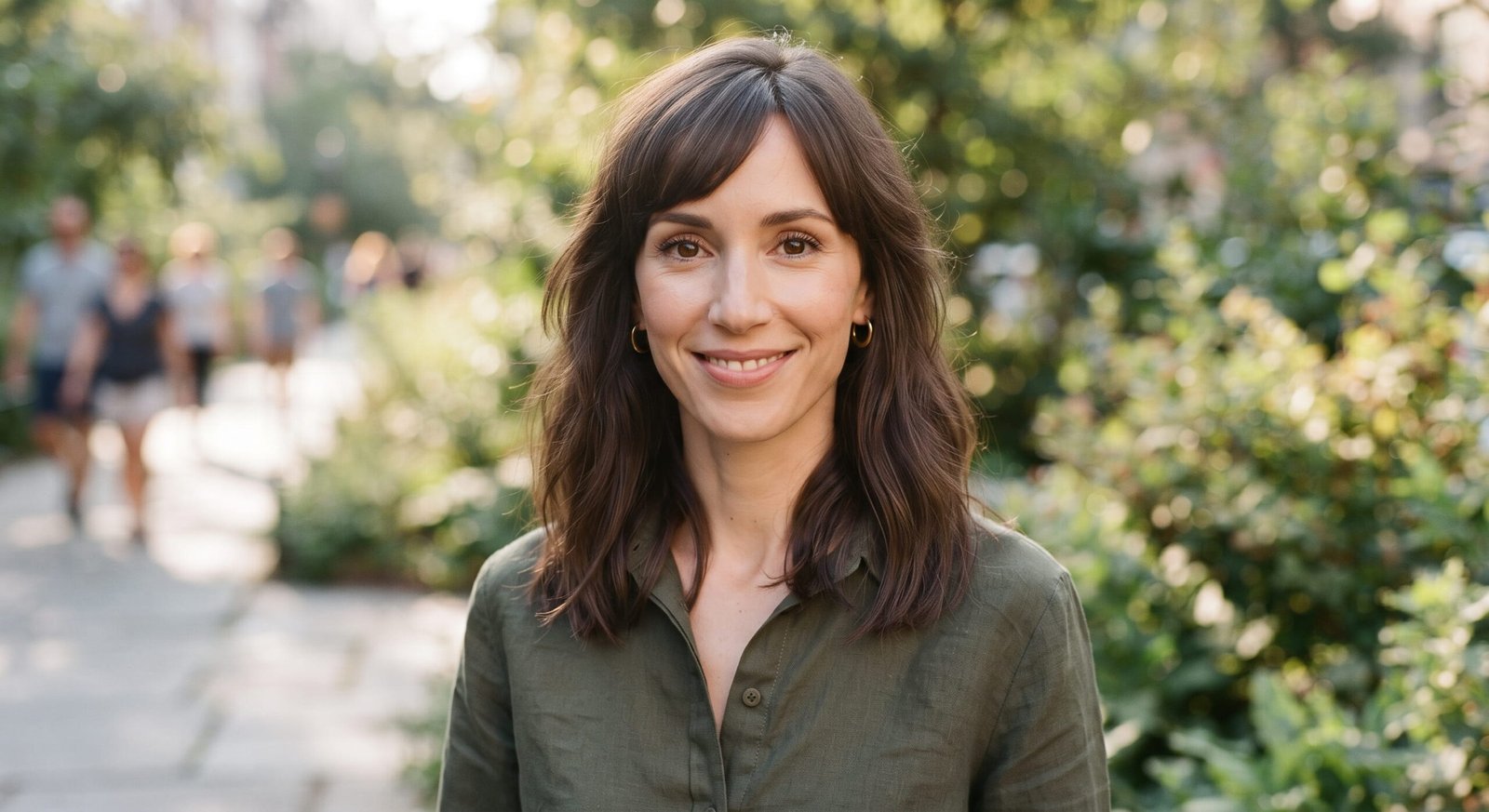
An oblong face shape is a facial structure in which the length of the face is noticeably greater than its width. The forehead, cheekbones, and jawline may have similar widths, creating an elongated outline. The chin is usually rounded or gently defined rather than sharply pointed.
An oblong face can resemble an oval face, but there is an important difference. Oval faces generally have more balanced length-to-width proportions, whereas oblong faces appear longer and narrower.
People with this face shape may have straight sides, high cheekbones, a longer forehead, or a more prominent chin. However, facial features vary considerably, and not everyone with an oblong face will share the same characteristics.
There is no single ideal face shape. Every facial structure has distinctive qualities, and identifying your proportions simply helps you make more informed styling choices.
How to Identify an Oblong Face Shape
If you are unsure whether your face is oblong, examine your facial proportions in a mirror or take a straight-on photograph with your hair pulled away from your face.
Look for these common characteristics:
- Greater facial length: Your face appears longer from the hairline to the chin than it is wide across the cheekbones.
- Relatively narrow outline: Your face may look slim compared with its length.
- Similar facial widths: Your forehead, cheekbones, and jawline may have relatively similar widths.
- Straight or gently curved sides: The outline may appear elongated without dramatic curves.
- Rounded or angular chin: Your chin may be softly rounded or slightly squared.
You do not need to match every characteristic to have an oblong face. Facial shapes exist on a spectrum, and some people have a combination of oblong and oval features.
Oblong Face Shape vs. Other Face Shapes
Understanding the differences between facial structures can help you identify your own proportions more confidently.
| Face shape | Main characteristics |
| Oblong | Longer than wide, with a relatively narrow outline |
| Oval | Balanced proportions, with a gently rounded jaw |
| Round | Similar length and width, with softer curves |
| Square | A broad forehead and a more defined jawline |
| Heart | Wider forehead and cheekbones with a narrower chin |
| Diamond | Prominent cheekbones with a narrower forehead and jaw |
Remember that these categories are styling guides rather than strict rules. Many people have features associated with more than one face shape.
Best Hairstyles for an Oblong Face Shape
Hairstyles can change the visual balance of the face without requiring any dramatic transformation. For an elongated facial structure, cuts that introduce horizontal movement, side volume, or fringe can create a balanced appearance.
1. Curtain Bangs
Curtain bangs are an excellent option for people who want to frame their faces without committing to a full fringe. They typically part in the middle and sweep toward the sides, creating a soft frame around the forehead and cheekbones.
For an elongated face, curtain bangs can visually shorten the forehead and draw attention to the eyes. They also work with straight, wavy, and curly hair when cut to suit the natural texture.
2. Side-Swept Bangs
Side-swept bangs introduce an attractive diagonal line across the forehead. This can soften the overall outline and create movement around the upper face.
They are particularly useful for people who want a subtle change rather than a completely new haircut. Side-swept fringe can be paired with shoulder-length hair, long layers, or a short bob.
3. Shoulder-Length Bob
A shoulder-length bob can add visual width around the cheeks and jawline. A softly textured or slightly wavy finish often works well because it prevents the hair from hanging in one narrow, straight line.
A blunt bob can also be flattering, particularly when its length and volume are adjusted to complement the individual’s features.
4. Layered Haircuts
Layers add movement, dimension, and fullness. For longer facial proportions, layers that begin around the cheekbones or jaw can create a balanced frame.
Avoid assuming that all long layers are unflattering. The key is placement. Layers that add volume around the sides may be more effective than a style that is extremely flat near the face.
5. Wavy Hairstyles
Soft waves introduce width and texture, especially around the cheekbones. They are a practical option for everyday styling because they can make the hair look fuller without requiring a complicated haircut.
You can create waves with a curling iron, rollers, braids, or heat-free styling methods. A lightweight styling product can help maintain definition without making the hair stiff.
6. Textured Lob
A long bob, commonly called a lob, falls somewhere between the chin and shoulders. A textured lob combines versatility with a shape that can add fullness to the sides.
This haircut suits many hair types and can be worn straight, wavy, or with a slight inward bend at the ends. Adding a side part may further soften the overall appearance.
7. Pixie Cut With Side Volume
Short hair can look excellent on an oblong face. A pixie cut with textured sides, a side-swept fringe, or volume around the temples can create a balanced silhouette.
If you prefer short hair, discuss the placement of volume and fringe with your stylist instead of following a universal face-shape rule.
8. Shoulder-Length Curly Hair
Natural curls can provide beautiful volume around the sides of the face. A well-shaped curly cut helps distribute fullness while preserving the natural curl pattern.
A stylist experienced with curly hair can adjust the layers to avoid excessive height at the crown or unwanted bulk in particular areas.
Hairstyles That May Be Less Flattering
There are no hairstyles that people with an oblong face must avoid. However, certain styling choices may emphasize facial length if that is not the look you want.
Consider these factors when selecting a haircut:
- Excessive height at the crown: Very tall hairstyles can make the face appear longer.
- Extremely flat, straight hair: Hair that lies close to the head may emphasize a narrow outline.
- Very long hair without shaping: One-length hair that hangs straight down can create a vertically elongated effect.
- Severe middle parts: A sharply defined center part with very flat hair may emphasize symmetry and length.
- High, tight updos: These can expose the entire facial outline and increase the impression of length.
These are styling considerations, not restrictions. A sleek center part, long straight hair, or a high ponytail can still look sophisticated if you enjoy that aesthetic.
Best Makeup Techniques for an Oblong Face
Makeup can emphasize facial features and adjust the appearance of proportions through light, shadow, and color. For an elongated face, the objective may be to emphasize the cheekbones, soften the outline, and create a harmonious finish.
1. Foundation and Base Makeup
Begin with a foundation that matches your skin tone and undertone. Apply it evenly, concentrating on areas that need coverage rather than creating a heavy layer across the entire face.
A natural-looking base allows the skin’s texture and facial features to remain visible. If you prefer a dewy finish, use a hydrating foundation; for a matte appearance, choose a formula suited to your skin type.
2. Contouring
Contouring creates the appearance of shadow in selected areas. If you want to make an elongated face appear slightly shorter, you can apply a small amount of contour near the hairline and beneath the chin, blending carefully.
Keep the product subtle and well blended. Strong, dark contour lines can look harsh in daylight and may not complement every skin tone.
3. Blush Placement
Blush can add color and dimension to the cheeks. For a softly balanced appearance, apply blush across the apples of the cheeks and blend slightly outward.
Cream blush creates a fresh, skin-like finish, while powder blush can provide longer-lasting color. Choose a shade that complements your undertone and personal style.
4. Highlighting the Cheekbones
A small amount of highlighter on the cheekbones can bring attention to the center of the face. Champagne, gold, rose, and pearl shades are common options, depending on your skin tone.
Apply highlighter sparingly if you prefer a natural finish. Excessive shine across the forehead and chin can draw additional attention to those areas.
5. Eye Makeup
Eye makeup is a versatile way to create emphasis without changing your natural features. Defined lashes, blended eyeshadow, and a carefully applied eyeliner can make the eyes stand out.
Smoky eyes, soft neutral shades, and colorful eyeliner can all work well. Choose a technique based on your eye shape, occasion, and preferred level of intensity rather than face shape alone.
6. Eyebrow Styling
Brows frame the upper face and help balance the eyes. A softly defined brow with a natural arch can complement many elongated facial structures.
Avoid choosing an eyebrow shape solely because it is recommended for a particular face shape. Consider your natural brow growth, forehead proportions, and eye placement for the most harmonious result.
7. Lip Color
Lipstick can provide a focal point and balance a makeup look. Nude, pink, coral, berry, and red shades are all possibilities.
If you prefer a subtle appearance, choose a shade close to your natural lip color. For evening makeup, a bold lip can add contrast and personality.
Best Glasses for an Oblong Face Shape
Glasses can influence how the length and width of your face appear. Frames with some horizontal emphasis may create a visually balanced effect.
Rectangular and Square Frames
Frames with defined corners can introduce structure and contrast with softer facial contours. Choose a size that fits your face comfortably and does not extend excessively beyond its natural width.
Oversized Frames
Moderately oversized glasses can create a stronger horizontal presence. However, the correct proportions matter more than the label “oversized.” Frames should fit your nose bridge, remain comfortable, and align appropriately with your eyes.
Wayfarer Frames
Wayfarer-inspired frames offer a versatile shape with a slightly wider appearance. They work with casual, professional, and smart-casual outfits.
Round Frames
Round glasses can soften angular features and provide contrast to a long facial outline. Depending on the frame size, they may create a more relaxed or artistic appearance.
Frames to Consider Carefully
Very narrow frames may emphasize facial length, especially if they occupy only a small area across the eyes. This does not mean they are unsuitable; they may simply create a different visual effect.
The best choice is a frame that fits your prescription, face, bridge, and personal style comfortably.
Best Hairstyles for Men With an Oblong Face Shape
Men with an elongated face can explore a wide range of haircuts, from classic business styles to textured modern looks.
Textured Fringe
A textured fringe places some hair across the forehead and can reduce the appearance of facial length. It works particularly well with short sides and a natural finish.
Side-Part Hairstyle
A side part creates structure and can be styled with moderate volume. Avoid adding excessive height if your goal is to make the face look less elongated.
Crew Cut
A crew cut is a clean, low-maintenance choice. Keeping some fullness on the sides may create a more balanced appearance than an extremely tight cut with a tall top.
Classic Caesar Cut
The Caesar haircut features short hair with a forward-combed fringe. Its horizontal front can be an appealing option for someone who wants a simple, easy-to-maintain style.
Medium-Length Textured Hair
Medium-length hair with natural movement can soften facial proportions. A barber can shape the sides and top to work with your hair density, texture, and preferred routine.
Facial Hair and Beard Styling
A beard can change the visual outline of the lower face. If you want a less elongated appearance, a fuller beard around the cheeks with a carefully controlled chin length may help create that effect.
A long, pointed beard can emphasize vertical length, whereas a shorter, more rounded beard may introduce a broader appearance. Choose a style that complements your natural growth and grooming preferences.
Accessories That Complement an Oblong Face
Accessories provide another way to express your style while balancing your overall appearance.
Earrings: Studs, medium hoops, and designs with some width can create a balanced look. Long, narrow earrings may emphasize vertical lines if that is not your preferred effect.
Hats: Baseball caps, berets, and hats with moderate brims can add variety to your appearance. Fit and crown height are important considerations.
Necklaces: Shorter necklaces and chokers can create horizontal emphasis around the neckline, while long pendants introduce additional vertical lines.
Sunglasses: Wider frames with comfortable proportions can complement the face and provide practical sun protection.
Hair accessories: Headbands, clips, and decorative pins can add interest around the sides of the head and work particularly well with half-up hairstyles.
There is no need to avoid an accessory simply because of its shape. Personal comfort and the look you want to achieve should guide your decision.
Hair Care Tips for Maintaining Your Style
Even the most suitable haircut looks better when the hair is healthy and manageable. A consistent routine can improve appearance and make everyday styling easier.
Choose Products for Your Hair Type
Fine hair may benefit from lightweight volumizing products, while thick or curly hair may respond better to conditioning creams and curl-enhancing products.
Avoid applying excessive product near the roots if it makes your hair look flat.
Maintain Regular Trims
Regular trims help maintain the shape of your haircut and reduce the appearance of split ends. The ideal interval depends on the haircut, hair growth, and how precisely you want to preserve the style.
Use Heat Carefully
Frequent use of hot styling tools can cause damage. Apply a suitable heat protectant, use moderate temperatures, and avoid repeated passes over the same section.
Support Scalp Health
Wash your hair according to your scalp’s needs. If your scalp becomes itchy, irritated, or persistently flaky, consider the cause rather than relying only on styling products.
Work With Your Natural Texture
A haircut that complements your natural hair pattern is often easier to maintain. Discuss your daily routine, styling time, and desired finish with your hairstylist or barber before choosing a new look.
How to Choose the Right Style for Your Lifestyle
The best style is one that complements your features and fits comfortably into your daily routine.
For a professional environment, consider a classic bob, a polished side part, or a softly layered haircut. These styles can look neat without requiring excessive styling.
For a casual appearance, textured waves, curtain bangs, a messy fringe, or a natural curly cut can provide movement and personality.
For formal occasions, a softly styled updo, a sleek low bun, or carefully defined waves can create an elegant finish. If you prefer an updo but want to soften the face, leave a few strands around the sides.
For low-maintenance grooming, choose a cut that works with your natural hair texture. A suitable haircut can reduce styling time and make it easier to maintain your preferred look.
Before changing your hairstyle, collect reference photos of people with similar hair texture and density. Explain which elements you like to your stylist rather than asking them to copy a photograph exactly.
Common Styling Mistakes to Avoid
When experimenting with your appearance, a few simple considerations can help you achieve better results.
- Following face-shape rules too strictly: Recommendations are starting points, not requirements.
- Ignoring hair texture: A style that works for straight hair may require different layering for curls.
- Using too much contour: Heavy application can look unnatural and create harsh shadows.
- Choosing glasses based only on trends: Proper fit and comfort are more important than fashion labels.
- Overlooking maintenance: Some haircuts require frequent trims and daily styling to retain their intended shape.
- Comparing yourself with edited photographs: Lighting, camera angles, filters, and retouching can change the appearance of facial proportions.
The most successful styling choices are those that help you feel comfortable and confident in your own appearance.
Conclusion
An oblong face shape is naturally versatile and can work with many different hairstyles, makeup techniques, glasses, and accessories. From curtain bangs and layered bobs to textured men’s haircuts and well-proportioned eyewear, there are numerous ways to highlight your features and express your personal style.
If you want your face to appear slightly shorter or wider, consider adding volume around the cheeks, experimenting with fringe, and choosing accessories that introduce horizontal emphasis. Makeup can also help draw attention to the eyes and cheekbones while creating a soft, balanced finish.
Most importantly, there are no strict rules that determine what you can wear or how you should style your hair. Use face-shape guidance as a helpful starting point, consider your natural features and lifestyle, and choose the looks that make you feel your best.
Frequently Asked Questions (FAQs)
1. What are the main characteristics of an oblong face shape?
An oblong face is generally longer than it is wide. It often has a relatively narrow outline, similar widths across the forehead and cheekbones, and a rounded or slightly angular chin.
2. Which hairstyle is best for an oblong face?
Layered bobs, curtain bangs, side-swept fringe, textured lobs, and soft waves are popular options. The most suitable haircut depends on your hair texture, density, and preferred style.
3. Are bangs suitable for an elongated face?
Yes. Curtain bangs, side-swept bangs, and textured fringes can frame the forehead and create a different visual balance. Choose a length and density that suit your hair type and facial features.
4. Should people with an oblong face avoid long hair?
No. Long hair can look beautiful on an oblong face. Layers, waves, and volume around the sides can add movement, while straight, one-length hair creates a sleek and elongated effect.
5. What glasses look best on an oblong face?
Rectangular, square, Wayfarer, moderately oversized, and round frames can all work well. Frame width, bridge fit, comfort, and personal preference are more important than following a strict rule.
6. How should you apply blush to an oblong face?
For a softly balanced appearance, apply blush to the apples of the cheeks and blend outward. Adjust the placement to suit your cheekbones and the effect you want to create.
7. What makeup techniques can complement an oblong face?
Subtle contouring near the hairline and beneath the chin, softly blended blush, and highlighting around the cheekbones can help adjust visual proportions. Use products and techniques that suit your skin type and desired finish.
8. Which haircuts suit men with an oblong face?
Textured fringes, Caesar cuts, classic side parts, crew cuts, and medium-length textured hairstyles are useful options. Moderate side volume may create a more balanced appearance if that is your goal.
9. Can facial hair change the appearance of an oblong face?
Yes. Beard length, fullness, and shape can influence the visual outline of the lower face. A fuller beard around the cheeks and a shorter chin length may create a broader impression.
10. Is an oblong face shape the same as an oval face?
No. Both can have balanced facial widths, but an oblong face generally appears longer and narrower. An oval face usually has a more moderate length-to-width ratio and a gently rounded outline.