Uneven Skin Tone: Causes, Treatments, and Tips
Introduction
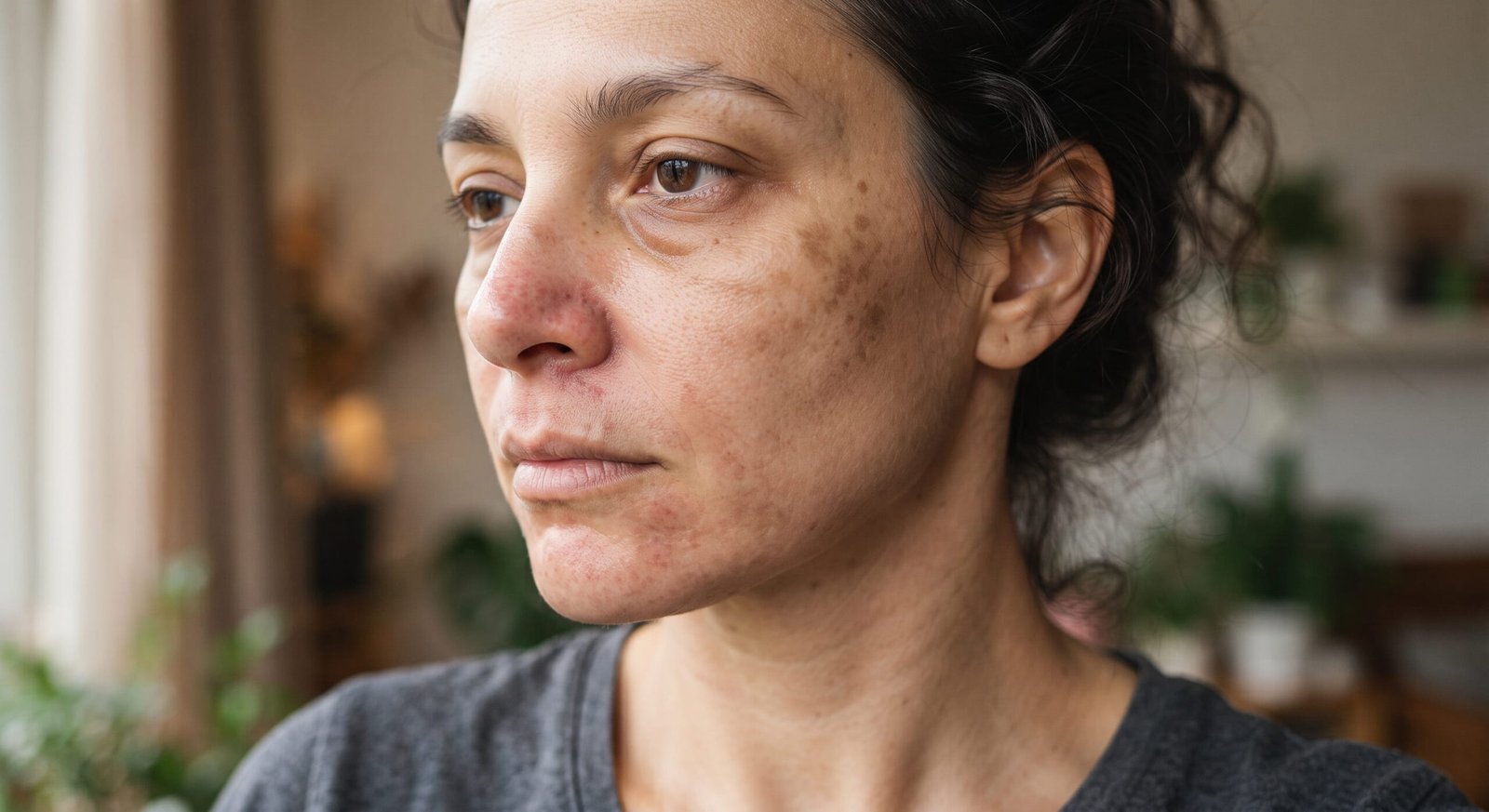
Uneven skin tone is a common skincare concern that affects people of different ages and skin types. It occurs when certain areas of the skin appear darker, lighter, redder, or more discolored than the surrounding skin. Some people notice brown spots on their cheeks, while others experience dark patches on the forehead, redness around the nose, or discoloration left behind after acne. Although uneven pigmentation is usually harmless, it can affect the overall appearance of the skin and make the complexion look less uniform.
Several factors contribute to changes in skin color, including sun exposure, hormonal fluctuations, inflammation, aging, and certain skincare habits. Fortunately, many forms of discoloration can improve with consistent skincare, sun protection, and appropriate treatments.
The most effective approach depends on identifying the underlying cause. A routine that helps with post-acne marks may not be suitable for redness or a condition that causes lighter patches. Understanding these differences can help you make informed skincare decisions and avoid unnecessary irritation.
This guide explains the common causes of uneven pigmentation, useful ingredients, professional treatments, daily skincare practices, and mistakes to avoid when working toward a healthier-looking complexion.
What Is Uneven Skin Tone?
Uneven skin tone refers to visible differences in color across the skin. These differences may develop gradually or appear after acne, sun exposure, irritation, or hormonal changes. The affected areas can be small spots, larger patches, or widespread discoloration.
Skin color is influenced partly by melanin, a pigment produced by specialized cells called melanocytes. Melanin helps determine a person’s natural skin color and provides some protection against ultraviolet radiation. When melanin production increases in certain areas, darker patches may develop. Reduced pigmentation can produce lighter areas, while inflammation or changes in blood vessels may contribute to redness.
Common forms include:
- Hyperpigmentation: Darker areas caused by increased melanin.
- Post-inflammatory hyperpigmentation: Brown, gray, or dark marks that remain after acne, eczema, injuries, or other inflammation.
- Melasma: Brown or gray-brown patches often associated with hormonal changes and sunlight.
- Redness: Uneven color related to irritation, inflammation, or visible blood vessels.
- Hypopigmentation: Areas that appear lighter because of reduced melanin.
- Sunspots: Flat brown spots that develop after cumulative sun exposure.
Identifying the type of discoloration is important because different conditions require different treatments.
Common Causes of Uneven Skin Tone
1. Sun Exposure
Ultraviolet radiation is one of the most important contributors to skin discoloration. When the skin receives sunlight, it increases melanin production as part of its protective response. Repeated exposure can lead to dark spots, freckles, and irregular pigmentation.
People who spend considerable time outdoors without adequate sun protection may notice discoloration on the face, forehead, cheeks, hands, neck, and chest.
UVA rays can penetrate deeply into the skin, while UVB rays contribute to sunburn and pigmentation changes. Both are relevant to long-term skin health.
Daily broad-spectrum sunscreen is therefore one of the most useful steps for preventing existing discoloration from becoming darker and reducing the development of new spots.
2. Acne and Skin Inflammation
Acne can leave marks even after pimples have healed. These marks are particularly common in people whose skin produces more melanin in response to inflammation.
Post-inflammatory hyperpigmentation may appear brown, dark brown, purple-brown, or gray, depending on skin tone and the depth of the pigment.
Picking, squeezing, or scratching pimples can worsen inflammation and increase the likelihood of persistent marks. Other inflammatory conditions, including eczema and contact dermatitis, may also leave discoloration.
Treating the underlying acne or inflammation is essential. Applying multiple strong exfoliating products to remove marks quickly can irritate the skin and make pigmentation worse.
3. Hormonal Changes
Hormonal fluctuations can influence melanin production. Pregnancy, certain hormonal medications, and other hormonal changes may contribute to melasma.
Melasma commonly appears as symmetrical brown patches on the cheeks, forehead, upper lip, or chin. Sunlight and visible light can aggravate the condition, making consistent photoprotection especially important.
Melasma often requires long-term management rather than a short course of treatment. It may improve with appropriate skincare and medical therapy, but recurrence is common, particularly after renewed sun exposure or hormonal changes.
4. Aging
As the skin ages, years of sunlight exposure and other environmental influences may become more visible. Brown spots, irregular pigmentation, and changes in skin texture can gradually develop.
Natural aging also affects collagen production, skin thickness, and the distribution of pigment. These changes may make the complexion appear less uniform.
Aging-related spots should not automatically be assumed to be harmless. A new, rapidly changing, irregular, or bleeding lesion should be examined by a dermatologist.
5. Harsh Skincare Products
Strong exfoliants, abrasive scrubs, fragranced products, and poorly formulated skin-lightening creams may cause irritation. Inflammation from these products can lead to redness, dryness, and additional pigmentation.
Using several active ingredients at the same time may increase this risk, particularly for sensitive skin.
A simpler routine with a gentle cleanser, moisturizer, and sunscreen is often a better starting point. New products should be introduced gradually so that irritation can be identified early.
6. Genetics and Natural Skin Characteristics
Genetics influence natural skin color, freckling, sensitivity, and the likelihood of developing certain pigmentation conditions. Some individuals naturally have freckles or areas with slightly different pigmentation.
People with darker skin tones may be more prone to noticeable post-inflammatory hyperpigmentation after acne or irritation. However, discoloration can affect every skin tone.
The goal of skincare should be to support healthy skin and address unwanted changes rather than trying to alter a person’s natural complexion.
7. Certain Medical Conditions and Medications
Some skin conditions can produce dark or light patches. For example, vitiligo causes areas of pigment loss, while certain fungal infections may cause lighter or darker patches, often on the trunk and shoulders.
Acanthosis nigricans can cause darker, thicker, velvety skin, especially around the neck, armpits, and groin. It may be associated with insulin resistance or other underlying health issues.
Some medications can also contribute to pigmentation changes or increase sensitivity to sunlight.
If discoloration appears suddenly, spreads rapidly, affects several body areas, or occurs with other symptoms, professional evaluation is advisable.
Best Skincare Ingredients for a More Even Complexion
The right ingredients can help improve certain forms of pigmentation. Results depend on the cause, product formulation, concentration, and consistency of use.
1. Vitamin C
Vitamin C is an antioxidant used in skincare to help protect against environmental damage and improve the appearance of dark spots. It can support a brighter-looking complexion when combined with daily sun protection.
Different formulations vary in stability and effectiveness. Some vitamin C products may irritate sensitive skin, so beginning with a gentle formulation and introducing it gradually is sensible.
Apply it according to the product instructions, usually in the morning before moisturizer and sunscreen.
2. Niacinamide
Niacinamide, a form of vitamin B3, supports the skin barrier and may help reduce the transfer of melanin to surrounding skin cells. It can improve the appearance of some dark spots while helping the skin retain moisture.
It is often well tolerated and may be useful for people who experience both discoloration and sensitivity.
A product containing approximately 2% to 5% niacinamide can be a reasonable starting point. Higher concentrations are not automatically more effective and may irritate some users.
3. Azelaic Acid
Azelaic acid can help manage acne, inflammation, and certain forms of hyperpigmentation. It is particularly useful when dark marks occur alongside acne-prone skin.
Lower-strength cosmetic products are available without a prescription in some markets, while stronger formulations may require medical guidance.
Temporary stinging, dryness, or irritation can occur. Start according to the product directions and avoid applying it to broken or severely irritated skin.
4. Retinoids
Retinoids, including retinol and prescription tretinoin, influence skin-cell turnover and can help improve acne and certain pigmentation concerns.
They may gradually improve post-acne marks and the appearance of sun-damaged skin. However, dryness, peeling, burning, and irritation are possible, particularly when treatment begins too aggressively.
Introduce retinoids slowly and use moisturizer. Prescription retinoids should be used under appropriate medical supervision. Topical retinoids are generally avoided during pregnancy; anyone pregnant or planning pregnancy should consult a healthcare professional before using them.
5. Alpha Hydroxy Acids
Glycolic acid and lactic acid are alpha hydroxy acids that exfoliate the skin’s surface. They may improve dullness, rough texture, and some superficial discoloration.
Overuse can damage the skin barrier and worsen pigmentation, especially in people who are prone to post-inflammatory marks.
Choose a suitable product, follow its instructions, and avoid combining multiple strong exfoliants without professional advice.
6. Tranexamic Acid
Topical tranexamic acid is used in some skincare products designed to improve the appearance of stubborn discoloration, particularly melasma.
The evidence and effectiveness vary by formulation, and it is not a guaranteed solution. Persistent melasma may require a dermatologist’s assessment and a treatment plan tailored to the individual.
Oral tranexamic acid is a different treatment and should not be taken for cosmetic pigmentation without medical evaluation because it can carry significant risks.
7. Hydroquinone
Hydroquinone is a skin-lightening medication used for selected pigmentation conditions, including melasma and certain dark spots. It reduces melanin production in treated areas.
It can be effective when appropriately prescribed, but misuse or prolonged unsupervised use can cause irritation and, rarely, ochronosis, a condition involving blue-black discoloration.
Use it only under appropriate professional guidance, follow the prescribed duration, and avoid unregulated skin-lightening products with uncertain ingredients.
How to Build a Daily Skincare Routine
A consistent routine is generally more helpful than using numerous products at once. Choose products according to your skin type and the type of discoloration you want to address.
Morning Routine
Step 1: Use a gentle cleanser.
Wash your face with a mild cleanser that removes oil, sweat, and residue without leaving your skin tight or uncomfortable. If your skin is very dry or sensitive, avoid harsh foaming products.
Step 2: Apply one suitable treatment.
Depending on your needs, consider vitamin C, niacinamide, or azelaic acid. You do not need to use all three at once. Introduce new ingredients gradually and stop if significant irritation develops.
Step 3: Moisturize.
Choose a moisturizer that supports the skin barrier. Ingredients such as ceramides, glycerin, and hyaluronic acid can help maintain hydration.
Well-hydrated skin often looks smoother and healthier, although moisturizer alone does not remove established pigmentation.
Step 4: Apply broad-spectrum sunscreen.
Use broad-spectrum SPF 30 or higher every day. Apply enough to cover the face, ears, neck, and other exposed areas. Reapply approximately every two hours while outdoors and after swimming or heavy sweating, following the product directions.
For melasma and some pigmentation concerns, a tinted sunscreen containing iron oxides may provide additional protection against visible light.
Evening Routine
Step 1: Cleanse thoroughly.
Remove sunscreen, makeup, and daily buildup using a gentle cleanser. Avoid vigorous rubbing or abrasive cleansing tools.
Step 2: Apply your selected treatment.
A retinoid, azelaic acid, or another suitable ingredient may be used depending on your skin’s tolerance and professional advice. Do not introduce several potent treatments simultaneously.
Step 3: Moisturize.
Apply moisturizer to reduce dryness and support the skin barrier. If you experience burning, persistent redness, or peeling, reduce the frequency or stop the suspected product and seek advice if symptoms continue.
Consistency, patience, and sun protection are more important than an unnecessarily complicated routine.
Professional Treatments for Uneven Skin Tone
When topical products do not provide sufficient improvement, a dermatologist may recommend professional treatment. The best option depends on the diagnosis, skin tone, medical history, and severity of discoloration.
Chemical Peels
Chemical peels use controlled exfoliating agents to improve selected pigmentation concerns and skin texture. Superficial peels may help some cases of acne-related discoloration.
The wrong peel, excessive strength, or poor aftercare can cause burns and additional pigmentation. People with darker skin tones should seek a clinician experienced in treating pigmentation across different skin types.
Laser Treatments
Certain laser devices target pigment or other structures in the skin. They may be useful for selected sunspots and other carefully diagnosed conditions.
However, laser treatment can worsen melasma or trigger post-inflammatory hyperpigmentation in susceptible individuals. Results depend on the device, settings, diagnosis, and operator experience.
A qualified dermatologist should determine whether laser treatment is appropriate before proceeding.
Microneedling
Microneedling creates controlled microscopic injuries in the skin to stimulate repair. It is used for selected concerns, including acne scars and some texture irregularities.
It is not a universal treatment for pigmentation, and it may worsen discoloration if performed incorrectly or on unsuitable skin. Professional assessment is recommended, especially when active acne, infection, or inflammatory skin disease is present.
Prescription Treatment
A dermatologist may recommend prescription-strength topical treatments or combinations for conditions such as melasma and persistent post-inflammatory hyperpigmentation.
Some treatment plans combine pigment-reducing medication with sunscreen and other supportive skincare. Follow-up is important because certain medications can cause irritation or other adverse effects if used incorrectly.
Natural Ways to Support Healthy-Looking Skin
Home care can support the skin barrier and reduce avoidable irritation, but natural ingredients should not be considered proven replacements for medical treatment.
- Aloe vera: A simple, fragrance-free formulation may soothe some people, although evidence for removing established pigmentation is limited.
- A balanced diet: Eating vegetables, fruits, whole grains, healthy fats, and adequate protein supports general health and provides essential nutrients.
- Adequate hydration: Drinking enough water supports normal bodily functions, although drinking extra water does not directly erase dark spots.
- Sufficient sleep: Regular, adequate sleep supports overall well-being and can help maintain healthy daily habits.
- Gentle cleansing: Avoiding unnecessary friction helps reduce irritation and the risk of further discoloration.
Do not apply lemon juice, undiluted essential oils, baking soda, or harsh homemade mixtures to the face. These substances can irritate or damage the skin and may make dark marks worse.
Common Mistakes to Avoid
Using Too Many Active Ingredients
Combining retinoids, exfoliating acids, strong vitamin C formulations, and other treatments too quickly can cause irritation. Introduce products individually and allow time to assess tolerance.
Skipping Sunscreen
Even effective treatments may produce limited results when the skin continues to receive substantial ultraviolet exposure. Sun protection is essential for prevention and maintenance.
Expecting Immediate Results
Pigmentation usually improves gradually. Some superficial marks may begin to fade within several weeks, while deeper discoloration and melasma can take months or longer. Treatment response varies considerably.
Using Unregulated Whitening Creams
Products with undisclosed ingredients may contain potent steroids, mercury, or other harmful substances. These can cause serious skin and health problems.
Avoid products that promise dramatic whitening in a few days or lack reliable ingredient information.
Ignoring the Underlying Condition
Dark marks caused by ongoing acne may continue to develop if the acne remains untreated. Similarly, redness caused by rosacea or dermatitis may require treatment directed at the underlying condition rather than a pigmentation serum.
Correct diagnosis helps prevent ineffective treatment and unnecessary irritation.
How Long Does It Take to Improve Uneven Skin Tone?
There is no single timeline because different types of discoloration respond differently.
Mild surface discoloration may improve after several weeks of consistent skincare. Post-inflammatory hyperpigmentation often takes months to fade, particularly when the pigment is deeper or the skin continues to experience inflammation.
Melasma can be persistent and may return even after successful treatment. Sunspots may require targeted professional treatment rather than skincare products alone.
Taking photographs under similar lighting conditions every four weeks can help you evaluate changes more accurately than checking the mirror several times each day.
If your skin becomes increasingly irritated or the discoloration worsens, reassess the routine with a dermatologist instead of adding stronger products.
When Should You See a Dermatologist?
Arrange a professional assessment if discoloration persists despite appropriate skincare, develops suddenly, spreads quickly, or is accompanied by itching, pain, scaling, or other symptoms.
Seek prompt medical evaluation for a spot that changes in size, shape, or color, develops irregular borders, bleeds, or fails to heal.
A dermatologist can distinguish pigmentation disorders from inflammatory conditions, infections, and other skin problems. This is particularly important when lighter patches appear, because conditions such as vitiligo and fungal infections require different management.
Professional guidance can also help you choose suitable treatments for sensitive or acne-prone skin and reduce the risk of treatment-related pigmentation.
Conclusion
Uneven skin tone can develop for many reasons, including sunlight, acne, hormonal changes, inflammation, aging, and certain medical conditions. Although the discoloration may be frustrating, a thoughtful skincare routine can improve many forms of pigmentation over time.
Start with gentle cleansing, regular moisturizing, and daily broad-spectrum sunscreen. Ingredients such as niacinamide, vitamin C, azelaic acid, and selected retinoids may help when they match your skin’s needs. More persistent conditions may benefit from prescription medication or carefully selected professional treatments.
Avoid harsh home remedies, unregulated whitening creams, and excessive exfoliation. These approaches can irritate the skin and sometimes make discoloration more noticeable.
Most importantly, identify the cause before choosing treatment. With appropriate care, realistic expectations, and consistent sun protection, many people can achieve a more balanced-looking complexion while maintaining healthy skin.
Frequently Asked Questions (FAQs)
1. What causes uneven skin tone?
Common causes include sun exposure, acne marks, hormonal changes, aging, inflammation, and irritation from skincare products. The appropriate treatment depends on the underlying cause.
2. How can I improve uneven skin tone naturally?
Use a gentle cleanser, moisturize regularly, protect your skin from sunlight, and maintain a balanced diet. Avoid harsh homemade remedies because they can cause irritation and worsen discoloration.
3. Which ingredient is best for dark spots?
Azelaic acid, niacinamide, vitamin C, retinoids, and selected other treatments may help. The best option depends on your skin type, the cause of pigmentation, and how sensitive your skin is.
4. Can sunscreen help with pigmentation?
Yes. Broad-spectrum sunscreen helps prevent sun-induced discoloration and reduces the worsening of many existing pigmentation problems. Tinted sunscreen containing iron oxides may offer additional visible-light protection for some people with melasma.
5. How long does it take for dark spots to fade?
Some marks improve within several weeks, but post-inflammatory pigmentation may take months or longer. Melasma can be persistent and may require ongoing maintenance.
6. Is niacinamide suitable for uneven skin tone?
Niacinamide may help improve the appearance of certain dark spots while supporting the skin barrier. It is generally well tolerated, but individual reactions vary.
7. Can acne cause permanent discoloration?
Acne-related dark marks often fade gradually, although this can take a long time. Deep acne scars and some persistent marks may need professional treatment. Picking pimples increases the risk of inflammation and scarring.
8. Are chemical peels safe for all skin types?
No. The safety of a peel depends on its ingredients, strength, application, and the person’s skin condition. Poorly selected peels can cause burns or worsen pigmentation, particularly in people prone to post-inflammatory hyperpigmentation.
9. Can uneven skin tone be completely cured?
Some forms of discoloration can resolve or improve substantially, while conditions such as melasma may recur. Identifying the cause, following an appropriate treatment plan, and protecting the skin from sunlight can help maintain results.
10. When should I consult a dermatologist about skin discoloration?
Consult a dermatologist when discoloration persists, worsens, spreads rapidly, or appears with itching, pain, or scaling. Seek prompt assessment for spots that change, bleed, or do not heal, or for new areas of unexplained pigment loss.