Undercut Haircut: A Complete Guide to Styles, Maintenance
Introduction
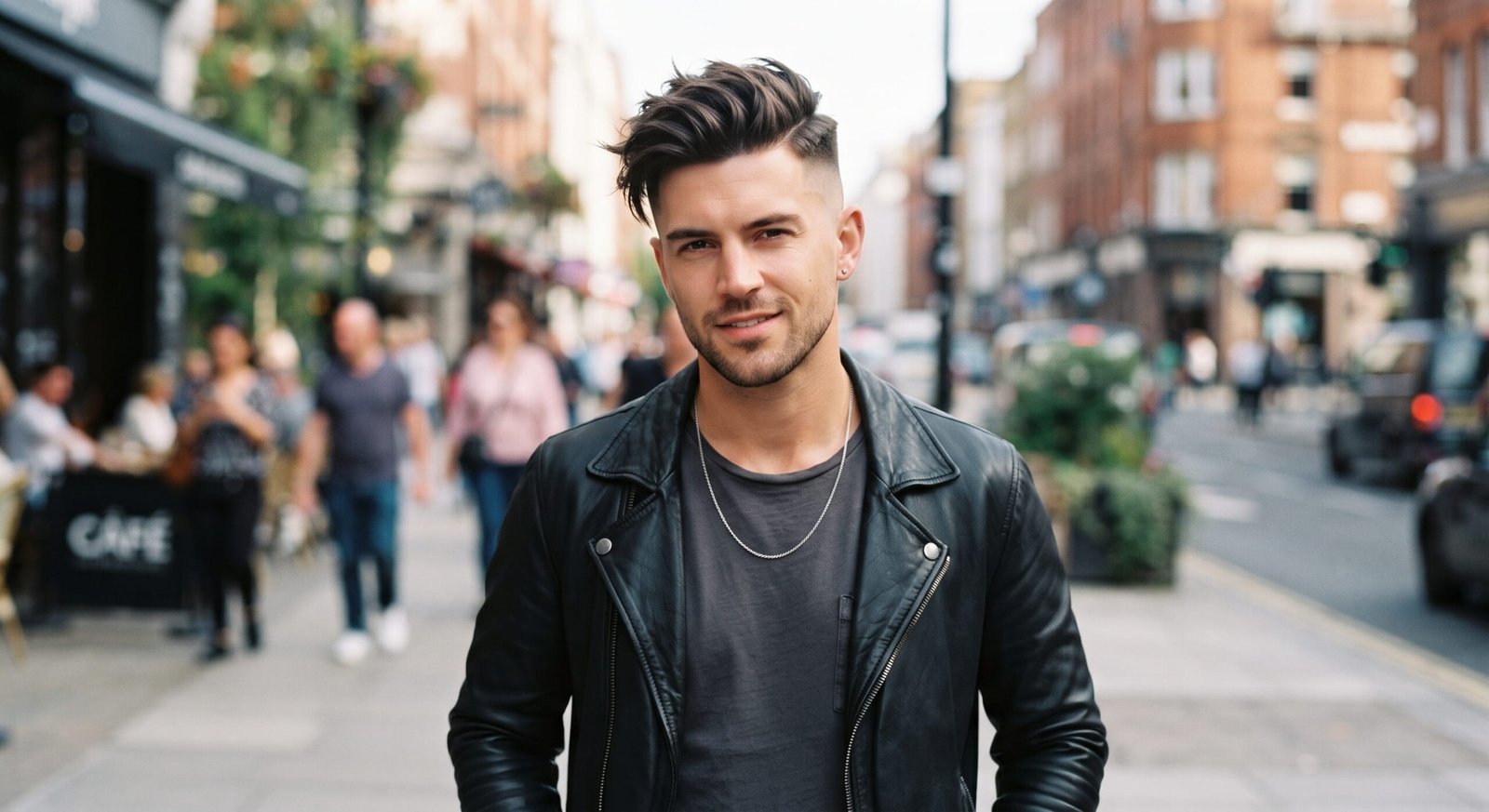
Haircuts have always been an important part of personal style, but some designs remain popular because they can be adapted to different personalities, hair types, and fashion preferences. The undercut haircut is one of those timeless styles. It creates a noticeable contrast between shorter or shaved sides and a longer section on top, giving the hair a sharp, modern, and often edgy appearance.
What makes this haircut especially versatile is the number of ways it can be customized. The top can be left long and textured, styled backward, swept to one side, curled, or kept relatively simple. The sides can also be faded, tapered, shaved, or disconnected from the top depending on the desired look.
Whether you want a bold transformation or a subtle modern haircut, understanding the different variations can help you choose a style that suits your face shape, hair texture, and daily routine.
What Is an Undercut Haircut?
An undercut is a hairstyle in which the hair around the sides and back is cut significantly shorter than the hair on top. The difference between the two sections creates a distinctive contrast.
Unlike a traditional fade, where the hair gradually becomes shorter from the top toward the neckline, an undercut can have a more obvious separation between the longer top and shorter sides. However, modern versions can combine an undercut with fades and tapers for a softer appearance.
The style can be adapted for short, medium, or long hair. It can also work with straight, wavy, curly, and thick textures when properly shaped.
Why Is the Undercut So Popular?
One major reason for its popularity is versatility. A single basic haircut can be transformed into several different looks depending on how the top is styled.
It can create a clean and polished appearance when paired with neatly combed hair. For a more casual appearance, the top can be textured and slightly messy. People who prefer an edgier style may choose shaved sides, hard lines, or a disconnected design.
Another advantage is that shorter sides can make the top appear fuller and more prominent. This contrast can add structure to the overall appearance of the hairstyle.
Popular Undercut Styles
1. Classic Undercut
The classic version features noticeably shorter sides and back with longer hair left on top. The top may be combed backward, to the side, or allowed to fall naturally.
It is a straightforward option for people who want a recognizable style without adding too many design elements.
2. Disconnected Undercut
A disconnected variation creates a strong separation between the top and sides. Instead of gradually blending the sections together, the transition is intentionally dramatic.
This version is particularly suitable for people who enjoy bold and contemporary hairstyles.
3. Undercut Fade
Combining an undercut with a fade creates a smoother transition around the sides. The hair gradually becomes shorter toward the lower sections.
This can make the haircut look more refined while maintaining the characteristic contrast between the top and sides.
4. Undercut With Long Hair
Longer hair on top provides many styling possibilities. It can be tied into a small bun, pulled into a ponytail, swept backward, or left loose.
The short sides create contrast with the longer upper section, producing a distinctive appearance.
5. Textured Undercut
A textured top works especially well for a relaxed, modern appearance. Layers, styling products, or natural waves can add movement and dimension.
This option is useful for people who do not want their hairstyle to look overly formal.
6. Curly Undercut
Curly hair can create an interesting contrast when the sides are kept short while the curls remain longer on top. The natural volume of curls can become the main feature of the hairstyle.
A barber should consider curl pattern and shrinkage before deciding how much length to remove.
7. Slicked-Back Undercut
For a polished appearance, the longer section can be combed backward using a suitable styling product. This creates a clean silhouette and works particularly well for formal occasions.
A lightweight product can provide control without making the hair appear excessively greasy.
8. Side-Parted Undercut
A side part adds structure to the longer top section. The sides remain short while the upper hair is divided and styled toward one side.
This variation can combine traditional grooming with a contemporary haircut.
Undercut Haircut for Different Face Shapes
Face shape can influence how a haircut looks. Although there are no strict rules, certain proportions may complement particular styles.
Oval Face
An oval face generally works well with many hairstyles. Different lengths and styling directions can be experimented with without dramatically changing facial proportions.
Round Face
People with rounder faces may prefer additional height on top. A textured or swept-back top can visually elongate the face.
Keeping excessive width around the sides can sometimes make the face appear broader, so a cleaner side profile may be preferable.
Square Face
Strong jawlines often pair well with structured hairstyles. A sharp undercut can emphasize the angular characteristics of a square face.
A slightly textured top can soften the overall appearance if desired.
Oblong Face
For longer face shapes, excessive height on top may make the face appear even longer. A moderate-length top with some natural texture can help maintain balanced proportions.
Heart-Shaped Face
A longer top can complement a narrower chin, especially when the styling creates balanced volume rather than excessive height.
Choosing the Right Version for Your Hair Type
Straight Hair
Straight hair makes it easy to create clean lines and polished styles. Slicked-back, side-parted, and disconnected versions are particularly easy to manage.
Wavy Hair
Wavy hair adds natural movement. A textured top can enhance this characteristic without requiring excessive styling.
Curly Hair
Curly hair can produce a bold contrast between the sides and top. It is important to account for shrinkage because curls often appear shorter after drying.
Thick Hair
An undercut can remove some visual weight from thick hair while leaving enough length on top for styling. However, the amount removed should be carefully planned to avoid an overly dramatic result.
Fine Hair
For fine hair, keeping some texture and volume on top can create the appearance of greater density. Heavy styling products may flatten the hair, so lighter products can be more useful.
How to Ask Your Barber for an Undercut
Before getting the haircut, it helps to explain exactly how much contrast you want.
Instead of simply saying “I want an undercut,” describe the length you want on top, how short you want the sides, and whether you prefer a fade or a disconnected transition.
Bringing a reference photograph is also helpful. A picture gives the barber a clearer idea of the desired length, shape, and styling direction.
You can also discuss your hair texture and how much time you normally spend styling your hair. A style that looks excellent in a photograph may require more daily maintenance than expected.
How to Style an Undercut
Styling depends largely on the length and texture of the top.
Start with clean, slightly damp hair. Apply a small amount of styling product and distribute it evenly through the longer section.
Avoid using excessive product. Too much can make the hair heavy, greasy, or difficult to reshape.
Maintenance and Haircut Frequency
One of the main considerations with this hairstyle is maintaining the shorter sides. As the hair grows, the contrast gradually becomes less noticeable.
People who want a very sharp appearance may need a barber visit every few weeks. Those who prefer a softer, grown-out look can wait longer.
The top generally requires less frequent trimming, especially when the goal is to maintain longer hair.
Regular washing, conditioning, and occasional trimming can also help keep the longer section healthy.
Advantages of an Undercut
There are several reasons people choose this hairstyle:
- It offers a modern and distinctive appearance.
- The sides are easy to maintain.
- It works with many hair textures.
- The top can be styled in numerous ways.
- It can be combined with fades and other techniques.
- It creates strong visual contrast.
- It can accommodate both casual and formal styling.
Potential Drawbacks
Despite its versatility, the style is not completely maintenance-free.
The shorter sections may require regular trimming to maintain a crisp appearance. If the top is kept long, styling may also take additional time.
Another consideration is growing it out. Because there is a significant difference between the short sides and longer top, the growing-out phase can look uneven. Patience and occasional reshaping may be necessary.
Is an Undercut Easy to Maintain?
The answer depends on the specific version.
A very short, sharply defined design requires more frequent barber appointments. A softer variation with slightly longer sides can be easier to maintain.
The top also determines the daily effort. Short textured hair may require only a small amount of product, while long hair may need brushing, blow-drying, or additional styling.
Choosing a version that matches your routine is therefore important.
Can an Undercut Work for Professional Settings?
Yes. A conservative version can look neat and professional. Keeping the contrast moderate, maintaining clean edges, and styling the top neatly can make the haircut suitable for many workplaces.
A dramatic disconnected design, shaved patterns, or extremely long top may be less appropriate for conservative professional environments.
If workplace expectations are important, choosing a subtle variation provides more flexibility.
Tips for Getting the Best Results
Consider these points before making the change:
- Think about your lifestyle. Choose a style that fits your daily routine.
- Consider your natural texture. Work with your hair rather than fighting against it.
- Use a reference photo. This makes communication with your barber easier.
- Decide how much contrast you want. The difference between the top and sides determines the overall character.
- Think about maintenance. Very sharp sides need more frequent trimming.
- Choose appropriate styling products. Product weight should match your hair type.
- Do not ignore the growing-out phase. Plan how you will manage the style as it gets longer.
Final Thoughts
The undercut remains a popular choice because it combines strong visual contrast with plenty of styling flexibility. From classic and polished designs to textured, curly, faded, and disconnected versions, there is a variation for many different preferences.
The best result depends not only on the haircut itself but also on hair texture, face shape, lifestyle, and maintenance expectations. A skilled barber can adjust the length and proportions to create a style that complements your features.
If you are considering this haircut for the first time, start with a version that fits your everyday routine. You can always experiment with different lengths and styling techniques as your hair grows.
Frequently Asked Questions
1. What is an undercut haircut?
It is a hairstyle where the sides and back are kept significantly shorter than the hair on top. The contrast can be sharp or blended depending on the chosen variation.
2. Is an undercut suitable for all hair types?
It can work with straight, wavy, curly, thick, and fine hair. The ideal length and styling method may differ according to the natural texture.
3. How often should an undercut be trimmed?
For a sharp appearance, the shorter sides may need trimming every few weeks. A softer version can be left longer between appointments.
4. What is the difference between an undercut and a fade?
A fade gradually transitions from longer hair to shorter hair. An undercut generally creates a stronger contrast between the top and the shorter sides.
5. Can women wear an undercut?
Yes. Undercut designs can be adapted for women with short, medium, or long hair. The shorter section can be subtle or highly visible depending on personal preference.
6. Does an undercut make hair look thicker?
The shorter sides can make the longer hair on top appear more prominent. However, it does not actually increase hair density.
7. Can curly hair have an undercut?
Absolutely. Curly hair can create a striking contrast with short sides. The barber should account for curl shrinkage when determining the length.
8. Is an undercut difficult to style?
Not necessarily. Some versions require only minimal product and finger styling, while longer or slicked-back versions may take more time.
9. Can an undercut be professional?
Yes. A clean, conservative version can be appropriate for professional environments. The amount of contrast and styling should match workplace expectations.
10. Is an undercut still fashionable?
Yes. The basic concept continues to evolve through fades, textures, longer tops, curls, and other modern variations, making it adaptable to changing trends.