Skin Texture: Causes, Skincare Tips, and Effective Treatments
Introduction
Healthy skin does not always look perfectly smooth. Small pores, fine lines, tiny bumps, and mild unevenness are common features of normal skin. However, when the surface feels rough, looks bumpy, or appears uneven under natural light, you may want to understand what is causing the change.
Skin texture can be influenced by dead skin cell buildup, dryness, acne, sun exposure, aging, and certain skin conditions. The right approach depends on the underlying cause, which is why choosing products based on your skin’s needs is more helpful than following every skincare trend.
With a consistent routine, suitable ingredients, and professional treatment when necessary, many people can improve the appearance and feel of their skin. This guide explains common causes, practical skincare steps, treatment options, and mistakes to avoid.
What Is Skin Texture?
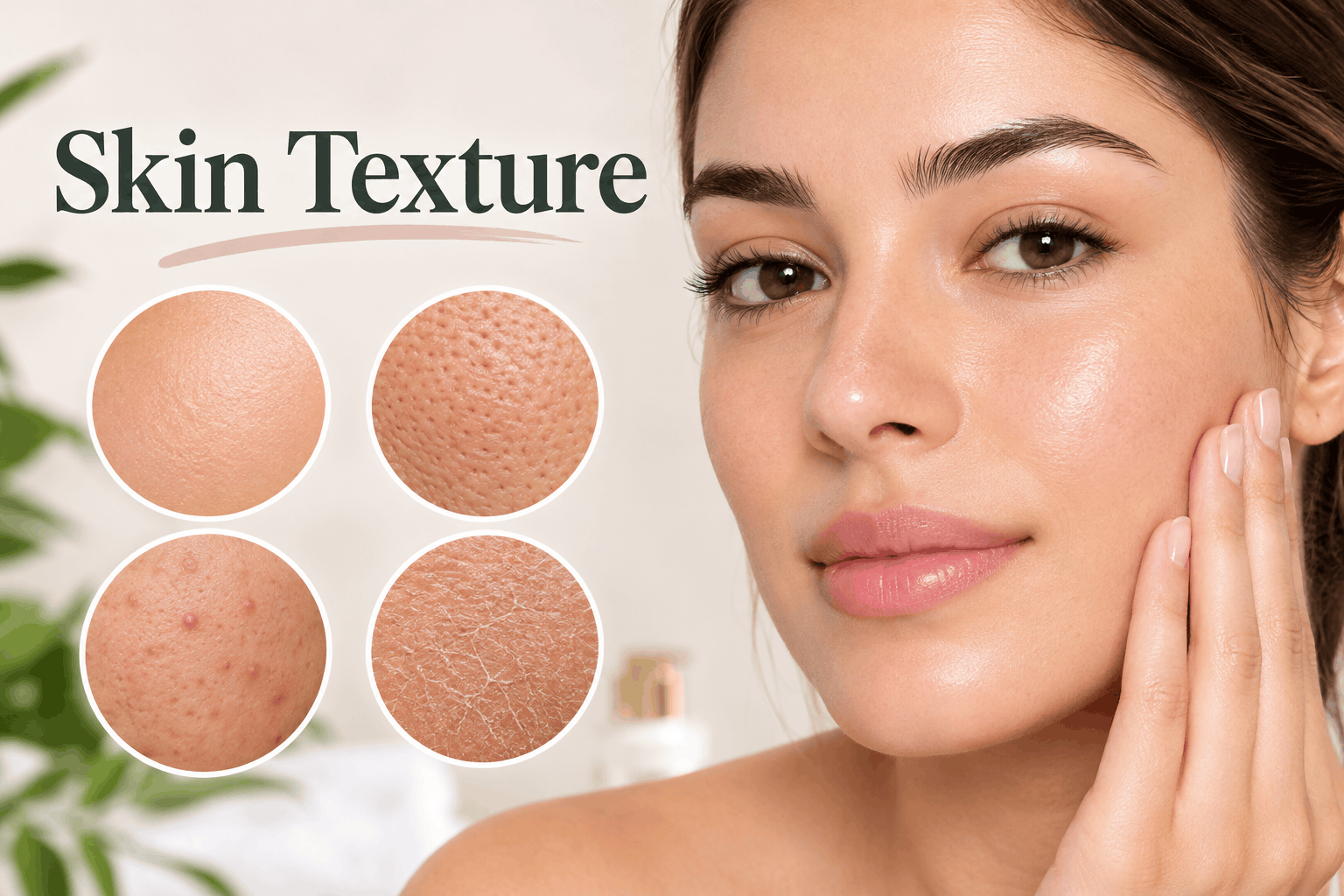
Skin texture describes how the surface of your skin looks and feels. Smooth skin has a relatively even surface, while uneven texture may include visible pores, rough patches, tiny bumps, acne marks, or shallow scars.
Some variation is completely normal. Pores are natural openings that release oil and sweat, and they are more visible in certain areas, particularly around the nose and cheeks. Skin also changes with age, environmental exposure, and hormonal fluctuations.
Common forms of uneven texture include:
- Small bumps across the forehead or cheeks
- Rough or flaky patches
- Enlarged-looking pores
- Dry, tight skin
- Acne-related marks and shallow scars
- Fine lines and wrinkles
- Uneven areas caused by sun damage
Identifying the type of texture you have is the first step toward selecting an appropriate skincare routine.
Common Causes of Uneven Skin Texture
1. Dead Skin Cell Buildup
The skin naturally sheds old cells and replaces them with new ones. Sometimes, dead cells accumulate on the surface, contributing to a dull appearance or rough feel.
Exfoliating ingredients can help loosen this buildup, but aggressive scrubbing may damage the skin barrier. Gentle, gradual exfoliation is usually preferable to using several strong products at once.
2. Dehydration and Dryness
When the skin lacks sufficient water or its protective barrier is impaired, it may appear dull, flaky, or uneven. Fine lines can also become more noticeable when the skin is dehydrated.
Dryness can be influenced by cold weather, hot showers, harsh cleansers, low humidity, and certain skincare treatments.
A suitable moisturizer helps reduce water loss and supports the skin’s natural protective barrier.
3. Clogged Pores and Comedones
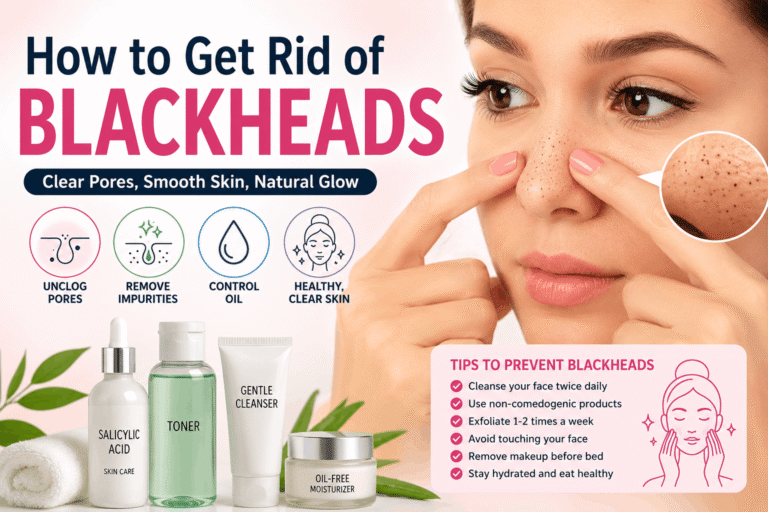
Oil, dead skin cells, and other material can accumulate inside hair follicles, contributing to blackheads and whiteheads. These small bumps may make the skin feel less smooth.
Products containing salicylic acid may help unclog pores in some people. However, persistent or inflamed bumps may require a different approach, particularly if they are caused by a condition other than acne.
4. Acne and Acne Scars
Acne can leave temporary discoloration, persistent bumps, or depressed scars. Inflammatory acne may damage deeper skin structures, sometimes producing indentations that remain after breakouts have healed.
Different scar types respond to different treatments. Active acne should generally be controlled before procedures aimed at improving established scars.
5. Excess Oil Production
Sebum is a natural oil that helps protect the skin. When oil production is high, pores may look more noticeable, and some people develop blackheads or acne.
Using harsh cleansers to remove every trace of oil can worsen irritation and dryness. A gentle cleanser and a suitable lightweight moisturizer are often better choices.
6. Sun Exposure
Ultraviolet radiation contributes to premature skin aging and can damage collagen and elastin, proteins that support skin structure. Over time, sun exposure may contribute to fine lines, roughness, pigmentation, and changes in elasticity.
Daily sun protection helps prevent further damage and supports the results of other skincare treatments.
7. Aging
As people age, collagen production and skin renewal change. The skin may become thinner, drier, or less elastic, while fine lines and textural irregularities become more visible.
Genetics, sun exposure, smoking, and other lifestyle factors can influence how these changes develop.
8. Hormonal Changes
Hormonal fluctuations during puberty, menstrual cycles, pregnancy, and certain medical conditions can affect oil production and acne. As a result, some people notice new bumps or unevenness at particular times.
Persistent adult acne, especially when accompanied by irregular periods or increased facial hair, may warrant medical assessment for an underlying hormonal issue.
9. Skin Conditions
Several skin conditions can change the skin’s surface. These include keratosis pilaris, eczema, rosacea, and folliculitis.
For example, keratosis pilaris can cause small, rough bumps, often on the upper arms or thighs. Rosacea may cause redness and visible blood vessels, while folliculitis can produce inflamed bumps around hair follicles.
Because these conditions require different care, persistent or unusual changes should not automatically be treated as ordinary clogged pores.
How to Identify Your Skin Texture Concerns
Before changing your routine, consider what you notice most often.
Rough or flaky skin: This may indicate dryness, irritation, or a disrupted skin barrier.
Tiny bumps: These may be closed comedones, milia, folliculitis, or another condition. Their appearance and location can help a professional distinguish between them.
Visible pores and blackheads: Excess oil and clogged follicles may contribute to the appearance.
Indented scars: These may be related to previous inflammatory acne or other skin injuries.
Fine lines and crepey texture: Dehydration, aging, and sun exposure can contribute.
Red, itchy, or burning areas: These symptoms may suggest irritation or an inflammatory skin condition rather than a simple texture concern.
If you are uncertain about the cause, avoid starting multiple active ingredients at the same time. A dermatologist can assess persistent or unexplained changes.
A Simple Skincare Routine for Smoother Skin
A consistent routine is often more useful than an elaborate collection of products. The goal is to clean the skin gently, maintain hydration, protect against ultraviolet radiation, and introduce targeted ingredients when appropriate.
Morning Routine
Step 1: Use a Gentle Cleanser
Wash your face with a mild cleanser suited to your skin type. Avoid products that leave your skin feeling tight, stinging, or excessively dry.
People with dry or sensitive skin may prefer a creamy cleanser, while those with oilier skin may find a gentle gel formula more comfortable.
Step 2: Apply a Moisturizer
Moisturizers help support the skin barrier and reduce dryness-related roughness.
Ingredients such as glycerin, ceramides, and hyaluronic acid can help maintain hydration. If you are prone to clogged pores, choose a formula labeled non-comedogenic, while remembering that individual reactions can vary.
Step 3: Use Broad-Spectrum Sunscreen
Apply broad-spectrum sunscreen with SPF 30 or higher to exposed skin. Reapply according to the label, especially after sweating, swimming, or extended outdoor exposure.
Sun protection is particularly important when using exfoliating acids or retinoids, which can make the skin more sensitive to irritation.
Evening Routine
Step 1: Remove Makeup and Sunscreen
Gently remove makeup and sunscreen without rubbing or scrubbing. If necessary, use a suitable makeup remover followed by a mild cleanser.
Step 2: Apply a Targeted Ingredient
Choose one product based on your main concern. Options may include salicylic acid for clogged pores, lactic acid for some rough or dry surfaces, or a retinoid for acne and certain signs of photoaging.
Start with a low-strength product and use it less frequently at first. Follow the product instructions and reduce use if irritation develops.
Step 3: Moisturize
Finish with a moisturizer to help maintain hydration and reduce the risk of dryness. If your skin is irritated, simplify your routine and temporarily pause potentially irritating active products.
Skincare Ingredients That May Improve Texture
Not every ingredient suits every skin type. Results depend on the cause of the unevenness, product formulation, and consistent use.
1. Salicylic Acid
Salicylic acid is a beta hydroxy acid that can penetrate oil within pores. It is commonly used in products designed for blackheads, whiteheads, and acne-prone skin.
It may help reduce congestion, but overuse can cause dryness, redness, or peeling. Begin gradually and avoid combining several exfoliating products before you know how your skin responds.
2. Alpha Hydroxy Acids
Alpha hydroxy acids, including glycolic acid and lactic acid, help loosen the bonds between dead skin cells at the surface.
They may improve the appearance of roughness and dullness. Stronger formulas can irritate the skin, so product strength and frequency should be chosen carefully.
3. Retinoids
Retinoids influence skin-cell turnover and are used for concerns such as acne, clogged pores, and some signs of photoaging. Options include over-the-counter retinol and prescription retinoids.
They can cause dryness, irritation, and peeling, especially during the initial weeks. Introduce them gradually and use moisturizer and sunscreen.
Topical retinoids should generally be avoided during pregnancy or when trying to conceive unless a qualified healthcare professional specifically advises otherwise.
4. Niacinamide
Niacinamide, a form of vitamin B3, can support the skin barrier and may help with oiliness and the appearance of uneven tone.
It is available in many moisturizers and serums. A higher concentration is not necessarily more effective, and even well-tolerated ingredients can irritate some individuals.
5. Hyaluronic Acid
Hyaluronic acid attracts and holds water, helping the skin feel hydrated and temporarily making dehydration-related fine lines less noticeable.
It does not remove acne scars or permanently shrink pores, but it can improve the look and feel of dry skin when included in an appropriate moisturizing routine.
6. Ceramides
Ceramides are lipids that help form the skin’s protective barrier. Moisturizers containing ceramides can be particularly useful for dry or sensitive skin.
A healthier barrier may reduce flaking and irritation, making the skin feel more comfortable and even.
7. Azelaic Acid
Azelaic acid can help manage certain forms of acne and post-inflammatory discoloration. It may also be used in some cases of rosacea under appropriate guidance.
Its suitability depends on the concern being treated and the product formulation. Irritation is possible, especially when it is introduced alongside other active ingredients.
Professional Treatments for Uneven Skin Texture
When home skincare does not sufficiently improve a concern, a dermatologist may recommend a procedure. The choice depends on whether the problem involves acne, scars, pigmentation, sun damage, or another condition.
1. Chemical Peels
Chemical peels use controlled exfoliating agents to remove some layers of the skin. Depending on the formulation and depth, they may improve certain forms of acne, discoloration, roughness, or fine lines.
Possible side effects include redness, peeling, irritation, and pigmentation changes. Deeper peels carry greater risks and require careful professional assessment, especially for people prone to post-inflammatory hyperpigmentation.
2. Microneedling
Microneedling uses fine needles to create controlled micro-injuries that stimulate the skin’s healing response. It may help improve certain depressed acne scars and selected textural concerns.
Several sessions may be needed, and results develop gradually. Improper technique or unclean equipment can lead to infection, scarring, and pigmentation changes. Professional assessment is particularly important for darker skin tones and people with active acne or inflammatory skin conditions.
3. Fractional Laser Treatments
Fractional lasers target small areas of skin while leaving surrounding tissue relatively untreated. Certain devices can stimulate collagen remodeling and improve selected acne scars, fine lines, and sun-related texture changes.
The type of laser, treatment depth, skin tone, and recovery period all influence suitability. Some treatments carry a risk of burns or post-inflammatory pigmentation, so they should be performed by an appropriately trained professional.
4. Dermabrasion
Dermabrasion mechanically removes controlled layers of skin and may be used for selected scars or other surface irregularities. It is more intensive than ordinary exfoliation and requires appropriate expertise.
Recovery may involve significant redness, wound care, and temporary changes in skin color. It is not the right choice for every skin type or scar pattern.
5. Prescription Acne Treatment
If clogged pores and active acne are responsible for unevenness, prescription treatment may be more appropriate than a cosmetic procedure. Depending on the diagnosis, a clinician may recommend topical retinoids, other topical medicines, or oral treatments.
Controlling ongoing acne helps reduce the risk of new scars. Treatment should be tailored to the type and severity of acne and any other health considerations.
6. Subcision and Other Scar Procedures
Some depressed acne scars are attached to deeper tissue. Subcision is a procedure in which a trained clinician releases certain fibrous attachments beneath the scar.
Other options may include carefully selected fillers or combination treatments. Raised scars require different approaches from depressed scars, so accurate scar classification matters before choosing a procedure.
Natural Habits That Support Healthy Skin
Healthy daily habits can support the skin, although they cannot eliminate every scar or structural irregularity.
Stay Hydrated
Drinking enough water supports normal body function. Adequate hydration may help overall well-being, but drinking extra water beyond your needs will not independently remove acne scars or permanently smooth pores.
Eat a Balanced Diet
Include a variety of vegetables, fruits, whole grains, healthy fats, and protein sources. Nutritional needs differ between individuals, and no single food can guarantee clear or smooth skin.
If you suspect that a particular food consistently worsens a skin condition, discuss the pattern with a qualified professional instead of adopting a restrictive diet without guidance.
Get Adequate Sleep
Regular, sufficient sleep supports general health and recovery. Poor sleep may contribute to fatigue and make some people feel that their skin looks dull, although sleep alone will not correct established scarring.
Avoid Smoking
Smoking is associated with skin aging and may impair normal tissue repair. Avoiding tobacco can support overall health and skin quality.
Be Gentle With Your Skin
Repeated scrubbing, picking at blemishes, and using irritating home remedies can worsen inflammation and increase the risk of marks or scars.
Avoid applying lemon juice, baking soda, undiluted essential oils, or harsh household substances to the face. These can irritate or damage the skin.
Common Mistakes to Avoid
Over-Exfoliating
Using multiple acids, scrubs, and retinoids too frequently can weaken the skin barrier and cause burning, peeling, or redness.
Introduce one active product at a time and allow your skin to adjust. More frequent use does not always produce faster results.
Changing Products Too Often
Many skincare products need several weeks of consistent use before their effects can be assessed. Changing products every few days makes it difficult to determine what is helping or causing irritation.
Ignoring Moisturizer
Even oily skin can become dehydrated or irritated. A suitable moisturizer can support the barrier and improve comfort without necessarily making the skin greasy.
Expecting Instant Results
Surface dryness may improve relatively quickly with appropriate moisturizing, but acne, pigmentation, and scars often take longer to respond. Some structural changes require professional treatment.
Treating Every Bump as Acne
Small bumps may have different causes, including milia, folliculitis, keratosis pilaris, or irritation. Using acne products without identifying the cause may delay appropriate treatment.
How Long Does It Take to Improve Skin Texture?
The timeline depends on the underlying issue and the treatment used.
- Dryness-related roughness: May improve within days to a few weeks with suitable moisturizing.
- Clogged pores: Often require several weeks of consistent, appropriate treatment.
- Post-acne discoloration: May take months to fade, depending on the depth and cause.
- Depressed acne scars: Often require professional assessment and may improve gradually over multiple sessions.
- Sun-related aging: Results vary, and preventing additional damage is an important part of care.
These are general expectations, not guarantees. Stop a product if it causes significant irritation, and seek advice if symptoms worsen or do not improve.
When Should You See a Dermatologist?
Arrange a professional assessment if your skin texture changes suddenly, bumps persist despite gentle care, or acne is painful and leaving scars.
You should also seek advice for persistent itching, swelling, burning, crusting, or a rash that does not resolve. Painful, rapidly spreading redness or signs of infection may require prompt medical attention.
A dermatologist can distinguish between common cosmetic concerns and medical skin conditions, then recommend a treatment plan suited to your skin type and medical history.
Conclusion
Uneven skin texture can result from dryness, clogged pores, acne scars, sun exposure, aging, or underlying skin conditions. Understanding the cause makes it easier to choose effective care rather than relying on harsh scrubs or too many active products.
A gentle cleanser, appropriate moisturizer, daily sunscreen, and carefully selected ingredients can improve many surface concerns over time. For deeper scars or persistent conditions, professional treatments may provide additional options. Consistency, patience, and attention to your skin’s response are key to maintaining healthier-looking skin.
Frequently Asked Questions (FAQs)
1. What causes uneven skin texture?
Common causes include dryness, dead skin cell buildup, clogged pores, acne, scarring, sun exposure, aging, and certain skin conditions. The right treatment depends on the underlying cause.
2. How can I improve my skin texture at home?
Use a gentle cleanser, moisturizer, and broad-spectrum sunscreen. If appropriate, introduce one targeted ingredient, such as salicylic acid or a retinoid, gradually and according to its instructions.
3. Which ingredient is best for rough skin?
The best option depends on the cause. Moisturizers containing glycerin or ceramides may help dryness, while selected exfoliating acids may help surface roughness. Sensitive skin may need a simpler routine.
4. Can drinking water make skin smoother?
Adequate water intake supports normal health, but drinking extra water does not independently remove scars or permanently shrink pores. Moisturizers are generally more useful for directly addressing surface dryness.
5. Does exfoliation help uneven skin texture?
Gentle exfoliation can help with some dead skin buildup and clogged pores. However, over-exfoliation may cause irritation and worsen unevenness, so the product and frequency should suit your skin.
6. Can acne scars be removed completely?
Some scars can improve with appropriate treatment, but complete removal is not always possible. A dermatologist can identify the scar type and discuss realistic results from procedures or prescription treatments.
7. Is retinol helpful for skin texture?
Retinol may help with clogged pores, acne, and certain signs of photoaging. It can cause irritation, so gradual introduction is important. Retinoids should generally be avoided during pregnancy or while trying to conceive unless advised by a qualified clinician.
8. How long does it take to see smoother skin?
Some dryness-related changes improve within days or weeks, while acne and discoloration may take longer. Established scars often require professional treatment and multiple sessions.
9. Can oily skin also have rough texture?
Yes. Oily skin can develop clogged pores, acne, and irritation. Gentle cleansing, suitable moisturization, and targeted treatment can help address these concerns without stripping the skin.
10. When should I consult a dermatologist?
Seek professional advice for persistent bumps, painful acne, scarring, sudden changes, or ongoing itching and irritation. A dermatologist can identify the cause and recommend appropriate treatment.