Skin Care Products: Types, Benefits, and How to Choose the Right Products
Introduction
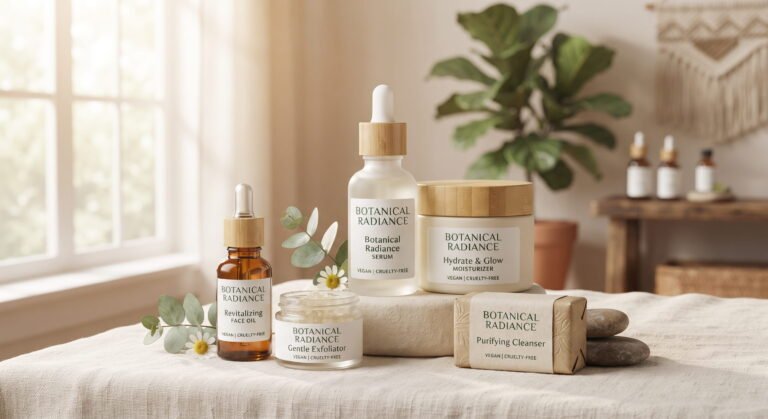
Healthy-looking skin usually starts with a simple and consistent routine. With so many skin care products available today, choosing the right ones can sometimes feel confusing. From cleansers and moisturizers to serums, sunscreens, exfoliators, and treatments, each product is designed to support a particular part of your skincare routine.
The best skincare routine does not necessarily require dozens of products. What matters most is understanding your skin type, identifying your main concerns, and selecting products that suit your individual needs. Using the right products regularly can help maintain the skin barrier, improve hydration, protect against environmental damage, and keep the skin looking smoother and more balanced.
This guide explains the major types of skincare products, their purposes, how to use them, and what to consider when building a practical daily routine.
What Are Skin Care Products?
Skin care products are topical preparations designed to cleanse, moisturize, protect, or improve the appearance and condition of the skin. They can range from basic daily-use products to targeted treatments for specific concerns.
Common examples include:
- Facial cleansers
- Toners
- Moisturizers
- Sunscreens
- Serums
- Exfoliators
- Face masks
- Eye creams
- Acne treatments
- Body lotions
- Lip care products
Different formulations contain different ingredients and serve different purposes. For example, hyaluronic acid is commonly used for hydration, while salicylic acid is often included in products designed for acne-prone or oily skin.
Why Is a Skin Care Routine Important?
The skin acts as a protective barrier between the body and the external environment. A suitable skincare routine can help support this barrier while addressing concerns such as dryness, excess oil, breakouts, uneven texture, or sun exposure.
A consistent routine may help:
- Remove dirt, oil, and impurities
- Maintain skin hydration
- Support the natural skin barrier
- Reduce the appearance of dryness
- Protect skin from ultraviolet radiation
- Improve the appearance of uneven texture
- Manage excess oil
- Support clearer-looking skin
However, skincare is not about using as many products as possible. Excessive cleansing, frequent exfoliation, or combining multiple strong active ingredients may irritate the skin.
Types of Skin Care Products
1. Facial Cleansers
Cleansers are usually the first step in a skincare routine. They remove accumulated oil, sweat, makeup, sunscreen, and surface impurities.
Different cleansers are available for different skin types. Cream or lotion-based cleansers may be suitable for dry or sensitive skin, while gel or foaming formulas are often preferred by people with oily skin.
A cleanser should leave the skin feeling clean without causing excessive tightness or discomfort.
2. Toners
Toners are lightweight products applied after cleansing. Modern toners can have different purposes, including hydration, soothing, or mild exfoliation.
Hydrating toners may contain ingredients such as glycerin or hyaluronic acid. Some exfoliating toners contain acids such as alpha hydroxy acids or beta hydroxy acids.
Toners are optional rather than essential for everyone. If your cleanser, moisturizer, and sunscreen already meet your needs, you may not need one.
3. Moisturizers
Moisturizers help reduce water loss from the skin and support a comfortable skin barrier. They are useful for virtually every skin type, including oily and acne-prone skin.
Moisturizers may contain ingredients such as:
- Ceramides
- Glycerin
- Hyaluronic acid
- Squalane
- Dimethicone
- Petrolatum
People with oily skin often prefer lightweight lotions or gel moisturizers, while dry skin may benefit from richer creams.
4. Sunscreen
Sunscreen is one of the most important daytime skincare products. Regular sun protection helps reduce ultraviolet exposure and can help prevent sunburn and premature visible skin aging.
Broad-spectrum sunscreen protects against both UVA and UVB radiation. A product with SPF 30 or higher is commonly recommended for routine sun protection.
Apply sunscreen as the final step of your morning skincare routine and reapply when appropriate, particularly during prolonged outdoor exposure, sweating, or swimming.
5. Serums
Serums are concentrated formulations designed to deliver specific ingredients to the skin. Different serums target different concerns.
Common serum ingredients include:
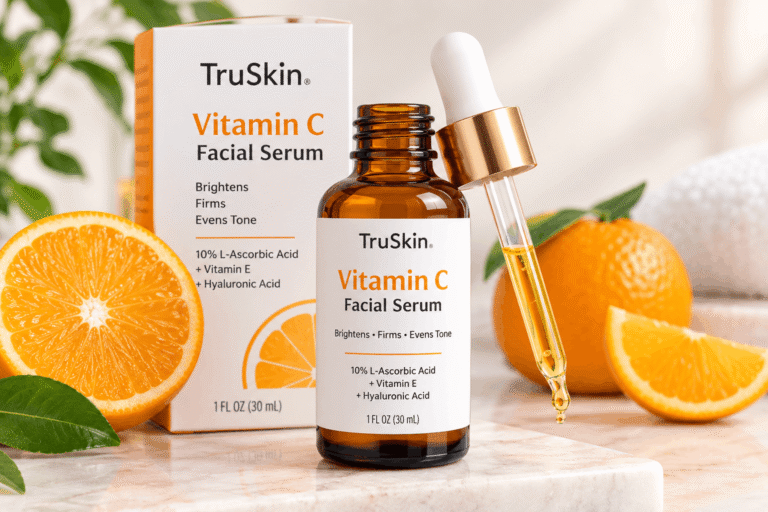
- Vitamin C
- Niacinamide
- Hyaluronic acid
- Retinoids
- Azelaic acid
- Peptides
For example, hydrating serums may focus on improving moisture, while antioxidant serums can be incorporated into routines focused on protecting skin from environmental stressors.
6. Exfoliators
Exfoliators help remove or loosen dead skin cells from the surface of the skin. They can be divided broadly into physical and chemical exfoliators.
Physical exfoliators use particles or tools to provide mechanical exfoliation. Chemical exfoliators commonly use ingredients such as glycolic acid, lactic acid, or salicylic acid.
Over-exfoliation can cause dryness, redness, burning, or irritation. For this reason, exfoliation should be introduced gradually rather than used excessively.
7. Face Masks
Face masks are available in many formulations, including clay, cream, gel, sheet, and overnight masks.
Their purposes vary. Some are designed to provide hydration, while others focus on absorbing excess oil or temporarily improving the appearance of dull skin.
Masks can complement a skincare routine but are not usually a replacement for basic products such as moisturizer and sunscreen.
8. Acne Skin Care Products
People with acne-prone skin may use products containing ingredients such as salicylic acid, benzoyl peroxide, or adapalene.
These ingredients have different mechanisms and are not appropriate for every individual or situation. It is also important to avoid repeatedly changing acne products because irritation can make skin concerns more difficult to manage.
Persistent, painful, or severe acne may require assessment by a dermatologist.
9. Eye Care Products
The skin around the eyes is delicate and can show dryness or fine lines. Eye creams are formulated specifically for this area, although a suitable facial moisturizer may also be sufficient for some people.
Some eye products contain caffeine, peptides, retinoids, or moisturizing ingredients. Products should be applied gently without rubbing the delicate skin.
10. Body Care Products
Skincare extends beyond the face. Body lotions, creams, body washes, and exfoliating products can help maintain comfortable and hydrated skin.
Ingredients such as urea, lactic acid, ceramides, and glycerin are commonly found in body care formulations.
Choosing Skin Care Products for Your Skin Type
Understanding your skin type can make product selection easier.
Oily Skin
Oily skin tends to produce more sebum and may appear shiny, particularly around the forehead, nose, and chin.
Consider:
- Lightweight moisturizers
- Gel-based products
- Non-comedogenic formulations
- Gentle cleansers
- Appropriate exfoliating ingredients
Avoid aggressively stripping the skin because excessive dryness can contribute to irritation.
Dry Skin
Dry skin may feel tight, rough, flaky, or uncomfortable.
Look for:
- Cream-based moisturizers
- Ceramides
- Glycerin
- Hyaluronic acid
- Gentle cleansers
- Occlusive ingredients
Very hot water and harsh cleansers may worsen dryness.
Combination Skin
Combination skin has both oily and dry areas. For example, the T-zone may become oily while the cheeks remain relatively dry.
A balanced routine using a gentle cleanser, lightweight moisturizer, and sunscreen may work well. Products can also be adjusted according to different areas of the face.
Sensitive Skin
Sensitive skin may react easily to fragrances, harsh exfoliants, or certain active ingredients.
Choose products with simple formulations and introduce new products one at a time. Fragrance-free products may be preferable for people who are sensitive to fragrance ingredients.
Normal Skin
Normal skin is generally well balanced without significant excessive oiliness or dryness. Even so, maintaining a basic routine is useful.
A simple combination of cleanser, moisturizer, and sunscreen can provide a good foundation.
Important Ingredients in Skin Care Products
Understanding common ingredients can help you make more informed choices.
Hyaluronic Acid
Hyaluronic acid is a humectant that helps attract and retain water, making it popular in hydrating products.
Niacinamide
Niacinamide, a form of vitamin B3, is used in many skincare formulations and may support the skin barrier while helping with the appearance of uneven tone and excess oil.
Vitamin C
Vitamin C is an antioxidant frequently included in morning skincare products. It is often used to support a brighter-looking complexion and provide antioxidant protection.
Retinoids
Retinoids are vitamin A derivatives used for several skin concerns, including acne and signs of photoaging. They can cause irritation when first introduced, so gradual use is often appropriate.
Salicylic Acid
Salicylic acid is a beta hydroxy acid that can penetrate oily pores and is commonly found in products for acne-prone skin.
Ceramides
Ceramides are lipids naturally present in the skin. They are frequently included in moisturizers designed to support the skin barrier.
Glycerin
Glycerin is a humectant that helps attract water to the skin and is widely used in moisturizers and cleansers.
Morning Skin Care Routine
A simple morning routine can include:
- Gentle cleanser
- Optional hydrating or treatment serum
- Moisturizer
- Broad-spectrum sunscreen
If you use a vitamin C serum, it is commonly applied before moisturizer and sunscreen.
The routine does not need to be complicated. Consistency is generally more important than having a large collection of products.
Night Skin Care Routine
A basic nighttime routine may include:
- Cleanser
- Treatment product or serum
- Moisturizer
If you use a retinoid or another active treatment, follow the product instructions and introduce it gradually to reduce the risk of irritation.
How to Introduce New Skin Care Products
Introducing several new products at the same time makes it difficult to identify which product is helping or causing irritation.
Instead:
- Introduce one new product at a time.
- Follow the product’s instructions.
- Start strong active ingredients gradually.
- Stop using a product if significant irritation develops.
- Consider patch testing when appropriate.
- Avoid combining multiple irritating treatments without professional guidance.
People with eczema, rosacea, severe acne, or other persistent skin problems may benefit from individualized dermatological advice.
Common Skin Care Mistakes
Even good products may cause problems when used incorrectly.
Using Too Many Products
A complicated routine can increase the chance of irritation. Start with the essentials and add targeted products only when needed.
Skipping Sunscreen
Many skincare efforts can be undermined by regular unprotected sun exposure. Sunscreen should be an important part of daytime skincare.
Over-Exfoliating
Exfoliating too often can compromise the skin barrier and cause redness, dryness, or sensitivity.
Sleeping With Makeup On
Makeup and sunscreen should generally be removed before bed, especially after a long day.
Changing Products Too Frequently
Skin often needs time to adjust to a new routine. Constantly switching products can make it difficult to determine what actually works.
How to Build a Simple Skin Care Routine
You do not need a shelf full of products to create an effective routine. Start with three basic categories:
Morning:
- Cleanser
- Moisturizer
- Sunscreen
Night:
- Cleanser
- Moisturizer
Once these basics are established, a targeted serum or treatment can be added according to your specific skin concern.
For example, someone concerned about acne may consider an acne-focused active ingredient, while someone primarily concerned with dryness may focus on barrier-supporting moisturizers.
Are Expensive Skin Care Products Better?
Price does not automatically determine whether a skincare product is suitable. Some affordable products contain well-established ingredients and can work effectively.
When comparing products, consider:
- Ingredients
- Formulation
- Skin type
- Product stability
- Evidence for the active ingredient
- Individual tolerance
- Packaging
- Ease of regular use
A simple product that you can use consistently may be more practical than an expensive product that irritates your skin.
Final Thoughts
Choosing the right skin care products starts with understanding your skin rather than following every new skincare trend. A basic routine built around cleansing, moisturizing, and sun protection can provide a strong foundation. Targeted products can then be added according to concerns such as acne, dryness, uneven tone, or signs of aging.
Remember that everyone’s skin responds differently. If a product causes persistent burning, swelling, severe redness, or other significant reactions, discontinue it and seek appropriate professional advice. For ongoing or complicated skin concerns, a dermatologist can help identify suitable treatment options.
10 Frequently Asked Questions About Skin Care Products
1. What are the most important skin care products?
The basic essentials are a gentle cleanser, moisturizer, and broad-spectrum sunscreen. Additional products can be selected according to individual skin concerns.
2. How many skin care products should I use?
There is no fixed number. A simple routine with a few suitable products is often enough. Additional treatments can be introduced when there is a specific reason to use them.
3. Which skin care products are best for dry skin?
Dry skin generally benefits from gentle cleansers and moisturizing creams containing ingredients such as ceramides, glycerin, hyaluronic acid, or other barrier-supporting ingredients.
4. Which products are suitable for oily skin?
People with oily skin may prefer lightweight, non-comedogenic moisturizers, gentle cleansers, and products containing ingredients such as salicylic acid when appropriate.
5. Should I use moisturizer if I have oily skin?
Yes. Oily skin still needs hydration. A lightweight gel or lotion moisturizer may feel more comfortable than a heavy cream.
6. Is sunscreen really necessary every day?
Daily sun protection is an important part of skincare because ultraviolet exposure contributes to sunburn and long-term skin damage. Broad-spectrum sunscreen can help protect exposed skin.
7. Can I use multiple serums together?
Some serums can be combined, but not every active ingredient works well with every other ingredient. Using too many active products may increase irritation, so introduce products gradually.
8. How long does it take for skin care products to work?
The timeframe varies depending on the product, ingredient, skin concern, and individual. Hydration may improve relatively quickly, while concerns such as acne or uneven pigmentation may require a longer consistent routine.
9. Can skin care products cause irritation?
Yes. Fragrances, preservatives, active ingredients, exfoliating acids, and retinoids can cause irritation in some people. Using products gradually and following instructions can reduce unnecessary irritation.
10. When should I see a dermatologist?
Consider seeing a dermatologist for persistent acne, unexplained rashes, severe dryness, recurring irritation, suspicious skin changes, or skin concerns that do not improve with basic care.