Hibiclens: Uses, Benefits, How to Use, and Safety Tips
Introduction
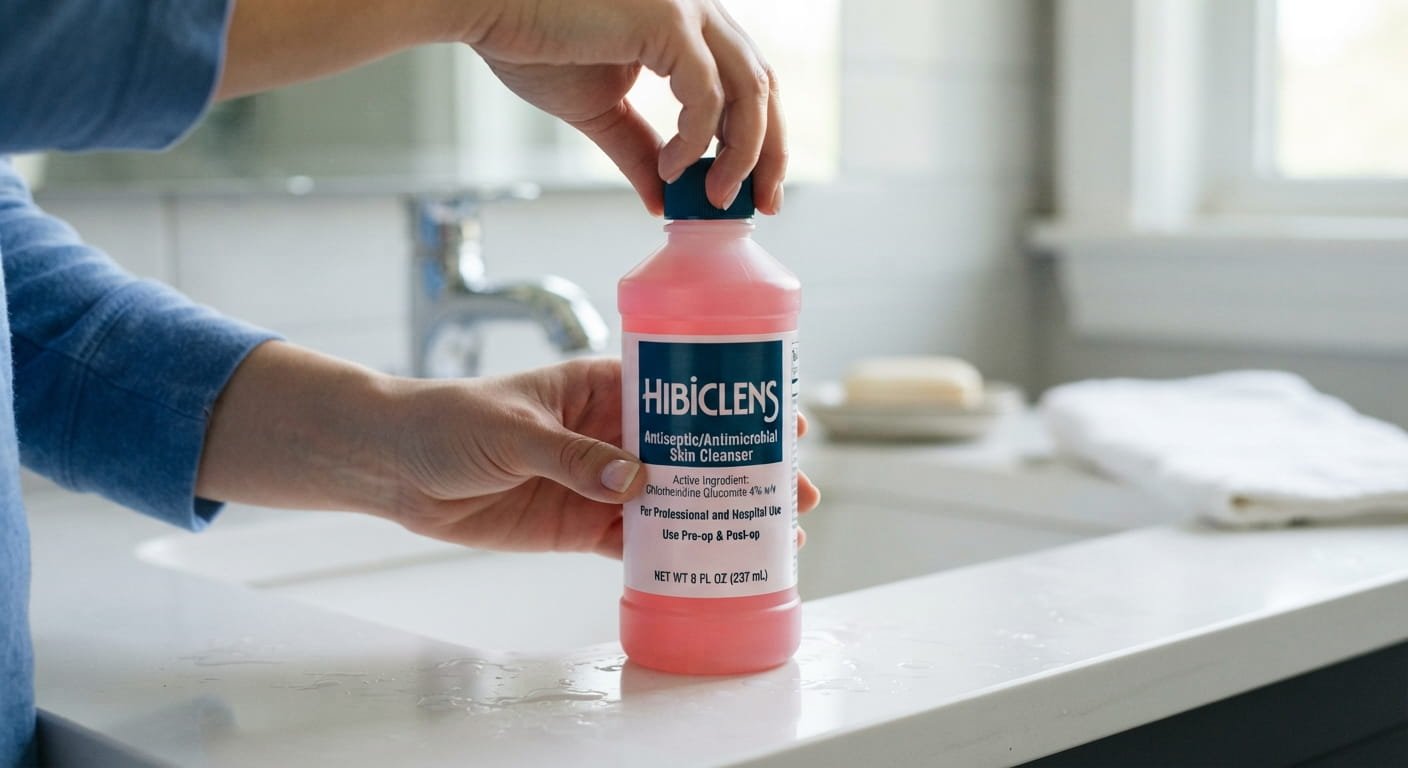
Hibiclens is an antiseptic skin cleanser that contains chlorhexidine gluconate, an ingredient known for reducing many types of bacteria on the skin. Unlike an ordinary body wash, Hibiclens is designed specifically for antiseptic cleansing and has particular instructions and safety precautions.
It is commonly associated with healthcare settings, where chlorhexidine-based products may be used for skin preparation before certain procedures. Some people may also encounter Hibiclens when looking for products for body cleansing, acne, odor, or other skin concerns. However, using an antiseptic cleanser for these purposes is not always appropriate.
Knowing how Hibiclens works, where it can be used, and which areas should be avoided can help prevent unnecessary irritation or injury. This guide covers its common uses, benefits, application, precautions, side effects, and frequently asked questions.
What Is Hibiclens?
Hibiclens is a topical antiseptic cleanser containing chlorhexidine gluconate (CHG) as its active ingredient. Chlorhexidine works by damaging the membranes of susceptible microorganisms, which helps lower the number of bacteria on the skin.
The product is different from regular soap because its primary purpose is antimicrobial cleansing rather than simply removing dirt, sweat, and oils.
Hibiclens should always be used according to its product directions. More frequent or excessive use does not necessarily provide better results and may increase skin irritation.
How Does Hibiclens Work?
The active ingredient in Hibiclens, chlorhexidine gluconate, interacts with microorganisms on the skin and can disrupt their cell membranes. This antimicrobial effect helps reduce susceptible bacteria.
Chlorhexidine can also remain active on the skin after washing, which is one reason it is used in certain healthcare applications.
However, Hibiclens is not designed to eliminate every microorganism, and it should not be considered a substitute for medical treatment when an infection is present.
Common Uses of Hibiclens
Preoperative Skin Preparation
One of the best-known uses of chlorhexidine cleansers is skin preparation before certain surgical procedures.
A healthcare facility may recommend a specific bathing or cleansing protocol before surgery to help reduce microorganisms on the skin. Instructions can differ depending on the procedure, so patients should follow the directions provided by their surgical or medical team.
Antiseptic Skin Cleansing
Hibiclens may be used for antiseptic cleansing when specifically appropriate. Healthcare professionals may recommend chlorhexidine products in certain situations where reducing bacteria on the skin is important.
Certain Healthcare Procedures
Chlorhexidine is widely used in healthcare environments because of its antimicrobial properties. The concentration, application method, and frequency depend on the particular medical application.
This does not mean that everyone should routinely use Hibiclens at home. Its use should match the product directions or professional advice.
Benefits of Hibiclens
The main benefit of Hibiclens is its antimicrobial action.
Potential benefits include:
- Helps reduce susceptible bacteria on the skin
- Provides antiseptic cleansing
- Can have persistent antimicrobial activity on the skin
- May be used as part of certain preoperative cleansing protocols
- Has established applications in healthcare settings
The benefits depend on appropriate use. Hibiclens is not intended to replace treatment prescribed for bacterial, fungal, or viral infections.
How to Use Hibiclens
Always check the label for the specific product you have because instructions can vary.
When used for external skin cleansing according to the product directions, the general process may include:
- Wet the skin with water.
- Apply the recommended amount of product.
- Gently cleanse the appropriate skin area.
- Rinse thoroughly.
- Dry the skin with a clean towel.
Avoid applying it to areas that the product label identifies as unsuitable.
If your healthcare provider has given you special instructions before surgery or another procedure, follow those instructions rather than a general bathing routine.
Where Should Hibiclens Not Be Used?
Hibiclens requires careful handling because chlorhexidine can cause injury when it comes into contact with certain sensitive areas.
Keep Hibiclens away from:
- Eyes
- Ears
- Mouth
- Nose and mucous membranes
- Genital areas unless specifically directed
- Areas where the product is not approved for use
It is especially important to avoid contact with the eyes. Chlorhexidine can cause serious eye injury.
Do not intentionally introduce Hibiclens into the ear canal because chlorhexidine can be harmful to the structures of the ear.
Can Hibiclens Be Used on the Face?
Hibiclens is not generally intended to be a routine facial cleanser. The face contains sensitive areas, especially around the eyes and mouth, where accidental exposure can be dangerous.
If you are considering Hibiclens because of acne, oily skin, facial odor, or another facial concern, speak with a dermatologist before using it.
There are many products specifically formulated for facial skin that may be more appropriate.
Hibiclens for Acne
Hibiclens is sometimes promoted online as an acne cleanser, but it is not a standard first-line treatment for facial acne.
Acne develops through several factors, including clogged pores, inflammation, sebum production, and changes involving skin microorganisms. Standard acne treatments may include ingredients such as benzoyl peroxide, salicylic acid, or topical retinoids depending on the individual’s condition.
Using a strong antiseptic cleanser repeatedly on facial skin may cause dryness or irritation without addressing the underlying causes of acne.
Hibiclens for Body Odor
Body odor develops partly because microorganisms break down substances in sweat and produce odor-causing compounds. Since chlorhexidine reduces certain microorganisms, some people consider it for odor control.
However, Hibiclens is not simply a deodorant or routine body wash. Frequent unnecessary use may cause irritation and alter the normal microbial environment of the skin.
For persistent or unusual body odor, it is better to identify the underlying cause rather than repeatedly using an antiseptic cleanser.
Hibiclens for Sensitive Skin
People with sensitive skin may experience irritation when using antiseptic cleansers.
Possible symptoms include:
- Dryness
- Redness
- Itching
- Burning
- Rash
- Skin discomfort
If significant irritation develops, discontinue use and seek medical advice if symptoms persist or worsen.
Anyone with a previous reaction to chlorhexidine should tell healthcare professionals before receiving treatment or using chlorhexidine-containing products.
Hibiclens and Chlorhexidine Allergy
Chlorhexidine can cause allergic reactions in some people. Although severe reactions are uncommon, they can be serious.
Potential symptoms of a severe allergic reaction include:
- Hives
- Swelling of the face or throat
- Difficulty breathing
- Severe widespread rash
- Dizziness or fainting
Emergency medical attention is needed if symptoms suggest a serious allergic reaction.
If you have previously experienced an allergic reaction to chlorhexidine, avoid using products containing it unless a qualified healthcare professional specifically advises otherwise.
Possible Side Effects
Like other topical products, Hibiclens may cause side effects.
Possible skin reactions include:
- Dryness
- Redness
- Itching
- Irritation
- Rash
The risk of irritation may increase when the product is used too frequently, applied to inappropriate areas, or combined with other irritating products.
A severe allergic reaction is a medical emergency and requires immediate attention.
Hibiclens vs. Regular Soap
Hibiclens and regular soap have different purposes.
Regular soap or body wash is mainly intended to remove dirt, sweat, oil, and other substances from the skin. Hibiclens is an antiseptic cleanser intended to reduce microorganisms.
For routine bathing, an ordinary gentle cleanser may be sufficient for many people. Hibiclens is more appropriate when its antiseptic properties are specifically needed and its use is consistent with the product instructions.
Can Hibiclens Be Used Daily?
There is no universal recommendation that everyone should use Hibiclens every day.
The appropriate frequency depends on why it is being used, the product directions, and any instructions from a healthcare professional. Using an antiseptic cleanser unnecessarily or too frequently may cause irritation.
If Hibiclens was recommended before a medical procedure, follow the exact schedule provided by your healthcare team.
Can Hibiclens Be Used on Open Wounds?
Hibiclens should not be applied to open wounds unless a healthcare professional specifically instructs you to do so.
Wound care depends on the type, depth, location, and condition of the wound. Some antiseptic products can irritate damaged tissue when used incorrectly.
For surgical wounds, always follow the instructions provided by the surgeon or healthcare team.
How to Use Hibiclens Safely
A few precautions can make its use safer:
- Read the product label before use.
- Follow your healthcare provider’s instructions.
- Keep it away from the eyes and ears.
- Do not swallow it.
- Avoid mucous membranes.
- Do not use it on areas not approved by the product label.
- Avoid excessive application.
- Stop use if significant irritation develops.
- Tell healthcare professionals about any chlorhexidine allergy.
- Store the product safely away from children.
When Should You See a Healthcare Professional?
Talk with a healthcare professional if you experience persistent skin irritation, severe rash, swelling, or other unusual symptoms after using Hibiclens.
Seek urgent medical care for symptoms such as difficulty breathing, severe facial or throat swelling, or widespread hives.
You should also seek professional advice for persistent acne, recurring skin infections, unexplained rashes, or wounds that are not healing normally.
Conclusion
Hibiclens is a chlorhexidine-based antiseptic cleanser that helps reduce susceptible microorganisms on the skin. Its antimicrobial properties make it useful in certain healthcare and skin-preparation situations.
However, Hibiclens is not an ordinary body wash and should not automatically be used for daily bathing, facial cleansing, acne, or body odor. Correct application and attention to safety instructions are especially important because chlorhexidine can cause irritation and, in some individuals, serious allergic reactions.
For routine skincare, a gentle cleanser is often sufficient. If Hibiclens has been recommended for a medical procedure or specific skin-care purpose, follow the instructions provided by your healthcare professional.
10 Frequently Asked Questions About Hibiclens
1. What is Hibiclens used for?
Hibiclens is an antiseptic skin cleanser containing chlorhexidine gluconate. It is used to reduce susceptible microorganisms on the skin and has applications in certain healthcare and preoperative cleansing protocols.
2. Is Hibiclens the same as regular soap?
No. Regular soap is mainly used for routine cleansing, while Hibiclens is an antiseptic cleanser designed to reduce microorganisms on the skin.
3. Can Hibiclens be used every day?
Daily use is not appropriate for everyone. Follow the product directions or specific instructions from your healthcare professional.
4. Can I use Hibiclens on my face?
Hibiclens is generally not recommended as a routine facial cleanser. It should especially be kept away from the eyes, ears, mouth, and other sensitive areas.
5. Does Hibiclens help acne?
Hibiclens is not a standard first-line treatment for facial acne. Acne-specific ingredients such as benzoyl peroxide, salicylic acid, or topical retinoids may be used depending on the individual’s condition.
6. Can Hibiclens be used on an open wound?
Do not use Hibiclens on open wounds unless a healthcare professional specifically recommends it. Wounds require care appropriate to their type and severity.
7. What happens if Hibiclens gets into the eyes?
Chlorhexidine can cause serious eye injury. If Hibiclens enters the eyes, rinse according to the product’s first-aid instructions and seek medical attention when necessary.
8. Can Hibiclens cause skin irritation?
Yes. It can cause dryness, redness, itching, burning, or rash. Stop using it and seek medical advice if the reaction is significant or persistent.
9. Can someone be allergic to Hibiclens?
Yes. Hibiclens contains chlorhexidine, which can cause allergic reactions in some individuals. People with a known chlorhexidine allergy should avoid it unless specifically instructed by a healthcare professional.
10. Should I use Hibiclens for body odor?
Hibiclens is not intended to function as a regular deodorant or routine body wash. If body odor is persistent or unusual, consider discussing the issue with a healthcare professional.