Vitamin C Serum: Benefits, How to Use and Skin Care Guide
Introduction
Healthy and glowing skin is something many people want to achieve, but factors like pollution, sun exposure, stress, aging, and daily environmental damage can affect the skin’s appearance over time. This is why many people include targeted skincare products in their routines to maintain a brighter and healthier complexion.
One ingredient that has become extremely popular in modern skincare is vitamin C. Known for its antioxidant properties, vitamin C is widely used in skincare products designed to improve the appearance of dull skin, support collagen production, and protect the skin from environmental stress.
A vitamin C serum is a concentrated skincare product that delivers this ingredient directly to the skin. Unlike regular creams or moisturizers, serums usually have a lightweight texture and are designed to penetrate the skin more effectively.
Many people use this product to improve uneven skin tone, reduce the appearance of dark spots, support skin firmness, and achieve a more radiant look. However, choosing the right formula and using it correctly is important because vitamin C can be sensitive and may not work the same way for everyone.
This complete guide explains what vitamin C serum is, how it works, its benefits, how to use it, possible side effects, and important tips for adding it to your skincare routine.
What Is Vitamin C Serum?
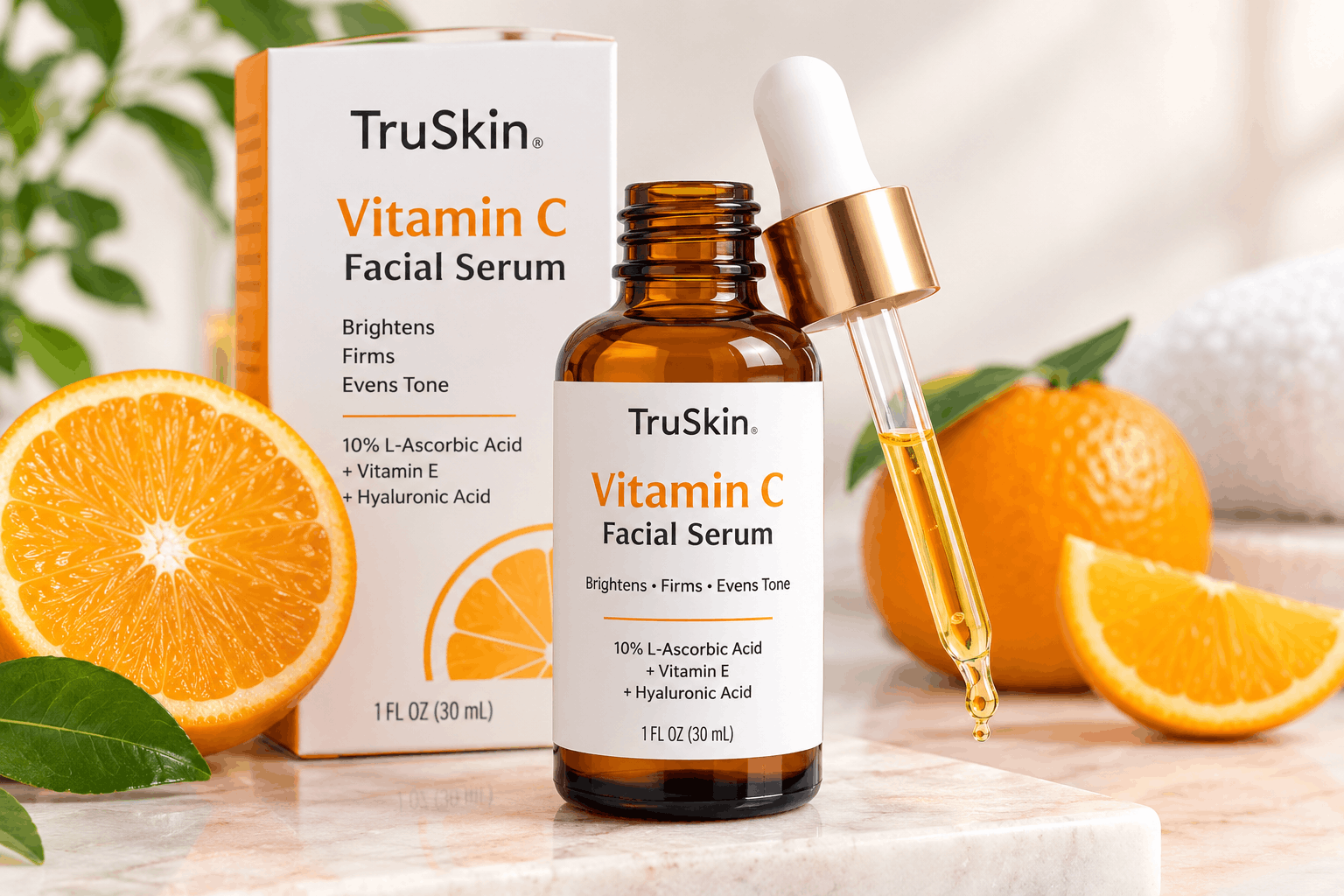
Vitamin C serum is a concentrated skincare product that contains vitamin C as its main active ingredient. It is usually applied directly to the skin after cleansing and before moisturizing.
Vitamin C is a powerful antioxidant that helps protect the skin from free radicals. Free radicals are unstable molecules created by factors such as:
- Sun exposure
- Pollution
- Environmental stress
- Lifestyle factors
Over time, these factors can contribute to visible signs of aging and skin damage.
Most skincare products use a form of vitamin C called L-ascorbic acid, although other stable forms are also available.
Common types of vitamin C used in skincare include:
- L-ascorbic acid
- Sodium ascorbyl phosphate
- Magnesium ascorbyl phosphate
- Ascorbyl glucoside
Each form has different levels of stability and effectiveness.
How Does Vitamin C Serum Work?
Vitamin C works mainly through its antioxidant activity and its role in supporting important skin processes.
Protects Against Environmental Damage
Everyday exposure to sunlight and pollution can create free radicals that affect skin cells.
Antioxidants help neutralize these molecules and support the skin’s natural defense system.
Supports Collagen Production
Collagen is a protein that helps maintain skin structure, firmness, and elasticity.
As people age, collagen production naturally decreases, which can contribute to fine lines and loss of firmness.
Vitamin C plays a role in collagen formation, which is why it is commonly included in anti-aging skincare products.
Helps Improve Skin Brightness
Vitamin C is often used to improve the appearance of dull skin.
With regular use, many people notice their skin looks more radiant and refreshed.
Supports More Even Skin Tone
Uneven skin tone can develop due to sun exposure, acne marks, and other factors.
Vitamin C may help improve the appearance of discoloration and dark spots over time.
Benefits of Vitamin C Serum for Skin
Helps Brighten Dull Skin
One of the most popular reasons people use vitamin C is to achieve brighter-looking skin.
Environmental stress, lack of sleep, and sun exposure can make skin appear tired and uneven.
A well-formulated serum can help improve overall skin radiance.
Reduces the Appearance of Dark Spots
Dark spots and uneven pigmentation can occur due to excess melanin production.
Vitamin C may help reduce the appearance of these areas by supporting a more balanced skin tone.
It is commonly used for:
- Sun spots
- Post-acne marks
- Uneven pigmentation
However, results usually require consistent use over time.
Supports Anti-Aging Skincare
Vitamin C is a popular ingredient in anti-aging routines because of its antioxidant properties.
It may help improve the appearance of:
- Fine lines
- Dullness
- Loss of firmness
It does not stop the natural aging process but can support healthier-looking skin.
Helps Protect Skin From Sun Damage
Vitamin C is not a replacement for sunscreen, but it can provide additional antioxidant support.
Daily sunscreen remains essential because UV exposure is one of the major causes of premature skin aging.
Improves Skin Texture
Some people notice smoother-looking skin after regularly using vitamin C products.
This may happen because healthier skin processes and proper hydration contribute to a more refined appearance.
Vitamin C Serum for Different Skin Types
For Oily Skin
People with oily skin often prefer lightweight serums that do not feel heavy.
Some vitamin C formulas may help improve the appearance of uneven texture while fitting into an oil-control skincare routine.
For Dry Skin
Dry skin may benefit from vitamin C products combined with hydrating ingredients.
Using a moisturizer afterward can help maintain skin comfort.
For Sensitive Skin
Sensitive skin requires extra care.
Lower concentrations and gentler forms of vitamin C may be better options for people who experience irritation easily.
A patch test is always recommended.
For Combination Skin
People with combination skin may choose lightweight formulas that provide benefits without feeling too rich.
How to Use Vitamin C Serum Correctly
Using the product correctly helps improve results and reduces the chance of irritation.
Step 1: Clean Your Face
Start with a gentle cleanser to remove dirt, oil, and impurities.
Step 2: Apply the Serum
Use a few drops and gently spread it across your face.
Avoid rubbing aggressively.
Step 3: Follow With Moisturizer
A moisturizer helps lock in hydration and supports the skin barrier.
Step 4: Use Sunscreen During the Day
If applying vitamin C in the morning, sunscreen should always be the final step.
Sun protection is essential for maintaining healthy skin.
Morning or Night: When Should You Apply Vitamin C Serum?
Many people prefer using vitamin C serum in the morning because of its antioxidant benefits.
Morning use allows the product to work alongside sunscreen to provide additional environmental protection.
However, some people use it at night depending on their skincare routine and product instructions.
The most important factor is consistency.
How Often Should You Use Vitamin C Serum?
The frequency depends on:
- Skin sensitivity
- Product strength
- Formula type
Beginners may start with a few times per week and gradually increase usage.
People with strong formulas and experienced skin may use them more frequently.
Following product instructions is recommended.
Choosing the Right Vitamin C Serum
Not every product is the same. Several factors affect quality and effectiveness.
Check the Vitamin C Concentration
Common concentrations include:
- 5%
- 10%
- 15%
- 20%
Higher concentrations are not always better, especially for sensitive skin.
Consider Product Stability
Vitamin C can be sensitive to:
- Light
- Air
- Heat
A stable formula and proper packaging can help maintain effectiveness.
Look for Complementary Ingredients
Some formulas combine vitamin C with ingredients such as:
- Vitamin E
- Ferulic acid
- Hyaluronic acid
These combinations are commonly used in skincare products.
Possible Side Effects of Vitamin C Serum
Although many people use vitamin C without problems, some individuals may experience reactions.
Skin Irritation
Possible signs include:
- Redness
- Burning sensation
- Tingling
- Dryness
If irritation occurs, reduce frequency or stop use.
Breakouts
Some people may experience breakouts when introducing a new skincare product.
This may happen because the skin is adjusting or because the formula is not suitable.
Increased Sensitivity
Using too many active skincare ingredients together may increase irritation.
Combining vitamin C with strong exfoliating acids or retinoids should be done carefully.
Who Should Be Careful When Using Vitamin C Serum?
Extra caution is recommended for people who:
- Have very sensitive skin
- Experience frequent irritation
- Have damaged skin barriers
- Are using multiple active ingredients
A dermatologist can provide guidance for specific skin concerns.
Vitamin C Serum vs Moisturizer
These products serve different purposes.
Vitamin C Serum
Designed to deliver concentrated active ingredients.
It focuses on concerns such as:
- Brightness
- Uneven tone
- Antioxidant protection
Moisturizer
Designed mainly to:
- Hydrate skin
- Support the skin barrier
- Prevent dryness
Many skincare routines use both products together.
Vitamin C Serum vs Retinol
Both ingredients are popular in skincare but work differently.
Vitamin C
Commonly used for:
- Brightening
- Antioxidant support
- Uneven skin tone
Retinol
Commonly used for:
- Skin renewal
- Fine lines
- Texture improvement
Some people use both, but introducing them slowly can help prevent irritation.
Tips for Better Results
Be Consistent
Skincare improvements usually require regular use over time.
Store Properly
Keep the product away from excessive heat and direct sunlight.
Avoid Using Too Many Strong Products
Combining multiple active ingredients can irritate the skin.
Always Use Sunscreen
Sun protection is one of the most important steps in any skincare routine.
Frequently Asked Questions About Vitamin C Serum
1. What does vitamin C serum do?
Vitamin C serum helps support brighter-looking skin, antioxidant protection, and a more even skin tone.
2. Can vitamin C serum remove dark spots?
It may help reduce the appearance of dark spots over time, especially when combined with proper sun protection.
3. Can I use vitamin C serum every day?
Many people can use it daily, but beginners should start slowly to see how their skin reacts.
4. Is vitamin C serum good for acne?
It may help with post-acne marks and uneven tone, but it is not a primary acne treatment.
5. Should I apply vitamin C serum in the morning or night?
Many people prefer morning use, but it can also be used at night depending on the skincare routine.
6. Can vitamin C serum irritate skin?
Yes, some people may experience redness, dryness, or irritation, especially with stronger formulas.
7. How long does vitamin C serum take to show results?
Results vary, but many people notice improvements after consistent use over several weeks.
8. Can sensitive skin use vitamin C serum?
Yes, but gentle formulas and lower concentrations may be better choices.
9. Should I use sunscreen after vitamin C serum?
Yes. Sunscreen is essential, especially during daytime skincare routines.
10. How should vitamin C serum be stored?
It should usually be stored in a cool, dark place away from direct sunlight and heat.
Conclusion
Vitamin C serum has become a popular skincare product because of its ability to support brighter, healthier-looking skin. Its antioxidant properties, role in collagen production, and ability to improve the appearance of uneven skin tone make it a valuable addition to many skincare routines.
However, getting the best results requires choosing the right formula, using it consistently, and protecting the skin with daily sunscreen. More concentrated products are not always better, and skincare should always match individual skin needs.
When used correctly, vitamin C serum can be an effective tool for maintaining a fresh, radiant, and well-cared-for complexion.