Eyebrow Microblading: Benefits, Healing, Aftercare, and Results
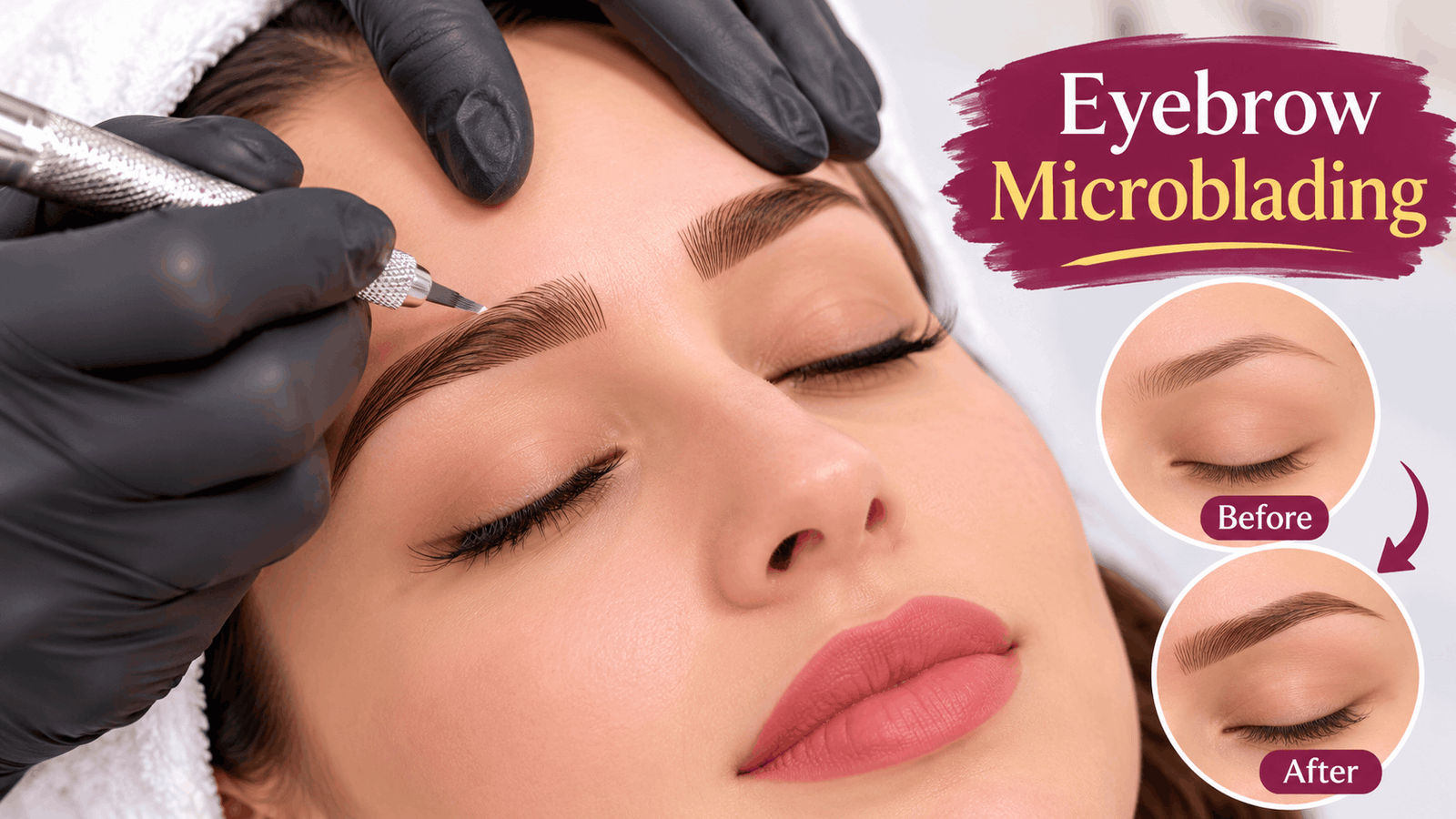
Well-defined eyebrows can make a noticeable difference to the overall appearance of the face. However, achieving balanced, fuller-looking brows every day can take time, especially for people with naturally thin eyebrows, uneven growth, or sparse areas. Eyebrow microblading is a cosmetic procedure designed to create the appearance of fuller brows using fine, hair-like strokes.
This semi-permanent technique has become popular among people who want more defined eyebrows without relying on daily pencils, powders, or gels. The results can look natural when the shape, pigment, and stroke pattern are carefully selected to complement the individual’s facial features.
Before choosing this treatment, it is important to understand how microblading works, what happens during the procedure, how long healing takes, and what risks may be involved.
What Is Eyebrow Microblading?
Eyebrow microblading is a form of cosmetic tattooing in which a trained practitioner uses a handheld tool with very fine needles to deposit pigment into the upper layers of the skin. The pigment is placed in small, controlled strokes that imitate the appearance of natural eyebrow hairs.
Unlike traditional eyebrow tattoos, which may create a more solid appearance, microblading focuses on individual strokes to produce a hair-like effect.
The treatment is commonly chosen by people who:
- Have naturally thin or sparse eyebrows.
- Want to improve uneven brow shapes.
- Have small gaps in eyebrow growth.
- Prefer a more defined appearance.
- Want to reduce the need for daily brow makeup.
Although microblading is often described as semi-permanent, pigment does not disappear on a predictable schedule. Results vary depending on skin type, pigment, technique, sun exposure, and aftercare.
How Does Eyebrow Microblading Work?
Microblading involves creating tiny superficial incisions in the skin and depositing cosmetic pigment into them. The practitioner carefully follows the planned eyebrow design to create strokes that resemble natural hairs.
The process usually includes three main stages:
- Brow design: The practitioner assesses facial features, natural brow growth, and the desired shape.
- Pigment selection: A suitable pigment shade is selected to complement the client’s natural coloring.
- Stroke application: Fine strokes are created using a specialized handheld tool to build the desired appearance.
The goal is to produce eyebrows that look balanced and natural rather than overly dark or artificial.
Benefits of Eyebrow Microblading
Microblading offers several cosmetic advantages for people who want to improve the appearance of their eyebrows.
1. Fuller-Looking Eyebrows
One of the main benefits is the appearance of greater eyebrow density. Fine pigment strokes can fill sparse areas and create a more complete brow shape.
2. Natural-Looking Definition
When performed by an experienced practitioner, individual strokes can resemble natural eyebrow hairs. The final result depends on technique, skin condition, pigment selection, and the client’s existing brow pattern.
3. Saves Time During Makeup Application
People who regularly fill in their eyebrows may find that microblading reduces the amount of time spent on daily brow makeup.
Some people still prefer to use brow gel or pencil for additional definition, but the procedure can reduce the need to create the entire shape from scratch.
4. Helps Improve Brow Symmetry
Microblading can create a more balanced appearance when eyebrows naturally differ in shape or fullness. However, perfectly identical eyebrows are neither realistic nor necessary because natural facial features are not completely symmetrical.
5. Customized Brow Shape
The design can be adjusted according to facial proportions, natural hair direction, and personal preferences. A careful consultation helps establish realistic expectations before treatment.
Different Eyebrow Microblading Styles
Eyebrow Microblading can be customized to create different eyebrow appearances.
1. Natural Hair-Stroke Brows
<AsyncImage query=”natural eyebrow microblading fine individual hair strokes close up beauty” aspectRatio=”16:9″ />
This style uses delicate strokes to imitate natural brow hairs. It is suitable for people who want subtle enhancement rather than a heavily defined appearance.
2. Soft Defined Brows
<AsyncImage query=”soft defined natural microbladed eyebrows close up” aspectRatio=”16:9″ />
Soft defined brows provide more visible structure while maintaining a relatively natural finish. The shape and density are adjusted according to the client’s preferences.
3. Combination Brows
<AsyncImage query=”combination brows microblading hair strokes soft powder shading close up” aspectRatio=”16:9″ />
Combination brows use hair-like strokes together with soft shading. This approach can create a fuller appearance, particularly when the natural eyebrows have several sparse areas.
4. Feathered Brows
<AsyncImage query=”feathered eyebrow microblading natural fluffy brows close up” aspectRatio=”16:9″ />
Feathered brows focus on a soft, textured appearance. The strokes are arranged to follow the natural direction of eyebrow growth.
Who Is a Suitable Candidate?
Microblading may be suitable for adults who want to improve eyebrow definition and have realistic expectations about cosmetic tattooing.
Potential candidates include people with:
- Naturally thin eyebrows.
- Uneven brow growth.
- Sparse areas caused by over-plucking.
- Naturally light-colored eyebrow hairs.
- A preference for semi-permanent brow enhancement.
However, the procedure is not appropriate for everyone.
People with active skin infections, inflammation, open wounds, or certain skin conditions around the eyebrows should postpone treatment until medically assessed. Those with a history of keloid scarring, pigment allergies, bleeding disorders, or impaired wound healing should discuss their suitability with an appropriate healthcare professional.
Pregnant or breastfeeding individuals should consult a healthcare professional and consider postponing elective cosmetic tattooing.
Who Should Avoid or Delay Microblading?
A professional consultation is essential before treatment. Microblading may be unsuitable or require special medical advice for people who:
- Have active eczema, psoriasis, or dermatitis around the brow area.
- Have an active bacterial, viral, or fungal skin infection.
- Have a history of severe allergic reactions to pigments or topical products.
- Are prone to keloid or problematic scarring.
- Take blood-thinning medication.
- Have uncontrolled diabetes or a condition affecting wound healing.
- Have recently undergone certain facial or eyebrow treatments.
Do not stop prescribed medication to prepare for microblading without speaking to the prescribing clinician.
People with very oily skin may also find that fine strokes heal less sharply or blur more quickly. An experienced practitioner can discuss whether another cosmetic brow technique would be more suitable.
The Eyebrow Microblading Procedure: Step by Step
Understanding the treatment process can help you feel more prepared for your appointment.
Step 1: Consultation
The practitioner discusses your preferred eyebrow appearance, medical history, allergies, previous cosmetic procedures, and expectations.
This is also the time to ask about qualifications, hygiene standards, pigment ingredients, and possible complications.
Step 2: Eyebrow Mapping
The natural eyebrows and facial proportions are assessed before the shape is drawn. The practitioner may use measuring tools to create a balanced design.
Review the proposed shape carefully. You should be comfortable with the design before the procedure begins.
Step 3: Choosing the Pigment
The pigment shade is selected according to natural brow color, skin tone, and desired results.
A shade that looks appropriate immediately after treatment may appear different after healing. Pigment selection should therefore be based on long-term results rather than the fresh appearance alone.
Step 4: Preparing the Skin
The eyebrow area is cleaned, and a topical numbing product may be applied when appropriate and permitted.
The practitioner should use sterile, single-use needles or blades and follow proper infection-control procedures.
Step 5: Creating Hair-Like Strokes
The practitioner uses a handheld microblading tool to create small strokes and deposit pigment into the skin.
The procedure may take approximately one to two hours, depending on the brow design and individual requirements.
Step 6: Final Assessment
After the treatment, the practitioner checks the shape and appearance. You should receive clear written instructions explaining how to care for the treated area during healing.
Does Eyebrow Microblading Hurt?
Pain levels vary from person to person. Some people describe the sensation as scratching, light pressure, or small cuts.
A topical numbing product may reduce discomfort, but it does not always eliminate it completely.
People with sensitive skin may experience more discomfort. If you feel significant pain during the procedure, inform the practitioner rather than ignoring it.
Eyebrow Microblading Healing Process
Healing is an important part of the treatment. The eyebrows may look darker, more defined, or slightly uneven during the first few days. This does not necessarily represent the final result.
Days 1–3: Darker and More Defined Brows
Immediately after treatment, the pigment often appears darker and the skin may look slightly red or swollen.
Mild tenderness can occur. Avoid touching, scratching, or rubbing the area.
Days 4–7: Dryness and Flaking
The treated skin may become dry and begin to flake. Some people notice light scabbing.
Do not pick or pull away the flakes because this can interfere with healing and pigment retention.
Days 8–14: Gradual Color Changes
The eyebrows may appear lighter or patchy as the skin continues to heal. This temporary appearance is sometimes called the ghosting stage.
Pigment visibility can change as the skin recovers.
Weeks 4–6: More Settled Results
The color generally becomes more settled over the following weeks. The practitioner can assess the healed result and determine whether a touch-up is appropriate.
Healing time varies, and people with sensitive or slower-healing skin may need additional time.
Eyebrow Microblading Aftercare
Following aftercare instructions helps support healing and reduce the risk of infection or pigment loss.
1. Keep the Area Clean
Follow the practitioner’s instructions for gentle cleansing. Avoid harsh cleansers, scrubs, and exfoliating products around the treated area.
2. Avoid Touching the Eyebrows
Wash your hands before any necessary contact. Avoid unnecessary touching, rubbing, or scratching.
3. Do Not Pick Scabs or Flakes
Allow the skin to heal naturally. Removing flakes prematurely can cause irritation, scarring, or uneven pigment retention.
4. Avoid Excessive Sweating
During the initial healing period, avoid strenuous activities that cause heavy sweating if instructed by your practitioner.
5. Protect the Area From Sun Exposure
Excessive sunlight can affect pigment appearance and irritate healing skin. Follow professional guidance about sun protection and avoid applying sunscreen directly to broken or healing skin unless advised.
6. Avoid Makeup on the Treated Area
Do not apply eyebrow makeup, foundation, or other cosmetic products directly over the healing skin until it has sufficiently recovered.
7. Follow Product Instructions
Use only the aftercare products recommended by your practitioner. Avoid applying unapproved creams, oils, or home remedies.
How Long Does Eyebrow Microblading Last?
Eyebrow Microblading is considered semi-permanent, but its longevity varies significantly.
Many people notice results lasting approximately 12 to 24 months, although some may experience fading sooner or retain pigment for longer.
Factors that influence longevity include:
- Skin type and natural oil production.
- Pigment formulation and color.
- Depth and technique of pigment placement.
- Sun exposure.
- Skincare ingredients and exfoliation habits.
- Individual skin healing and lifestyle.
Oily skin may cause strokes to appear softer or blur more quickly. Sun exposure and frequent use of exfoliating products can also affect pigment appearance.
Does Microblading Require a Touch-Up?
A follow-up appointment is commonly recommended after the initial healing period. It is often scheduled around six to eight weeks, depending on the practitioner’s assessment and the skin’s recovery.
During this appointment, the practitioner evaluates pigment retention and may make minor adjustments if needed.
Further maintenance treatments depend on how quickly the pigment fades. Repeated procedures should be approached carefully because excessive tattooing can contribute to skin trauma, scarring, and pigment changes.
Possible Risks and Side Effects
Although microblading is a popular cosmetic procedure, it is not risk-free. The skin barrier is intentionally disrupted, which creates a possibility of complications.
Infection
Non-sterile equipment, contaminated pigments, or poor aftercare can lead to infection.
Increasing redness, warmth, swelling, worsening pain, pus, or fever should be assessed promptly by a healthcare professional.
Allergic Reactions
Some people may develop an allergic reaction to pigment ingredients or topical products. Symptoms may include itching, redness, swelling, or persistent inflammation.
Scarring
Improper technique or excessive skin trauma can cause scarring. People with a history of abnormal scarring should seek professional advice before treatment.
Uneven Pigment Retention
Pigment may heal unevenly, leaving some strokes lighter or less visible than others. Skin type, technique, and healing behavior can all influence the result.
Unsatisfactory Shape or Color
A brow design that does not suit facial features or a pigment shade that changes during healing can produce an unwanted appearance.
Difficulty Removing Pigment
Unlike ordinary eyebrow makeup, microblading pigment cannot simply be washed away. Removal may require specialist laser or other procedures and can be difficult. Certain pigments may change color during laser treatment.
For these reasons, choosing a qualified practitioner and reviewing the design before treatment are essential.
Microblading vs. Eyebrow Tattooing
Both procedures involve placing pigment into the skin, but their techniques and typical results differ.
| Feature | Microblading | Traditional Eyebrow Tattoo |
|---|---|---|
| Technique | Fine manual strokes | Usually machine-based |
| Appearance | Hair-like strokes | Often more solid or shaded |
| Pigment placement | Superficial skin layers | Technique and depth vary |
| Finish | Textured, hair-like look | More uniform appearance |
| Longevity | Often fades over time | May last longer |
| Maintenance | May require periodic touch-ups | Depends on pigment and technique |
Modern cosmetic tattooing includes several methods, so results can overlap. A consultation can help determine which approach best matches your goals.
Microblading vs. Powder Brows
Powder brows are another popular cosmetic eyebrow technique. Instead of creating individual hair-like strokes, the practitioner uses a machine to deposit pigment in a soft, shaded pattern.
Microblading may be preferred by people seeking a hair-stroke appearance, while powder brows may suit those who prefer a makeup-like finish.
Some practitioners offer combination brows that incorporate both techniques.
How to Choose a Qualified Microblading Practitioner
The quality and safety of microblading depend heavily on the practitioner’s experience, training, and hygiene practices.
Before booking an appointment, consider the following:
- Check qualifications: Ask about professional training, licensing, and local regulatory requirements.
- Review healed results: Look at photographs of fully healed work rather than relying only on freshly completed procedures.
- Ask about hygiene: Confirm that sterile, single-use needles or blades are used.
- Discuss pigment ingredients: Ask about the product’s manufacturer, ingredients, and allergy precautions.
- Review the proposed shape: Make sure you approve the design before treatment starts.
- Understand the risks: A responsible practitioner should explain possible complications and realistic outcomes.
- Ask about follow-up care: Confirm that written aftercare instructions and appropriate follow-up are provided.
Avoid choosing a provider based only on low prices or social media photographs.
Conclusion
Eyebrow microblading is a semi-permanent cosmetic technique that creates fuller-looking eyebrows through fine pigment strokes designed to resemble natural hairs. It can help improve brow definition, fill sparse areas, and reduce the need for daily eyebrow makeup.
However, the results depend on several factors, including practitioner skill, skin type, pigment selection, and aftercare. The procedure also carries risks such as infection, allergic reactions, scarring, and unwanted pigment changes.
Before deciding on treatment, choose a qualified practitioner, review healed results, discuss your medical history, and make sure you understand the healing process. Careful planning and appropriate aftercare can help you make a more informed decision about whether microblading is right for you.
Frequently Asked Questions
1. How long does eyebrow microblading last?
Results commonly last around 12 to 24 months, although longevity varies with skin type, pigment, technique, sun exposure, and aftercare.
2. Is eyebrow microblading painful?
Some people experience scratching, pressure, or mild discomfort. A topical numbing product may help, but individual pain tolerance varies.
3. How long does microblading take to heal?
The initial healing period often takes around two weeks, while the pigment may take approximately four to six weeks to settle fully.
4. Can microblading look natural?
Yes. Fine strokes designed to follow natural eyebrow growth can create a realistic appearance when performed by an experienced practitioner.
5. How much does eyebrow microblading cost?
The cost varies according to location, practitioner experience, clinic standards, and whether follow-up appointments are included.
6. Can people with oily skin get microblading?
Some people with oily skin can receive the treatment, but strokes may heal less sharply or blur more quickly.
7. Is eyebrow microblading permanent?
It is generally considered semi-permanent because pigment gradually fades. However, some pigment may remain in the skin for years.
8. Can I wear makeup after microblading?
Avoid applying makeup directly to the treated area during the initial healing period. Follow the practitioner’s instructions before returning to your normal routine.
9. Is microblading safe for sensitive skin?
Sensitive skin may be more likely to develop irritation or reactions. Discuss allergies and previous skin problems during consultation, and seek medical advice if needed.
10. Can eyebrow microblading be removed?
Removal may be possible through specialist procedures, including certain laser treatments, but it can be difficult and may require multiple sessions. Complete removal is not guaranteed.
Meta Description: Eyebrow Microblading creates fuller, more defined brows with natural-looking hair strokes. Explore the procedure, healing process, benefits, risks, and aftercare.
Category: Brows