Allure: Beauty, Fashion, Culture, and Modern Lifestyle

Introduction
Allure is a well-known beauty and lifestyle publication recognized for its coverage of skincare, makeup, hair, wellness, fragrance, and beauty culture. Over the years, it has become a source of information for people who want to understand new beauty trends, discover products, learn practical routines, and explore changing ideas about personal care.
Beauty is no longer limited to cosmetics or salon treatments. Today, people are interested in ingredients, skin health, hair care, body care, fragrance, professional treatments, and the science behind the products they use. Publications such as Allure bring many of these subjects together in one place.
What makes a modern beauty publication useful is not simply the number of products it discusses. Helpful content should explain how something works, who it may suit, how to use it properly, and what limitations should be considered. This approach can help readers make more informed choices instead of following every passing trend.
What Is Allure?
Allure is a beauty-focused media brand and magazine that covers a broad range of topics related to beauty and personal style. Its content commonly includes skincare, makeup, hair, nails, fragrance, wellness, and beauty trends.
The publication has developed alongside the beauty industry. As consumer interests have changed, beauty journalism has expanded from traditional product recommendations to topics such as cosmetic ingredients, skin concerns, professional procedures, inclusivity, and beauty culture.
Its audience includes both beauty enthusiasts and people who simply want practical information about everyday personal care.
Why Beauty Publications Matter
The beauty industry introduces thousands of products, ingredients, techniques, and trends. It can therefore be difficult for consumers to separate useful information from marketing claims.
Beauty publications can help by presenting product information in an accessible format. Readers may find explanations about ingredients, application methods, routines, expert perspectives, and current trends.
However, editorial information should not replace professional medical advice. A skincare article can provide general education, but persistent acne, unusual rashes, severe irritation, hair loss, or other medical concerns may require assessment by a qualified healthcare professional.
Skincare Coverage
Skincare is one of the most important areas of modern beauty content. Readers are increasingly interested in maintaining the skin barrier, protecting against ultraviolet radiation, managing acne, improving uneven tone, and choosing products according to individual needs.
Common subjects include:
- Cleansers
- Moisturizers
- Sunscreens
- Serums
- Retinoids
- Exfoliating acids
- Acne treatments
- Hyperpigmentation
- Sensitive skin
- Anti-aging routines
- Skin-barrier care
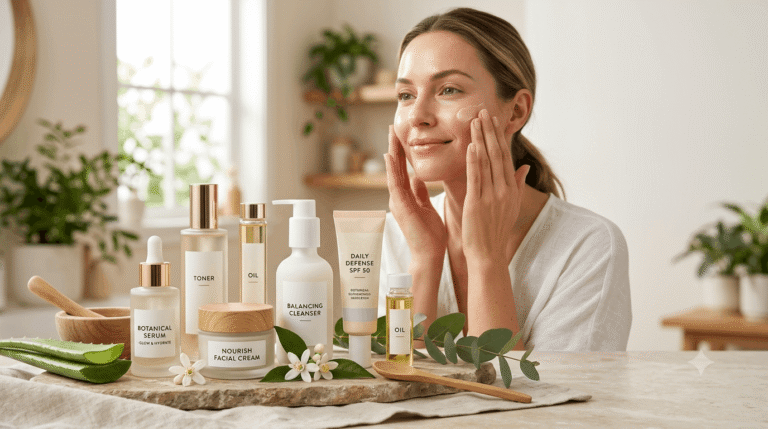
A useful skincare routine does not necessarily need a large number of products. The basic foundation is often gentle cleansing, appropriate moisturization, and daily sun protection. Additional products can be introduced depending on specific concerns.
Understanding Ingredients
Ingredient knowledge has become increasingly important to consumers. Instead of choosing a product solely because of its packaging or popularity, people may look at active ingredients and their intended purposes.
For example, niacinamide is commonly used in products designed to support the skin barrier and improve the appearance of uneven tone. Salicylic acid is frequently included in products targeting clogged pores and acne-prone skin. Retinoids are widely used for acne and photoaging but may cause irritation when introduced too quickly.
The suitability of an ingredient depends on factors such as skin type, concentration, frequency of use, and other products in the routine.
Makeup and Beauty Trends
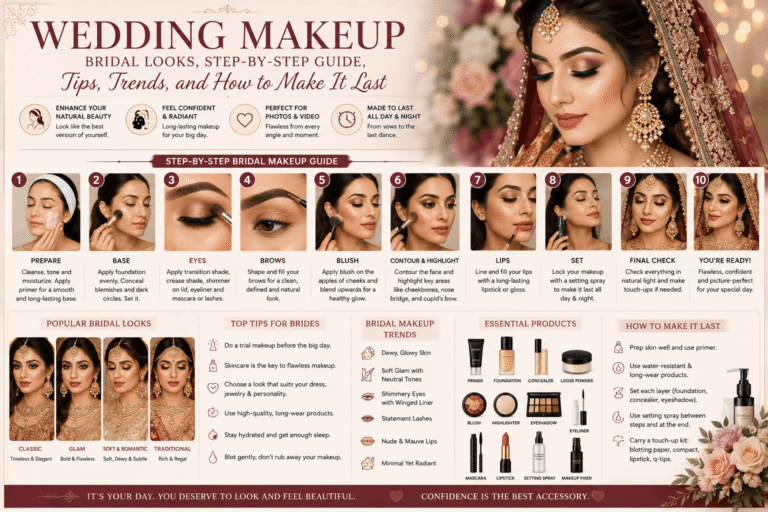
Makeup trends change constantly. Some seasons emphasize minimal makeup, while others bring stronger colors, dramatic eyes, glossy lips, or sculpted complexion techniques.
Beauty media helps readers understand how these trends are being adapted for everyday use. Tutorials and product guides can also make complicated techniques easier to understand.
Popular makeup categories include:
- Foundation and skin tints
- Concealers
- Blush
- Bronzer
- Highlighter
- Eyeliner
- Mascara
- Eyeshadow
- Lip products
- Setting products
Although trends can provide inspiration, makeup does not need to follow a particular style. Personal preference, comfort, skin type, and occasion are often more important than following every new trend.
Haircare and Hairstyles
Hair is another major part of beauty culture. Hair-related content can range from haircut inspiration to styling methods and product recommendations.
Different hair types may require different approaches. Fine hair can become weighed down by heavy products, while coarse or highly textured hair may benefit from richer conditioning. Chemically treated or heat-damaged hair may also require extra attention to moisture and breakage.
Modern haircare discussions commonly cover:
- Haircuts
- Styling techniques
- Hair color
- Scalp care
- Shampoos and conditioners
- Hair masks
- Heat protection
- Curly hair routines
- Hair loss concerns
- Protective hairstyles
A haircut trend may look attractive in photographs but still require considerable daily styling. Considering maintenance requirements before choosing a hairstyle can help people find a more practical option.
Fragrance and Personal Scent
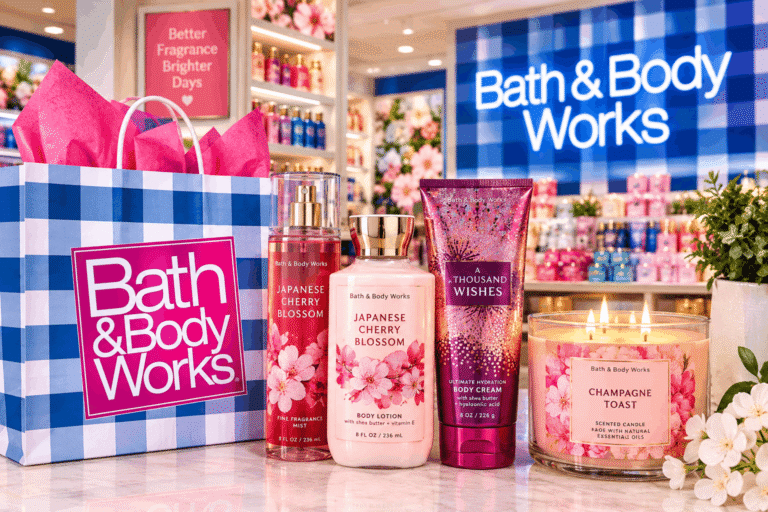
Fragrance has become an important part of personal expression. Beauty publications frequently discuss perfumes according to scent families, ingredients, seasons, occasions, and longevity.
Common fragrance categories include:
- Floral
- Citrus
- Woody
- Fresh
- Oriental or amber
- Gourmand
- Aquatic
- Musky
Fragrance can smell different from person to person because skin chemistry, temperature, humidity, and application method can affect how individual notes develop.
For this reason, testing a fragrance on the skin can be more informative than relying solely on a description or paper strip.
Beauty and Self-Care
Modern beauty increasingly overlaps with self-care. People may view skincare, haircare, fragrance, and grooming as parts of a broader personal routine rather than isolated cosmetic activities.
Self-care can include simple habits such as:
- Maintaining a regular sleep schedule
- Eating a balanced diet
- Staying physically active
- Protecting skin from excessive sun exposure
- Keeping the skin clean and moisturized
- Caring for hair and scalp
- Taking time away from excessive screen use
Beauty products can complement these habits, but they cannot substitute for overall health practices.
The Role of Beauty Experts
Expert perspectives can add useful context to beauty content. Dermatologists, cosmetic chemists, hairstylists, makeup artists, and other professionals can explain why a product or technique may work and what limitations it has.
For skincare topics especially, professional guidance can be valuable because the same ingredient may affect different people differently.
For example, an exfoliating product may be helpful for one person but irritating for someone with a compromised skin barrier. Similarly, a strong active ingredient should not automatically be added to every routine simply because it is trending.
Choosing Beauty Products Carefully
The large number of products available today can make shopping confusing. A better approach is to identify the actual problem before purchasing something.
Consider the following questions:
- What concern am I trying to address?
- Is the product suitable for my skin or hair type?
- What active ingredients does it contain?
- How frequently should it be used?
- Could it interact with products I already use?
- Does the product have clear usage instructions?
- Is the packaging appropriate and intact?
- Do I need this product, or am I buying it only because it is trending?
Reading the ingredient list and instructions can often be more useful than relying on attractive marketing claims.
Beauty Trends and Social Media
Social media has dramatically changed how beauty trends spread. A new hairstyle, cosmetic technique, skincare ingredient, or product can become popular within a very short period.
This has benefits because consumers can discover new ideas quickly. However, viral popularity does not automatically mean that a product is suitable for everyone.
Before adopting a trend, it is sensible to consider whether it is supported by reliable information and whether it fits individual needs.
Inclusive Beauty
Modern beauty culture increasingly recognizes different skin tones, hair textures, ages, body types, and personal styles. Inclusive beauty means that products and content should acknowledge the diversity of consumers rather than presenting one appearance as the universal standard.
Foundation shades, concealers, hair products, sunscreens, and makeup techniques may need to be considered across a wide range of individual characteristics.
This broader approach has also influenced how brands develop products and how beauty publications discuss representation.
Beauty Product Reviews
Product reviews can be useful when they provide specific information rather than simply describing a product as good or bad.
A meaningful review may discuss:
- Texture
- Finish
- Application
- Ingredients
- Fragrance
- Packaging
- Skin or hair suitability
- Performance
- Potential drawbacks
- Value for the intended user
Individual experience still varies, so one person’s results should not automatically be treated as universal.
How to Build a Simple Beauty Routine
A complicated routine is not necessary for everyone. Beginners can start with a few essentials and gradually determine what works.
For skincare, a simple morning routine may include a gentle cleanser if needed, moisturizer, and broad-spectrum sunscreen. Evening care may involve cleansing and moisturizing, with additional treatments introduced according to specific concerns.
For haircare, choosing a shampoo and conditioner suited to the scalp and hair type is a practical starting point. Styling products can then be added according to the desired result.
The most effective routine is usually one that is realistic enough to follow consistently.
Common Mistakes to Avoid
Several mistakes can make beauty routines less effective.
Using Too Many Products
Adding multiple active ingredients at the same time can increase irritation and make it difficult to determine which product is responsible for a reaction.
Following Every Trend
Not every viral product or technique is appropriate for every person.
Ignoring Sun Protection
Daily ultraviolet protection is an important part of maintaining healthy-looking skin and reducing cumulative sun damage.
Over-Exfoliating
Frequent or aggressive exfoliation can cause dryness, redness, sensitivity, and barrier disruption.
Expecting Instant Results
Many skincare and haircare products require consistent use over time. Immediate dramatic changes are not always realistic.
The Future of Beauty Media
Beauty media continues to evolve as consumers become more interested in science, transparency, sustainability, inclusivity, and personalized routines.
Technology is also influencing the industry through virtual try-ons, personalized product recommendations, AI-supported beauty tools, and increasingly detailed ingredient information.
At the same time, consumers are becoming more aware that marketing and evidence are not always the same thing. This makes clear, responsible, and well-researched beauty information increasingly valuable.
Conclusion
Allure represents the broader evolution of beauty media from traditional magazine-style coverage toward a diverse digital source covering skincare, makeup, hair, fragrance, wellness, and beauty culture.
For readers, the most useful approach is to treat beauty content as a starting point for education rather than a replacement for individualized professional advice. Understanding ingredients, considering personal needs, checking product instructions, and avoiding unnecessary trends can make beauty routines more practical and informed.
Whether someone is interested in skincare science, a new hairstyle, makeup inspiration, fragrance, or everyday self-care, reliable information can help turn beauty trends into choices that fit individual preferences and routines.
Frequently Asked Questions
1. What is Allure?
Allure is a beauty-focused publication covering skincare, makeup, hair, fragrance, wellness, beauty trends, and related cultural topics.
2. What type of content does Allure cover?
Its coverage includes skincare products, makeup, hairstyles, haircare, fragrance, nails, wellness, beauty trends, and expert-related beauty information.
3. Is Allure only about makeup?
No. Makeup is only one part of its coverage. Skincare, haircare, fragrance, wellness, and broader beauty culture are also important areas.
4. Can beauty articles replace a dermatologist?
No. General beauty content can provide educational information, but medical skin conditions may require personalized evaluation by a dermatologist.
5. How should beginners start a skincare routine?
A simple routine can begin with gentle cleansing, moisturizer, and daily broad-spectrum sunscreen. Other products can be added according to individual concerns.
6. Are viral beauty trends suitable for everyone?
No. A trend may work well for some people but cause irritation or poor results for others. Skin type, hair type, allergies, and personal needs should be considered.
7. Why is ingredient information important?
Ingredients help consumers understand what a product is designed to do and whether it may be appropriate for their particular needs.
8. How can someone choose the right beauty products?
Start by identifying the specific concern, then consider skin or hair type, ingredients, instructions, potential irritation, and how the product fits into an existing routine.
9. Does expensive beauty mean better results?
Not necessarily. Price alone does not determine whether a product is appropriate or effective. Formulation, ingredients, proper use, and individual suitability are also important.
10. Why is beauty journalism still important?
Beauty journalism can help consumers understand products, trends, ingredients, and techniques in an accessible way while providing context that may be missing from simple advertisements or social media posts.